- Category
- Smart Home
- Signal type
- The cost of missed falls creates interest in room sensors that can call staff without a recurring platform fee.
- Evidence
- CDC reports the scale of falls. Aqara owner accounts and documentation describe installation limits of a consumer comparator. FCC 23-35 and FDA intended-use guidance frame the procurement review.
- Window
- Q4 2026 through 2027
Observed: Camera-free sensors and existing room-call systems address different parts of a caregiver response workflow.
Inference: Integrators may win paid pilots by measuring verified delivery and response labor per occupied room.
Main risk: Missed slow descents, nuisance alarms and an unstaffed destination can all defeat the value of an alert.
Market Momentum
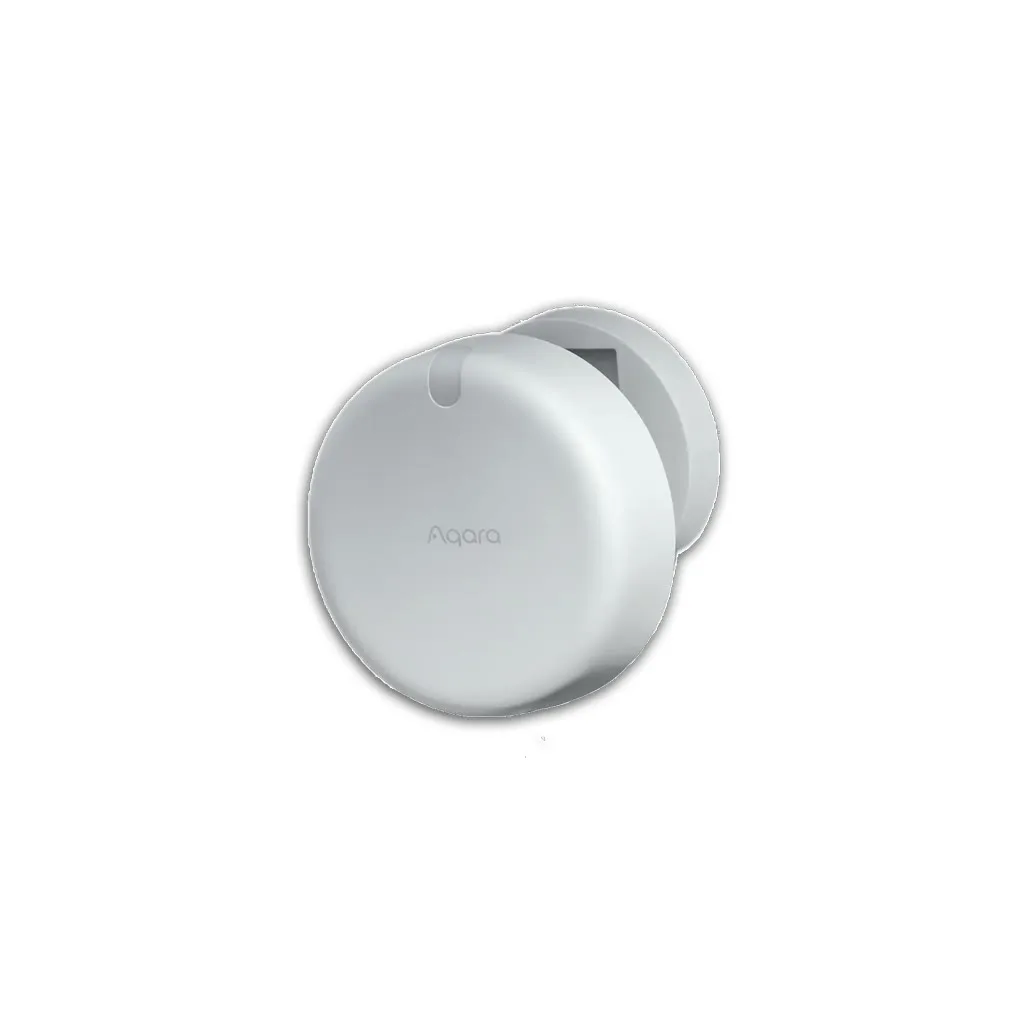
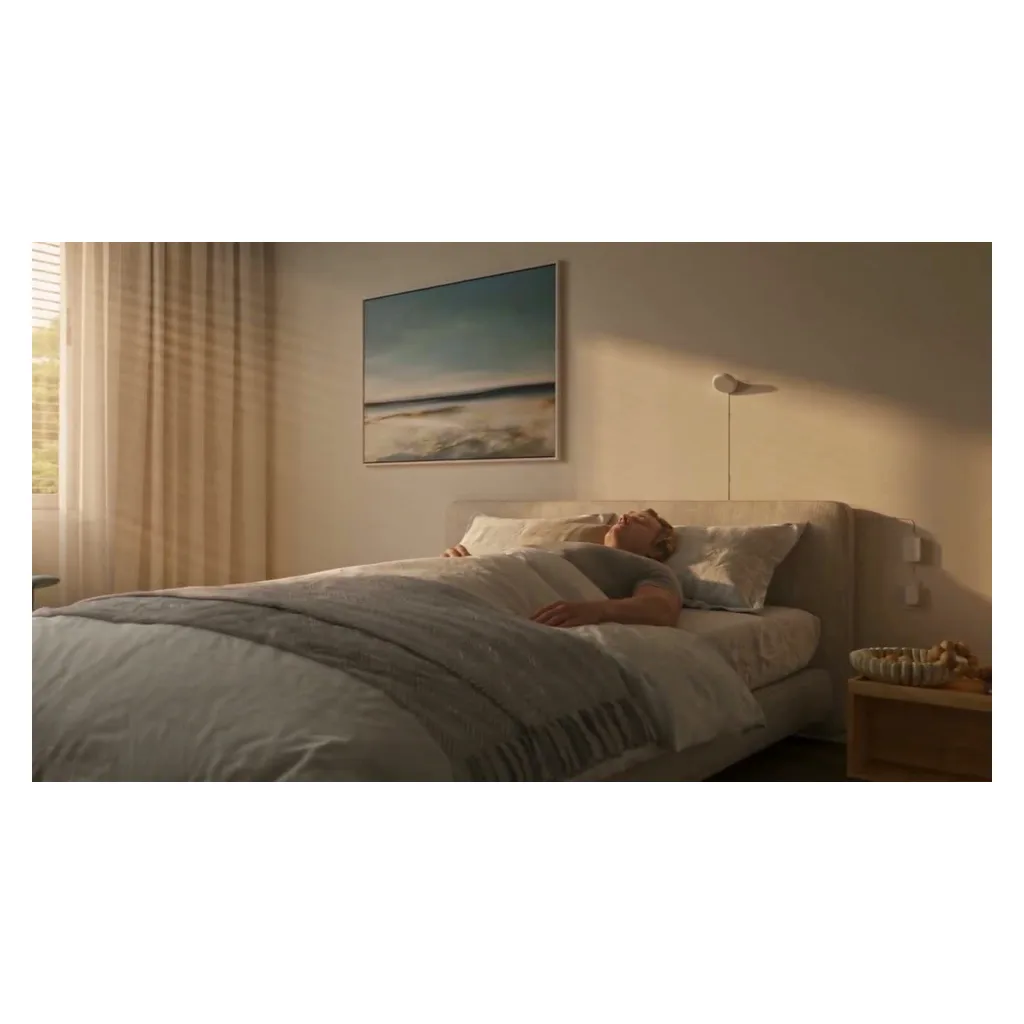
More than one in four Americans aged 65 or older falls each year, according to the CDC. A care operator cannot convert that figure directly into device demand. Its purchasing decision concerns the rooms where a resident spends time alone, how staff currently notice that help may be needed, and who can respond on a night shift. For an operator budgeting by the occupied bed, room geometry and staff availability determine the serviceable share. A ceiling sensor offers a camera-free option for residents who decline video or often leave a pendant on the bedside table. CDC older adult falls data
Consumer presence sensors already advertise fall alerts alongside lighting automation. The 2026–2027 opening for a 60 GHz integrator is to sell a bounded room service with a transparent cost after the first year. Ask whether a residence has moved from a demonstration to a funded wing trial, how long its privacy review took and how many approved rooms have a staffed alert destination. In home care the destination may be a relative with limited availability. Compare those two pipelines separately. An installed sensor with no acknowledged test call gives the purchasing team no evidence about how quickly help would arrive. Consumer sensor comparator