- Category
- Security & Access
- Signal type
- CPSC Reese's Law port seizures + wholesale inventory recalls for non-compliant coin cell compartments
- Evidence
- Reviewed 2026-11-18 against public CPSC port inspection releases, UL 4200A laboratory testing backlogs, and North American smart-security distributor line-card bulletins; defect shares reflect directional public negative-review sample clustering rather than private platform telemetry, and factory retooling quotes were not independently verified.
- Window
- 2026 Q4 to 2027 Q4
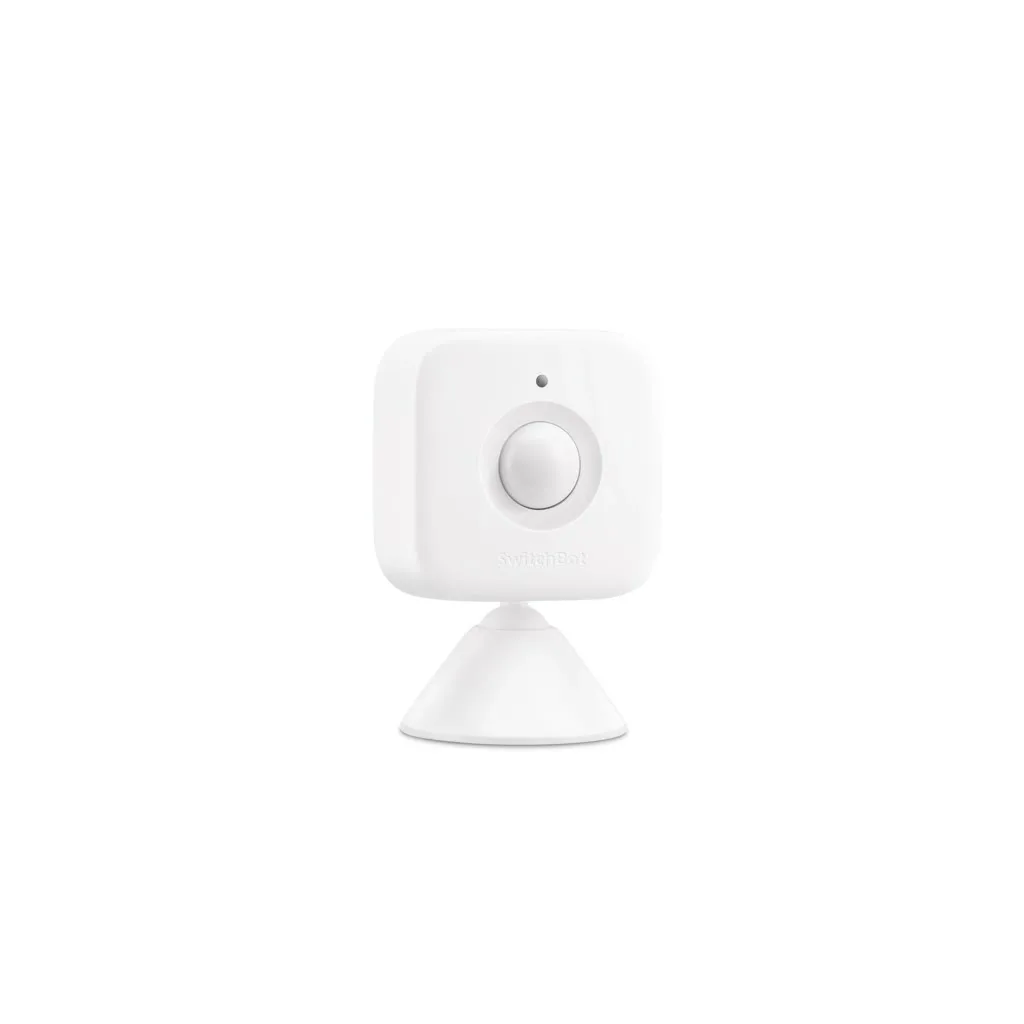
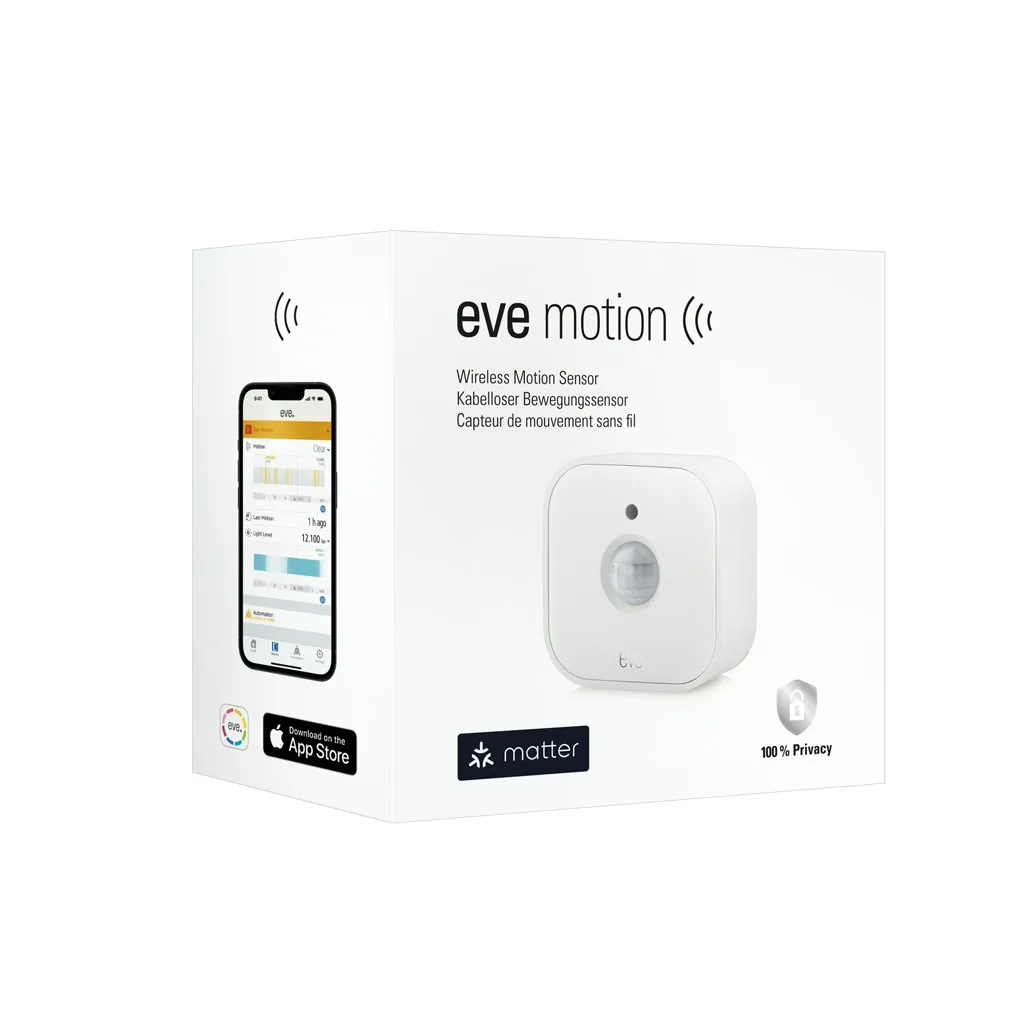
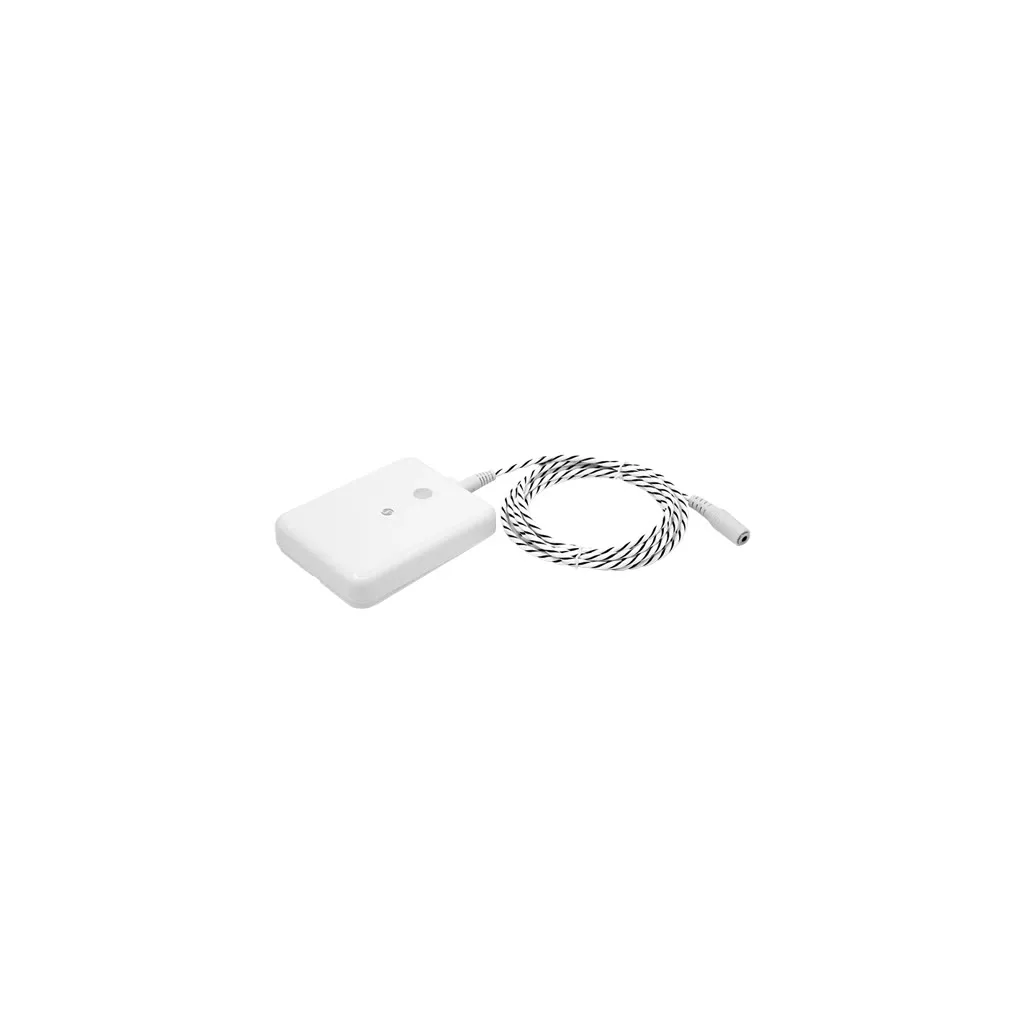
Observed: Sub-USD 25 door/window sensors, PIR motion detectors, and Bluetooth asset tags face immediate supply disruption in the US market as legacy snap-cover enclosures are banned from import.
Inference: Early editorial observation rather than guaranteed volume: B2B distributors will pay a 15% to 25% wholesale premium for pre-certified UL 4200A captive-screw or dual-action tool-release sensor hardware to safeguard retail partnerships.
Main risk: US Customs and Border Protection detention under 16 CFR Part 1263 for toolless battery doors, resulting in mandatory re-export or destruction at importer expense.
Market Momentum & Price Band
Across North American consumer electronics, security distribution, and home automation channels, the full enforcement of Reese's Law (16 CFR Part 1263) has created a severe supply disruption for battery-powered smart sensors. By mandating ANSI/UL 4200A-2023 compliance across all consumer devices incorporating button or coin cell batteries, federal authorities have effectively banned legacy friction-fit and single-slide battery covers.
Wholesale and retail price points reflect this regulatory bifurcation. Legacy uncertified door/window contacts and water sensors in the sub-USD 15 retail corridor are being cleared out or seized at ports of entry, while compliant hardware engineered with captive screw fasteners or dual-action release mechanisms easily commands USD 19 to USD 34 retail. Commercial security integrators, property management operators, and retail chains are aggressively auditing line cards, prioritizing suppliers that provide verified laboratory test reports and automated General Certificates of Conformity.
The sourcing opportunity lies in bridging this rapid retooling gap: overseas manufacturers that quickly adapt existing tooling to incorporate captive screws, ultrasonic-welded battery barriers, and permanent molded warning symbols are capturing substantial market share from slower competitors.