- Category
- Smart Accessories
- Signal type
- Latin American HVAC electrification + smart climate retrofit review VOC
- Evidence
- Reviewed 2026-11-12 against public Mexican HVAC retail trends, ductless mini-split installation growth data, and regional consumer review feedback in Monterrey, Guadalajara, and Bogota; defect shares reflect directional public negative-review sample clustering rather than private platform telemetry, and factory BOM costs and regional HVAC brand IR database licensing fees were not independently verified.
- Window
- 2025 to 2027 Q2
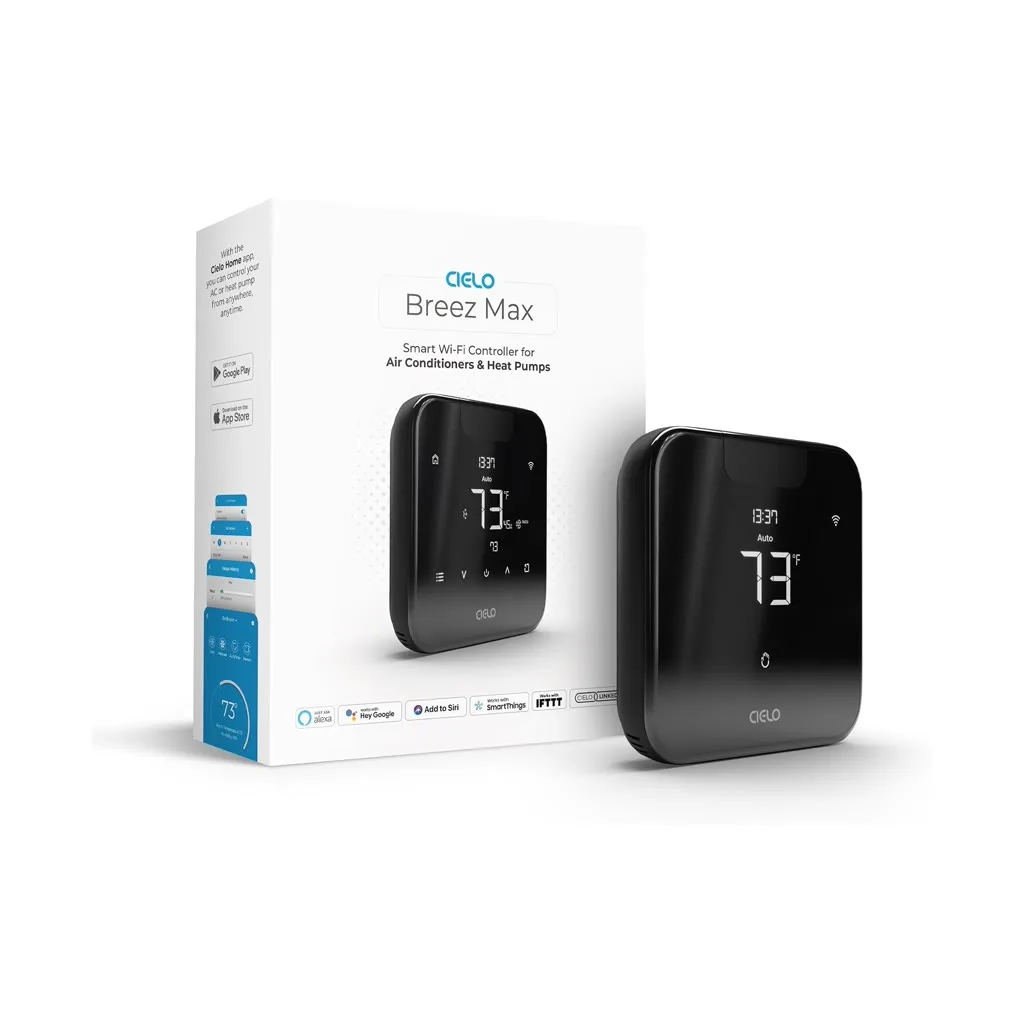
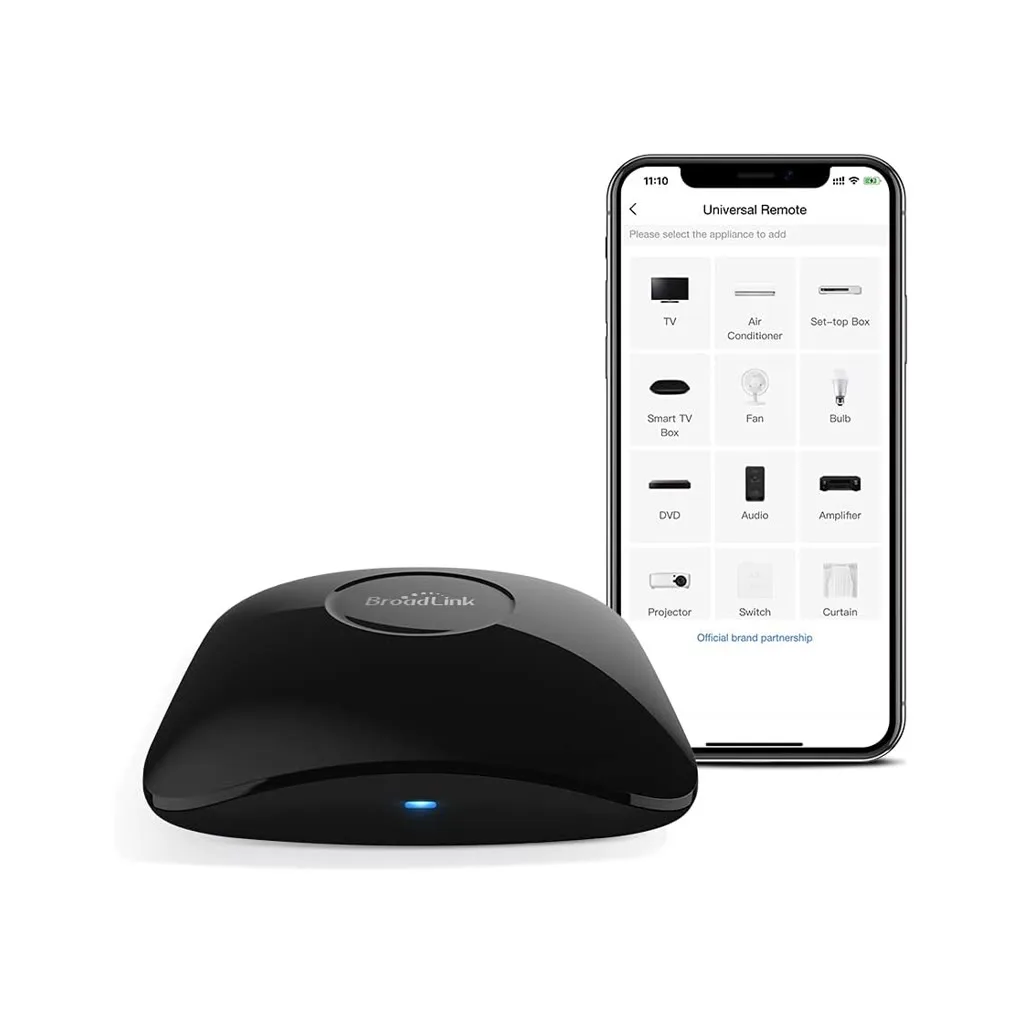
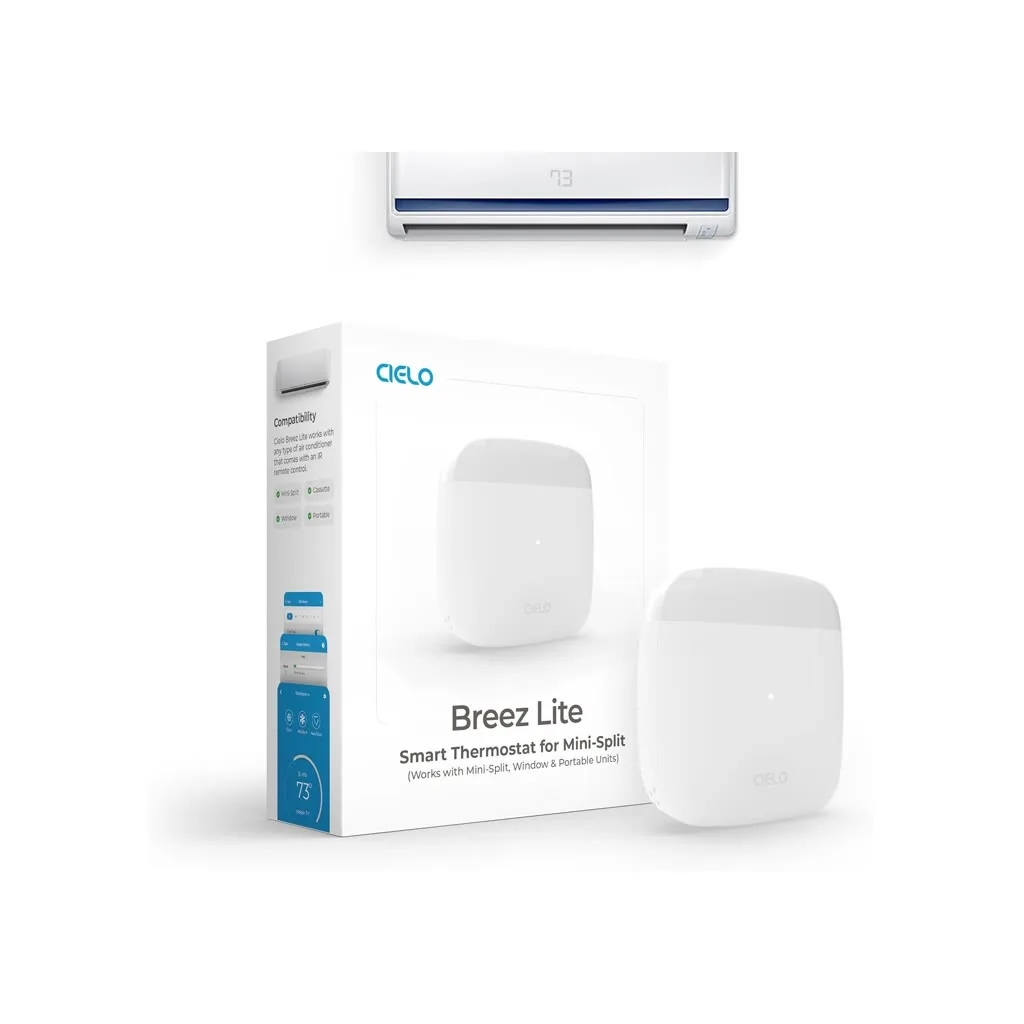
Observed: Smart climate controllers that convert traditional ductless mini-split air conditioners into connected appliances via infrared command blasters sell across the USD 59 to USD 119 retail corridor, experiencing rapid growth across Mexico, Brazil, and Colombia.
Inference: Early editorial observation rather than guaranteed repeat retail volume: unlike North America where central ducted HVAC prevails, Latin American residential and hospitality cooling relies almost exclusively on ductless mini-splits, creating huge untapped demand for smart energy-saving AC bridges.
Main risk: One-way infrared state desynchronization when occupants use physical remotes, missing IR codes for regional white-label AC brands, and Wi-Fi disconnects through thick masonry walls.
Market Momentum & Price Band
Ductless mini-split heat pumps and air conditioners represent the dominant cooling and heating infrastructure across Mexico, Central America, and South America. While modern ducted smart thermostats dominate the United States, Latin American homeowners and vacation rental operators rely on smart IR controllers retailing between USD 59 to USD 119 retail to automate mini-splits. Skyrocketing seasonal electric utility bills and humid tropical climates make intelligent scheduling, geofencing, and remote mobile AC shut-off highly compelling investments for both residential consumers and commercial property managers.
Address the unique architectural realities of Latin American residential building construction. Homes built from solid concrete masonry severely attenuate 2.4GHz Wi-Fi radio signals, making high-sensitivity receiver design essential for reliable connectivity.