- Category
- Smart Home
- Signal type
- Camera litter stations and scheduled feeders are already sold through Japanese retail channels.
- Evidence
- Costco Japan lists a camera litter station. Owner accounts and manufacturer guidance cover weight errors, interrupted cleaning and feeding noise. METI and TELEC define different electrical and radio routes.
- Window
- Q4 2026 through 2027
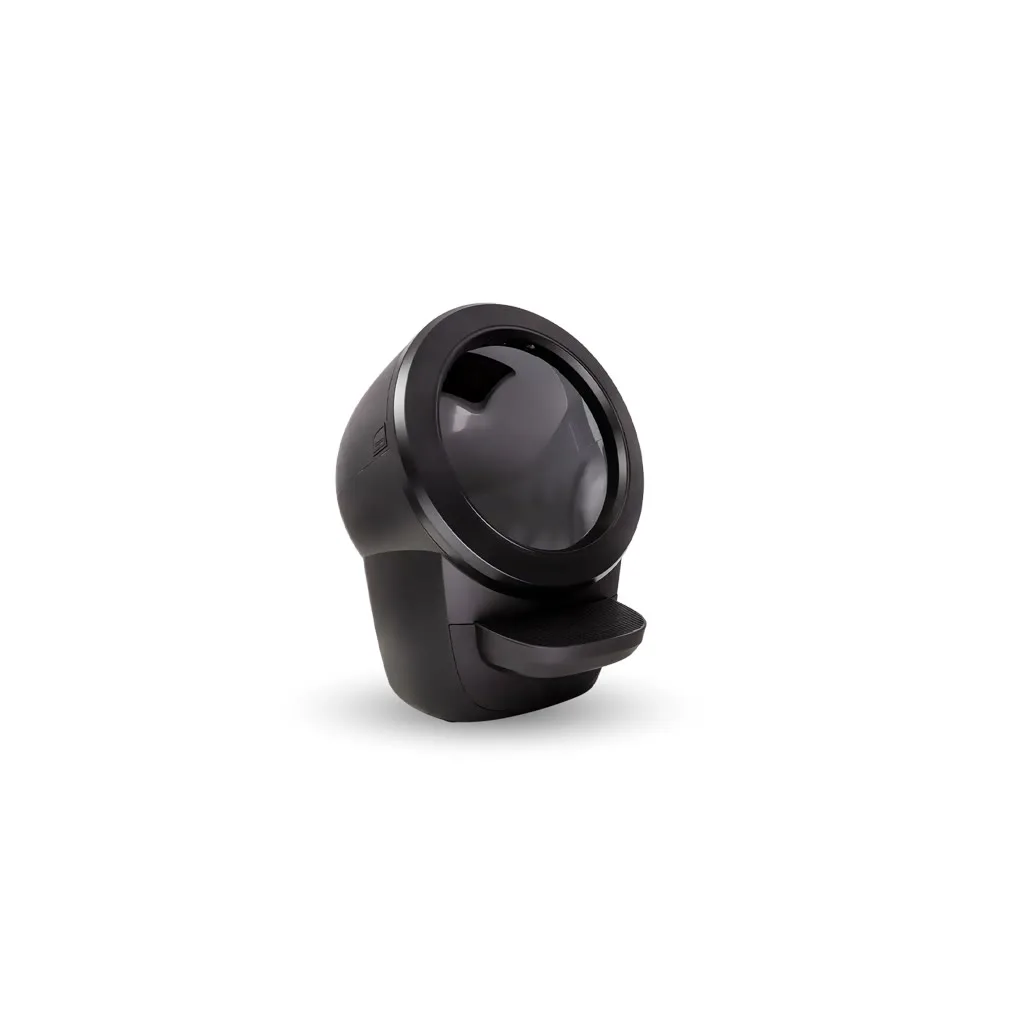
Observed: A litter station occupies living space and may cycle at night. Buyers also need to refill, clean and service it indoors.
Inference: A retailer can earn a premium by demonstrating routine operation in a quiet apartment and making upkeep costs visible.
Main risk: Noise returns and ambiguous multi-cat records can erase the premium for connected features.
Market Momentum
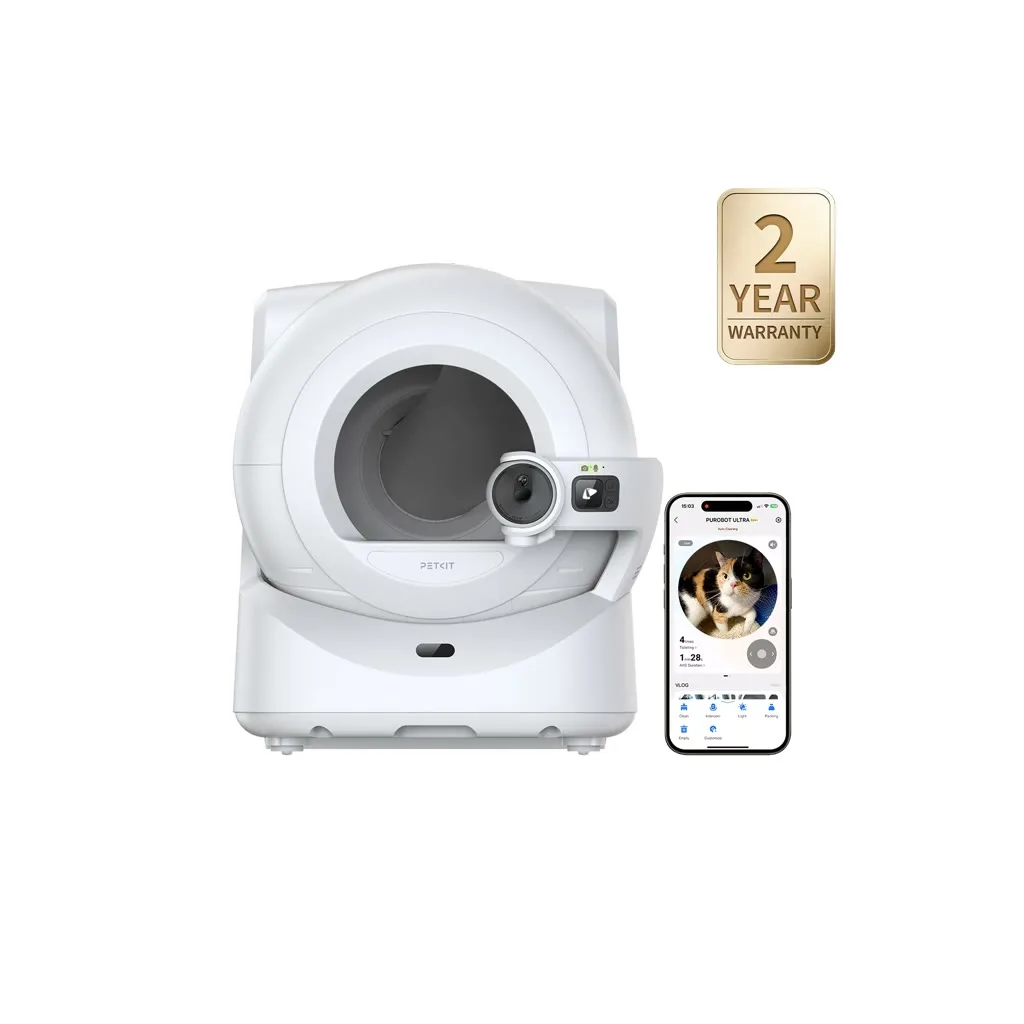
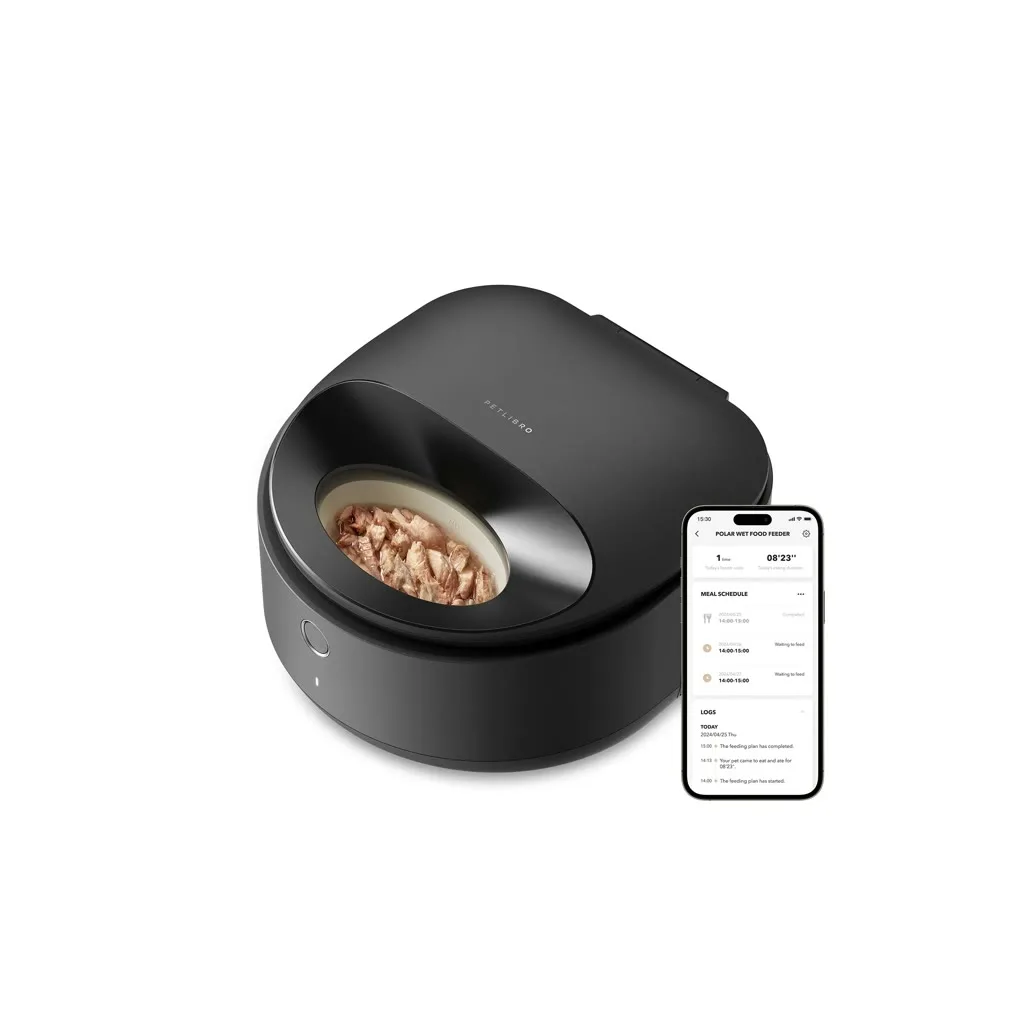
At a Japanese retailer, a household can already buy a camera-equipped PETKIT litter station for roughly JPY 89,000. That shelf price buys a substantial appliance that must fit beside furniture, survive routine cleaning and remain acceptable in a room where somebody sleeps. A scheduled feeder addresses a related absence-from-home problem at a different price. The Japan Pet Food Association's household survey gives a denominator for cat ownership. Only a fraction of those homes can accommodate a large litter drum or value keeping a history of individual visits. Costco Japan listing JPFA survey program
During the 2026–2027 range review, ask specialty stores to measure the interval from in-store demonstration to retained sale, and to record the room size and number of cats volunteered by buyers. Demonstrations should include emptying the waste drawer and hearing a complete cycle. An appliance that photographs well may be returned after its first night in an apartment. A second useful signal is repeat purchase of compatible liners and filters after the return window. Reorders give the store a usage signal weeks after the app registration. Compare them with calls asking how to remove or clean a part.