- Category
- Security & Access
- Signal type
- Solar camera kits face a procurement gap between consumer operating limits and Gulf site specifications.
- Evidence
- Reolink's published charging instructions and owner reports identify operating limits and energy complaints. UAE TDRA, Saudi SABER and CST describe separate approval routes. No Gulf fleet failure rate is available.
- Window
- Q4 2026 through 2027
Observed: Solar kits remove the need for a power trench, while site exposure and recording duty determine service availability.
Inference: Summer acceptance testing and separately costed maintenance could qualify sites that contractors otherwise wire or decline.
Main risk: A battery that stops charging safely can still leave a customer with an unmonitored gate.
Market Momentum
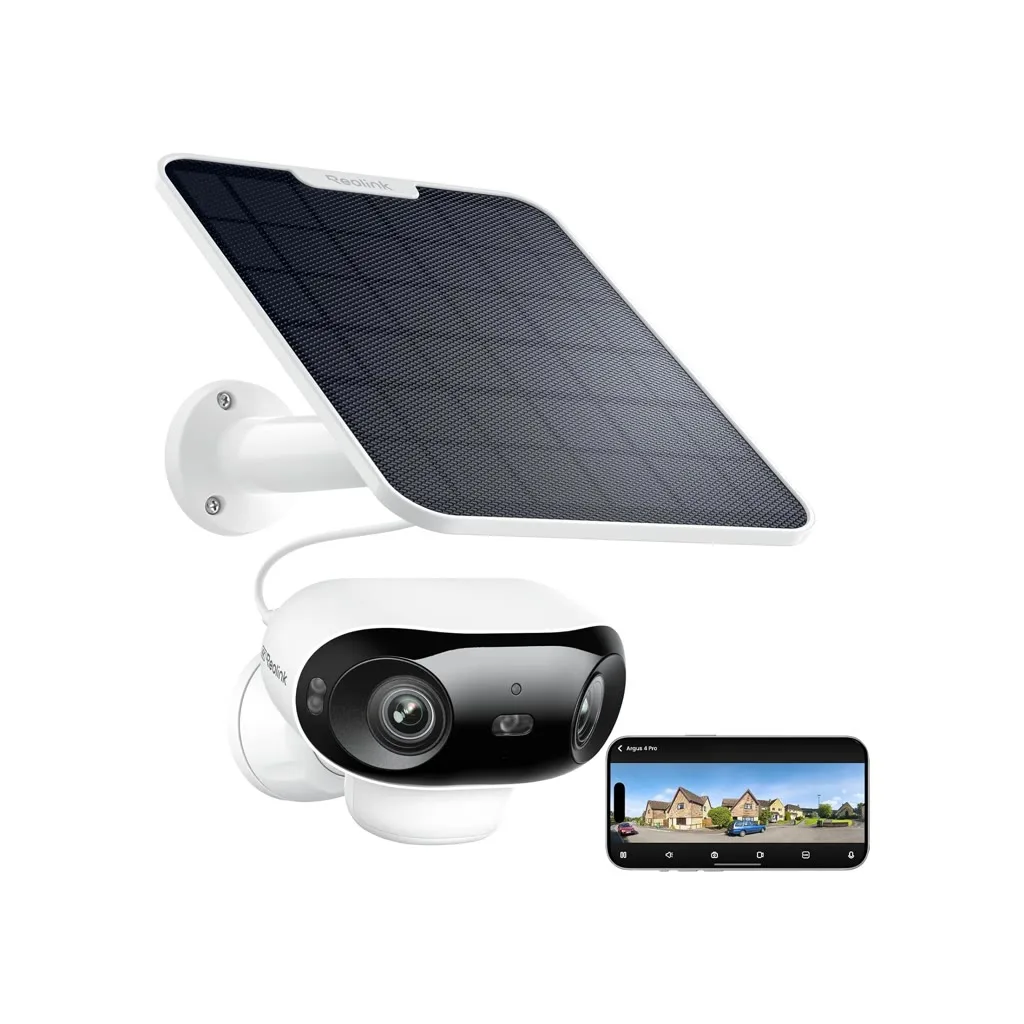
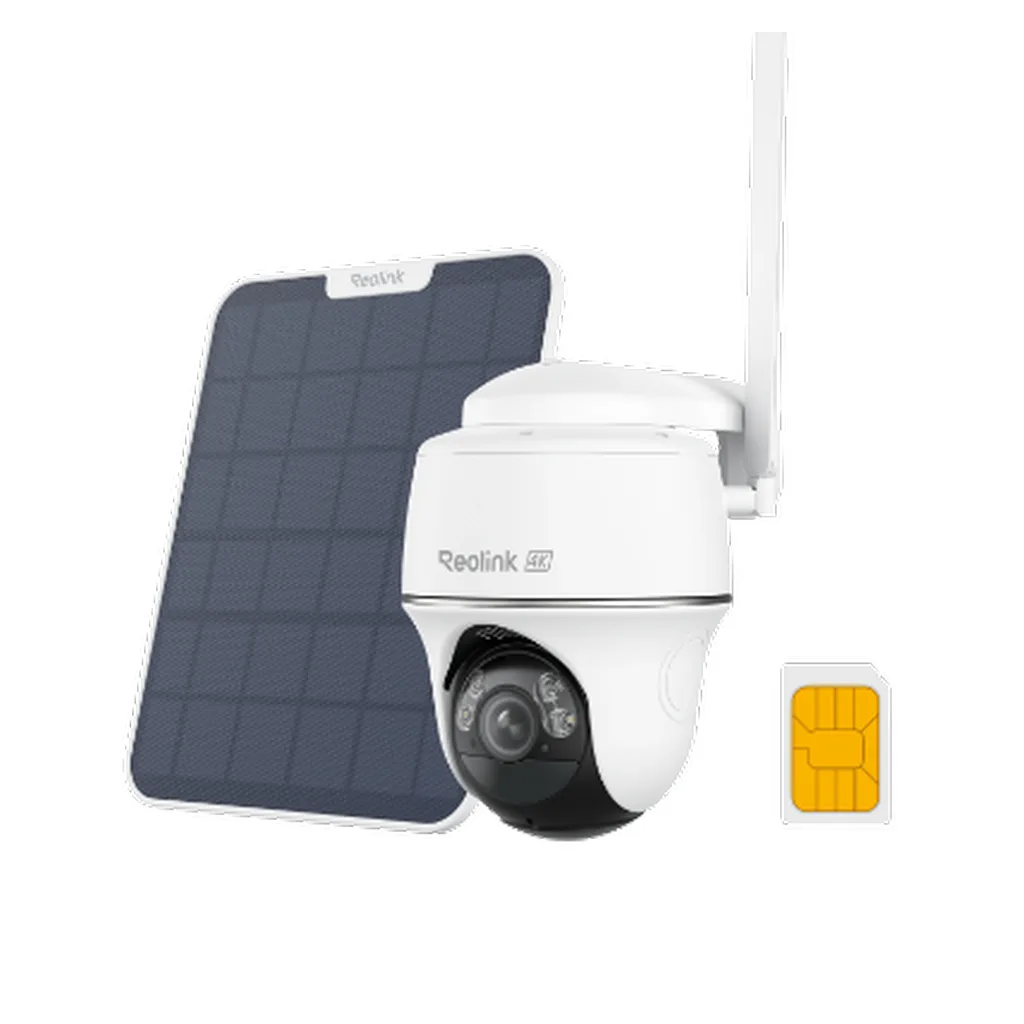
A villa gate at the end of a finished driveway is an expensive place to add power. The same equation applies to a construction compound that may be moved before the cable pays for itself. Solar 4K cameras already give Gulf integrators a retail alternative to trenching. Reolink publishes a battery camera with a bundled panel and panoramic coverage. An installer can show a property manager a recognizable product, quote the avoided civil work and ask which hours of recorded coverage the manager would actually buy. Reolink Argus 4 Pro
The useful demand measure into 2027 is the time between a paid site survey and signoff on the first month of service. Break it out by occupied villas, temporary assets and staffed commercial sites. A gate handling deliveries all evening places quite a different demand on a camera from a quiet garden. Ask for the site's summer ambient specification, recording policy and permitted maintenance interval before counting a lead. A consultant specifying operation above 50 °C is describing a materially different procurement class. A contractor can lose a year's expected margin on a handful of unplanned ladder visits during peak heat.