- Category
- Security & Access
- Signal type
- Extreme climate failures driving property managers toward thermal-hardened electronic locks
- Evidence
- Reviewed 2026-11-18 against public Scandinavian and Gulf lock distributor customer feedback, architectural hardware reviews, and installer warranty claims; defect shares reflect directional public negative-review sample clustering rather than private platform telemetry, and factory BOM costs and wholesale volume pricing were not independently verified.
- Window
- 2026 Q4 to 2027 Q4
Observed: Property management companies in Norway, Sweden, Finland, Saudi Arabia, and the United Arab Emirates are replacing consumer smart deadbolts with industrial-grade electronic locks rated from -25C to +60C in the USD 199 to USD 380 wholesale tier to prevent catastrophic lockouts of guests and tenants.
Inference: Directional hardware assessment rather than definitive contract volume: manufacturers that engineer synthetic low-temperature aerospace lubricants, primary lithium or LiFePO4 battery power trains, and automotive-grade optical and capacitive touch sensors capture multi-property hospitality and residential retrofit tenders.
Main risk: Alkaline battery voltage collapse below -15C, capacitive touch sensor drift under 50C direct desert solar radiation, and differential thermal expansion deadbolt binding.
Market Momentum & Price Band
Commercial real estate operators, multi-family housing developers, and vacation rental property managers operating in extreme geographical climates face unique physical hardware constraints. In the Nordic regions of Norway, Sweden, and Finland, winter ambient temperatures regularly plunge to minus 25 degrees Celsius (minus 13 degrees Fahrenheit). Conversely, across the Gulf Cooperation Council (GCC) markets of Saudi Arabia, the United Arab Emirates, Qatar, and Kuwait, blistering summer temperatures frequently exceed 50 degrees Celsius (122 degrees Fahrenheit), with direct solar absorption pushing metallic exterior door hardware past 75 degrees Celsius.
Standard consumer smart deadbolts engineered for mild temperate climates fail catastrophically in these environments. Sub-zero winters trigger sudden battery voltage collapse and frozen motor grease, while blistering desert heat causes capacitive touchscreen drift and deadbolt binding.
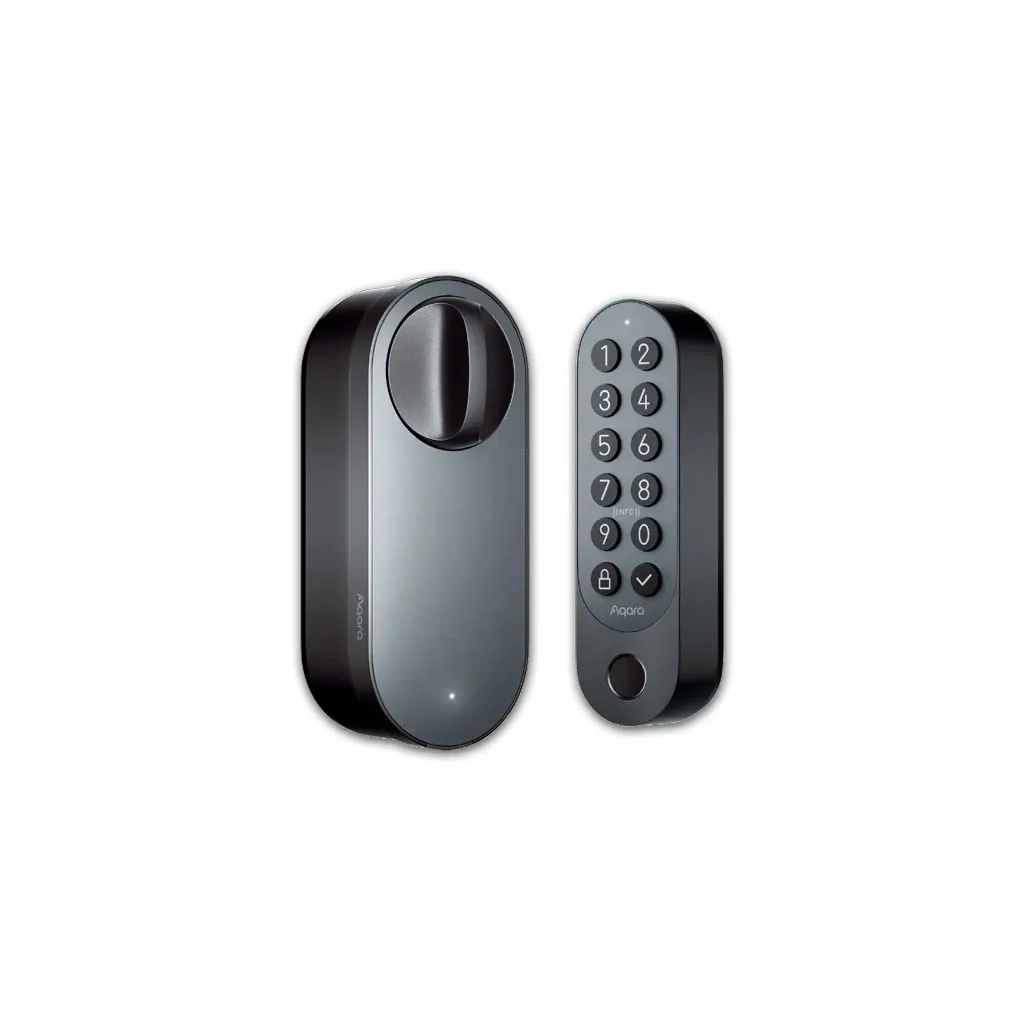
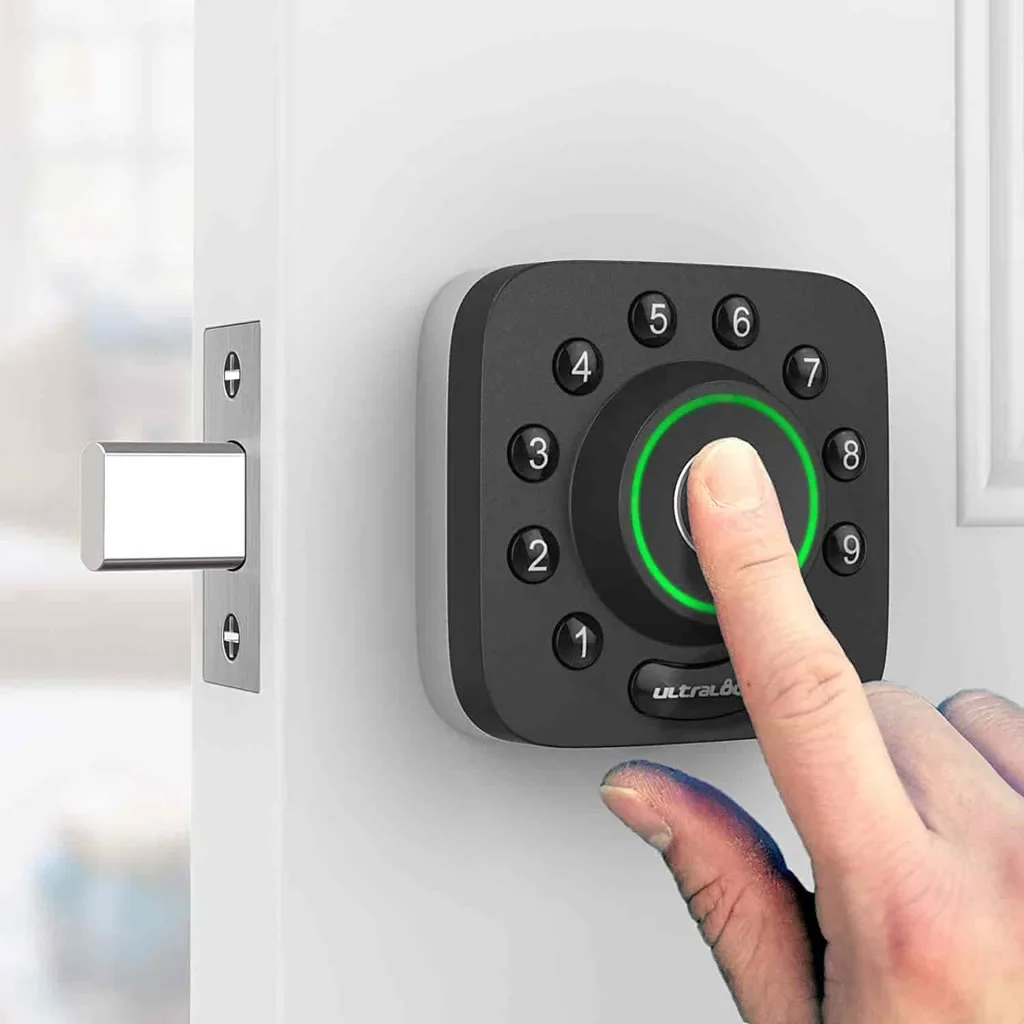
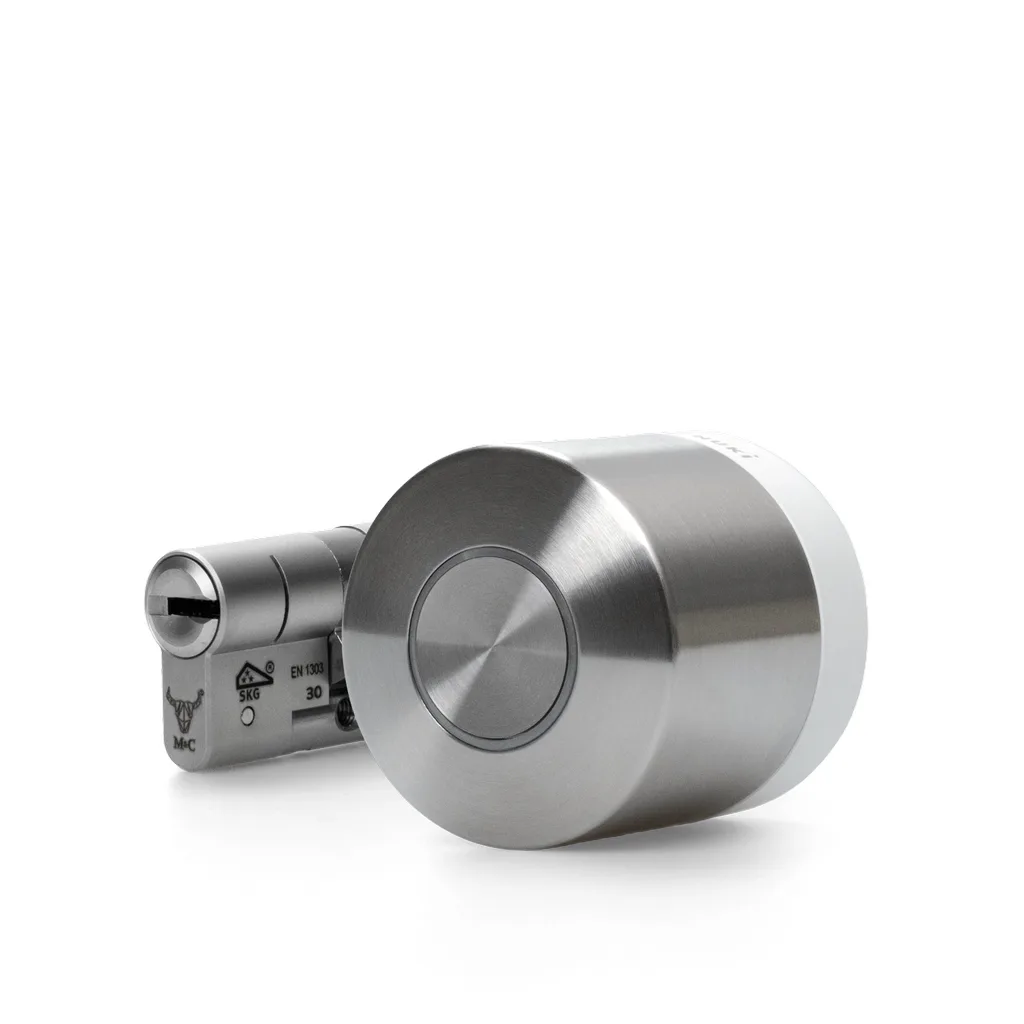
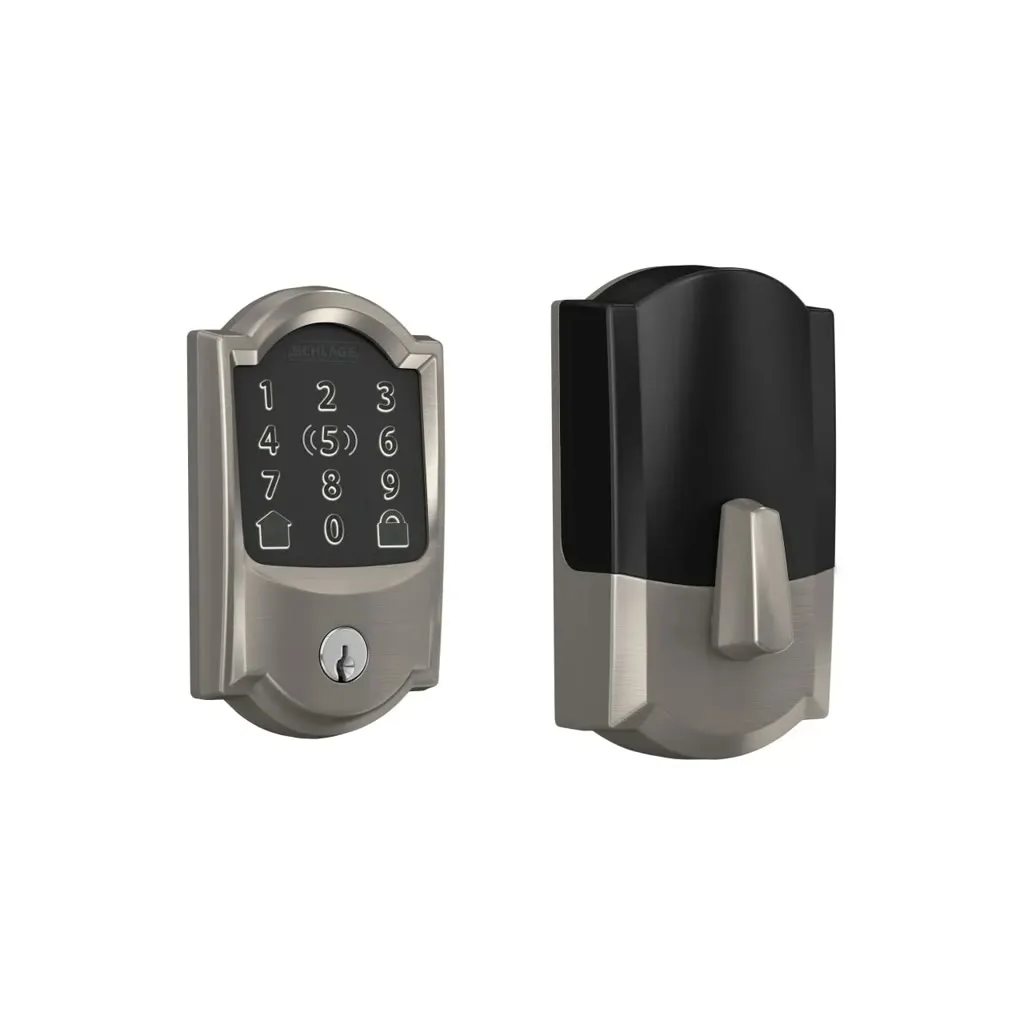
Architectural ironmongery wholesalers and commercial property management firms are actively transitioning toward thermal-hardened access control solutions. B2B wholesale pricing for extreme-climate smart locks spans the USD 199 to USD 380 corridor. Operators willingly pay a premium for verified hardware resilience that eliminates emergency locksmith callouts and guest lockout compensation claims.