- Category
- AI Devices
- Signal type
- Kickstarter breakout + wearable AI wave
- Evidence
- Reviewed 2026-11-11 against Halliday Proactive AI Glasses public Kickstarter campaign milestones, Looki L1 public launch specs, and North American smart-eyewear buyer feedback; waveguide optical defect rates and LLM cloud costs per active user were not independently verified.
- Window
- 2025 Q1 to 2026 Q4
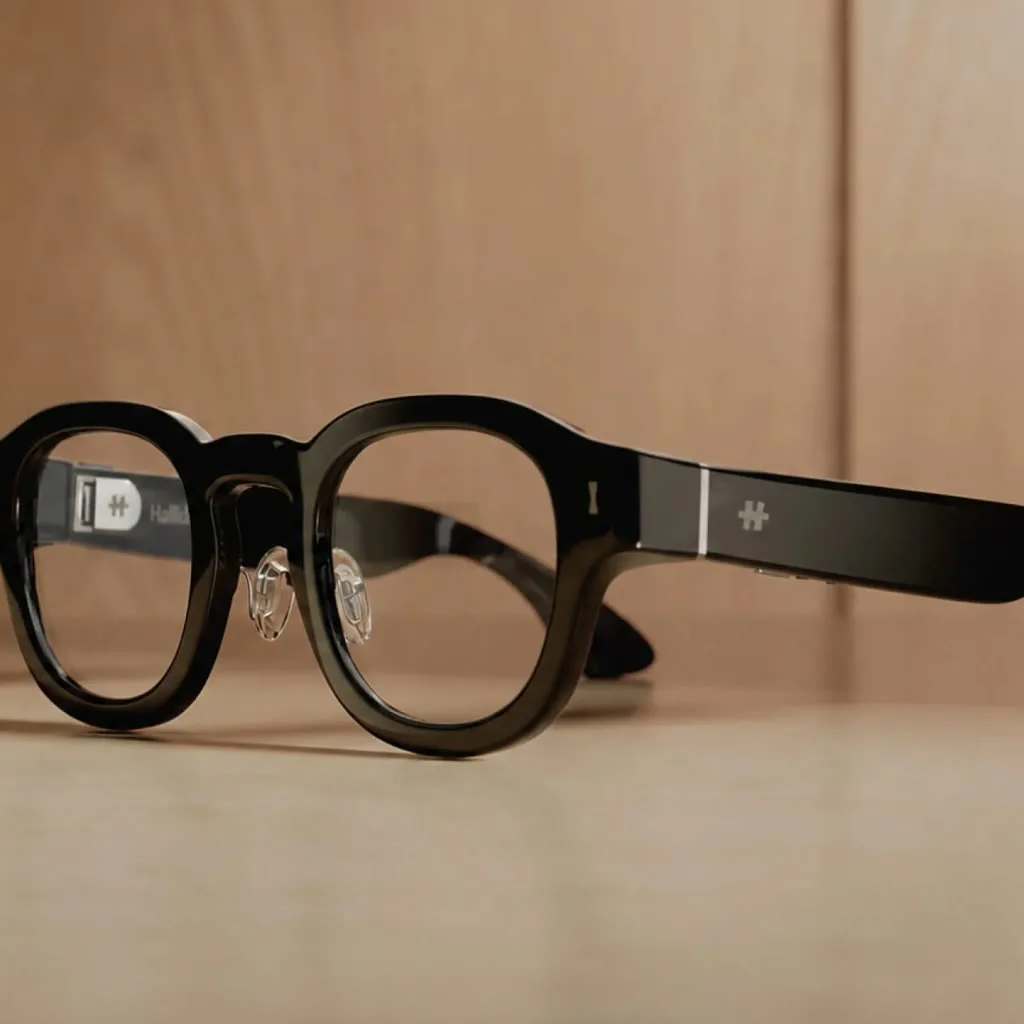
Observed: Sub-40-gram AI eyewear and wearable cameras surged on crowdfunding, highlighted by Halliday Proactive AI Glasses raising over USD 3.3 million across 8,000+ backers on Kickstarter alongside compact 32g ambient AI cameras in the USD 199 to USD 489 retail band.
Inference: Early editorial observation rather than mass-retail proof: audio-first AI translation/note glasses and clip-on wearable cameras are far safer for B2B distributors to pilot than optical-display frames until prescription insert logistics and waveguide yields mature.
Main risk: Prescription lens fulfillment bottlenecks, narrow near-eye display eye-box alignment, temple hinge flex-cable fatigue, and bystander privacy concerns.
Market Momentum & Price Band
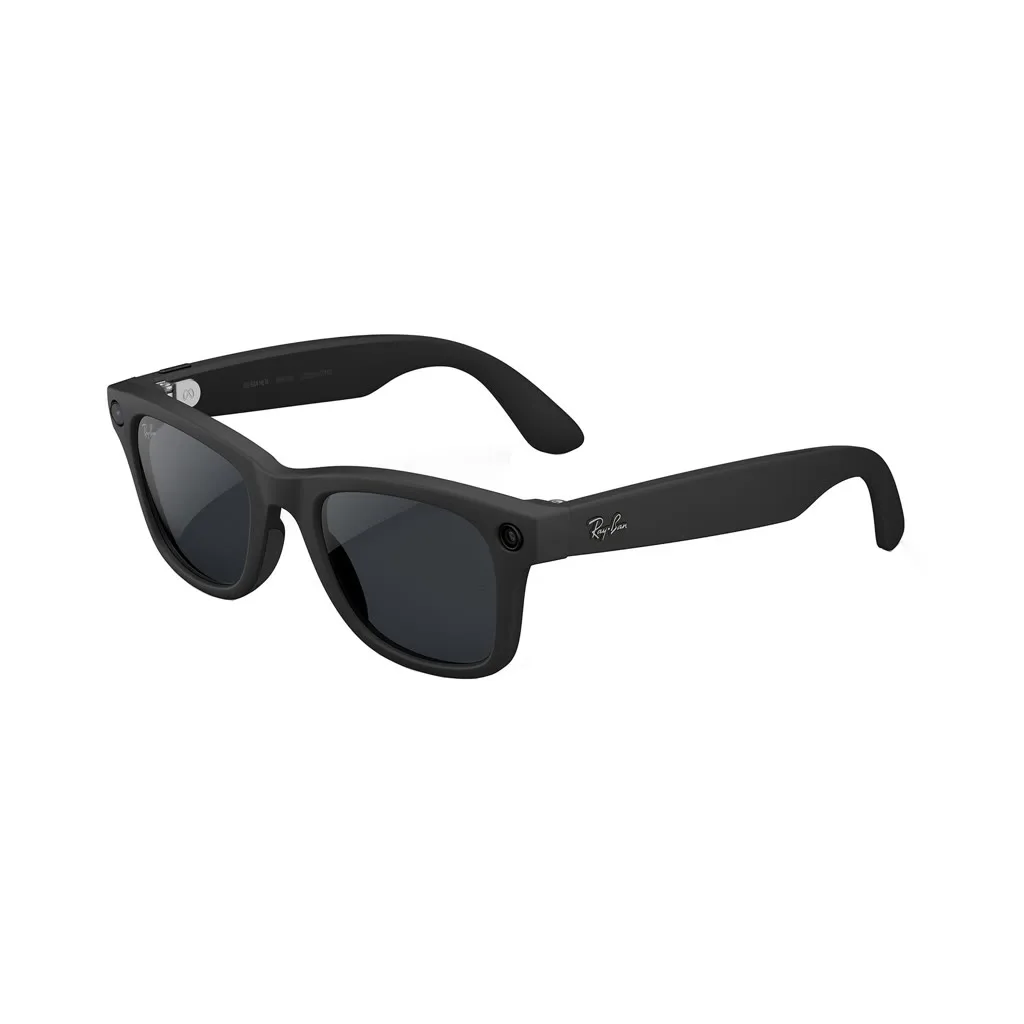
Mainstream smart eyewear split into two distinct hardware tiers across 2025 and 2026: camera-and-open-ear-audio frames popularized in mass retail, and ultra-lightweight heads-up display frames led on crowdfunding by Halliday Proactive AI Glasses, which raised over USD 3.3 million across 8,000+ backers on Kickstarter with a roughly 35-gram frame. In parallel, 32-gram magnetic/pendant ambient AI cameras such as Looki L1 opened a USD 199 to USD 489 retail band aimed at hands-free lifelogging, field inspections, and live translation.