- Category
- Smart Accessories
- Signal type
- Home automation community crowdfunding + custom integrator VOC
- Evidence
- Reviewed 2026-11-12 against public crowdfunding campaigns for in-wall smart home control screens, open-source Home Assistant community feedback, and smart lighting trade installer threads; defect shares reflect directional public negative-review sample clustering rather than private platform telemetry, and factory LCD panel supply pricing and SoC firmware support timelines were not independently verified.
- Window
- 2025 to 2027 Q2
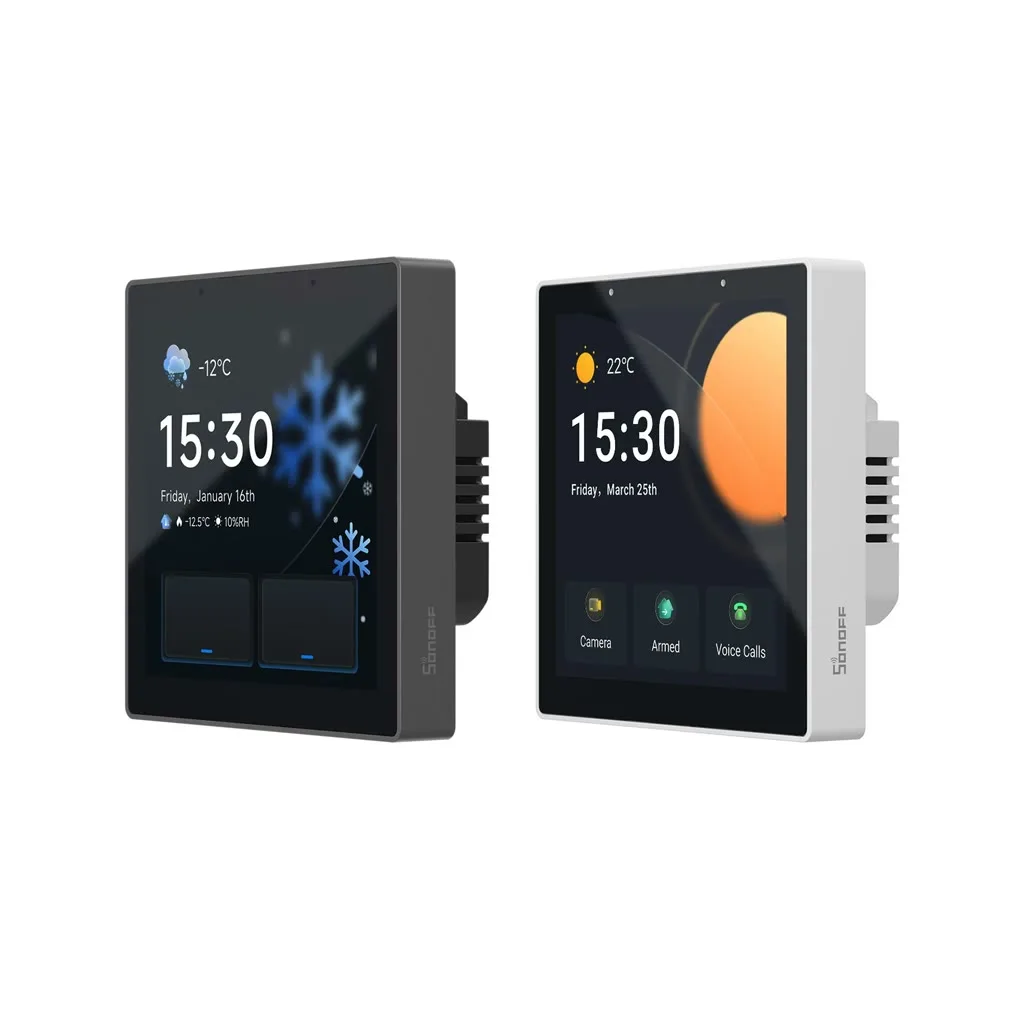
Observed: In-wall touch screen smart control panels designed to replace traditional light switches in North American 1-gang and 2-gang electrical boxes retail in the USD 99 to USD 189 retail range, gaining rapid market share through installer and smart home enthusiast channels.
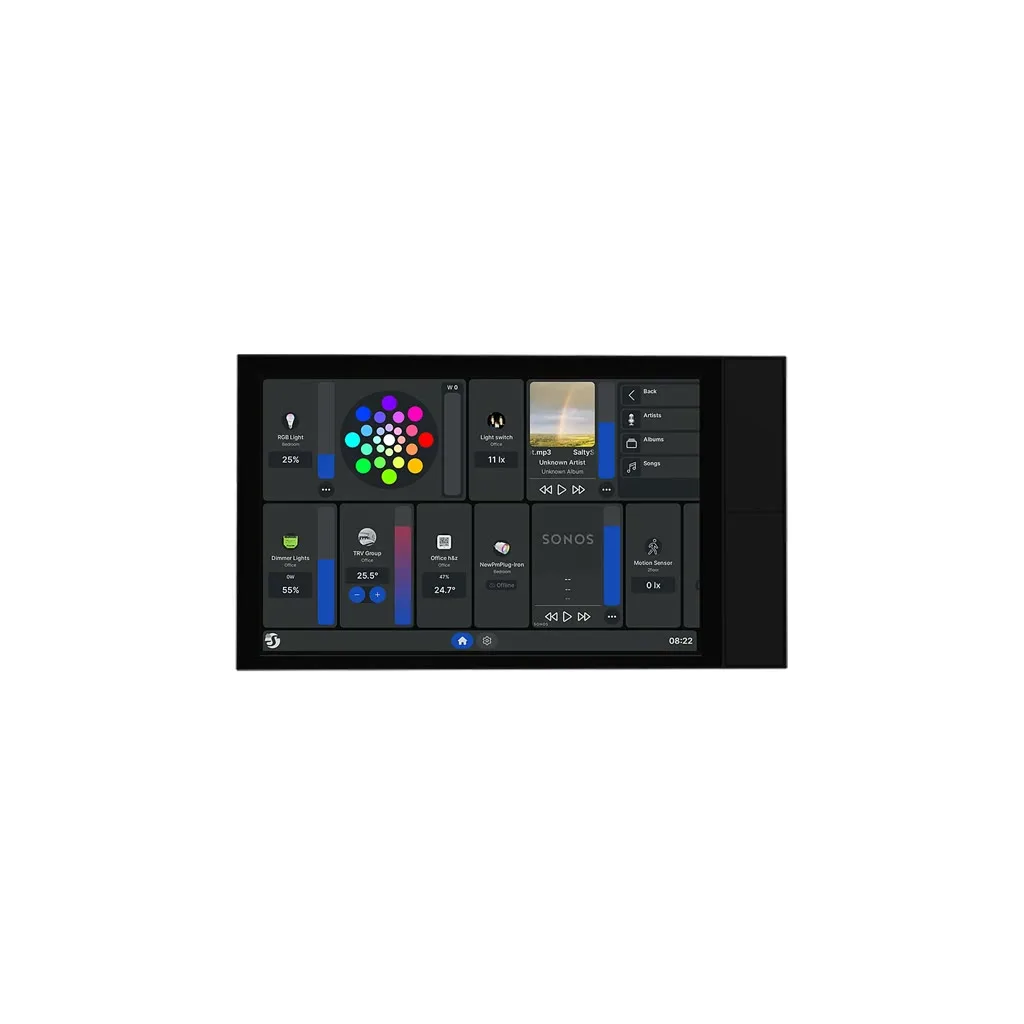
Inference: Early editorial observation rather than guaranteed repeat retail volume: homeowners and integrators are rejecting walled-garden single-ecosystem smart displays in favor of open, local-first in-wall panels running Linux or open Android that seamlessly integrate Matter, Zigbee, and local Home Assistant dashboards.
Main risk: High standby thermal output distorting surrounding drywall temperature readings, slow Android wake times frustrating quick lighting adjustments, and high-voltage electrical line interference inside gang boxes.
Market Momentum & Price Band
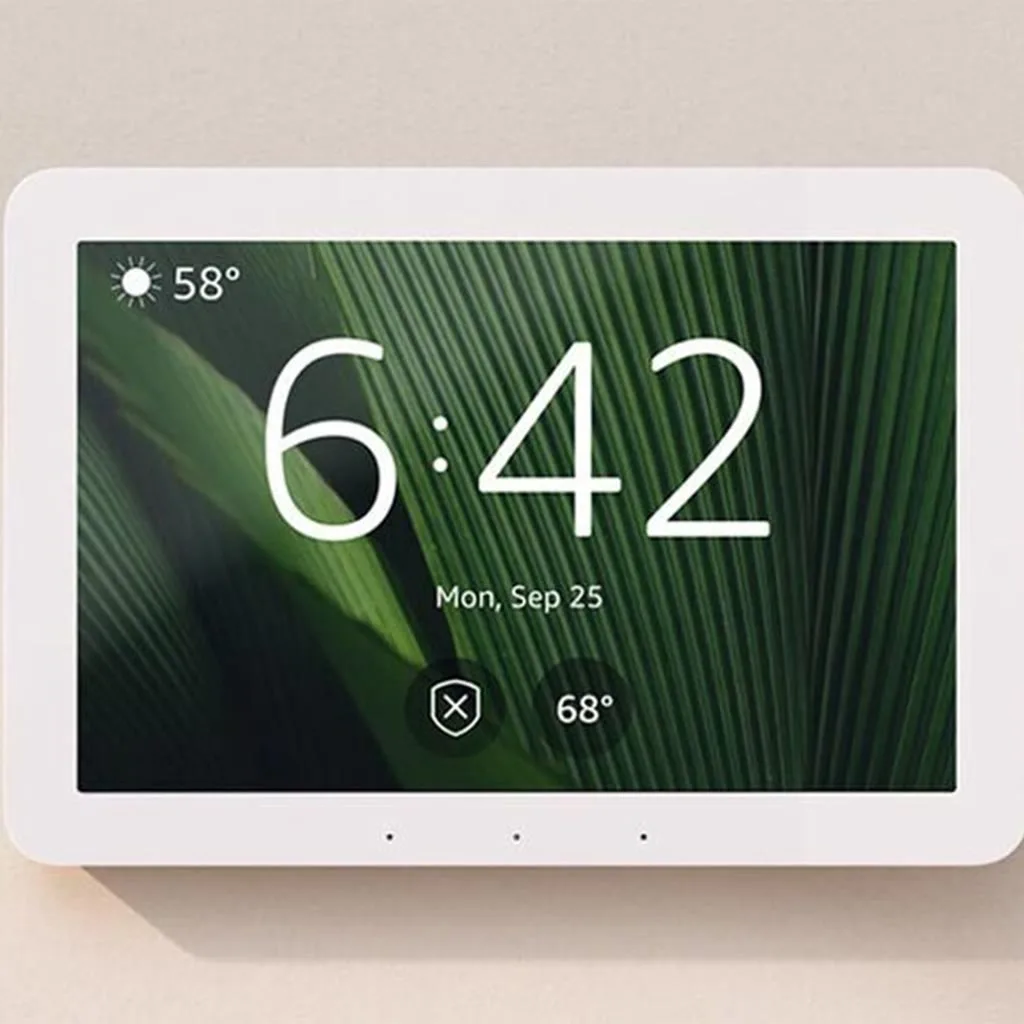
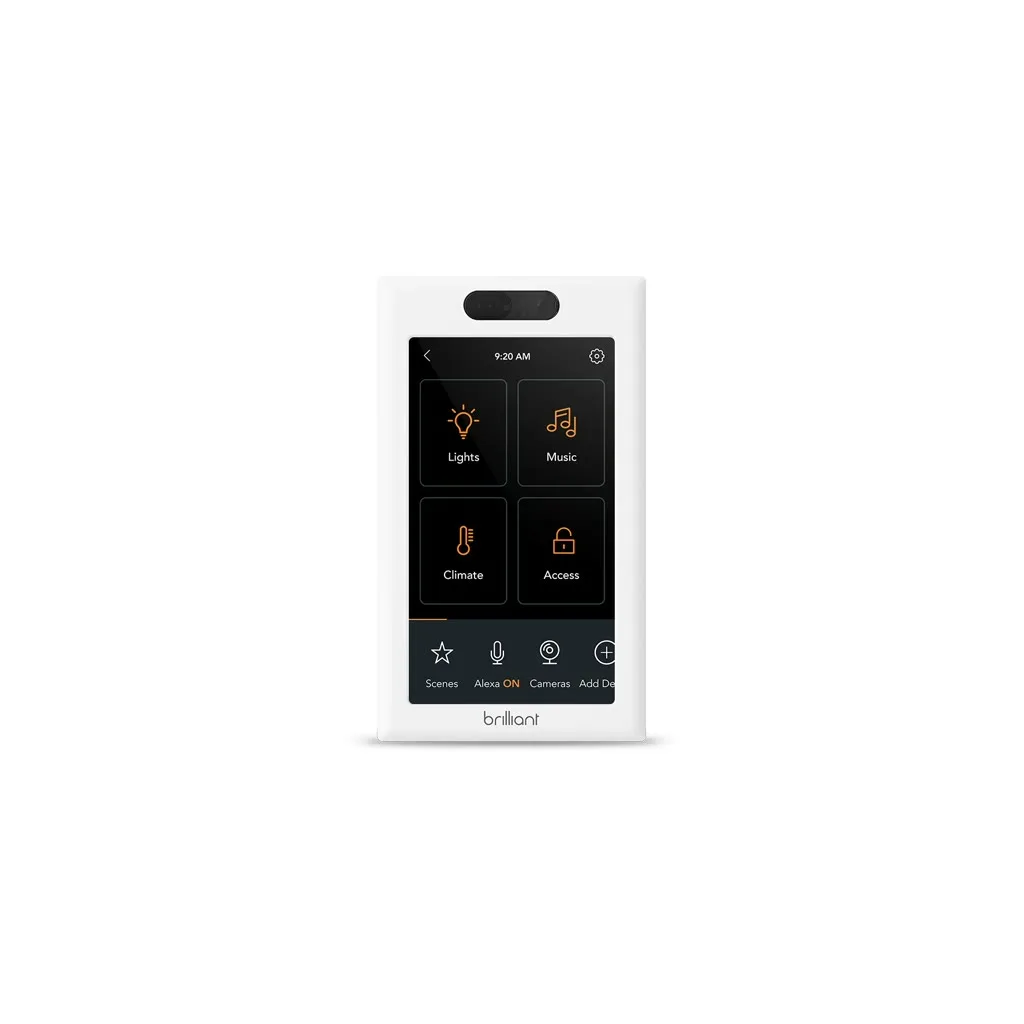
In-wall smart home control panels that fit into standard North American electrical gang boxes are replacing tabletop voice assistants and messy mobile app controls. Hardware units retail in the USD 99 to USD 189 retail corridor. These centralized displays feature multi-touch color touchscreens, integrated Zigbee and Matter radios, and physical relays, allowing residents and guests to control whole-room lighting, climate, shades, and audio without needing access to a smartphone or mobile app.
Avoid closed single-vendor firmware architectures that restrict users to proprietary app interfaces. Smart home power users and CEDIA professional integrators insist on panels capable of running local web dashboards or native Home Assistant companion apps.