- Category
- AI Devices
- Signal type
- Kickstarter pledge velocity + executive hardware review VOC
- Evidence
- Reviewed 2026-11-12 against public Kickstarter campaign records for multi-mic conferencing docks, Amazon buyer feedback on executive recording hubs, and public B2B enterprise IT procurement threads; defect shares reflect directional public negative-review sample clustering rather than private platform telemetry, and factory BOM costs and internal cloud retention SLAs were not independently verified.
- Window
- 2025 to 2027 Q2
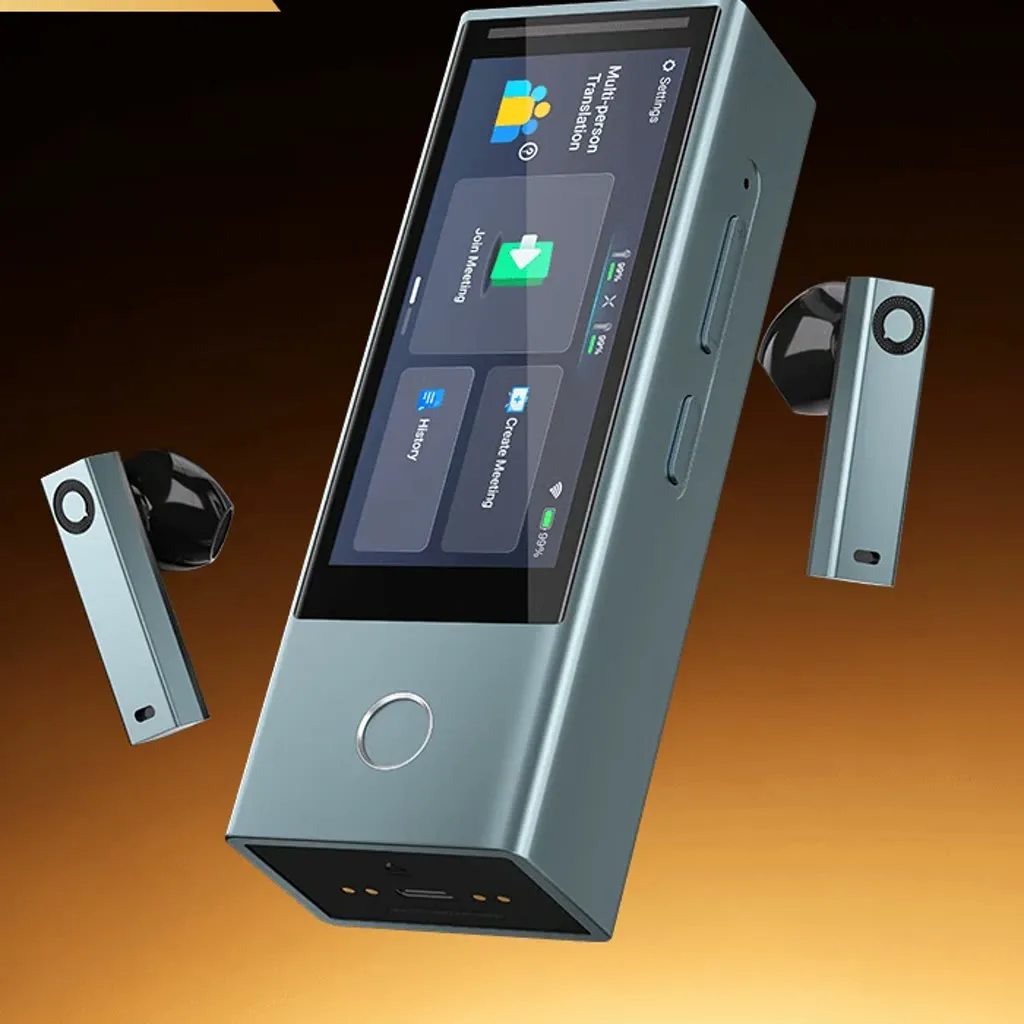
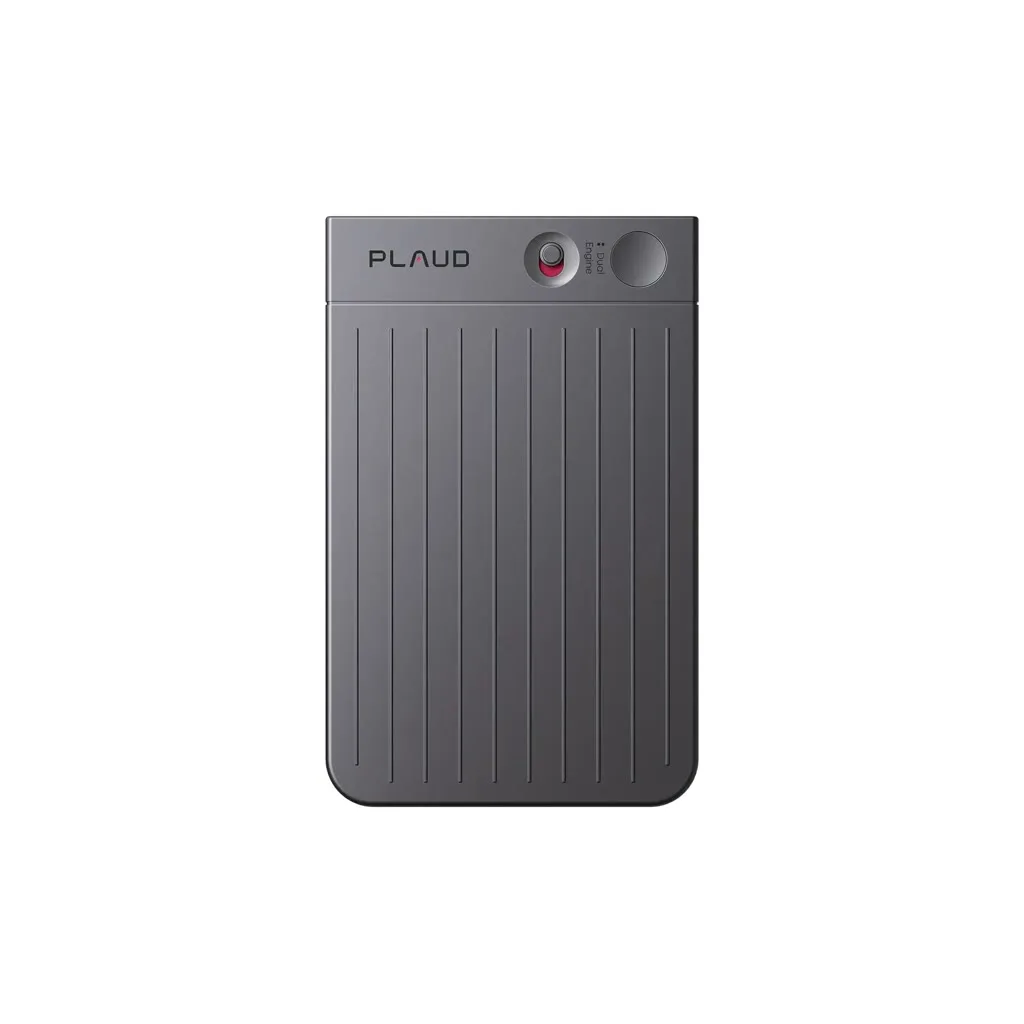
Observed: Desktop AI meeting hubs led by HiDock H1 documented USD 554,444 across 2,431 backers on Kickstarter, with category follow-ons like HiDock P1 surpassing over USD 1.29 million across 10,027 backers, validating commercial demand for stationary audio docks in the USD 149 to USD 249 retail range.
Inference: Early editorial observation rather than guaranteed repeat retail volume: corporate IT buyers increasingly reject recurring SaaS seat fees for automated transcription, creating a prime hardware opening for standalone hubs offering local NVMe or eMMC storage, physical mute switches, and offline speech-to-text export.
Main risk: USB-C host controller driver incompatibilities across Windows and macOS, acoustic echo during full-duplex conferencing, and enterprise data-loss prevention policies restricting unverified USB storage devices.
Market Momentum & Price Band
Corporate meeting spaces and remote executive desks are transitioning from passive speakerphones to intelligent conference stations equipped with dedicated onboard neural processing units. Public crowdfunding benchmarks show desktop AI audio hubs gaining rapid traction, with HiDock H1 raising USD 554,444 across 2,431 backers on Kickstarter and subsequent models like HiDock P1 securing over USD 1.29 million across 10,027 backers, confirming sustained willingness to pay for dedicated meeting hardware. Prevailing retail listings span USD 149 to USD 249 retail for multi-channel units with physical touchscreen controls and integrated USB-C docking hubs. Commercial buyers prioritize predictable one-off hardware procurement over recurring monthly software subscriptions that require ongoing departmental budget approvals.
Treat early crowdfunding traction as demand validation rather than mass retail distribution. Repeat enterprise deployments depend heavily on whether hardware integrates seamlessly with existing corporate laptops without triggering administrative driver security blocks or peripheral permission warnings.