- Category
- Security & Access
- Signal type
- Aging-in-place demographic demand + camera-ban privacy shift
- Evidence
- Reviewed 2026-11-16 against public aging-in-place assistive technology deployments in Japan and Australia, public marketplace VOC on wearable SOS pendants vs passive room sensors, and MIC TELEC / ACMA RCM regulatory schedules; defect shares reflect directional public negative-review sample clustering rather than private platform telemetry, and clinical fall-sensitivity claims were not independently verified.
- Window
- 2026 Q4 to 2027 Q4
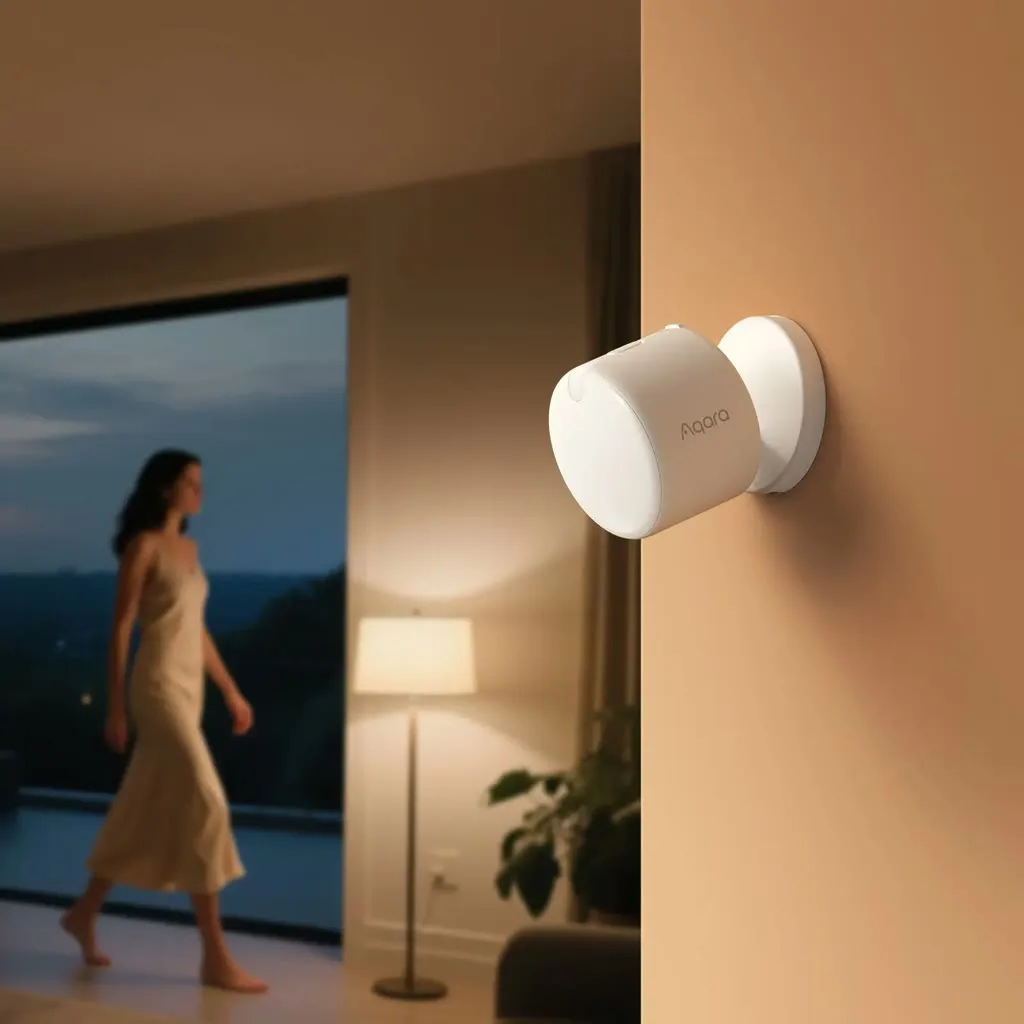
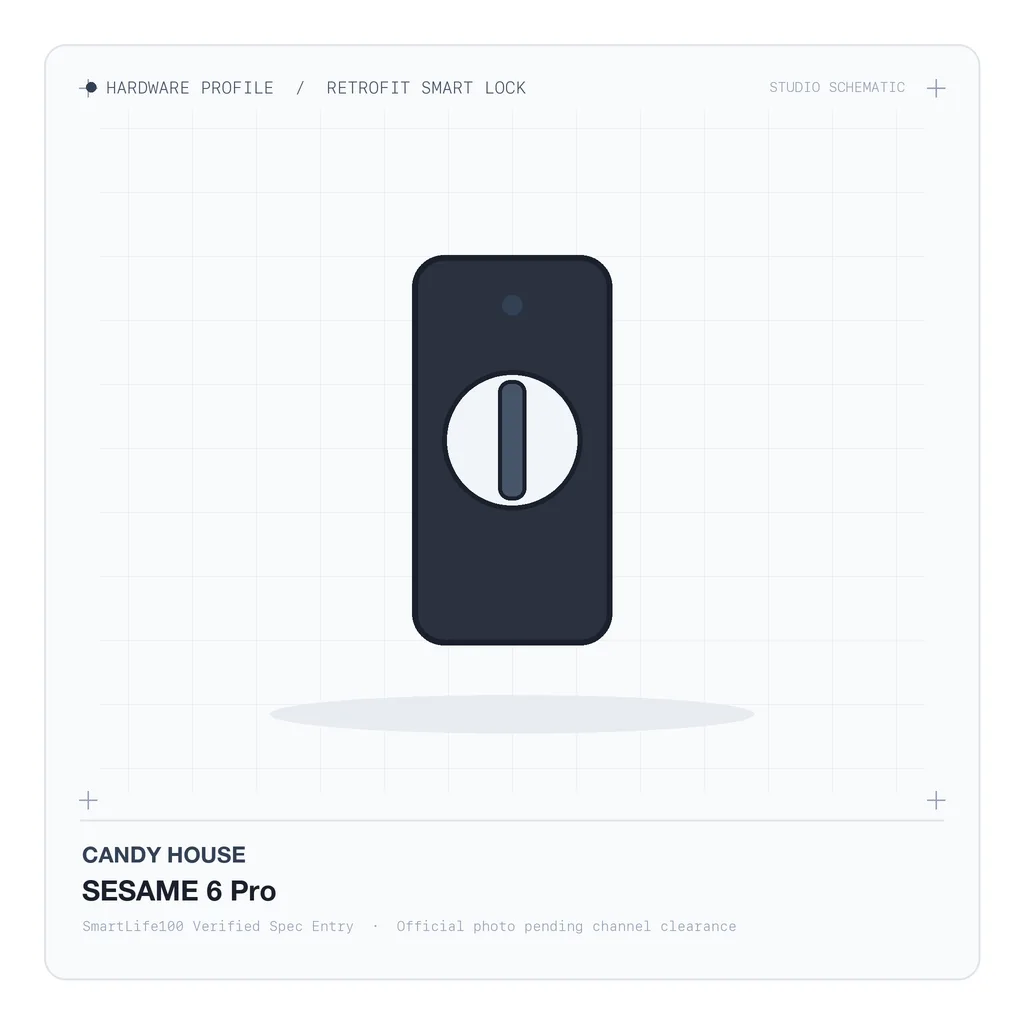
Observed: Camera-free 60GHz millimeter-wave presence/fall sensors, smart monitoring lamps, and retrofit thumb-turn locks sell across Japanese and Australian assistive-living and smart-home channels in the USD 89 to USD 299 retail band (commercial care-room lamps reaching higher contract tiers).
Inference: Early editorial observation rather than guaranteed repeat retail volume: seniors routinely refuse bathroom/bedroom cameras and forget to charge wearable SOS pendants, creating strong B2B pull for zero-camera ceiling/wall 60GHz radar paired with plug-in Type A (100V PSE) or Type I (230V RCM) power supplies that require no licensed electrician.
Main risk: False fall alarms from pets or floor futon sleeping postures in Japanese homes, 60GHz ARIB/TELEC RF certification complexity, and unlicensed 230V fixed-wiring restrictions in Australia.
Market Momentum & Price Band
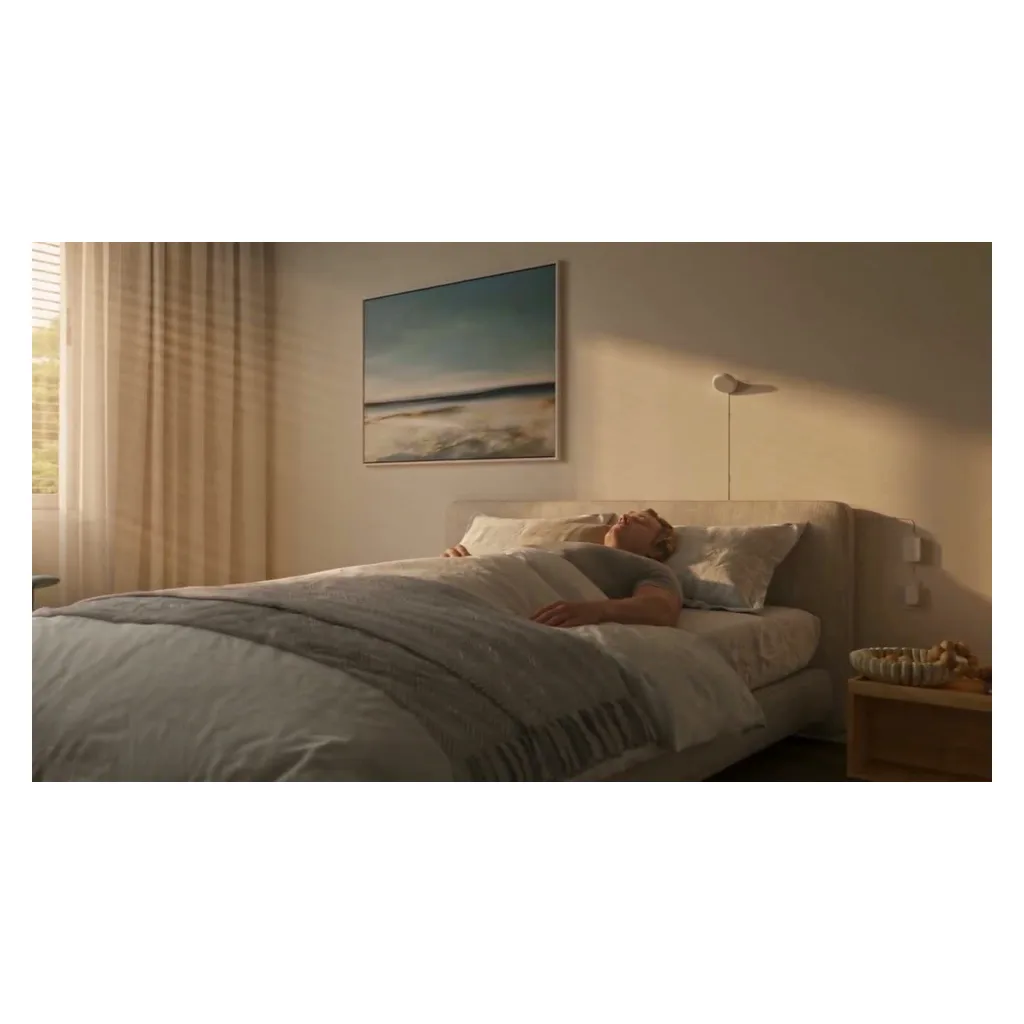
Japan and Australia represent two of the world's most mature aging-in-place markets, where adult caregivers, retirement-village operators, and municipal home-care agencies urgently seek passive safety monitoring without violating senior dignity. Traditional optical bedroom cameras face near-total rejection by elderly residents, while lanyard SOS buttons sit uncharged on nightstands during night bathroom falls. Camera-free 60GHz millimeter-wave radar sensors and smart bedroom lamps bridge that gap across the USD 89 to USD 299 retail corridor for residential plug-in kits, delivering continuous posture, bathroom dwell-time, and stillness alerts with zero optical lens and zero monthly SaaS fee.
Avoid pitching consumer radar sensors as regulated medical diagnostic devices unless backed by PMDA (Japan) or TGA (Australia) clinical filings; position commercial assortments clearly as caregiver wellness and home-automation occupancy alerts.