- Category
- Security & Access
- Signal type
- Subscription-fatigue bundle shift
- Evidence
- Reviewed 2026-11-11 against public US home-care retail and Amazon caregiver call-button assortments, buyer review failure modes, and FDA/FTC emergency-device marketing boundaries; hospital/assisted-living UL 1069 nurse-call compliance does not apply to consumer Wi-Fi chimes.
- Window
- 2025 Q2 to 2026 Q4
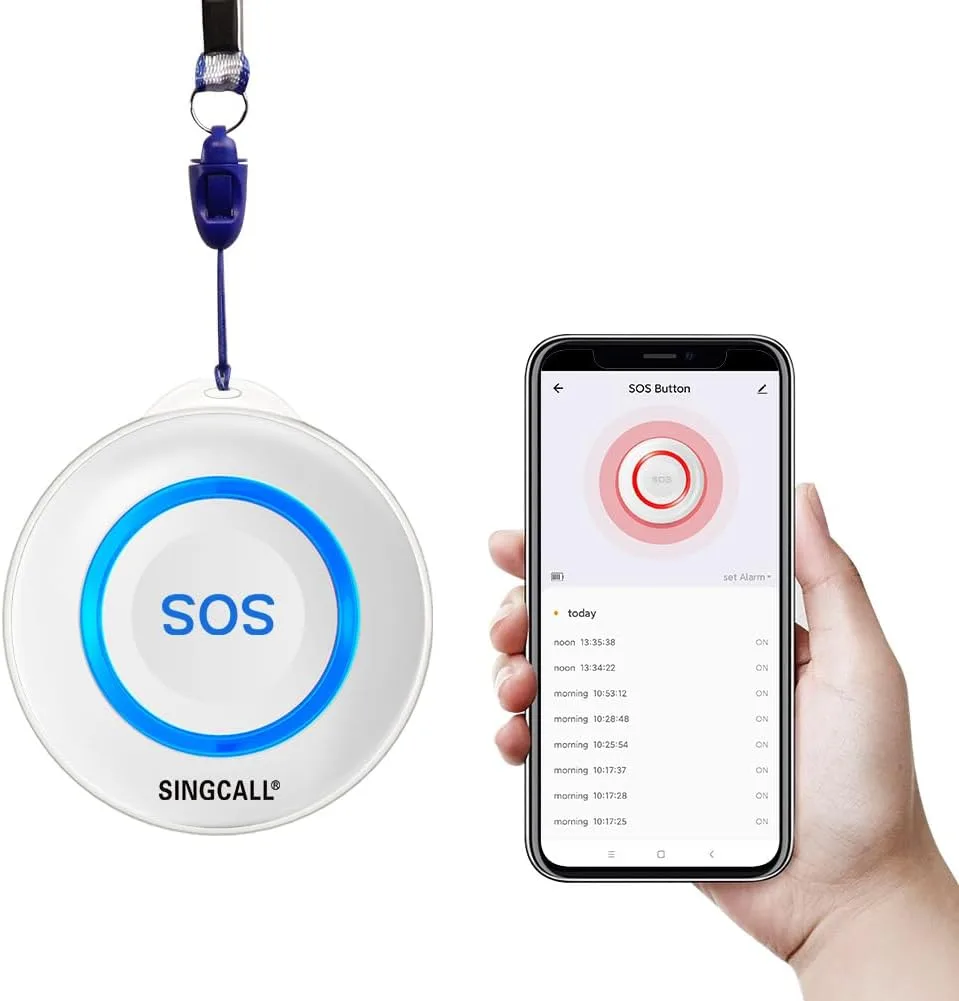
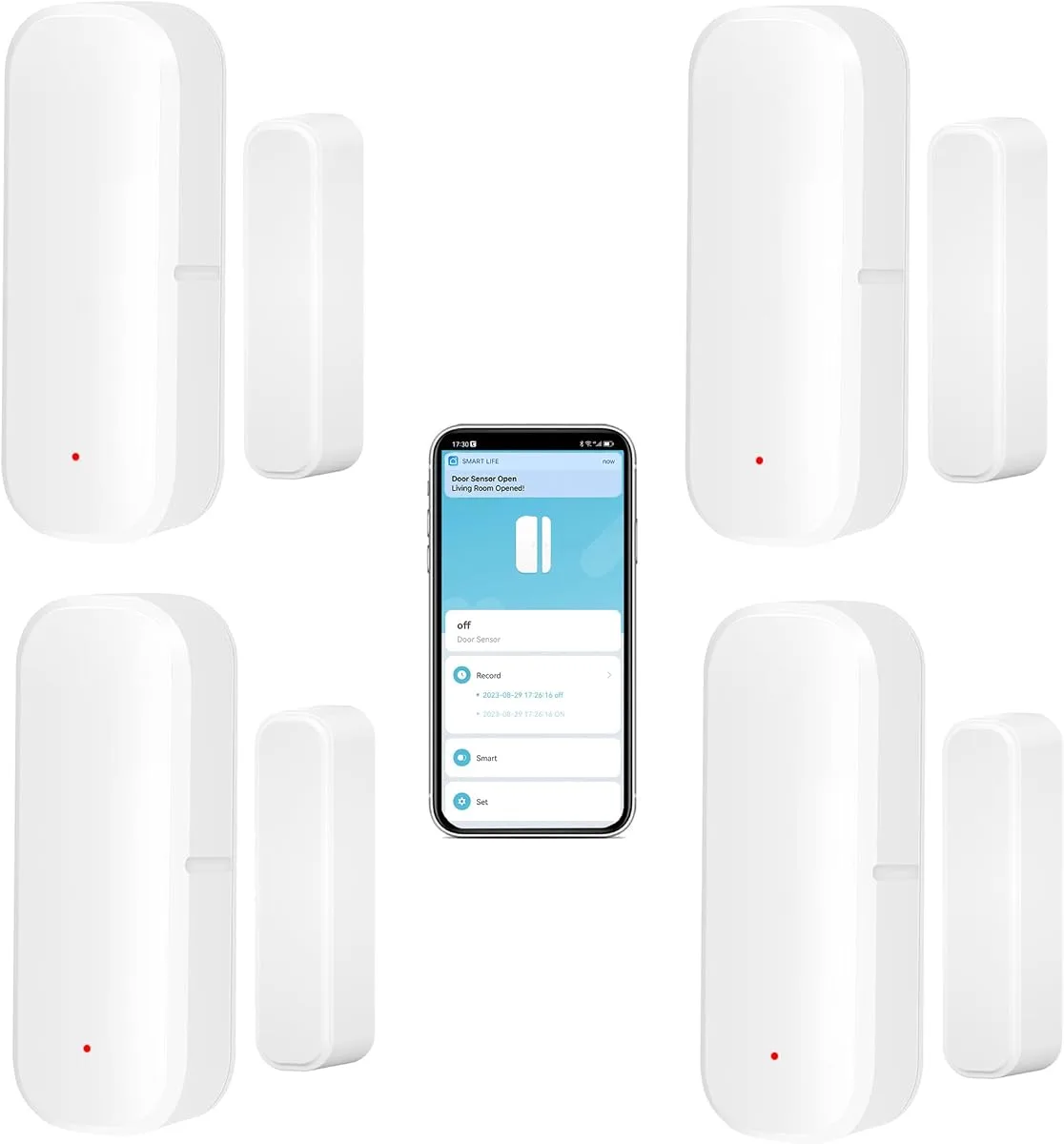
Observed: Households caring for aging relatives at home increasingly purchase USD 25 to USD 59 retail subscription-free call-button and door-exit chime kits to avoid USD 35 to USD 50 monthly monitored medical-alert contracts for routine room-to-room assistance.
Inference: Early editorial observation with strict compliance guardrails: distributors should never sell standalone cloud-only Wi-Fi buttons for urgent care; pairing local 433 MHz / Sub-GHz plug-in wall chimes with optional smartphone app push notifications delivers instant audible reliability while keeping marketing strictly in the supplemental caregiver-convenience lane.
Main risk: Battery Wi-Fi deep-sleep wake latency, smartphone Do-Not-Disturb alert suppression, router outage failure, and severe legal liability if marketed as a life-safety 911 medical alert.
Market Momentum & Price Band
Millions of multi-generational households in the United States, Canada, and Latin America need a simple way for a recovering surgery patient or aging parent in a bedroom to page a family member in the kitchen or home office — or alert a caregiver if a dementia-prone relative opens an exterior door at night. Traditional cellular medical-alert pendants charge USD 35 to USD 50 per month and summon emergency dispatchers when the family simply needed an indoor room-to-room page. That gap fuels steady demand in the USD 25 to USD 59 kit retail band across pharmacy, mobility-aid, and online home-care channels.