- Category
- Security & Access
- Signal type
- Major brand launch + FCC gate
- Evidence
- Reviewed 2026-11-11 against Amazon's official Ring Drone Cam and Ring Rover Cam announcement and public WIRED/CNBC/Engadget reporting; real-world indoor obstacle-avoidance failure rates and pending FCC authorization timelines were not independently verified.
- Window
- 2026 Q4 to 2027 Q2
Observed: Amazon's Ring unveiled the USD 249.99 indoor flying Drone Cam (2K 148-degree camera docked on a charger, cloud AI Pilot navigation, target US shipment 2027-01-27 pending FCC authorization) alongside the USD 999.99 wheeled Rover Cam for commercial offices and warehouses shipping December 2026.
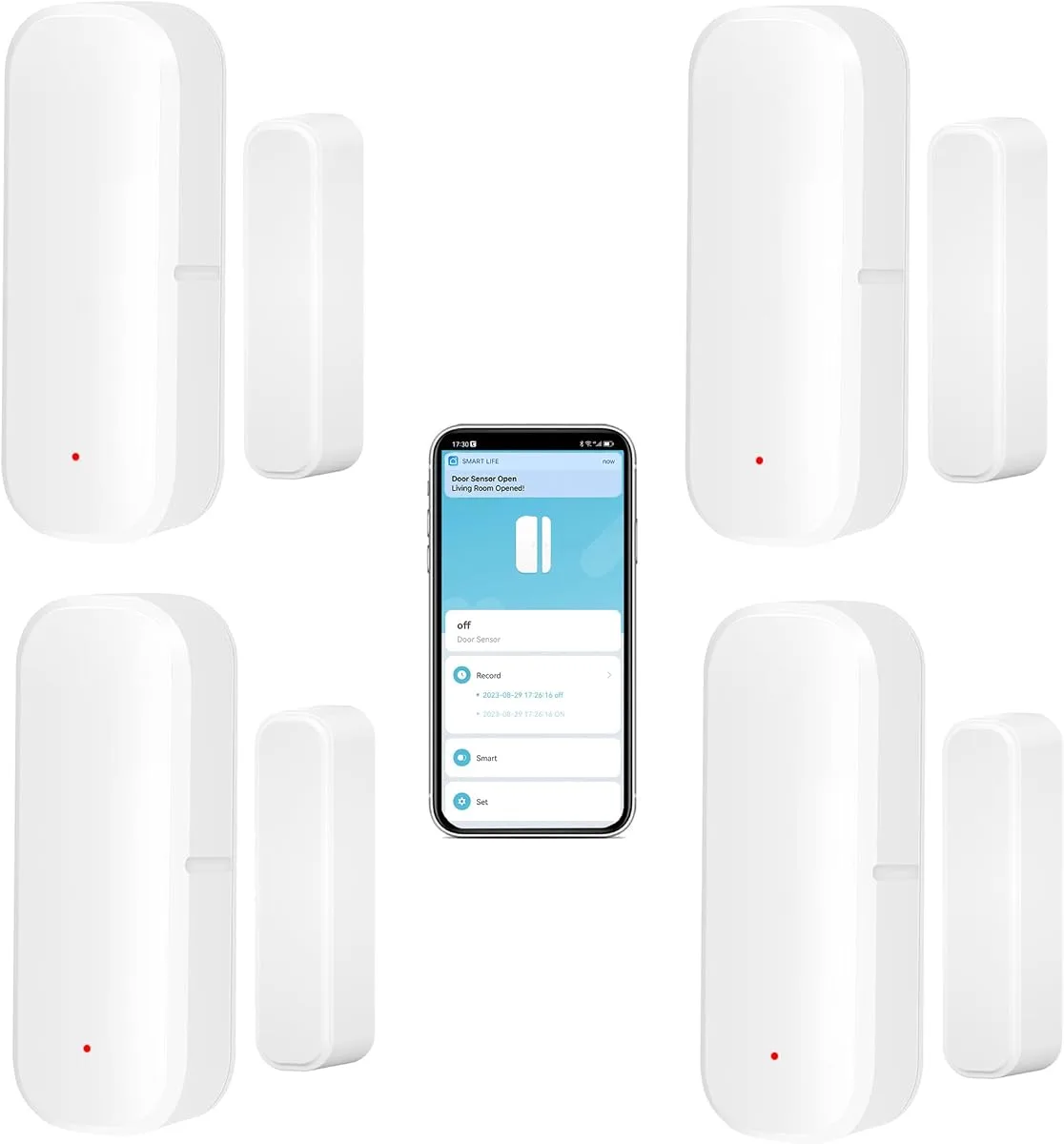
Inference: Early editorial observation rather than white-label drone endorsement: generic importers should NOT chase high-liability indoor flying cameras; the actionable B2B pull-through lies in pairing contact/entry trigger sensors with multi-angle motorized PTZ cameras and commercial night-patrol kits for small warehouses, clinics, and dealerships.
Main risk: Pending FCC approval delaying residential flying-cam shipment, high indoor rotor noise and pet/curtain collisions, cloud-only flight dependence, and privacy backlash.
Market Momentum & Price Band
Six years after previewing an early indoor flying camera concept that never reached mass retail, Amazon's Ring formally launched Ring Robotics on 2026-11-10 with two priced tiers: the USD 249.99 Drone Cam (an indoor ducted-propeller flying camera triggered by door/window sensors to inspect rooms and upper floors in 2K video) and the USD 999.99 Rover Cam (a 4K wheeled patrol robot with built-in siren aimed at offices, storefronts, and warehouses, adapted from the discontinued USD 2,350 Astro for Business platform).
High-visibility launches with >1.1 million combined day-one social views immediately educate commercial property managers on 'event-triggered mobile verification'—while simultaneously exposing why flying indoor hardware is perilous for smaller hardware brands.