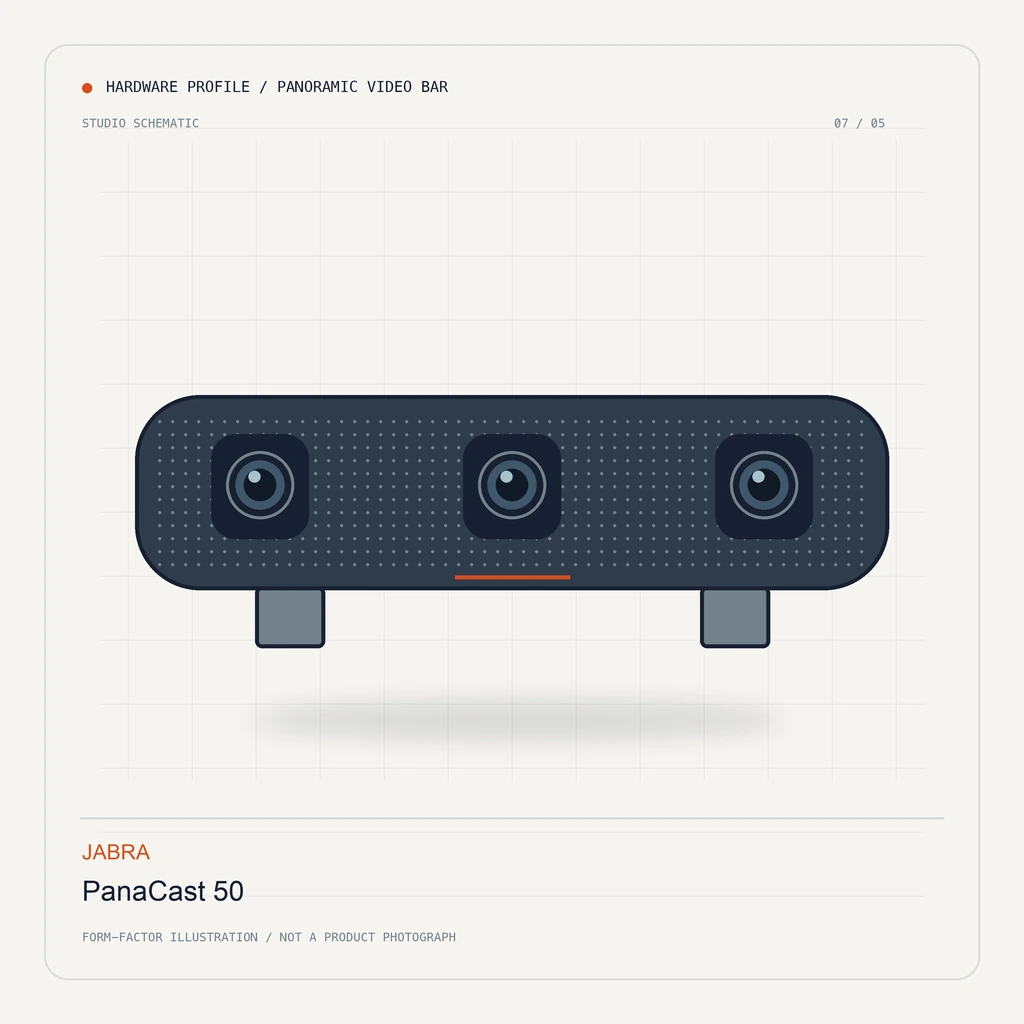
Commercial intelligent video bar engineered with a three-camera array delivering panoramic 180-degree field-of-view in 4K resolution, real-time edge video stitching, 8 beamforming microphones, 4 stereo vibration-isolated speakers, and continuous anonymous room capacity monitoring.
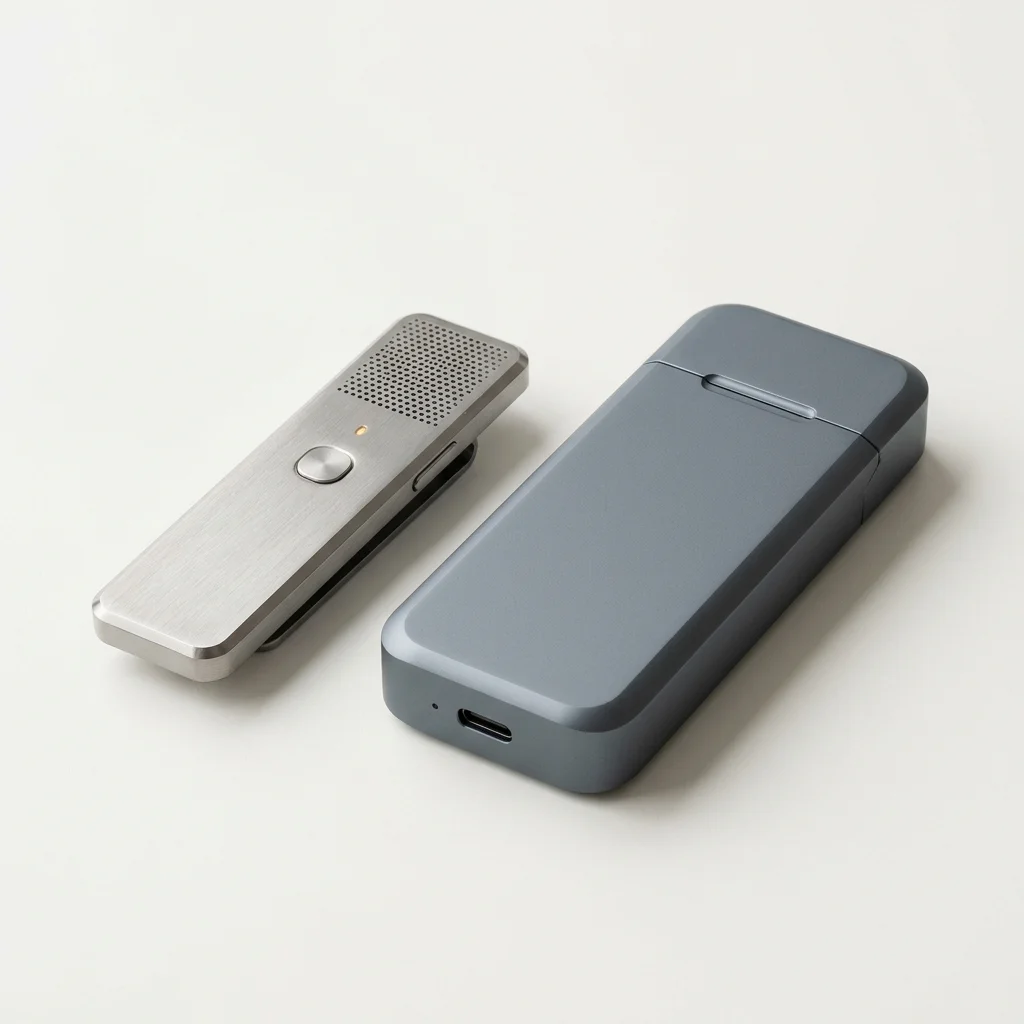
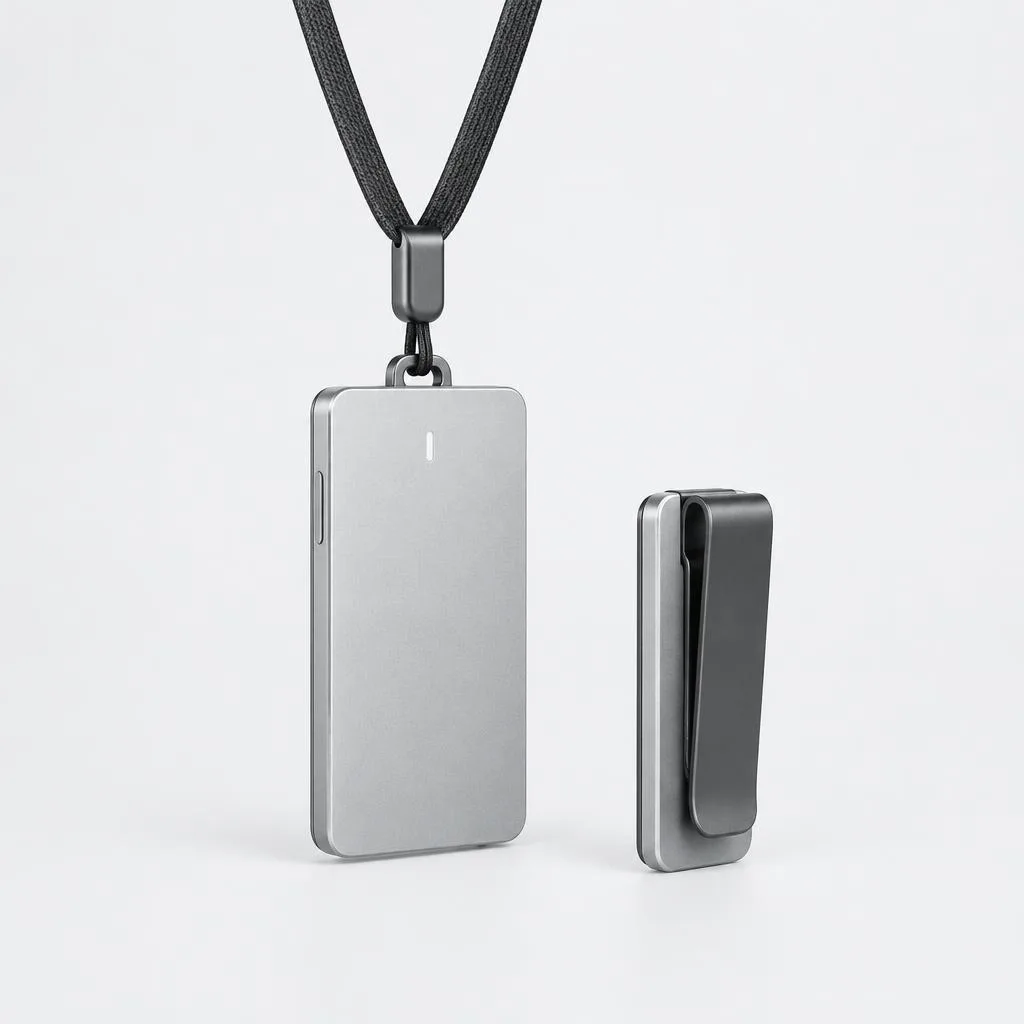
A magnetic clip carries a wearable microphone that captures conversations for a searchable meeting history. Limitless ended new Pendant sales in December 2025 and describes service for existing customers in supported markets through 2026.
The P1 sits between a USB-C host and Bluetooth earphones to record both sides of a call. Its room mode uses the built-in microphones to record in person without a laptop.
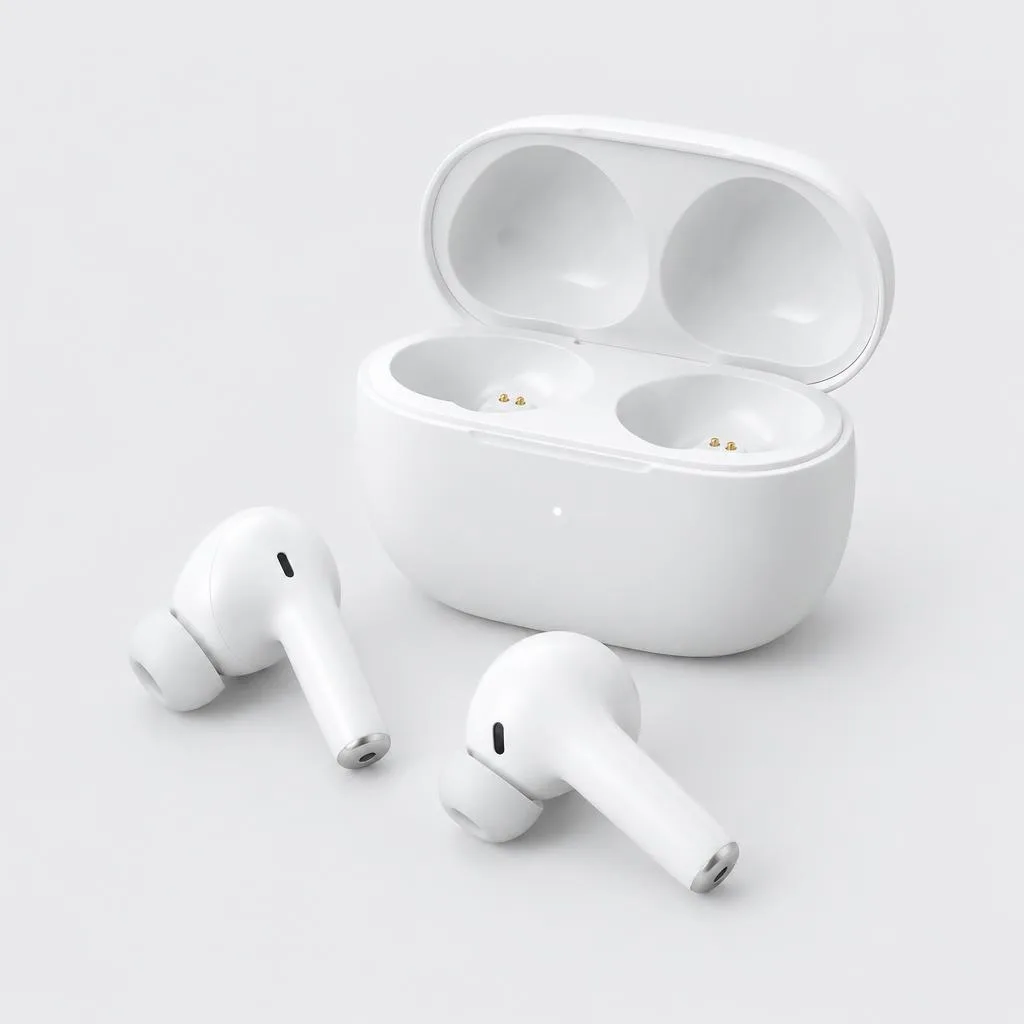
RecDot captures calls and in-person conversations from the earbuds. The charging case has a recording button, so an interviewer can start a session before opening the phone app.
The S600 uses an enrolled voiceprint and a local processor to foreground one speaker during calls. A physical voiceprint button switches pickup mode when another person needs the floor.
A card-format recorder automatically switches between phone-call and in-person pickup. The display shows recording status and the wearer can mark a moment for later review in Plaud.
The Link 2 uses a two-axis gimbal to follow a presenter and can send 4K video at 30 frames per second to a conference computer. The gimbal distinguishes this model from the fixed Link 2C.
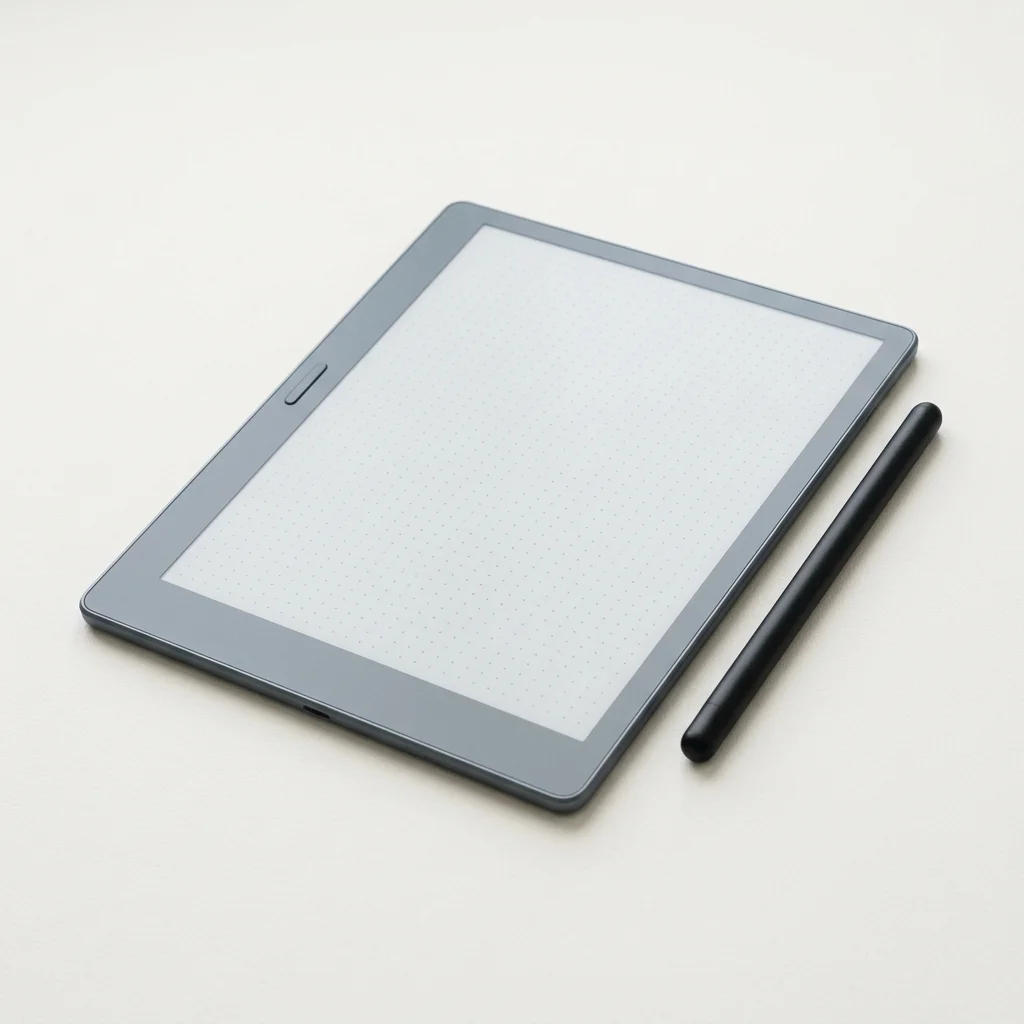
The 8.2-inch monochrome E Ink tablet pairs pen notes with meeting audio. A reviewer can revisit the recording from the corresponding point in their handwritten notes.
A 10.3-inch Kaleido 3 display combines color PDF annotation, pen notes and Smart Scribe tools. Android 13 lets a team install its document apps on the same tablet.
The Paper Pro gives reviewers an 11.8-inch color Canvas display for handwritten notes and document markup. Handwriting conversion turns selected notes into editable text.
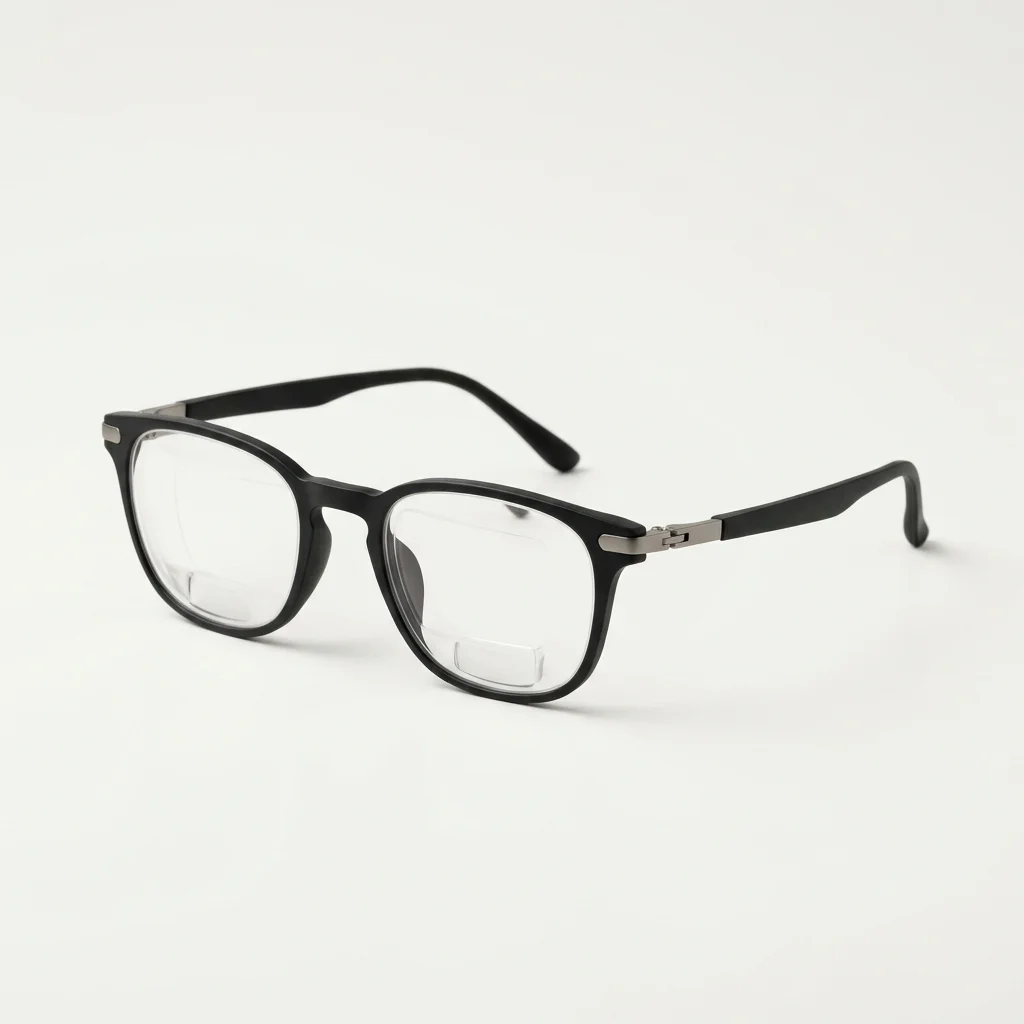
Binocular full-color MicroLED waveguides put translations and prompts in the wearer's line of sight. A forward camera lets the wearer ask Gemini about a visible object.
The AirGo Vision camera front captures a still photo for a spoken question in the Solos app. The modular frame lets a user change the front while keeping compatible temples.
A lightweight waveguide display puts short prompts from a paired mobile device in a worker's line of sight. The Ultralite SDK lets a team build the phone-side workflow.
Frame exposes a camera, microphone and near-eye display to Lua programs. A Bluetooth host can request an image, run a vision model and return a short result to the display.
The X1 chip stabilizes a host display in three degrees of freedom. A presenter can turn their head while a virtual reference screen stays anchored at an angle.
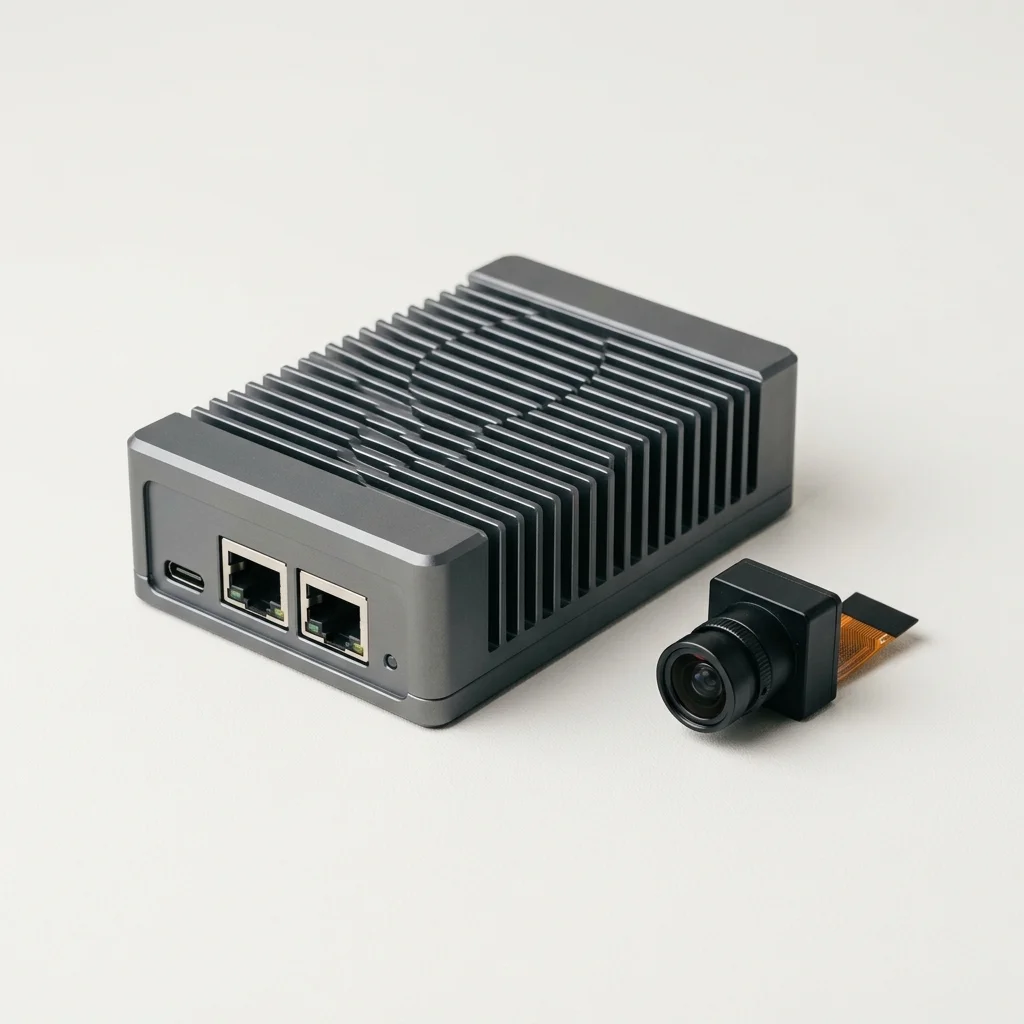
An 8 GB Orin Nano module and reference carrier board let developers benchmark local vision and language models. NVIDIA rates the kit at up to 67 sparse INT8 TOPS in Super mode.
A 12.3-megapixel Sony IMX500 runs a compatible neural network on the image sensor. The Raspberry Pi host can read inference results alongside frames through its camera software.
This original Pi 5 kit combines an M.2 HAT+ and a removable 13 TOPS Hailo-8L inference module. Raspberry Pi has ended production and retains the documentation for existing installations.
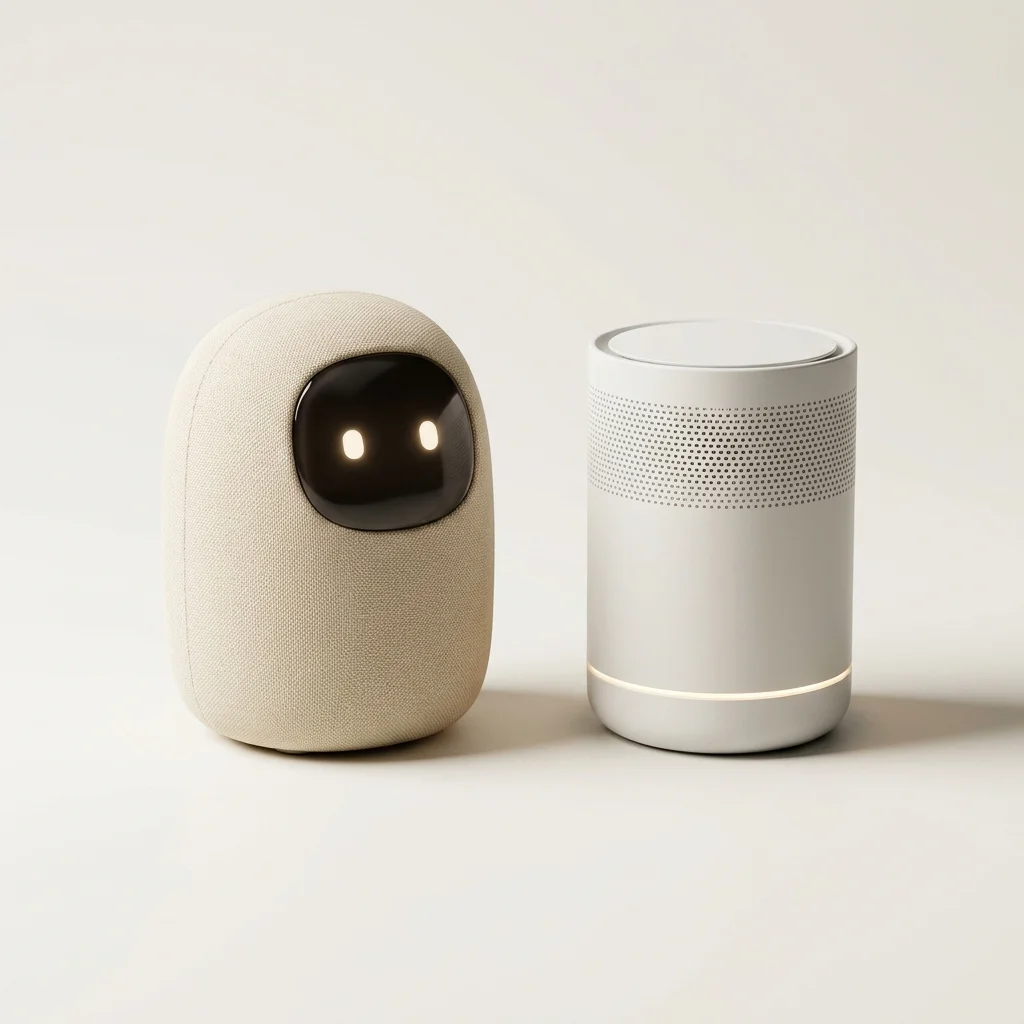
A soft companion responds to touch and familiar voices with movements and sounds. Its behavior changes with repeated interactions, and the MofLife app can show a journal of those interactions.
Home measures room conditions including air quality, light and noise. Its app relates those measurements to sleep-environment trends so a user can review changes over time.