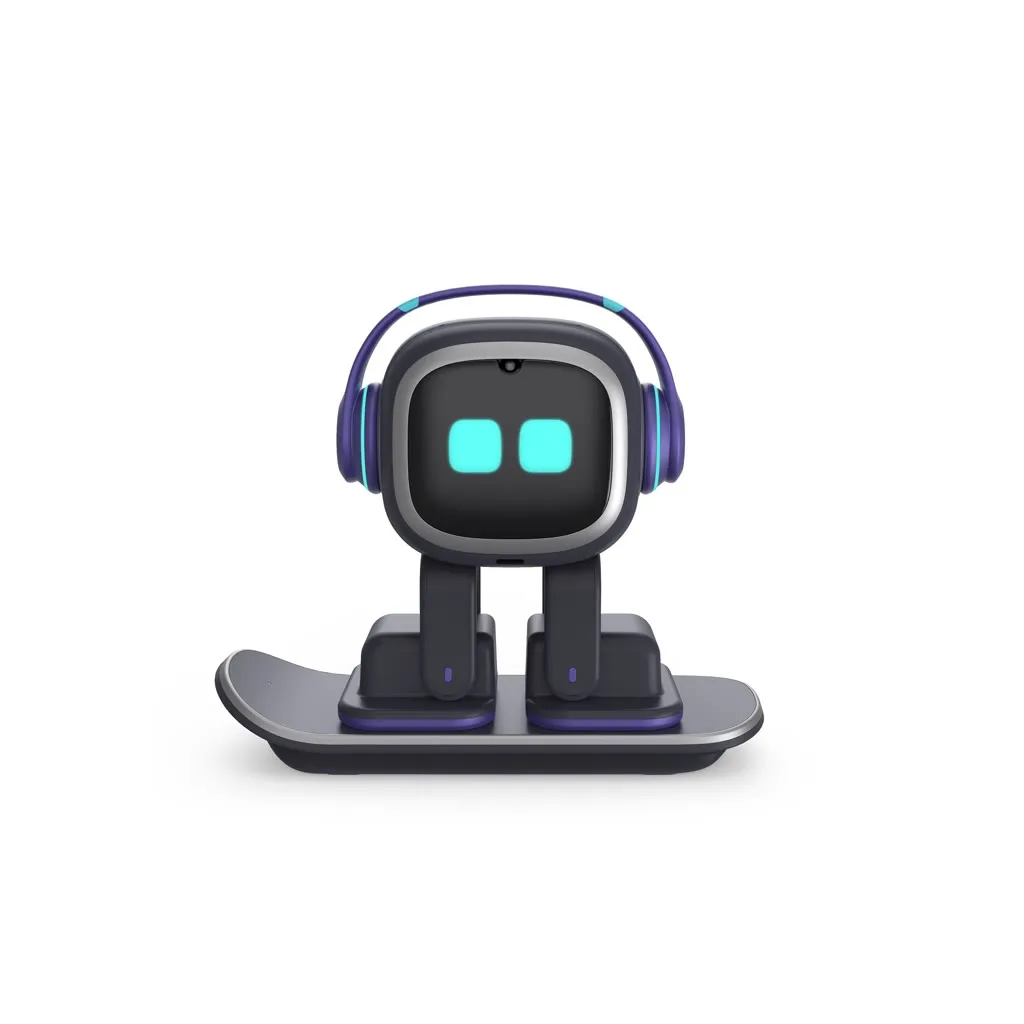
Palm-sized AI desktop pet robot with HD camera face recognition for up to 10 people, more than 1000 expressions and movements, voice interaction, touch sensor, and wireless Skateboard charging.
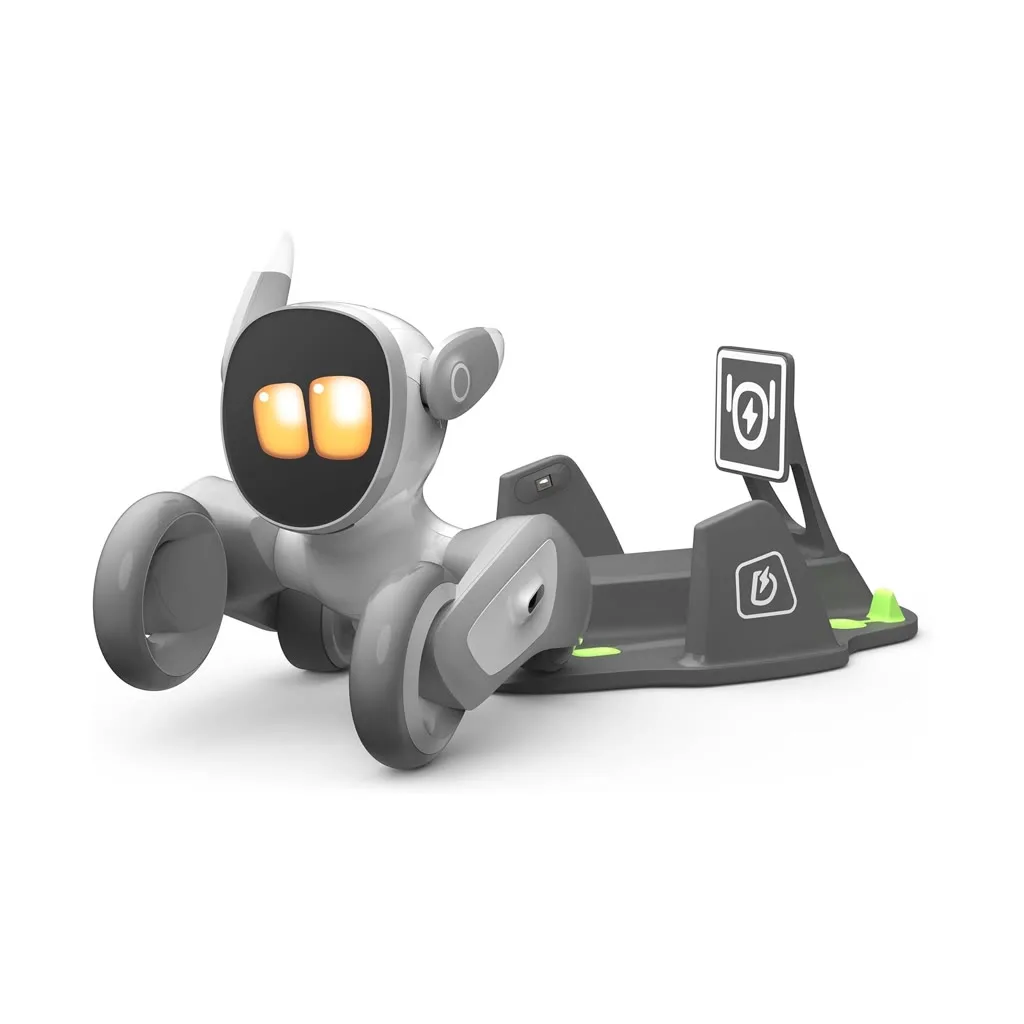
Wheeled AI robot pet with 720P RGB camera, 3D time-of-flight navigation, expressive LCD eyes and moving ears, voice and gesture interaction, GPT-powered conversations, games, and automatic return to its charging dock.
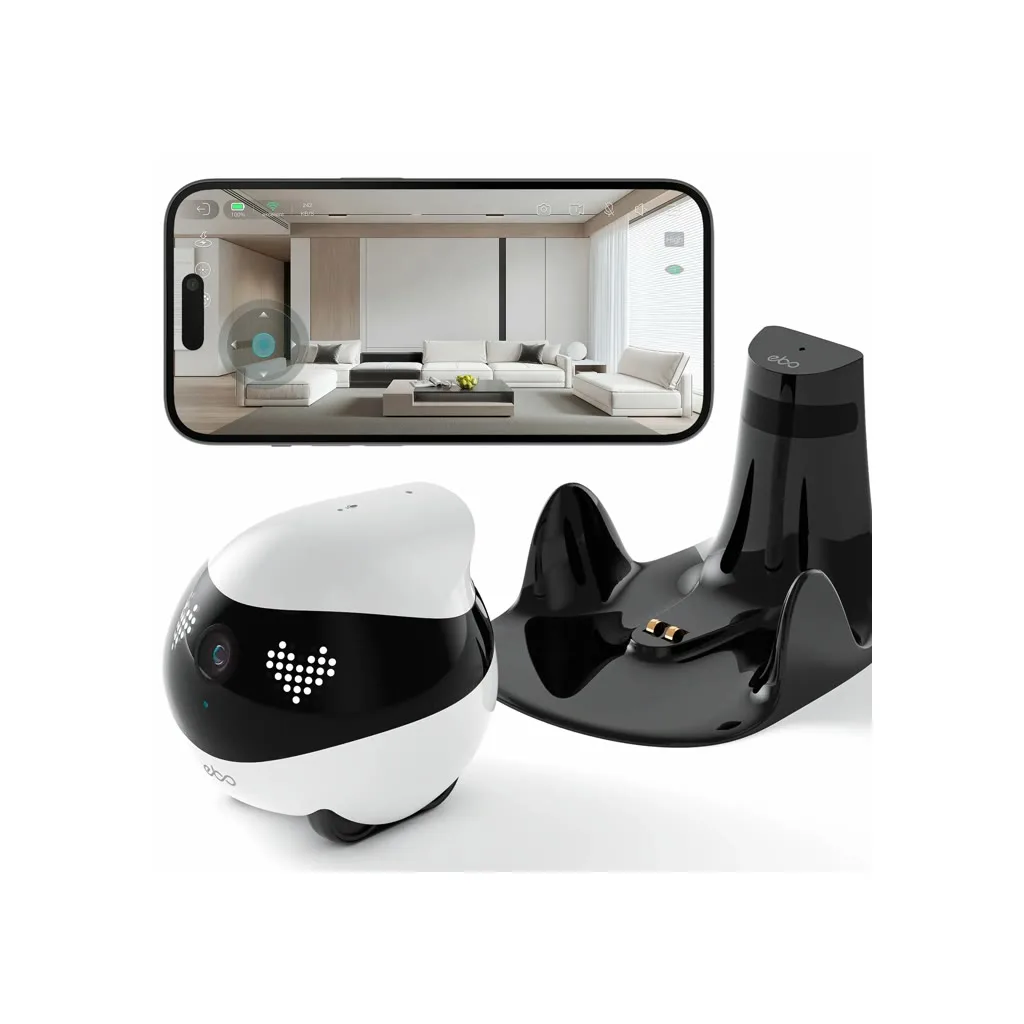
Rolling 2K home security and pet companion robot with 137 degree wide-angle camera, two-way audio with AI noise cancellation, laser interaction, customizable expression display, 24/7 recording, and automatic recharge.
An 11-in-1 USB-C docking station fused with a one-touch AI voice recorder and speakerphone: it records, transcribes in 75 languages and auto-generates meeting summaries using GPT, Claude and Gemini models, with claimed world-first bi-directional noise cancellation on both sides of a call. Connectivity & power: USB-C (USB 3.2, up to 10 Gbps; USB-C PD), Bluetooth 5.2, Ethernet 2.5 Gbps, dual HDMI 4K@60Hz, SD/MicroSD 4.0; no Wi-Fi (official blog: 'HiDock H1 doesn't connect to Wi-Fi'); mains-powered via DC-In 20V/7.5A adapter, 118W total PD fast charging (100W to laptop, 18W to phone); no onboard battery. Traction: Crowdfunded over USD 554,000 on Kickstarter and Indiegogo, 10 October to 9 December 2023, from 2,431 backers (Copundit funding landscape citing campaign data); HiDock's own March 2025 release gives the Kickstarter figure as HKD 4,864,911 from 2,646 backers, so the USD and HKD figures differ by scope/currency. HiDock reported over
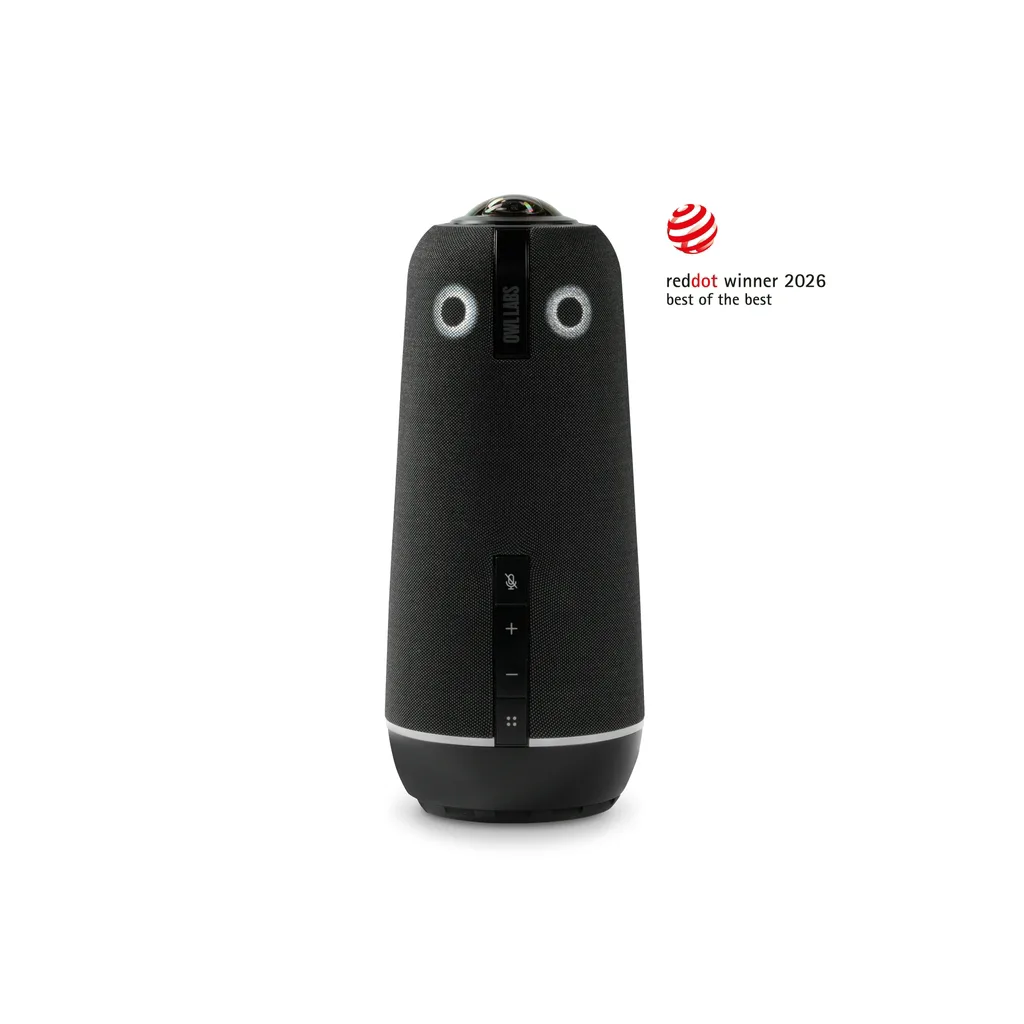
Fourth-generation all-in-one 360-degree conference camera, microphone and speaker built around a single 64 MP fisheye sensor outputting 4K UHD, with the on-device Owl Intelligence System (Qualcomm Snapdragon 8250) using visual and audio cues to automatically focus on and zoom to the active speaker. Connectivity & power: Wi-Fi 6E or native Ethernet, Bluetooth (for pairing with another Meeting Owl, Owl Bar or Whiteboard Owl), USB-C SuperSpeed plug-and-play to host computer, micro-HDMI passthrough, PoE-capable with adapter; AC/DC adapter 100-240 Vac, 50-60 Hz to 20 Vdc/3A; no battery and no wireless meeting mode. Traction: Owl Labs states the Meeting Owl line is 'loved by over 275,000 companies globally' on the official 4+ product page. The Meeting Owl 4+ is Microsoft Teams Certified. The widely cited awards (TIME 100 Best Inventions of 2020, CES Innovation Awards 2020 Best of Innovation in Robotics, Red Dot Design Award 2020, SXSW Innovat
An always-listening AI companion pendant that deliberately rejects the productivity-assistant model: it continuously listens, recognises tone and mood, and proactively messages or now speaks to the wearer as a persistent companion with a single randomly assigned voice and personality, built on Gemini/OpenAI models. Connectivity & power: Bluetooth to a companion iPhone app; USB-C charging; built-in speaker and microphone, touch-sensitive haptics and reactive lighting; battery rated up to 15 hours by the company per The Gadgeteer (another secondary source claims 18-24 hours, unverified); iPhone only, no Android support stated. Traction: Announced July 2024 by founder Avi Schiffmann, who paid USD 1,887,843 for friend.com in February 2024 (404 Media figure); original pendant shipped summer 2025 at USD 129.00. Friend 2.0 relaunched 30 July 2026 with a built-in speaker at USD 249.00. The 2025 New York subway ad campaign (reported over USD 1 m
A fully open-source (MIT-licensed hardware, firmware, app and backend) always-listening pendant that turns conversations into searchable memories, summaries and to-dos in 25+ languages, with an app store of community-built AI apps and the option to run it locally and control where data goes. Connectivity & power: Bluetooth + Wi-Fi to phone app (iOS 15+, Android 7+, Mac, web); 2 microphones; rechargeable battery rated 10-14 hours per charge (official site); 2.5 cm x 1.5 cm; worn on chain or band (both in box) or placed on a desk; wireless charging accessory sold separately. Traction: Originally launched on Kickstarter in May 2024 as 'Friend', renamed Omi in January 2025 after Avi Schiffmann's Friend bought friend.com for USD 1.8 million; unveiled at CES 2025 with a USD 89.00 launch price and Q2 2025 shipping. Founder-disclosed run rate of USD 10 million ARR in October 2026 (ARR.Club, citing founder posts); open-source project with about
Privacy-first, fully open-source AI glasses built around a low-resolution optical sensor used only for AI inference (not a photo/video camera), on-device processing with raw audio/images converted to transcripts/descriptions and then deleted, a colour micro-OLED peripheral display, and the Noa companion with long-term memory plus Narrative, a new adaptive real-world gaming category. Connectivity & power: Bluetooth 5.3 to the Noa app on iPhone or Android; on-device AI processor (Alif Balletto B1 NPU per third-party specs, with Liquid AI LFM2 on-device model); up to 14 hours battery life claimed, just over 40 g; USB-C charging dock (210 mAh internal cell per developer docs); full-colour micro-OLED display 640x400, 20-degree field of view, +2 to -6 diopter focus adjustment, IPD 58-72 mm; dual microphones, dual bone-conduction speakers. Traction: Officially launched 27 October 2026 (announced July 2025, preorders from 31 July 2025, shipping
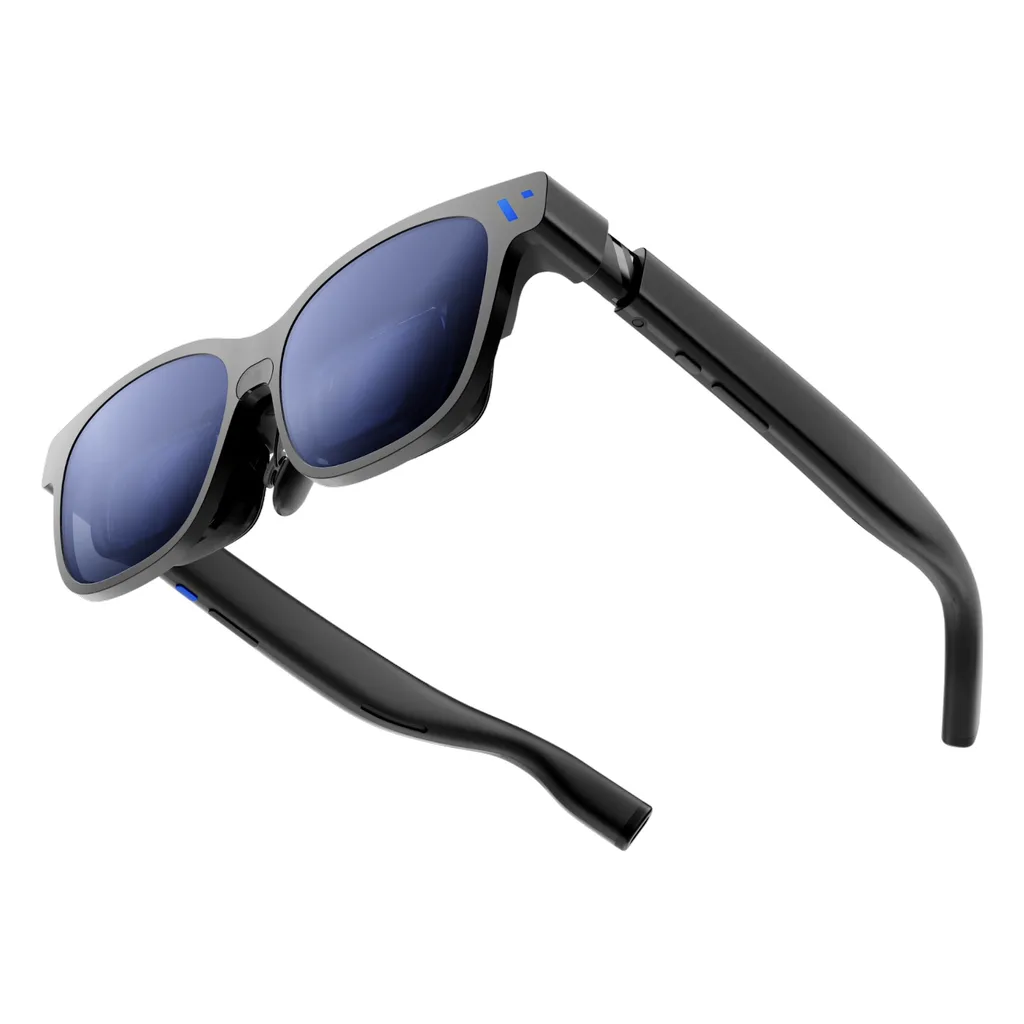
Flagship XR display glasses built on Sony's latest Micro-OLED panels with a custom prism-based optical system, delivering a 174-inch virtual screen at 4 m, 58-degree field of view and 1,250 nits peak brightness in an 88 g frame, with built-in hardware VisionPair 3DoF tracking and 9-level electrochromic dimming with Smart Auto Transparency. Connectivity & power: USB-C with DisplayPort Alt Mode (wired video, no wireless video protocol); no onboard battery — USB-C host powered. Free SpaceWalker companion app for iOS, Android, Mac and Windows. HARMAN AudioEFX built-in speakers. Traction: Launched 27 April 2026 at USD 549.00, sold via viture.com, Amazon and Best Buy. Tom's Guide Editor's Choice ("the best AR glasses that money can buy right now"); PCMag 4.5/5 Outstanding and Editors' Choice; WIRED "Best Smart Glasses for Picture Quality"; CNET 8.4/10 Editor's Choice; IGN first XR review pick. Official site rating 4.8/5 (1,654 reviews). Colle
Marketed by Mymanu as the world's first open-ear AI translation earbuds: live call, face-to-face, audio/video and meeting translation in 40+ languages delivered through open-ear drivers, so the wearer hears translations without losing situational awareness, using 4 beamforming microphones and an included AI translation USB-C dongle. Connectivity & power: Bluetooth 5.1; SBC, AAC and aptX codecs; USB-C charging. Up to 6 hours per charge, up to 35 hours with the charging case; 50 mAh per earbud, 400 mAh case; earbuds charge in about 1 hour, case in 2 hours. 5.7 mm electrodynamic drivers, 6.8 g per earbud; IPX5 water resistance per TechRepublic (official site states dust and splash/sweat resistant). Traction: Featured at CES 2026 (official site: "Featured at CES 2026 - Real-time translation reimagined"); in stock and ready to ship on mymanu.com. Official site rating 4.65/5 (155 reviews). Covered by TechRepublic and SFGate in 2026 as the CES
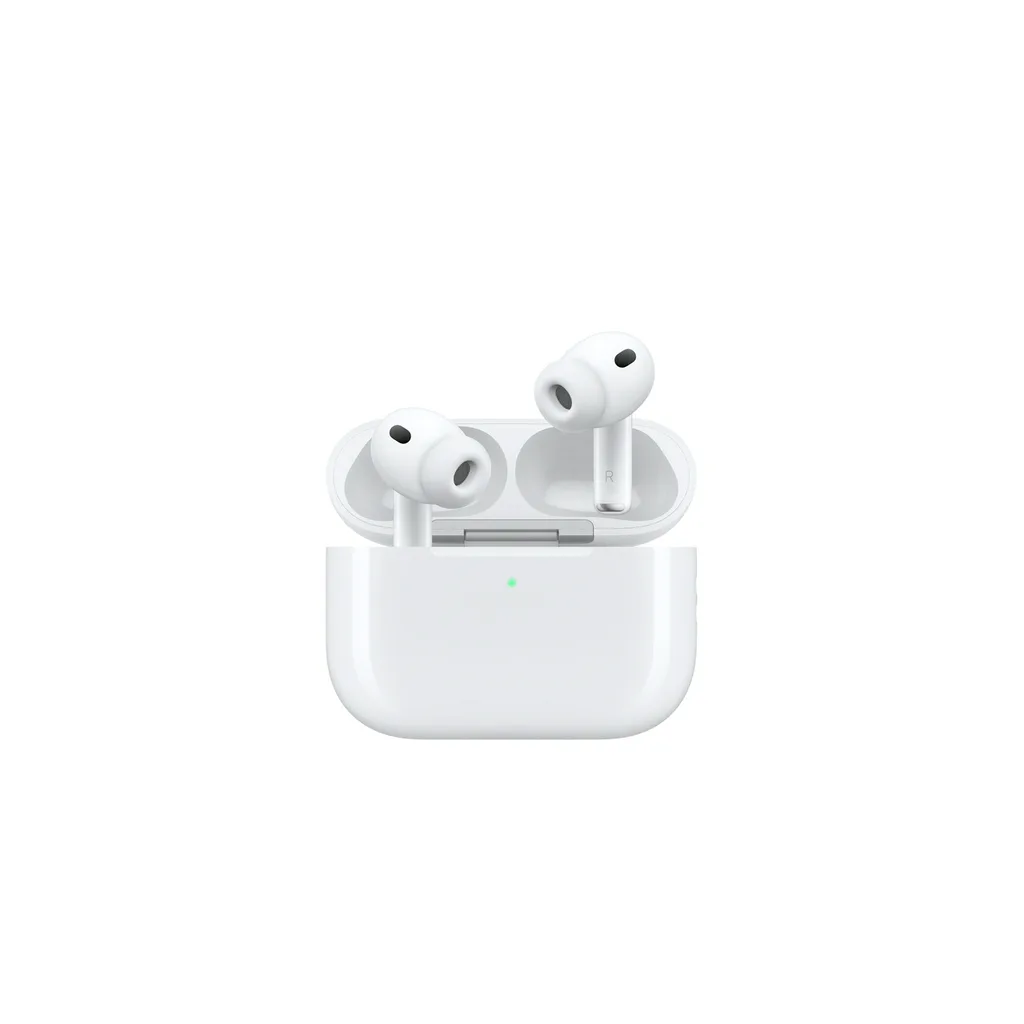
First AirPods with in-ear photoplethysmography heart-rate sensing (infrared light pulsed 256 times per second) for workouts across 50+ workout types without an Apple Watch, combined with Apple's strongest in-ear Active Noise Cancellation (up to 2x Pro 2, 4x original Pro), foam-infused ear tips in five sizes, and Live Translation powered by Apple Intelligence. Connectivity & power: Bluetooth 5.3; Apple H2 chip; USB-C MagSafe Charging Case with MagSafe, Qi and Apple Watch charger support. Up to 8 hours listening with ANC on (up to 10 hours in Transparency using the Hearing Aid feature, up to 6.5 hours with heart-rate sensing), up to 24 hours total with the case; 5 minutes in the case gives about 1 hour of listening. IP57 dust, sweat and water resistance. Traction: Announced 9 September 2025 and on sale 19 September 2025 at USD 249.00, the same launch price as AirPods Pro 2. Apple's flagship earbuds; independent lab testing by SoundGuys me
Miniaturised 4-in-1 multiscope in an 80 g handheld: medically certified 1-lead ECG via side electrodes, digital stethoscope via a piezoelectric disc for heart and lung sounds, contactless temporal-artery thermometer, and multi-wavelength PPG for SpO2 and heart rate, delivering a full check-up in under one minute on a colour LCD. Connectivity & power: Wi-Fi 2.4 GHz and Bluetooth Low Energy sync to the Withings app; optional LTE Cat-M1 variant per published specifications; rechargeable battery rated up to 8 months, USB-C charging in about 1 hour. Traction: Announced at CES 2024; 24 awards including 3 CES Innovation Awards in 2024 (Withings press release, 2025-11-13). Launched in Europe 2025-04-02 at EUR 249.95; FDA-cleared in the US and on sale in the US from 2025-11-13 at USD 249.95, with Amazon and select US retail partners from early 2026; FDA 510(k) K252474, decision date 2025-11-10.
First consumer headband combining EEG (4 on-head channels + 4 auxiliary, 256 Hz, 14-bit) with fNIRS (5-optode sensor, 64 Hz) to measure both brain electrical activity and frontal-cortex blood oxygenation/cognitive effort, plus triple-wavelength PPG — enabling EEG-based sleep staging, Deep Sleep Boost and Smart Wakeup rather than wrist-motion inference. Connectivity & power: Bluetooth 5.3 (BLE, 2.4 GHz) to the Muse app (iOS 16.1+, Android 9+); 150 mAh lithium-ion battery, up to 10 hours per charge, USB-C charging in about 3 hours. Traction: First available 2025-04-10; launched March 2025. Sleep staging shows 88-96% agreement with polysomnography (PSG) (Lanthier et al., 2025, SLEEP Advances) per choosemuse.com. Muse is cited as a 3x CES Innovation Award winner (2023, 2024, 2025) in a 2026 neurofeedback buyer's guide; no Athena-specific CES award was separately verified. Dream Recall (REM wake-up) added in beta in September 2026 for Premiu
First portable consumer device to miniaturise lab indirect calorimetry: a handheld CO2 sensor and flow meter infers respiratory exchange ratio (RER) from a single exhaled breath and tells the user whether the body is mainly burning fat or carbohydrates, then generates a personalised daily macronutrient plan. Connectivity & power: Wireless protocol to the companion app is Unknown (not verified in sources checked); USB-C charging dock, lithium-polymer battery rated up to 14 days in normal use, 145 g. Traction: Indiegogo campaign in 2018 raised over USD 2.3 million from nearly 10,000 backers (Mashable, 2020-05-19); TechCrunch reported over USD 1 million on Indiegogo and USD 7 million total raised by 2018-08-07. Validation study with San Francisco State University reported Lumen measurements comparable to RER from a traditional metabolic cart; no independent non-industry-funded randomised weight-loss trial existed on PubMed as of November 2
First smart ring with on-demand single-lead ECG and an FDA-cleared atrial fibrillation (AFib) detection algorithm in a 3.0 g, 2.55 mm titanium ring, tracking 140+ biomarkers (heart rate, HRV, SpO2, skin temperature, sleep stages, stress) with the Kira AI health coach and no mandatory subscription. Connectivity & power: Bluetooth Smart with airplane mode and multi-device support (up to 2 rings per account); wireless charging dock; up to 7 days in Eco Mode / 4 days in Performance Mode (up to 8 days cited in some launch coverage), full recharge in 30 minutes; IP68. Traction: Kickstarter campaign launched March 2025 raised USD 4,078,500 from 13,695 backers (funded in 4 minutes; most-funded health ring in Kickstarter history per the campaign agency TCF). Shown as a concept at CES 2025 and described by Circular as one of the most awarded wearables of CES 2025; shipping to backers began July 2025; global retail launch 2026-06-25 from USD 349 a
The world's first three-axis PTZR (pan, tilt, zoom, rotate) 4K camera: a gimbal-based design rotates the lens 90 degrees for lossless native vertical 4K shooting, with on-device AI Tracking 2.0 (people, animals, objects), gesture control 2.0 and a 1/1.5-inch 50MP CMOS sensor. Connectivity & power: Wi-Fi 6 (802.11ax, 2.4/5.8 GHz), Bluetooth BLE 5.4, Gigabit Ethernet RJ45 with PoE+, HDMI 2.0, 3G-SDI, USB-C 3.0, RS-232; NDI HX3, SRT, RTMP, RTSP, VISCA. Built-in 5000 mAh / 38 Wh Li-Po battery, up to about 5 hours streaming; 40 W USB-PD or 30 W PoE+ charging. Traction: Launched March 20, 2025; OBSBOT describes it as the world's first three-axis PTZR 4K camera and showcased it at NAB Show 2025 (Booth SL11911). No CES, iF, Red Dot or TIME award record for this model was found in searches.
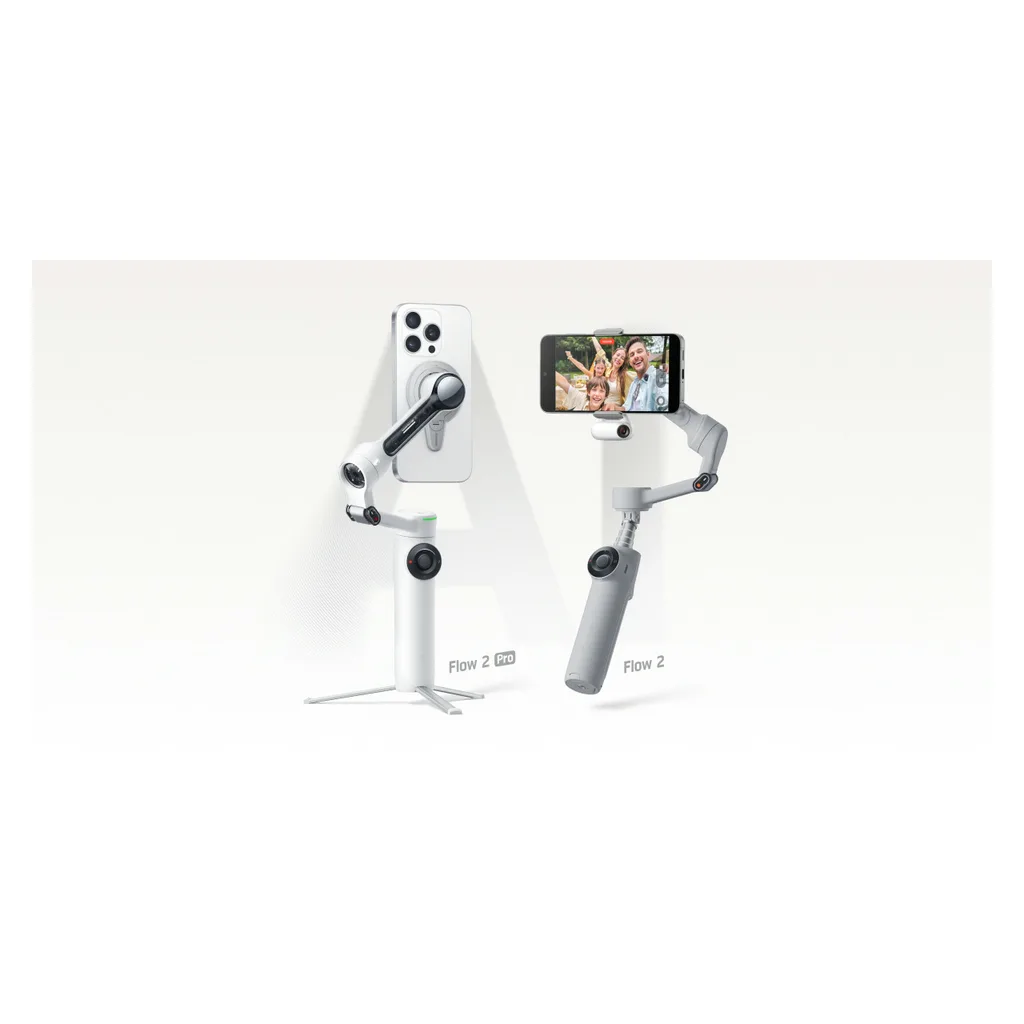
The first smartphone gimbal with native Apple DockKit subject tracking, so AI tracking works in the iPhone's native camera and 200+ iOS apps without opening the Insta360 app, combined with Deep Track 4.0 (multi-person and Active Zoom Tracking up to 15x) and 360-degree Infinite Pan Tracking. Connectivity & power: Bluetooth 5.0, NFC one-tap pairing, Apple DockKit; USB-C charging (5 V/2 A). Built-in 1100 mAh / 8.5 Wh Li-ion battery, up to 10 hours runtime, about 2 hours to recharge. No Wi-Fi. Traction: Launched January 16, 2025; prototype shown at CES 2025. Native Apple DockKit tracking across 200+ iOS apps (native Camera, FaceTime, TikTok). B&H Photo rating 4.3/5 (9 reviews); idealo expert-review average 90%. No CES, iF, Red Dot or TIME award record for this model was found in searches.
A motorized 360-degree phone mount with a dedicated AI co-processor running xbotVision AI 2.0, which turns any smartphone into an autonomous sports cameraman that tracks players, predicts movement and auto-frames in 4K across 20+ sports, with automatic highlights and live streaming and no subscription. Connectivity & power: Pairs with the XbotGo app on iOS/Android (wireless protocol not stated on the official page); 7500 mAh built-in battery (The Gadget Flow, 2024); USB-C charging; 544 g; 360-degree rotating base, plus/minus 15-degree tilt; 720p/1080p/4K recording via the phone camera. Traction: Launched on Kickstarter June 2024 at USD 259 pre-order (The Gadget Flow); XbotGo reports 210,000+ global users (2026); reviewed as a grassroots alternative to Veo for youth and amateur clubs (goosed.ie, 2025-10-09). No Kickstarter total or backer count verified.
A coffee-cup-sized portable projector that adds a built-in 71 Wh battery to the MoGo line for the first time, with Google TV and licensed Netflix, magnetic Creative Filters that turn it into an ambient light / mood lamp, a 360-degree rotating stand and Harman Kardon audio. Connectivity & power: Wi-Fi 5 dual-band 2.4/5 GHz, Bluetooth 5.1/BLE, HDMI, USB-A, USB-C; Google TV with Chromecast built in. Built-in 71.28 Wh battery: up to 2.5 hours video in Eco Mode, up to 6 hours music playback; 65 W power, USB-C PD charging (65-150 W adapter range); optional PowerBase Stand adds about 2.5 hours. Traction: Launched June 12, 2025 at a Paris media event; winner of the iF DESIGN AWARD 2025 and an IFA 2025 design award per Root-Nation. Sold on Amazon US at USD 499 at launch (Notebookcheck, June 2025).
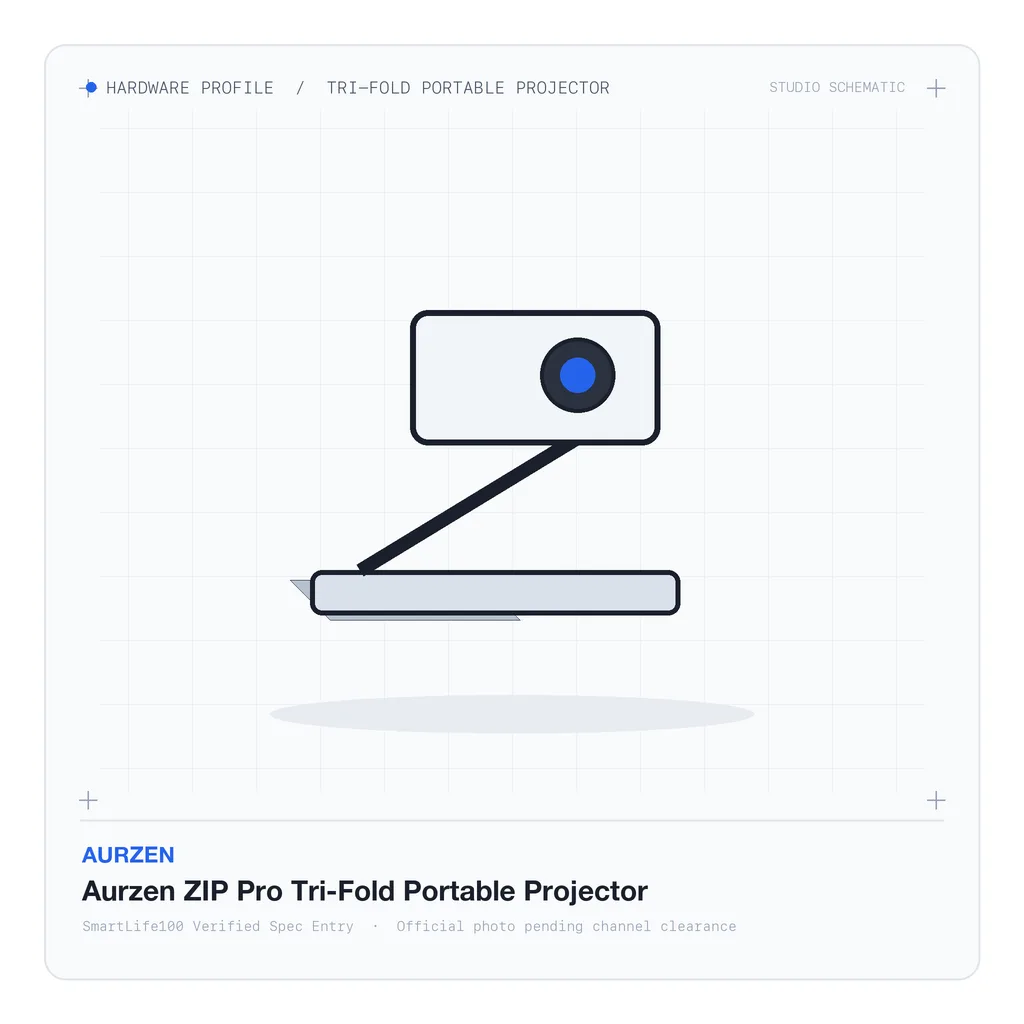
The world's first tri-fold Full HD pocket projector: a Z-shaped body folds to pocket size and unfolds into a self-standing projector, built around a 10.7 mm ultra-slim Full HD DLP optical engine with 200 ANSI lumens, a smart touch display, and industry-first Type-C direct projection for Nintendo Switch. Connectivity & power: Wi-Fi 2.4/5 GHz (AirPlay P2P, Miracast, DLNA, Google Cast, AirLink P2P mirroring); Bluetooth 5.4 audio output with dual-headphone support; USB-C with DisplayPort Alt Mode video input; 38 Wh (2x 5000 mAh) battery, up to 2.5 hours in Eco mode; 65 W USB-C PD fast charging; 586 g. Traction: Unveiled at IFA 2026 (4 September 2026); best-of-IFA coverage from The Verge, Pocket-lint, Android Central, CGMagazine, Yanko Design and SlashGear; Netzwelt Innovation Award at IFA 2026; shipping began 30 October 2026; 7 reviews on aurzen.com as of November 2026. Successor to the original ZIP, a Kickstarter hit (USD 682,145 from 2,11
Physical AI agent hardware for smart spaces featuring an ESP32-S3 SoC, Himax WiseEye2 HX6538 AI vision processor, 1.44-inch color touchscreen, rotary dial, onboard camera, dual microphone array for far-field voice interaction, and edge and cloud LLM inference capabilities.
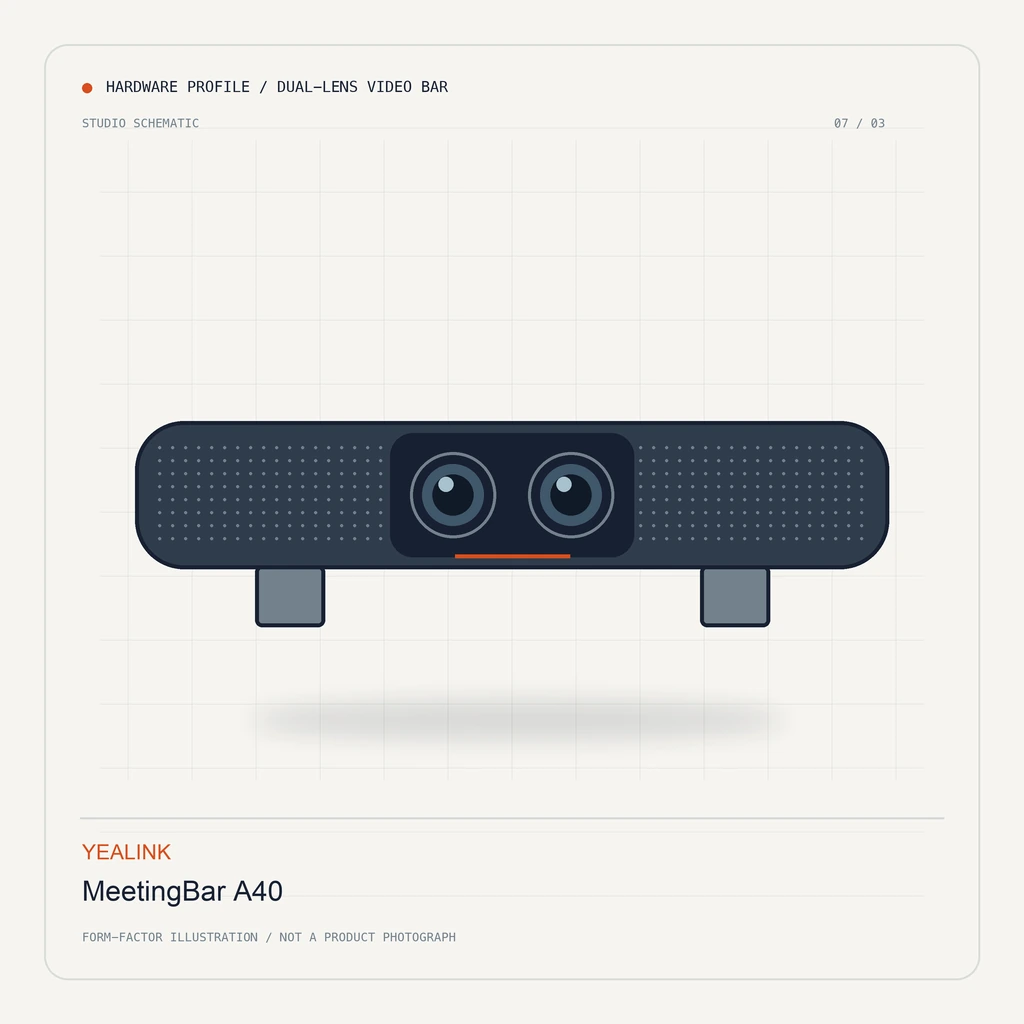
All-in-one Android video collaboration bar designed for medium commercial conference spaces, integrating dual 48MP AI vision cameras, intelligent voice tracking, an 8-microphone MEMS beamforming array, full-duplex stereo sound, and native Teams Rooms and Zoom Rooms firmware.
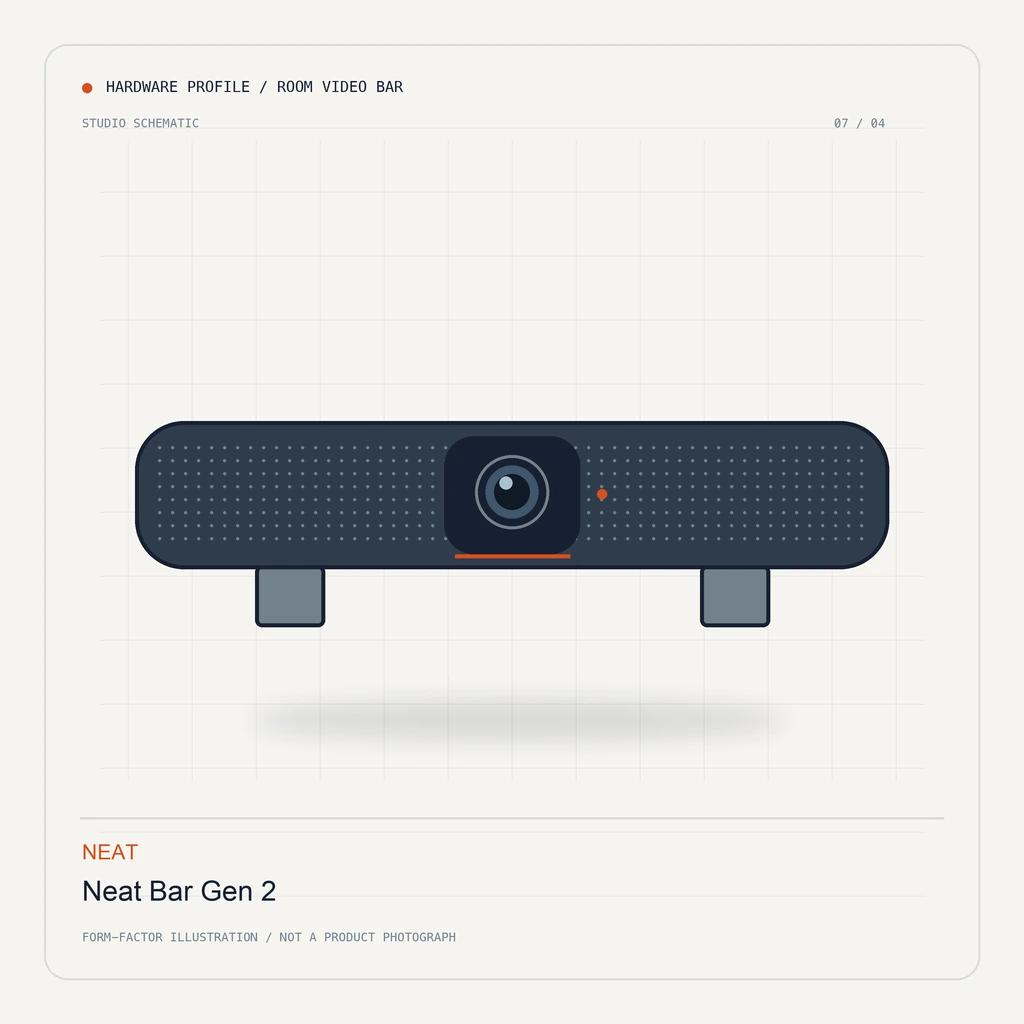
Next-generation video meeting bar featuring a 50MP wide-angle sensor with 5x digital zoom, advanced machine-learning acoustic processing, hardware acoustic enclosure suppression, and integrated environmental sensors for room air quality and occupancy analytics.