The Growth of Wire-Free Cellular Surveillance in Americas Commercial Sectors
Commercial jobsite security, agricultural monitoring, critical infrastructure protection, and remote logistics yards across the Americas represent expanding markets for wire-free security hardware. Traditional closed-circuit television systems require trenching power conduits, pulling Ethernet cabling, and leasing fixed broadband connections. For temporary construction sites, solar farms, cattle ranches, and oilfield installations, trenching infrastructure is cost-prohibitive and impractical.
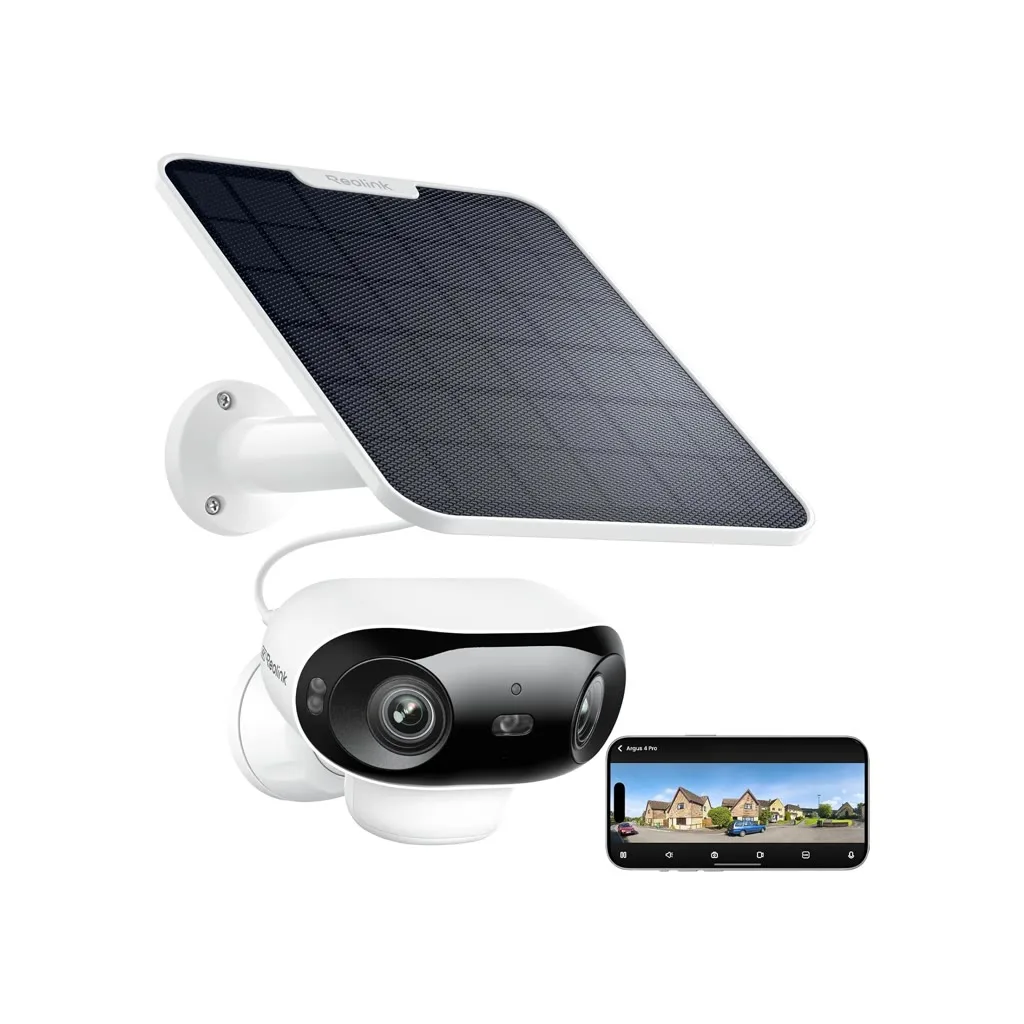
Wire-free solar pan-tilt-zoom (PTZ) cameras and 4G LTE cellular trail cameras eliminate fixed infrastructure requirements. Powered by high-efficiency monocrystalline solar panels paired with high-capacity lithium battery packs, these autonomous security devices transmit real-time video, motion alarms, and time-lapse recordings directly over commercial cellular networks. However, importing and distributing cellular surveillance equipment across the United States, Mexico, and Brazil introduces complex regulatory certification requirements, carrier network band fragmentation, and hazardous material shipping regulations.
Regional Cellular RF Band Matrix: United States, Mexico, and Brazil
Cellular frequency spectrum allocations vary significantly across the Western Hemisphere. A 4G security camera engineered exclusively for North American carriers will fail to establish data connections on rural cell towers in Mexico or Brazil:
- United States and Canada: Major carriers operate on LTE FDD Bands B2 (1900 MHz), B4 (1700/2100 MHz), B5 (850 MHz), B12/B13/B14 (700 MHz), B66, and B71 (600 MHz). Cellular camera modules must support low-frequency bands like B12, B13, and B71 to achieve signal penetration inside metal structures and remote valleys. Devices operating on major US networks require carrier PTCRB certification and network operator approvals.
- Mexico: Networks led by Telcel and AT&T Mexico utilize LTE Bands B2 (1900 MHz), B4 (1700/2100 MHz), B5 (850 MHz), B7 (2600 MHz), and B28 (APT 700 MHz). Support for Band 28 (the Red Compartida network operating across 700 MHz) is essential for agricultural operations across Mexico.
- Brazil: National carriers including Claro, Vivo, and TIM operate across LTE Bands B1 (2100 MHz), B3 (1800 MHz), B7 (2600 MHz), and B28 (700 MHz). Cellular cameras lacking Band 28 and Band 3 support experience persistent network drops and high return rates in Brazilian territory.
Radio Certification Homologation: FCC, IFETEL, and Anatel Verification Gates
Radio frequency transmitters imported into Western Hemisphere markets must undergo mandatory statutory homologation before commercial clearance and sale:
- United States (FCC Part 15 and Mobile Radio Rules): The camera enclosure and internal transceiver must hold an active FCC ID. Complete assembled products must undergo FCC Part 15 Subpart B unintentional radiator testing. Adding high-speed image processing circuitry and infrared illumination LEDs creates electromagnetic emissions that can invalidate modular grants.
- Mexico (IFETEL and NOM Certification): Radio frequency devices must obtain certificate homologation from the Instituto Federal de Telecomunicaciones (IFETEL). In addition, electrical safety testing under NOM-001-SCFI or NOM-019-SCFI must be performed by an accredited Mexican test laboratory. Customs entries require an official Certificate of Compliance registered to the Mexican importer of record.
- Brazil (Anatel Resolution 715 Homologation): The Agencia Nacional de Telecomunicacoes (Anatel) strictly regulates wireless equipment entering Brazil. Every cellular security camera must obtain Anatel homologation, requiring local laboratory testing in Brazil covering electromagnetic compatibility, safety, and radio performance. The product packaging and camera housing must display the official Anatel seal.
Americas Regional Cellular & Solar Surveillance Specifications
| Parameter | United States & Canada Model | Mexico Commercial Model | Brazil Industrial Model |
|---|
| Primary LTE Bands | B2, B4, B5, B12, B13, B66, B71 | B2, B4, B5, B7, B28 (APT 700) | B1, B3, B7, B28 (700 MHz) |
| Cellular Carrier Approvals | PTCRB, Major US carriers | Telcel & AT&T Mexico compatible | Anatel Resolution 715 certified |
| Statutory Certification | FCC Part 15B / 22 / 24, IC RSS-130 | IFETEL Homologation, NOM-019 | Anatel Certificate + Inmetro mark |
| Solar Panel Rating | 6W to 12W Monocrystalline | 6W to 10W Monocrystalline | 10W to 15W Heavy-Duty Panel |
| Battery Pack Capacity | 10,400 to 18,000 mAh (Lithium) | 10,400 to 15,000 mAh (Lithium) | 15,000 to 20,000 mAh LiFePO4 |
| Thermal Operating Limits | -20°C to 50°C (Winter heater) | -10°C to 55°C (Tropical heat) | 0°C to 60°C (High UV humidity) |
| Ingress Protection | IP65 / IP66 Weatherproof | IP65 Weatherproof rating | IP66 / IP67 Heavy rain rated |
| Low-Temp Charging Cutoff | Integrated BMS protection (<0°C) | Standard BMS thermal sensor | Tropical humidity conformal coat |
Lithium Battery Pack Safety, Low-Temperature Charging & UN38.3 Freight Rules
Solar security cameras rely on multi-cell lithium-ion or lithium iron phosphate (LiFePO4) battery packs. Importing and shipping these battery systems involves strict logistics safety rules:
- UN38.3 Lithium Battery Transport Testing: Before any carrier accepts containerized sea freight or air cargo shipments of battery-powered cameras, the factory must provide a certified UN Manual of Tests and Criteria Part III, sub-section 38.3 summary report covering altitude simulation, thermal shock, vibration, impact, and overcharge evaluations.
- Sea freight and air freight classification: Standalone battery packs packed with equipment fall under Dangerous Goods classification (UN 3481, Lithium Ion Batteries Packed with Equipment, Class 9). Air shipments must adhere to IATA Dangerous Goods Regulations, with maximum state of charge limited to 30 percent for pure cells.
- Sub-zero low-temperature charging hazard: Standard lithium-ion pouch cells suffer lithium plating if charged below freezing. In northern US regions, charging frozen batteries causes short circuits and thermal runaway. Solar camera battery management systems (BMS) must incorporate temperature thermistors that halt solar charging when cell temperatures drop below freezing while allowing discharge to power the camera.
Pre-Shipment Batch Inspection Protocol for Commercial Security Importers
To prevent warranty recalls and shipping rejections, commercial distributors should mandate the following pre-shipment quality checks:
- Optical and Night Vision Testing: Test camera sensors under zero-lux conditions, measuring color night vision and infrared spotlight illumination range out to thirty meters.
- Solar Charge Efficiency Bench Audit: Measure solar panel open-circuit voltage and peak short-circuit amperage under calibrated light intensity to verify advertised solar wattage claims.
- SIM Card Carrier Auto-APN Provisioning: Verify cellular modems auto-detect major regional carrier SIM cards (including MVNO IoT SIMs) and connect within 45 seconds without manual APN configuration.
- IP66 Waterproof Ingress Audit: Subject production camera housings to water jet spraying for ten minutes under IEC 60529 standards to verify silicone gasket integrity.
- Pre-PO Regulatory Audit Gate: Factory regulatory certificates, UN38.3 test summaries, and carrier band compatibility must be confirmed prior to balance payment release. Sourcing teams can request pre-tested sample cameras and regional compliance files through the SmartLife100 inquiry portal.