An operational B2B legal and customs compliance framework for evaluating USITC Section 337 exclusion orders, multi-sensor patent disputes, and non-infringement clearance protocols across smart rings, robot vacuums, and biometric wearables.
Mechanics of USITC Section 337 and Customs Exclusion Orders
Importing connected electronics into the United States exposes distributors and brand owners to statutory enforcement under Section 337 of the Tariff Act of 1930 (19 U.S.C. 1337). Administered by the United States International Trade Commission (USITC), Section 337 investigations adjudicate unfair import practices, primarily patent infringement.
Unlike federal district court litigation seeking damages over years, USITC proceedings conclude within twelve to sixteen months. The Commission primary remedy is an Exclusion Order directed to US Customs and Border Protection (CBP), instructing port officers to deny entry to infringing merchandise.
Exclusion orders manifest in two forms:
Limited Exclusion Orders (LEO): Directs CBP to bar infringing articles produced by or for specific named respondents. When an original design manufacturer (ODM) is named, downstream private-label importers sourcing that hardware are immediately blocked.
General Exclusion Orders (GEO): Directs CBP to exclude all infringing articles regardless of manufacturer. The Commission issues GEOs to prevent widespread circumvention when patent infringement is pervasive across an entire category.
The USITC also issues Cease and Desist Orders (CDO), prohibiting the sale and distribution of commercially imported inventory already held in domestic warehouses.
High-Exposure Verticals: Smart Rings, Laser Navigation, and Wearables
Patent assertion activity concentrates around high-growth consumer categories where pioneer brands protect proprietary sensor integrations:
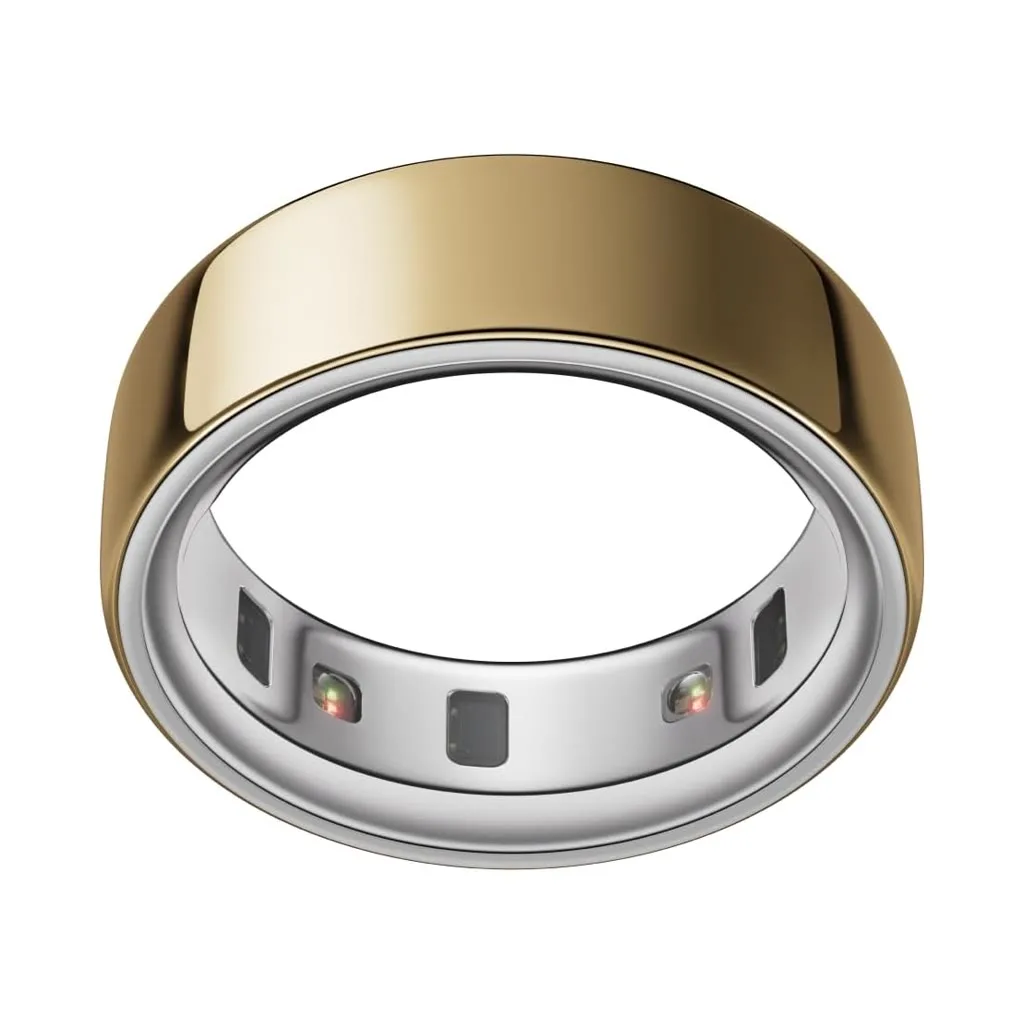
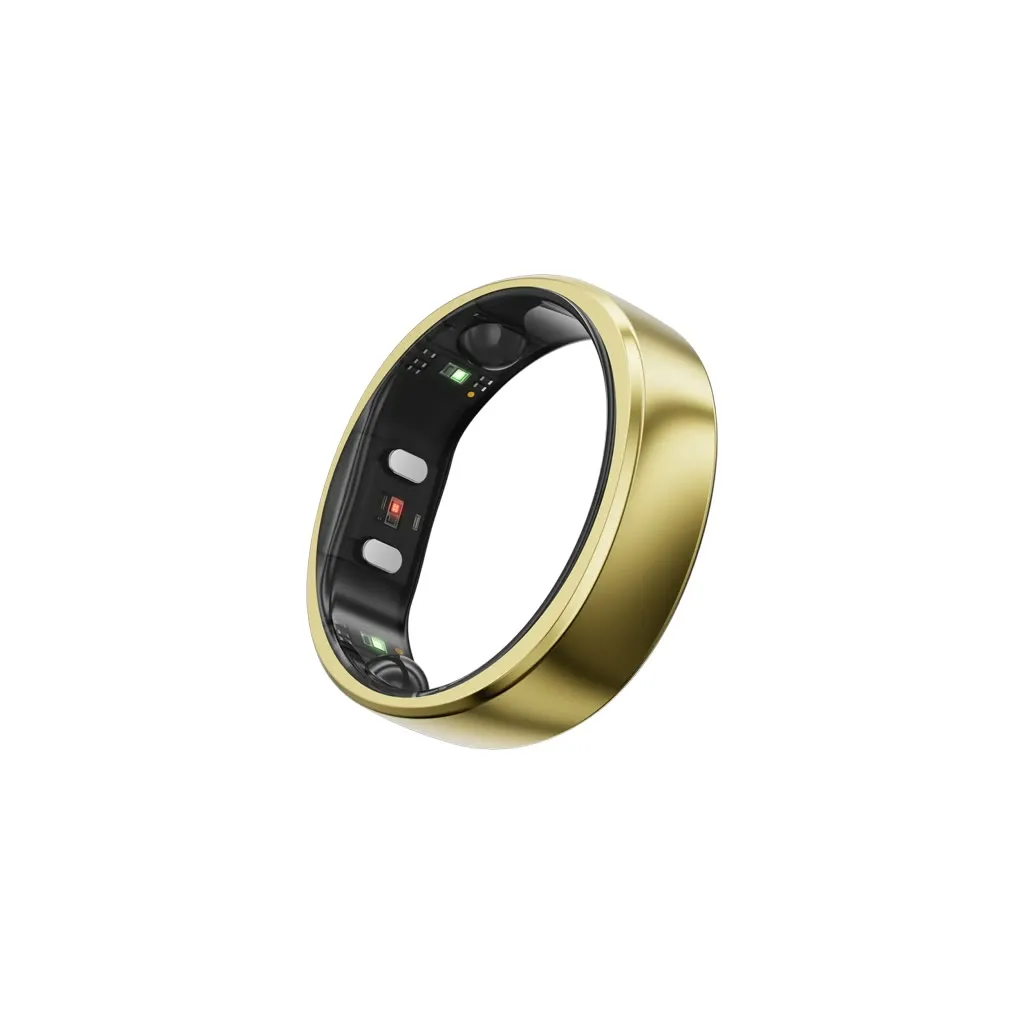
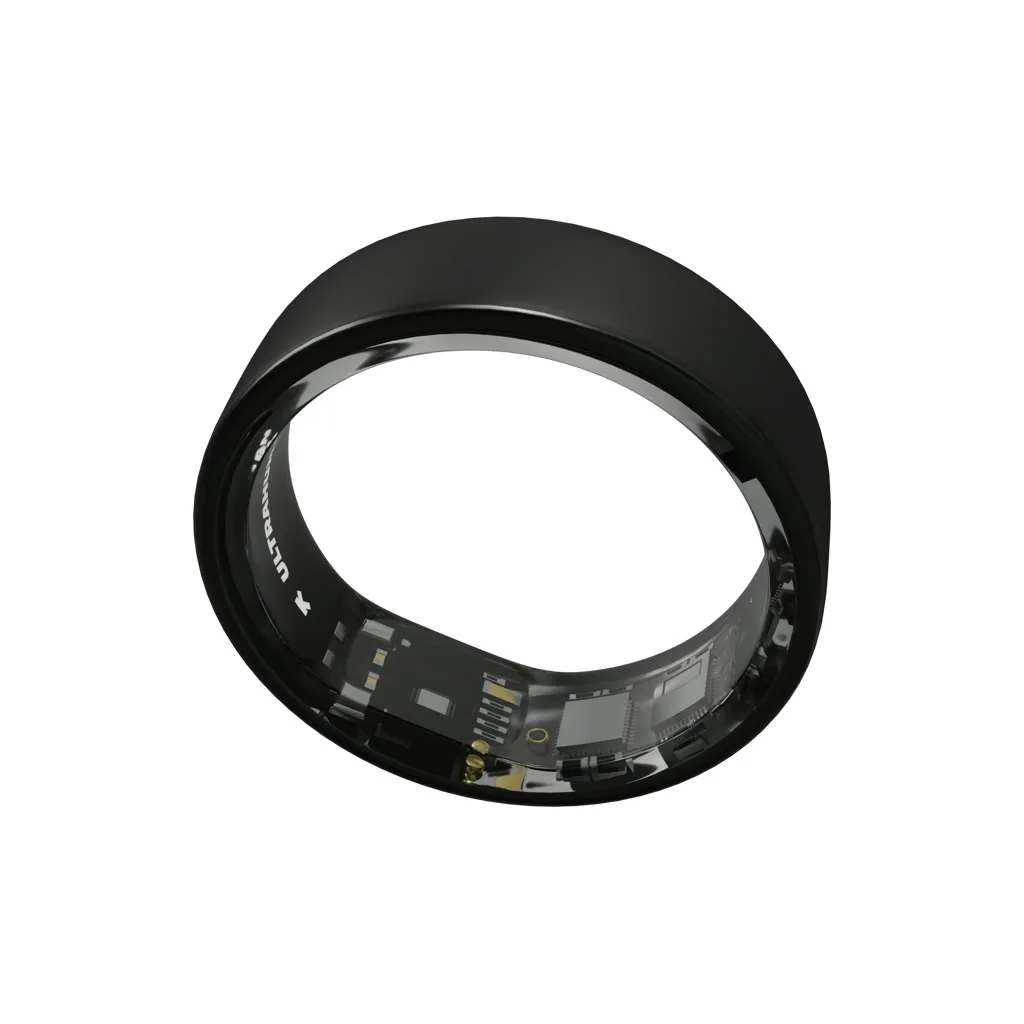
Smart Rings and Biometric Wearables: Pioneer utility patents cover circular resin housings, flexible PCB folding, and photoplethysmography (PPG) pulse analysis. Devices like the Oura Ring 4, the RingConn Gen 2 Smart Ring, and the Ultrahuman Ring AIR operate under intense competitive surveillance. Sourcing an unvetted ODM ring mimicking patented interior sensor contours or charging pin layouts creates border detention exposure.
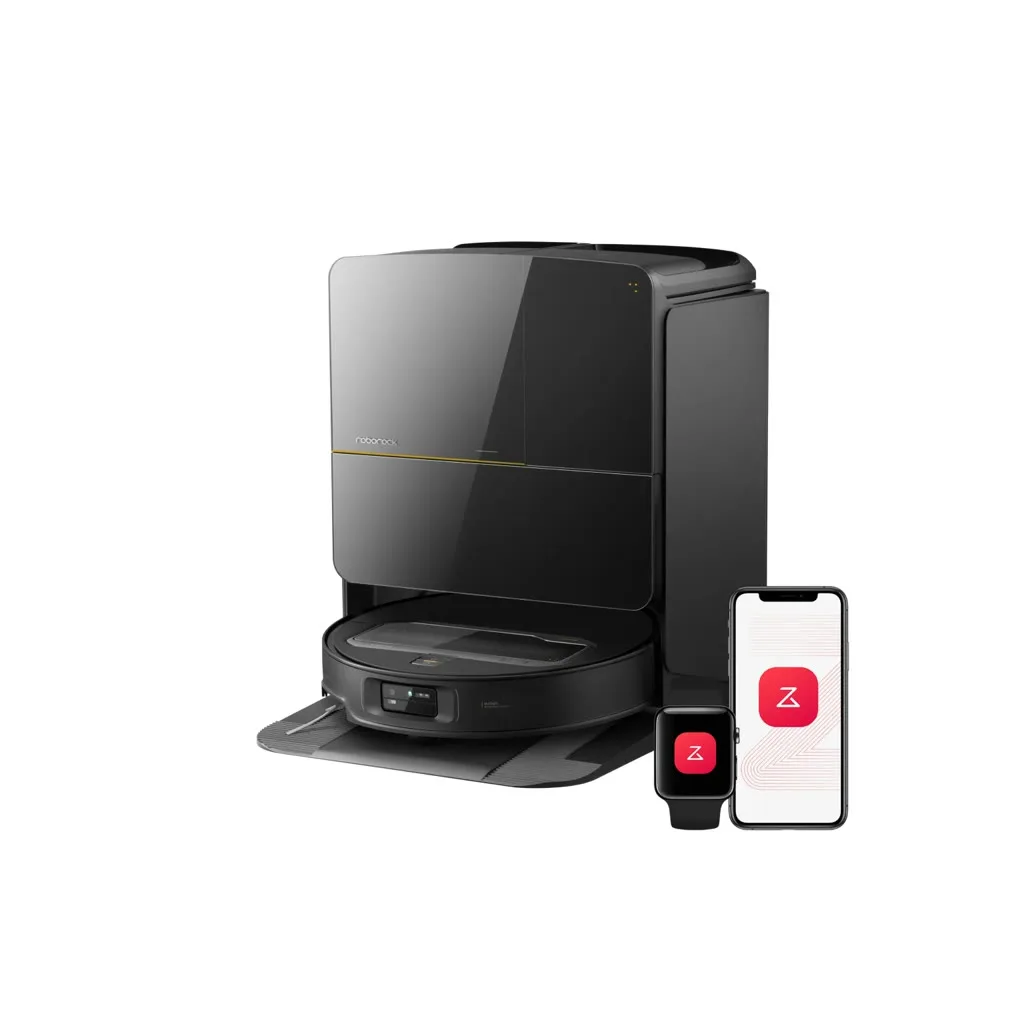
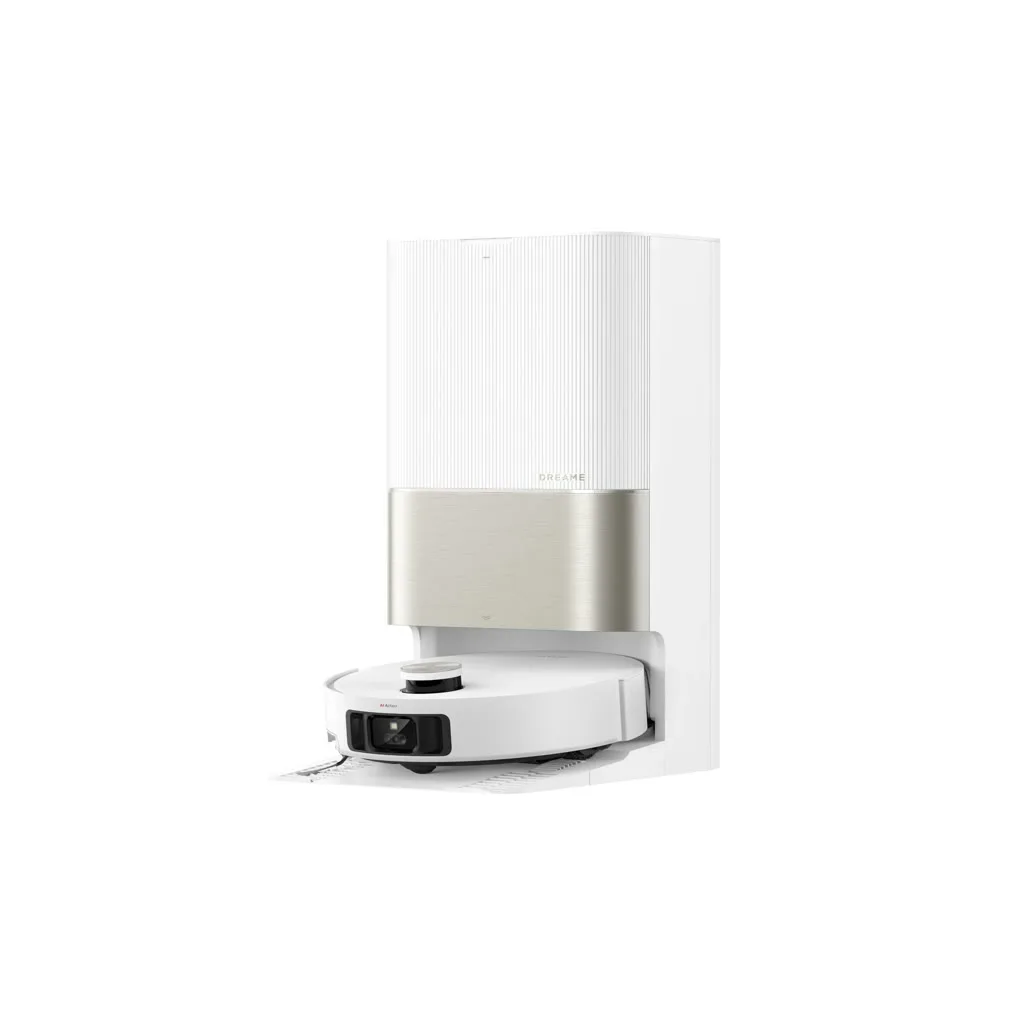
Autonomous Robotics and Laser Navigation: Autonomous cleaning hardware—including flagship robots like the Roborock Saros Z70 and the Dreame X50 Ultra—incorporates dense patent portfolios covering solid-state LiDAR, structured-light vision, and roller brush detangling mechanisms.
Audio and Health Wearables: Wearables face patent scrutiny regarding acoustic beamforming and wireless state machines. Importers cannot assume a public chipset clears the end device, as claims frequently cover finished multi-sensor assemblies.
Gate / Standard
Scope
Common Failure Mode
Pre-Order Check
USITC Limited Exclusion Order (LEO)
Named respondents and downstream importers
Relying on private-label brand rebranding while sourcing from an enjoined factory
Review USITC 337 docket database for named ODM suppliers and sub-tier module licensees
USITC General Exclusion Order (GEO)
All market goods regardless of manufacturer
Importing public-mold hardware that copies patented mechanical or optical architectures
Commission formal Freedom-to-Operate (FTO) patent opinion on contested sensor claims
19 CFR Part 177 CBP Ruling
Border clearance authorization
Attempting customs clearance of redesigned firmware without formal ruling letter
File CBP Exclusion Order Enforcement Branch (EOEB) ruling request prior to lading
Audit factory firmware licenses and demand indemnified third-party algorithm stacks
LiDAR Navigation IP
Simultaneous Localization and Mapping (SLAM)
Dual-laser emitter geometry infringing established vacuum robotics portfolios
Validate solid-state LiDAR or VSLAM sensor decoupling in production schematics
Four-Phase Pre-PO Patent Clearance and FTO Protocol
To protect working capital and ensure uninterrupted distribution, B2B hardware importers must execute a structured four-phase Freedom-to-Operate (FTO) protocol prior to issuing purchase orders:
Phase One (Supplier IP Disclosure): Require the manufacturer to provide hardware schematics, mechanical step files, and software licensing manifests. Verify whether custom tooling or public open-mold tooling is utilized for chassis and antenna assemblies.
Phase Two (Patent Landscape Scrub): Engage US patent counsel to search the USPTO database and the USITC Electronic Document Information System (EDIS) against supplier entities, affiliated brands, and core technological mechanisms.
Phase Three (FTO Opinion Letter): Obtain a formal written non-infringement or invalidity opinion letter from independent counsel. This establishes commercial due diligence and provides technical rationale for customs clearance.
Phase Four (CBP Part 177 Rulings): When modifying hardware to design around an exclusion order, submit a formal ruling request under 19 CFR Part 177 to the CBP Exclusion Order Enforcement Branch (EOEB) to obtain binding clearance before lading cargo.
Contracting Safeguards: Non-Infringement Covenants and Escrow
Commercial agreements with overseas manufacturing partners must allocate patent infringement risk directly to the factory through four contractual shields:
Express Warranty of Non-Infringement: The factory must warrant that hardware, firmware, and embedded software do not infringe third-party patents, copyrights, or trade secrets in target markets.
Defense and Indemnification: The manufacturer must defend and indemnify the importer, distributors, and downstream retail customers against all legal claims and expenses arising from IP disputes.
Mandatory Design-Around or Repurchase: If an exclusion order threatens commercial distribution, the manufacturer must promptly modify the hardware at its own cost or repurchase stranded inventory at landed cost.
Tooling Ownership and Firmware Escrow: Secure sole ownership of customized injection molds and deposit compiled firmware binaries and CAD files into third-party escrow.
Importers requiring specialized patent risk screening, teardown audits, or contractual shielding can consult the Sourcing Desk to evaluate supplier compliance dossiers.
Frequently Asked Questions
Can an importer bypass a USITC Limited Exclusion Order by changing the brand name or model number?
No. CBP enforces exclusion orders against the physical article, its internal component architecture, and the actual manufacturer of origin, regardless of whether the product is private-labeled or rebranded under a new commercial model number.
What is the difference between a district court patent injunction and a USITC exclusion order?
A federal district court injunction binds only the specific parties to that lawsuit, whereas a USITC exclusion order is enforced directly at all US ports of entry by US Customs and Border Protection officers who physically inspect and seize incoming cargo.
How long does a USITC Section 337 investigation take from filing to final determination?
Investigations operate under fast statutory schedules and typically reach a final determination within twelve to sixteen months from the date of formal institution in the Federal Register.
What happens if an importer goods are detained by CBP under suspicion of an exclusion order?
CBP issues a formal notice of detention granting thirty days to submit proof of non-infringement, an applicable certification, or a relevant Part 177 ruling letter, after which goods are formally excluded or seized.
Does having an FCC ID or UL safety certificate protect a product from patent infringement claims?
No. FCC grants and UL safety listings confirm only radio regulatory compliance and electrical safety standards; they provide absolutely zero legal immunity against utility or design patent infringement claims under US law.
Export a structured pre-PO procurement checklist extracted from this playbook's verification sections, buyer diligence questions, and referenced catalog SKUs.
Titanium smart ring that tracks sleep, activity, stress, heart rate, heart rate variability, temperature trends, and blood oxygen, with Smart Sensing and 5 to 8 days of battery life per charge.
Ultra-thin titanium smart ring with sleep breathing insights, continuous heart rate, blood oxygen, temperature, and activity tracking, with 10 to 12 days of battery life and no subscription required.
Lightweight titanium smart ring that tracks sleep, recovery, heart rate variability, skin temperature, and movement, with circadian rhythm and caffeine window insights and no required subscription for core data.
Flagship robot vacuum and mop with a foldable five-axis OmniGrip mechanical arm that picks up light floor items such as slippers and moves them aside before cleaning. StarSight Autonomous System 2.0 navigation, 22,000 Pa HyperForce suction, AdaptiLift chassis, FlexiArm riser, and a 7.98 cm slim body. The multifunctional dock charges the robot, empties its dustbin, refills the clean water tank, and washes and dries the mop cloths; control is through the Roborock app with voice control and the built-in Hello Rocky assistant.
Flagship robot vacuum and mop with a retractable-leg ProLeap system that climbs thresholds up to 6 cm in two steps and 4.2 cm in a single step, and a VersaLift sensor that lowers the robot height to 89 mm for cleaning under low furniture. 20,000 Pa Vormax suction, HyperStream Detangling DuoBrush, AI RGB and 3D structured light obstacle avoidance, and 80 degrees C hot-water mop washing with hot-air drying. The base station auto-empties, refills the water tank, adds cleaning solution, and self-cleans its washboard; a 6400 mAh battery gives up to 220 minutes of cleaning in Quiet Mode.