UN38.3, MSDS & Class 9 Dangerous Goods Ocean/Air Freight Playbook for Robotic Mowers & Pool Cleaners
Dangerous goods logistics framework for high-capacity lithium battery robotics: UN 38.3 test summaries, cell vetting, 30 percent air freight state-of-charge limits, and Class 9 hazmat ocean container shipping.
Dangerous Goods Classification: UN 3480 vs UN 3481 Framework
These high-energy packs are classified internationally as Class 9 Miscellaneous Dangerous Goods under the IMDG Code (ocean freight), IATA Dangerous Goods Regulations (air freight), and 49 CFR Part 173 (US domestic transport).
Logistics management begins with correct United Nations (UN) classification:
UN 3481, Lithium ion batteries contained in equipment: Applies when the battery pack is installed inside the robotic chassis. This is the standard shipping configuration for commercial robotics.
UN 3481, Lithium ion batteries packed with equipment: Applies when the battery is enclosed in the same carton but not installed inside the chassis.
UN 3480, Lithium ion batteries: Applies when standalone replacement battery packs or bulk spare parts are shipped alone. UN 3480 faces strict passenger aircraft bans.
Under international rules, battery packs exceeding 100 Watt-hours (Wh) trigger full dangerous goods declarations. Because robotics packs range from 120 Wh to over 500 Wh, commercial shipments must comply with complete hazmat protocols.
Deconstructing the UN 38.3 Test Summary (T1 to T8 Trials)
Before any lithium battery pack can be tendered for transport, it must pass the rigorous trials specified in Subsection 38.3 of the UN Manual of Tests and Criteria (UN 38.3). Carriers and freight forwarders are prohibited from accepting cargo lacking a verified UN 38.3 Test Summary.
Gate / Standard
Scope
Common Failure Mode
Pre-Order Check
UN 38.3 Test Summary
T1 to T8 thermal, shock, vibration, and short-circuit
Outdated cell-level report failing to cover the complete pack assembly
Verify test summary lists all 10 mandatory elements and matches battery model number
ICAO / IATA Air Freight Cap
30 percent State of Charge (SOC) limitation
Shipping production units at 100 percent charge, triggering air carrier rejection
Enforce factory end-of-line discharging to 28-30 percent SOC with calibration log
IMDG Code Class 9 Ocean DG
Containerized maritime transport
Missing dangerous goods booking declaration and IMDG container packing cert
Book vessel space 3 to 4 weeks early with Class 9 Dangerous Goods Declaration (DGD)
UN Specification Packaging
4G fiberboard box drop and stack certification
Using non-certified standard master cartons that rupture during handling
Audit UN certification mark code and maximum gross weight rating stamped on carton
Battery Management System (BMS)
Overcharge, over-discharge, and thermal cutoff
Low-cost single-tier protection failing under high summer charging temperatures
Require independent secondary hardware cutoff for voltage and temperature faults
A compliant UN 38.3 Test Summary must contain ten standardized elements:
Manufacturer name, address, phone number, email, and corporate website.
Independent testing laboratory contact details and ISO/IEC 17025 accreditation credentials.
Unique test report ID and date of completion.
Detailed battery description, including chemistry, mass, voltage, and Wh rating.
Classification as cell or assembled battery pack.
Verification of passing T1 to T8 tests: Altitude Simulation (T1), Thermal Cycling (T2), Vibration (T3), Shock (T4), External Short Circuit (T5), Impact/Crush (T6), Overcharge (T7), and Forced Discharge (T8).
Confirmation of compliance with relevant UN Manual editions, signed by an authorized officer.
Importers must confirm that the test report covers the fully assembled battery pack and integrated Battery Management System (BMS), rather than bare cylindrical cells.
Air Freight vs Ocean Freight: State-of-Charge Rules and Reefer Selection
Transporting high-capacity robotics by air versus maritime container involves distinct operational requirements:
Air Freight and 30% SOC Mandates: Under ICAO and IATA rules (PI 965 / PI 967), lithium batteries shipped by air freight must not exceed thirty percent (30%) State of Charge (SOC). Shipping at 30% SOC reduces thermal runaway risk. However, parasitic BMS standby current can drain cells below critical cutoff (2.0V) during subsequent storage. Factories must implement ultra-low-power shipping modes or hardware isolation pull-tabs.
Ocean Freight under IMDG Code: Commercial container volumes ship via maritime vessels under IMDG Code provisions. Carriers require formal Dangerous Goods Declarations (DGD) and container packing certificates. Because vessel lines limit hazmat allocations, bookings must be secured three to four weeks in advance. In tropical routes where container temperatures exceed 50 degrees Celsius, importers should evaluate dry-fan refrigerated containers to avoid heat-induced cell degradation.
Packaging Marks, Labelling Requirements, and Carrier Audits
Physical packaging must meet UN 4G heavy-duty fiberboard specifications, certified through 1.2-meter drop and 24-hour compressive stack testing. Outer cartons must carry:
Class 9 Miscellaneous Dangerous Goods diamond placard.
Standardized Lithium Battery Mark showing UN 3481, burning battery icon, and 24-hour emergency phone contact.
Stenciled proper shipping name ("LITHIUM ION BATTERIES CONTAINED IN EQUIPMENT").
Carrier agents cross-examine commercial invoices, bills of lading, DGDs, SDS sheets, and UN 38.3 summaries before loading. Any discrepancy in model numbers or watt-hour ratings causes immediate container rollings and severe demurrage charges.
Importers requiring dangerous goods logistics vetting, lab test audits, and container consolidation can consult the Sourcing Desk for dedicated support.
Frequently Asked Questions
Can robotic lawn mower replacement batteries be shipped on passenger aircraft?
No. Standalone lithium-ion batteries classified as UN 3480 are strictly prohibited on passenger aircraft worldwide and may only be transported on dedicated cargo aircraft or containerized ocean vessels.
What is the maximum state of charge allowed for air-freighting lithium battery equipment?
Under ICAO and IATA regulations, lithium-ion batteries offered for air transport must not exceed thirty percent (30%) of their rated design capacity at the time of tender to the air carrier.
Is an MSDS or SDS alone sufficient to satisfy customs and carrier dangerous goods requirements?
No. An SDS is merely an informational chemical safety sheet; international carriers and customs authorities strictly require a formal UN 38.3 Test Summary proving actual physical lab testing.
What happens if an ocean container is rolled due to dangerous goods paperwork discrepancies?
The shipping line will refuse to load the container, grounding it at the terminal while charging substantial daily demurrage and re-inspection penalties until corrected documentation is approved.
Do small coin cell batteries inside smart devices require full Class 9 dangerous goods handling?
Small button and coin cell batteries installed in equipment are generally exempted from full Class 9 shipping documentation under IMDG Special Provision 188, provided they pass basic UN 38.3 testing.
Export a structured pre-PO procurement checklist extracted from this playbook's verification sections, buyer diligence questions, and referenced catalog SKUs.
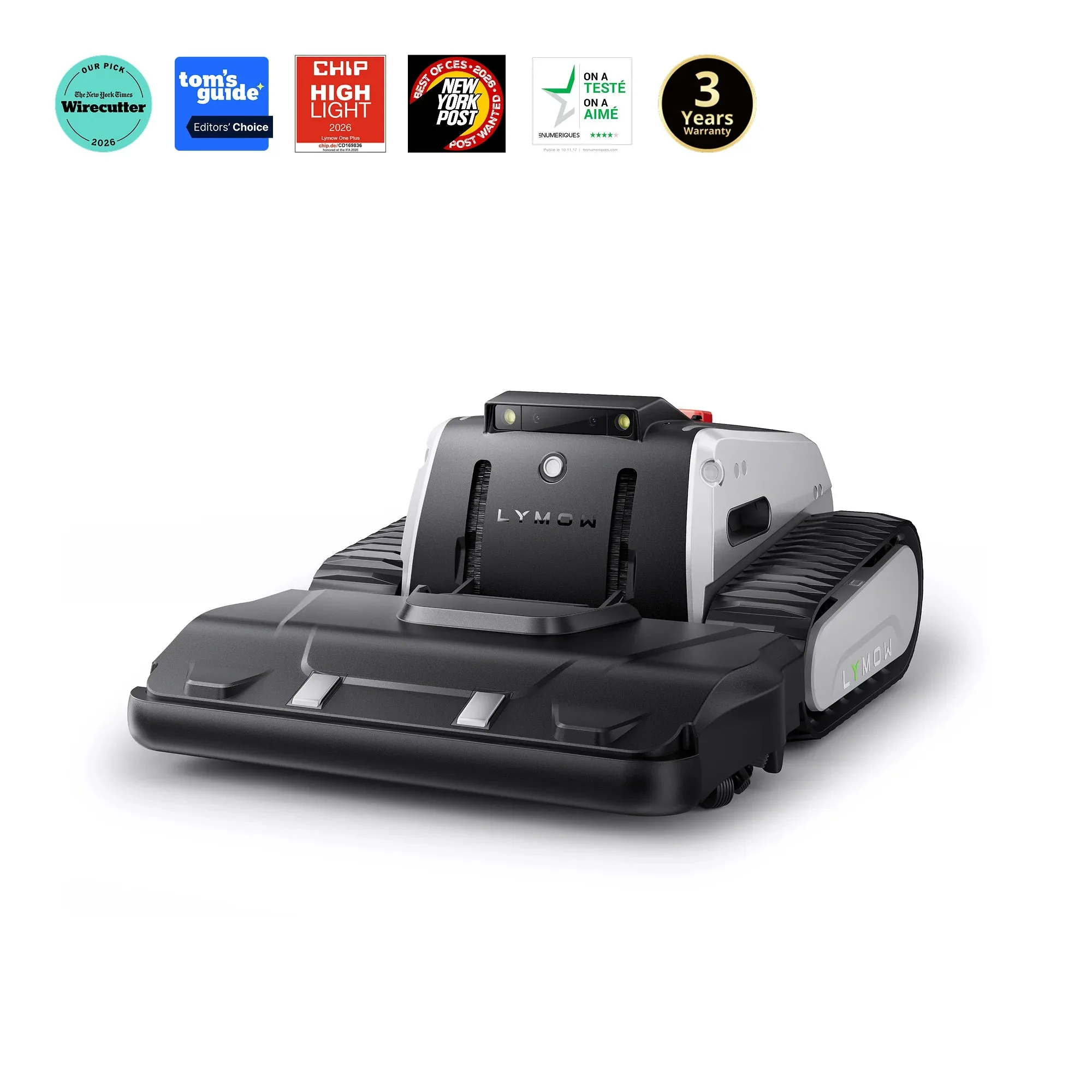
All-wheel-drive robot mower for lawns up to 0.75 acre with Tri-Fusion positioning that combines 360-degree LiDAR, NetRTK, and dual-camera AI vision, so no boundary wire and no RTK base station installation are needed. All-wheel drive handles slopes up to 80 percent, the 400 mm dual-disc cutting system cuts 1.0 to 2.7 in high, and the 21.6 V battery mows up to 150 min per charge. A built-in 4G module provides NetRTK corrections and remote app control with 3 years of free 4G service, and the mower is IPX6 waterproof.
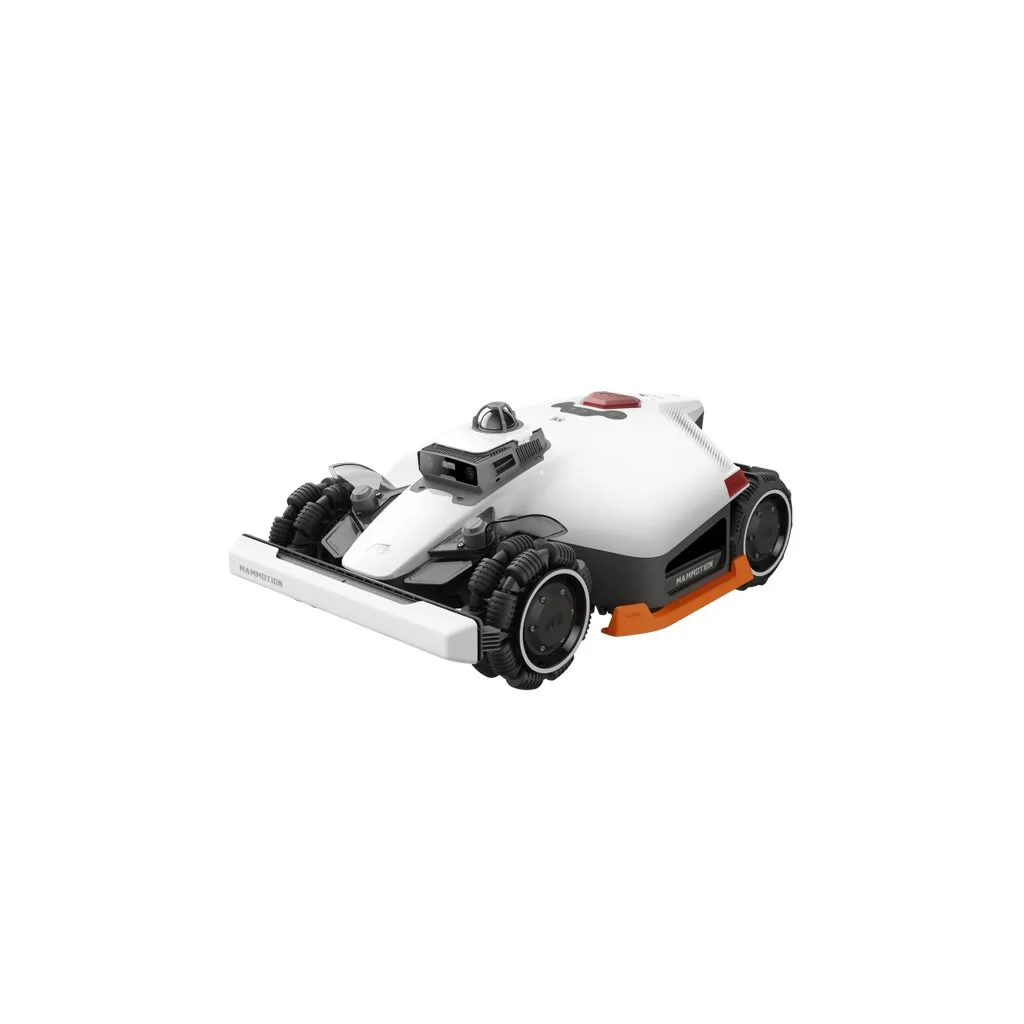
Wire-free robot mower for lawns up to 0.125 acre with EFLS 2.0 satellite positioning for centimeter-level accuracy and AI-assisted mapping with VisionFence camera obstacle avoidance. The mower climbs slopes up to 30 percent, runs at 58 dB(A), cuts 2 to 3.6 in high with a 7.1 in cutting width, and mows 60 min per full charge. Wi-Fi and Bluetooth connect the Navimow app for schedules and multi-zone management, and 4G anti-theft tracking is available through a separately sold Access+ module.
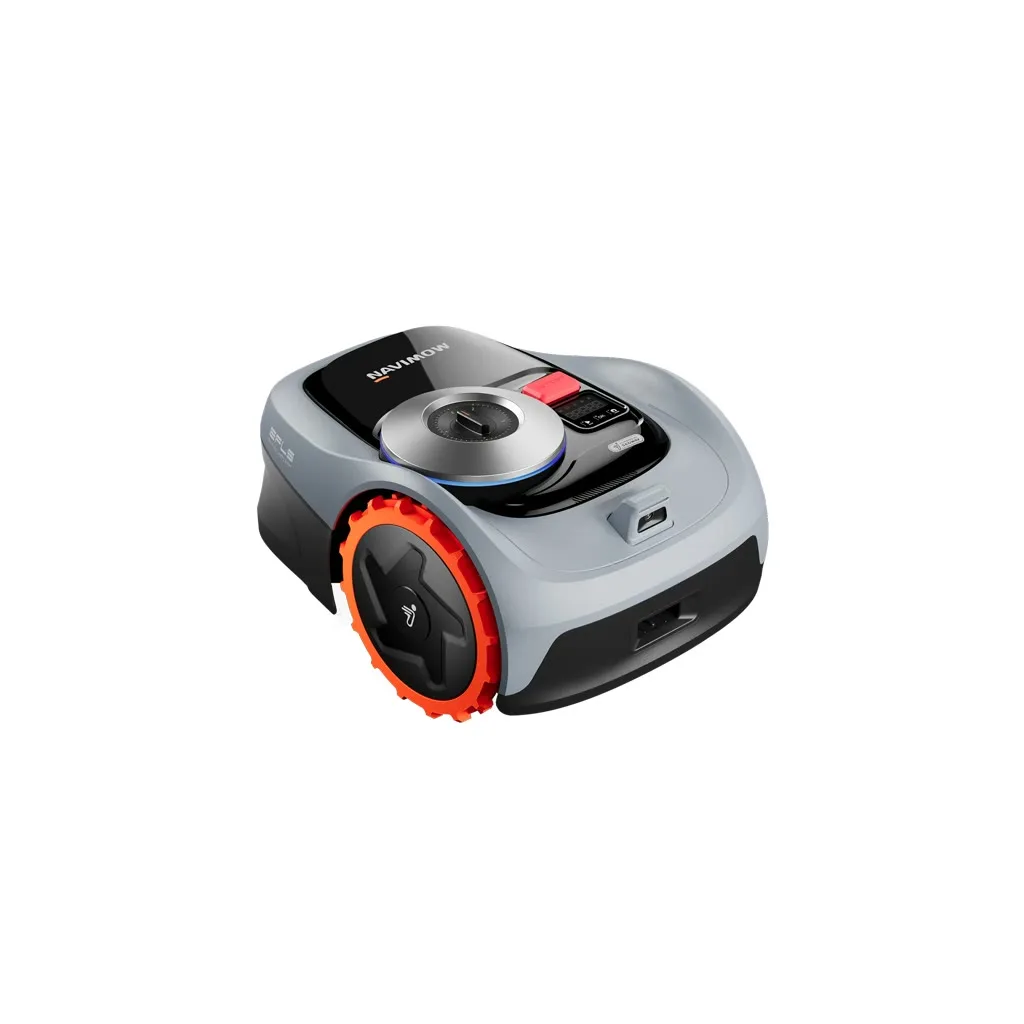
Flagship cordless robotic pool cleaner with HybridSense AI mapping using a 4K underwater camera and 27 sensors, AI Cruise debris detection, and 5-in-1 cleaning of floor, walls, waterline, surface, and water clarification. Covers pools up to 320 sq m with a 13400 mAh battery, dual-side brushes, app parking, and SmartDrain. 3-year full replacement warranty and 30-day returns.
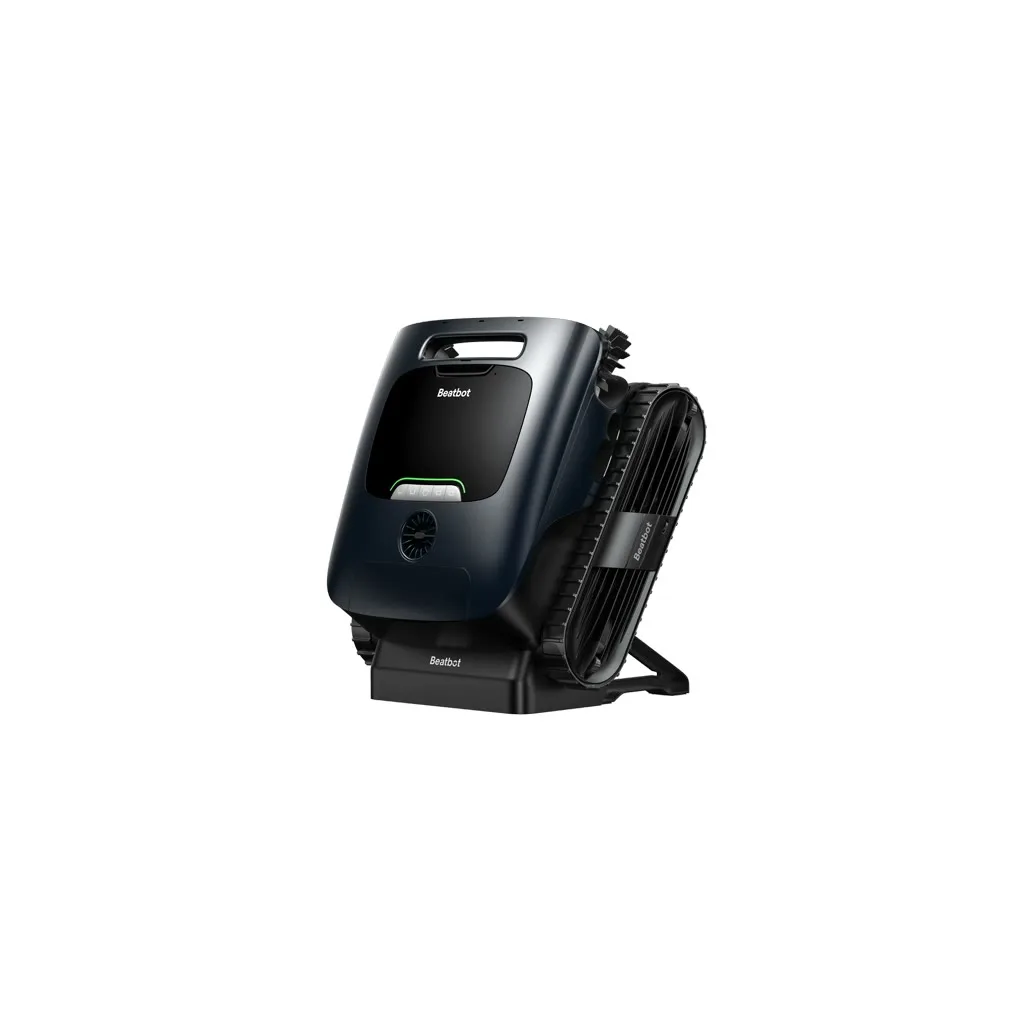
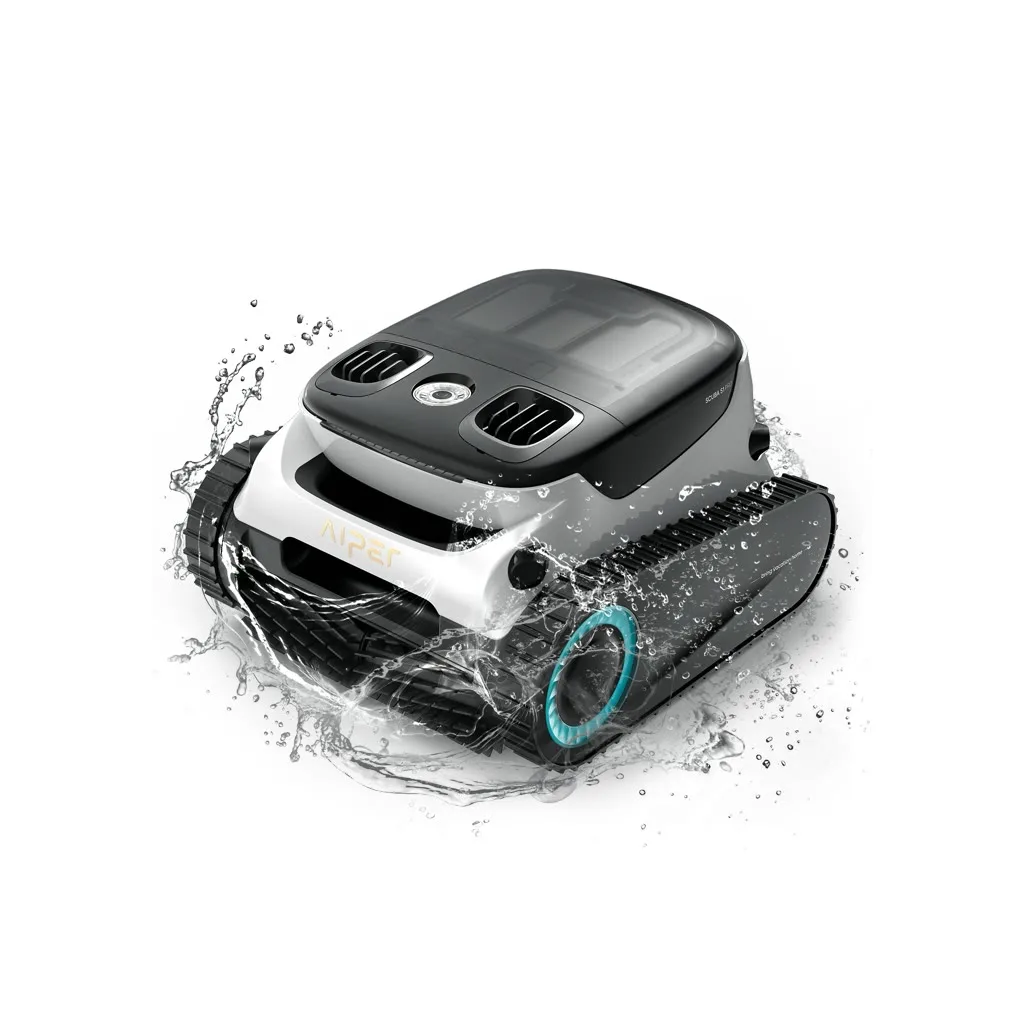
Cordless robotic pool cleaner with WaveLine 2.0 horizontal waterline cleaning, WavePath 2.0 navigation, infrared sensors, and caterpillar treads. Cleans floor, walls, and waterline in pools up to 2150 sq ft with 6000 GPH dual-jet suction, 5 cleaning modes, app control, and OTA updates. Up to 180 min runtime on a 4-hour charge.