16 CFR Part 1263 & UL 4200A Coin-Cell Battery Compliance Checklist for Smart Sensors & Trackers
Engineering and customs compliance playbook for Reese's Law (16 CFR Part 1263) and UL 4200A button battery enclosure rules across smart door sensors, wireless switches, beacons, and water leak detectors.
Statutory Scope of Reese's Law and 16 CFR Part 1263
In August 2022, the United States Congress enacted Reese's Law (Public Law 117-171) to eliminate pediatric ingestion hazards associated with button and coin cell batteries. To implement this mandate, the Consumer Product Safety Commission (CPSC) established 16 CFR Part 1263, making ANSI/UL 4200A-2023 mandatory for all consumer products manufactured or imported into the United States.
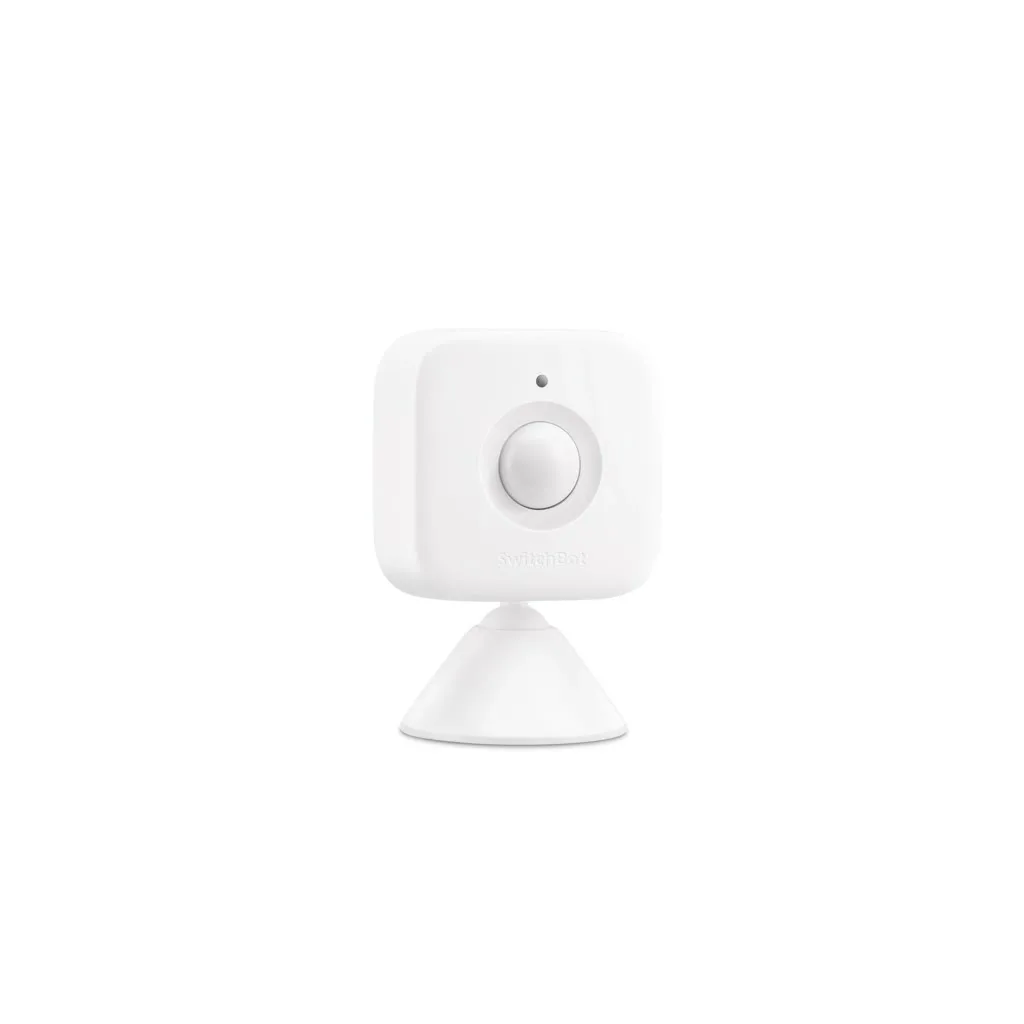
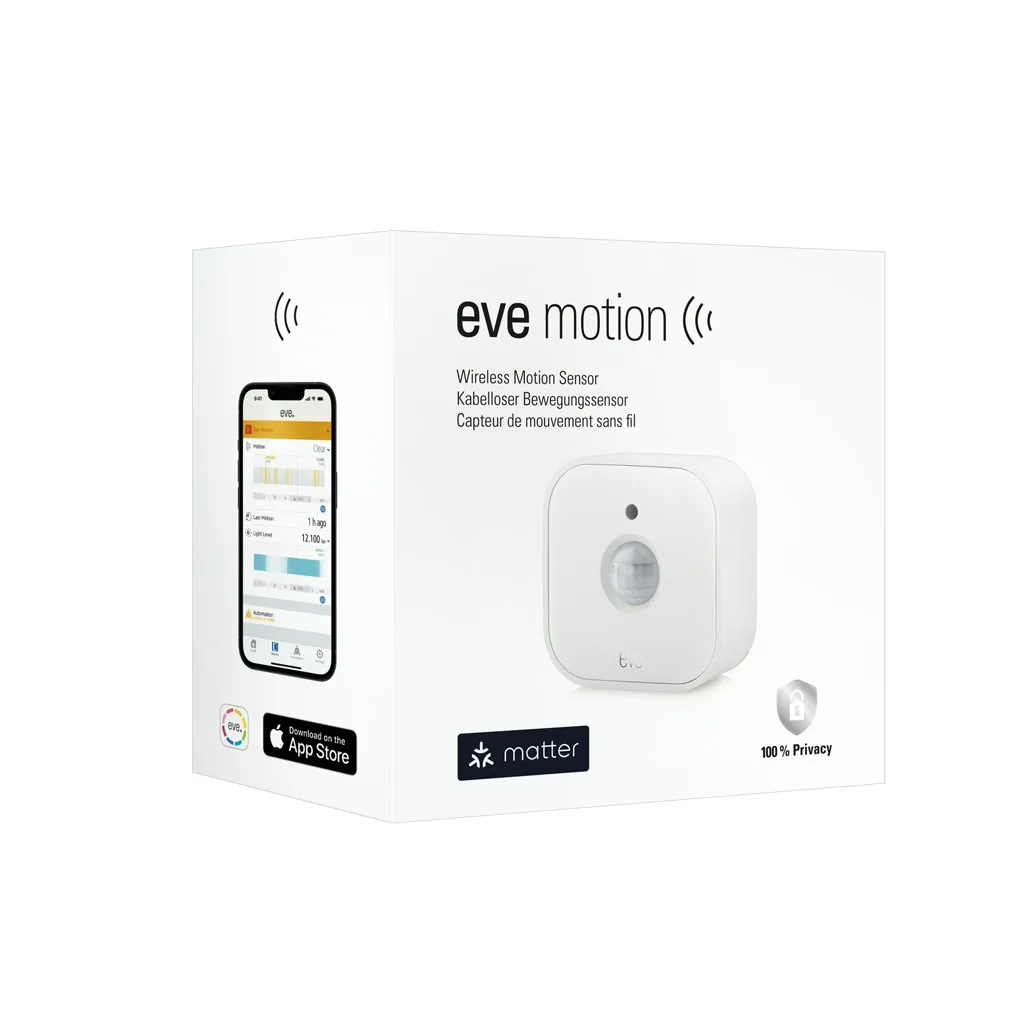
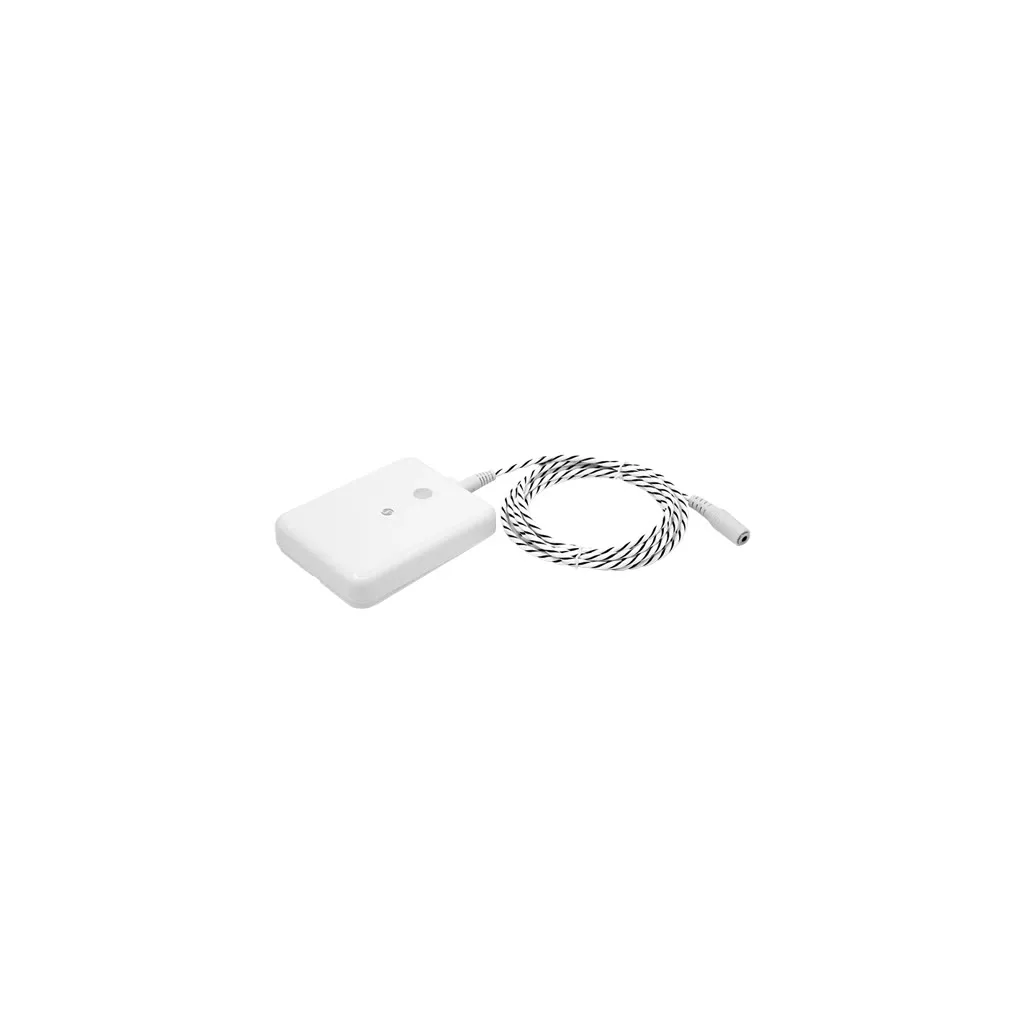
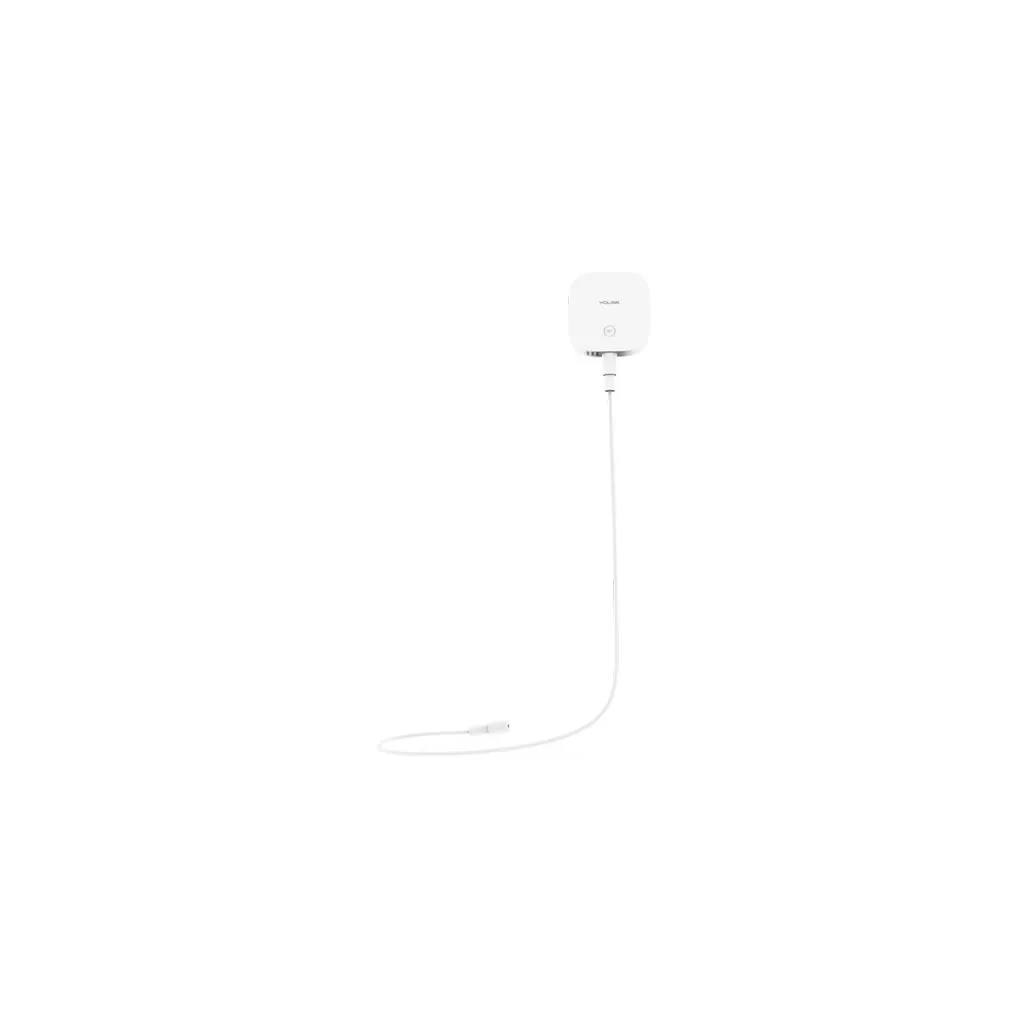
This federal regulation applies universally to any consumer electronic device utilizing coin or button cell batteries, regardless of whether batteries are replaceable or included in the package. For smart home importers, this rule directly impacts low-power wireless devices such as the SwitchBot Motion Sensor, the Eve Motion Matter Sensor, the Shelly Flood Gen4, and the YoLink Water Leak Sensor 2.
Devices relying on simple toolless snap-fit covers are prohibited from US entry. The statute covers all button or coin cells whose diameter exceeds their height, including lithium CR2032, CR2025, CR2450, and miniature alkaline cells. Non-compliant shipments face immediate port detention by CBP and CPSC import surveillance teams.
Mechanical Enclosure Engineering: Captive Screws and Dual Actions
The mechanical core of UL 4200A dictates that coin cell compartments must resist opening by children and withstand severe physical abuse. The standard mandates one of two enclosure retention designs:
Tool-Secured Closures: Accessing the battery must require a common household tool (such as a Phillips or Torx screwdriver) or coin. Crucially, the fastener must remain captive within the battery cover after loosening. A loose screw that falls free fails UL 4200A, as users could misplace it, leaving the battery exposed.
Dual-Action Toolless Closures: Opening the compartment by hand requires at least two independent, simultaneous, or sequential mechanical motions (such as squeezing opposing latches while sliding a cover). Single-motion friction slides or fingernail pry slots are strictly non-compliant.
Gate / Standard
Scope
Common Failure Mode
Pre-Order Check
16 CFR Part 1263 Mandate
All coin and button cell consumer products
Toolless sliding battery covers opening under finger pressure alone
Require captive screws or certified dual independent simultaneous release latches
UL 4200A Mechanical Stress
Drop, impact, torque, and crush testing
Plastic latch snapping during 1-meter drop onto concrete, exposing CR2032 cell
Conduct 3x drop tests and 2J impact trials on pre-production molded sensor bodies
UL 4200A Accessibility Probe
Probe test of battery compartment
Enclosure gap admitting Test Probe 11 articulation to touch the internal cell
Verify enclosure tolerances with certified 1.0mm and 2.5mm IEC test probes
Packaging Warning System
Point-of-sale retail packaging
Missing international safety alert symbol and Keep Out of Reach warning text
Verify primary display panel safety icons and minimum typography point sizes
On-Product Permanence
Permanent device marking
Paper sticker battery warnings peeling or smearing during rubbing tests
Require molded-in iconography or permanent pad printing passing alcohol wipe tests
To verify structural integrity, production units undergo rigorous mechanical stress testing:
Drop Testing: Handheld sensors must survive three drops from 1.0 meter onto hardwood over concrete.
Impact Testing: A 0.5 kg steel impactor delivers a 2.0-Joule strike directly onto the battery compartment seams.
Crush Testing: A 330-Newton (74.2 lbf) compressive load is applied across the compartment for ten seconds.
Accessibility Probe 11: After stress trials, UL Test Probe 11 (simulating a child finger) must not touch the battery.
On-Device Labeling, Packaging Warnings, and the GCC Requirement
Mechanical compliance must be coupled with strict, standardized safety labeling across retail packaging, product manuals, and the physical hardware:
Packaging Display Panels: Retail cartons must display the safety alert triangle, the signal word WARNING, and explicit text: "INGESTION HAZARD: DEATH or serious injury can occur if ingested. A swallowed button or coin cell battery can cause Internal Chemical Burns in as little as 2 hours. KEEP new and used batteries OUT OF REACH OF CHILDREN." Packaging must also feature the standardized child ingestion prohibition icon.
On-Product Markings: The device body must carry the safety alert symbol, signal word, and core hazard statement. On compact sensors like the Aqara Presence Sensor FP2 where surface space is constrained, the standard permits an abbreviated symbol pairing the alert triangle with the child prohibition icon.
Label Permanence: On-device markings must withstand solvent rub testing: fifteen seconds with water followed by fifteen seconds with isopropyl alcohol. Paper stickers that peel or smear fail inspection; markings should be molded or laser-etched.
Port-of-Entry CPSC Detentions and Third-Party Lab Audit Protocol
Under Section 14(a) of the Consumer Product Safety Act, the US Importer of Record must certify compliance through a formal General Certificate of Conformity (GCC).
Every GCC issued for coin-cell hardware must document:
Product identification matching commercial invoices and ocean bills of lading.
Citation of applicable safety regulations, explicitly naming 16 CFR Part 1263 / ANSI/UL 4200A-2023.
Legal name, address, and contact details of the US Importer of Record.
Date and location of manufacturing assembly.
ISO/IEC 17025 accredited third-party test laboratory name, report date, and unique report number.
CPSC surveillance teams stationed at US maritime ports and air cargo hubs routinely issue Notices of Detention under 19 CFR 151.16. Importers unable to present compliant test reports and matching GCC certificates within thirty days face mandatory re-export or cargo destruction.
Importers requiring laboratory test report audits, enclosure engineering reviews, or automated GCC documentation can contact the Sourcing Desk for operational assistance.
Frequently Asked Questions
Does 16 CFR Part 1263 apply if the product is shipped without coin cell batteries inside the box?
Yes. The standard applies to any consumer product designed to use button or coin cell batteries, even if the batteries are sold separately and not included inside the commercial retail packaging.
Can an importer use standard miniature Phillips screws for the battery compartment cover?
Only if the screw is mechanically captive within the battery cover or door assembly, meaning the screw cannot fall out or become separated from the cover when loosened.
Are rechargeable lithium coin cells (such as LIR2032) subject to Reese's Law and UL 4200A?
Yes. 16 CFR Part 1263 encompasses all button and coin cell batteries regardless of chemistry or whether they are primary (disposable) or secondary (rechargeable) cells.
Can on-product warning labels be printed on a removable paper adhesive sticker?
No. The standard requires permanent markings that resist rubbing with water and isopropyl alcohol; cheap paper stickers or non-cured pad printing will fail customs inspection.
Which testing laboratories are authorized to issue test reports for UL 4200A compliance?
Testing must be performed by an independent, third-party laboratory accredited to ISO/IEC 17025 with the specific UL 4200A standard listed on its formal scope of accreditation.
Export a structured pre-PO procurement checklist extracted from this playbook's verification sections, buyer diligence questions, and referenced catalog SKUs.
Battery-powered PIR motion sensor with a built-in light sensor, detecting movement up to 30 feet across a 110 degree horizontal and 55 degree vertical range, with Bluetooth Low Energy connection to the SwitchBot app and up to 3 years of battery life on two AAA batteries.
Wireless PIR motion and light sensor with Matter over Thread, a 120 degree field of view, up to 9 m detection range, IPX3 water resistance for indoor and outdoor use, and local communication with no Eve cloud, no registration, and no subscription.
Matter-certified flood sensor with Wi-Fi, Zigbee, and Bluetooth LE, a 2 m leak sensor cable extendable to 150 m, Flood and Rain modes, a built-in buzzer, and about 2 years of battery life on 4 AA batteries.
LoRa water leak sensor that detects water along a 1.2 m sensing cable, with a built-in 105 dB siren, up to 2 years of battery life on 2 AAA batteries, and up to 1/4 mile open-air range to the YoLink Hub.
Millimeter-wave presence sensor with 60 GHz radar that detects moving and still people, with zone positioning for up to 30 zones, multi-person tracking for up to 5 targets, fall detection, and a built-in light sensor, connecting directly over 2.4 GHz Wi-Fi with no Aqara hub required.