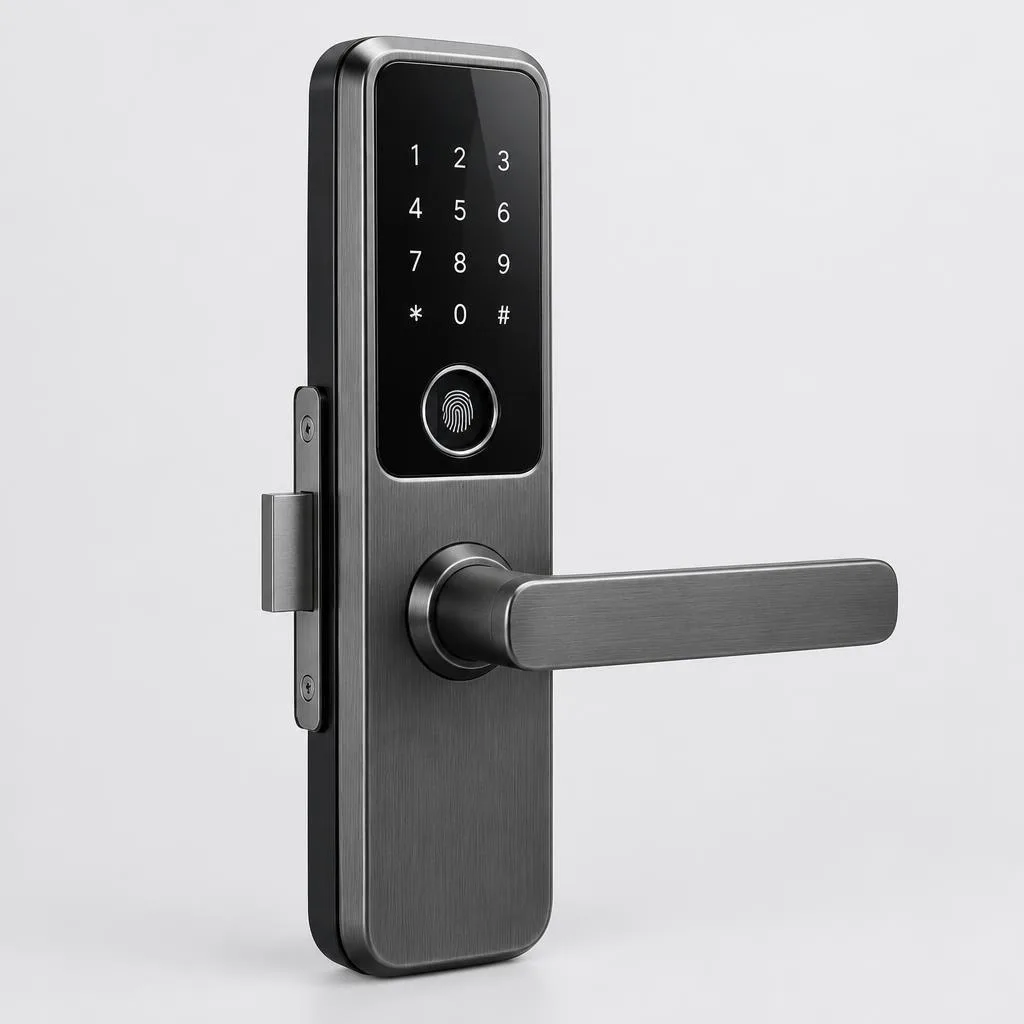
More smart-lock orders fail on door fit than on electronics. A lock that works perfectly in the supplier's test lab is worthless if its mortise does not match the doors in your market. This is a measurement exercise, and it is cheap to do before you order.
The four measurements that decide fit
- Mortise type and dimensions: the lock case that sits inside the door varies by region. Ask for the mortise drawing and compare it against the dominant door standard in your market.
- Backset: the distance from the door edge to the center of the handle spindle. A mismatch means the customer drills new holes or returns the product.
- Door thickness range: most locks support a band of thicknesses; doors outside the band need spacers or simply do not fit.
- Handing: left-handed vs right-handed doors. Reversible locks avoid the problem; non-reversible ones double your SKU count.
Beyond the door
- Climate: outdoor-facing locks in cold or humid markets need the supplier's ingress and temperature ratings in writing.
- Power: battery type, expected life and low-battery behavior decide your support ticket volume.
- Access ecosystem: fingerprint, PIN, card, app, mechanical key. Every additional method is another failure mode to support — match the method list to your channel, not to the brochure.
What to ask the supplier for
Request the full installation manual before sampling, not after. A supplier who cannot produce one in English does not have export-ready documentation, whatever the listing says. Then test-fit the sample on the three most common door types in your market before committing to a quantity.
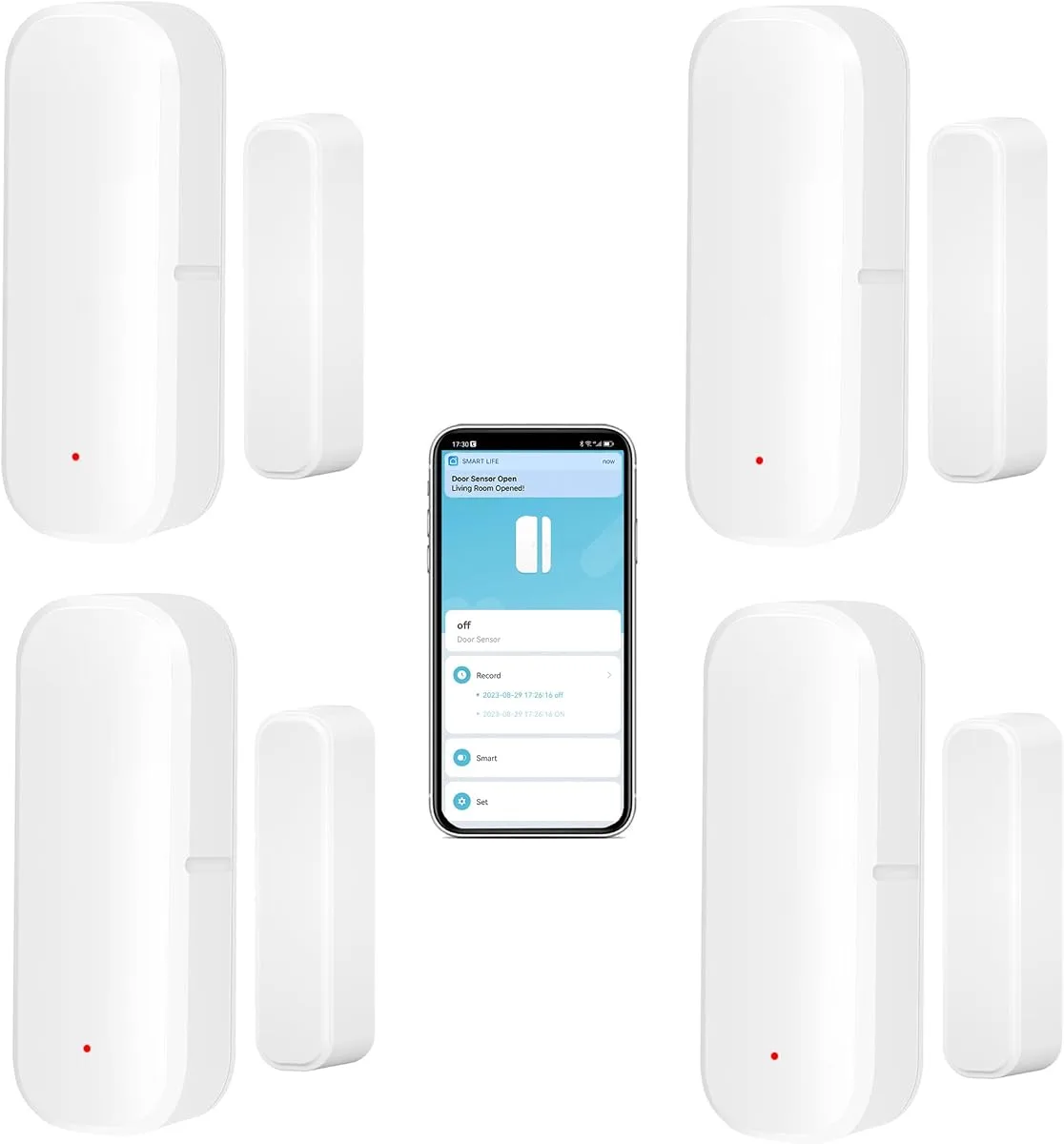
The lock and door-sensor products below show how we document fit-relevant fields. Where door-standard data is not yet confirmed, the product page says so explicitly rather than guessing.