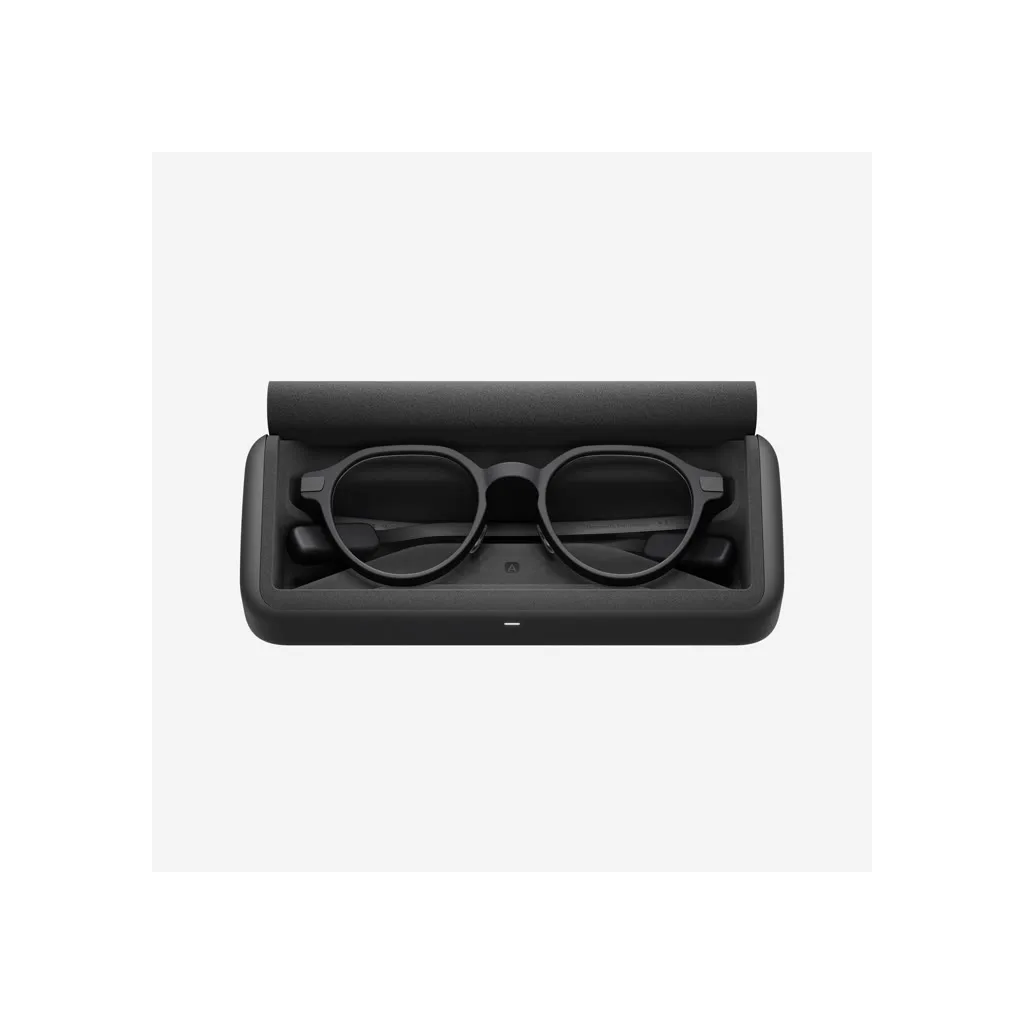
The B2B Opportunity for Ambient Voice Hardware Beyond Consumer Gadgets
Over the past eighteen months, demand for ambient artificial intelligence hardware has expanded from consumer gadgets into enterprise voice recorders, conference transcription hubs, and voice-assisted smart eyewear. While early consumer smart recorders gained popularity through social media, corporate procurement directors, law firms, healthcare networks, and executive gifting distributors require higher standards of acoustic performance, hardware customization, and data privacy.
The corporate gifting and enterprise distribution channel represents high-margin potential for hardware importers who source verified original design manufacturer (ODM) alternatives. Rather than distributing locked retail SKUs burdened by mandatory monthly subscriptions, commercial buyers can license white-label hardware platforms configured with dedicated enterprise firmware, custom corporate branding, and flexible cloud or on-premise application programming interface (API) pipelines.
The Cloud Subscription Trap vs Local Offline ASR Processing
The primary friction point for enterprise deployment of consumer AI voice recorders is ongoing cloud token subscriptions. Consumer brands package hardware at competitive initial prices but require users to pay ten to thirty dollars per month for transcription minutes and cloud storage. For an enterprise deploying 500 recording badges to field adjusters or medical staff, recurring subscription costs exceed the initial hardware purchase price within six months.
To capture commercial enterprise tenders, B2B sourcing teams evaluate two architectural approaches:
- Cloud-dependent transcription architecture: The hardware records raw audio files and transmits compressed audio over Bluetooth Low Energy or Wi-Fi to a mobile app, which forwards recordings to public cloud endpoints. If the vendor alters pricing or suffers an outage, device functionality is compromised.
- Local offline Automatic Speech Recognition (ASR): Modern microcontrollers and edge neural processing units (NPUs) execute speech-to-text models directly on-device or via local servers. In legal and healthcare settings, edge transcription eliminates external cloud transmission, delivering text generation with zero recurring monthly per-seat fees.
- Hybrid enterprise routing: Where advanced reasoning is required, enterprise buyers mandate custom cloud routing that directs encrypted audio streams to the client's private corporate cloud tenant rather than public consumer servers.
Enterprise Data Governance, Two-Party Consent & Regulatory Privacy Boundaries
Deploying ambient audio recording devices across commercial environments involves strict legal compliance. Hardware distributors and corporate buyers must verify structural privacy safeguards before distributing voice recording wearables:
- Two-party wiretap consent jurisdictions: In the United States, twelve states (including California, Florida, Illinois, Pennsylvania, and Massachusetts) enforce all-party consent statutes for audio recording. In commercial meeting rooms, recording devices must incorporate conspicuous physical visual indicators (such as illuminated front-facing status LEDs) or audible chime prompts when recording initiates.
- Healthcare and financial compliance boundaries: Audio hardware utilized in clinical patient encounters or financial advisory sessions must comply with HIPAA security safeguards in the United States and GDPR data processing mandates across international operations. Importers must verify that companion software does not store unencrypted audio files in public cloud buckets or transfer metadata without TLS 1.3 encryption.
- Physical microphone mute isolation: Enterprise IT departments favor voice recorders and smart eyewear that feature physical hardware microphone disconnect switches, providing electrical isolation that cannot be overridden by companion mobile application updates.
Enterprise Audio Wearable Architecture & Deployment Matrix
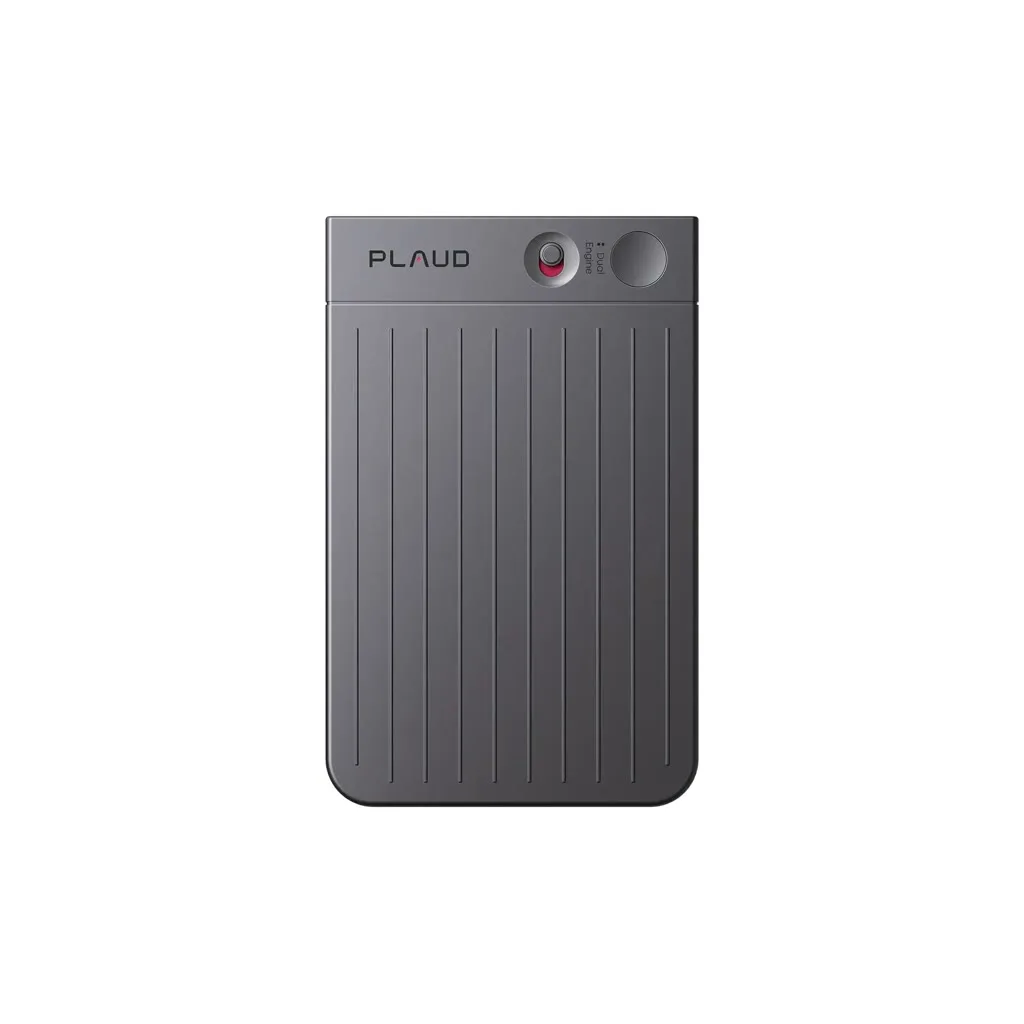
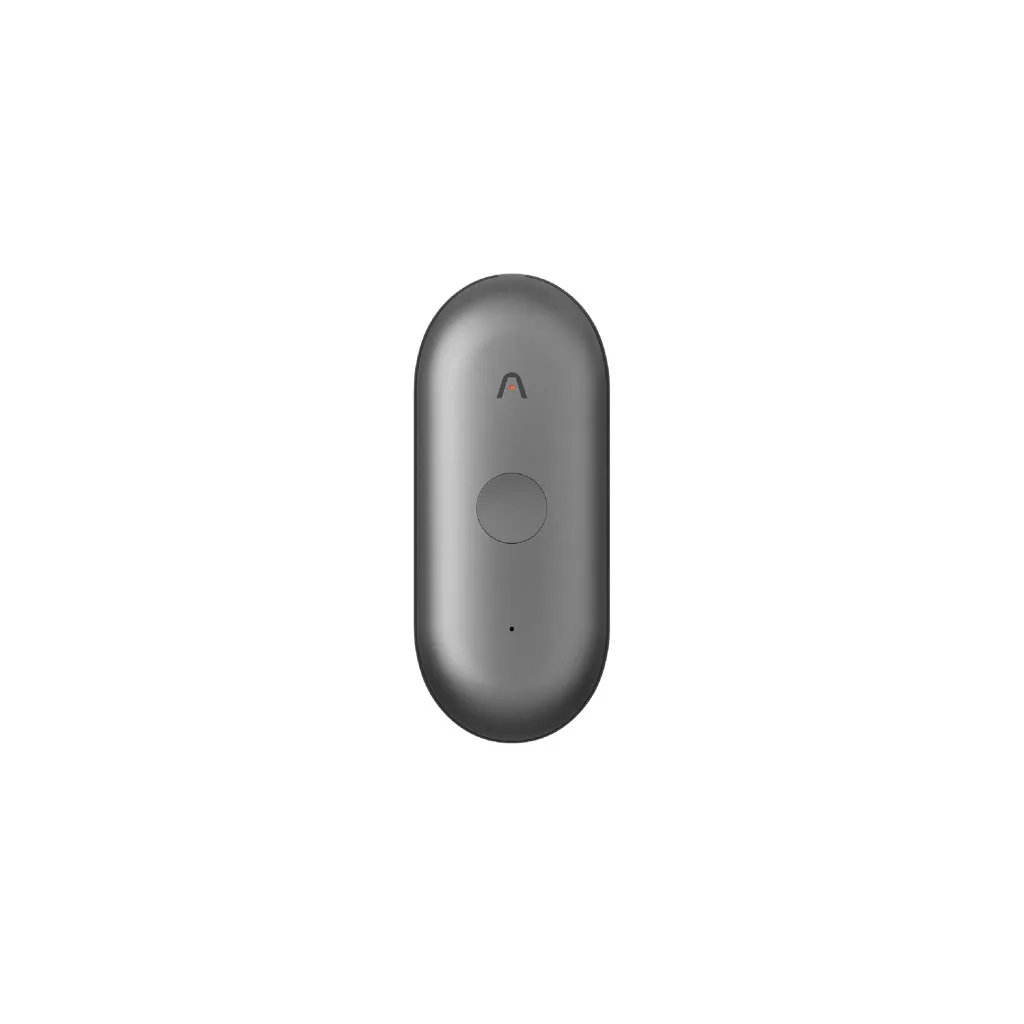
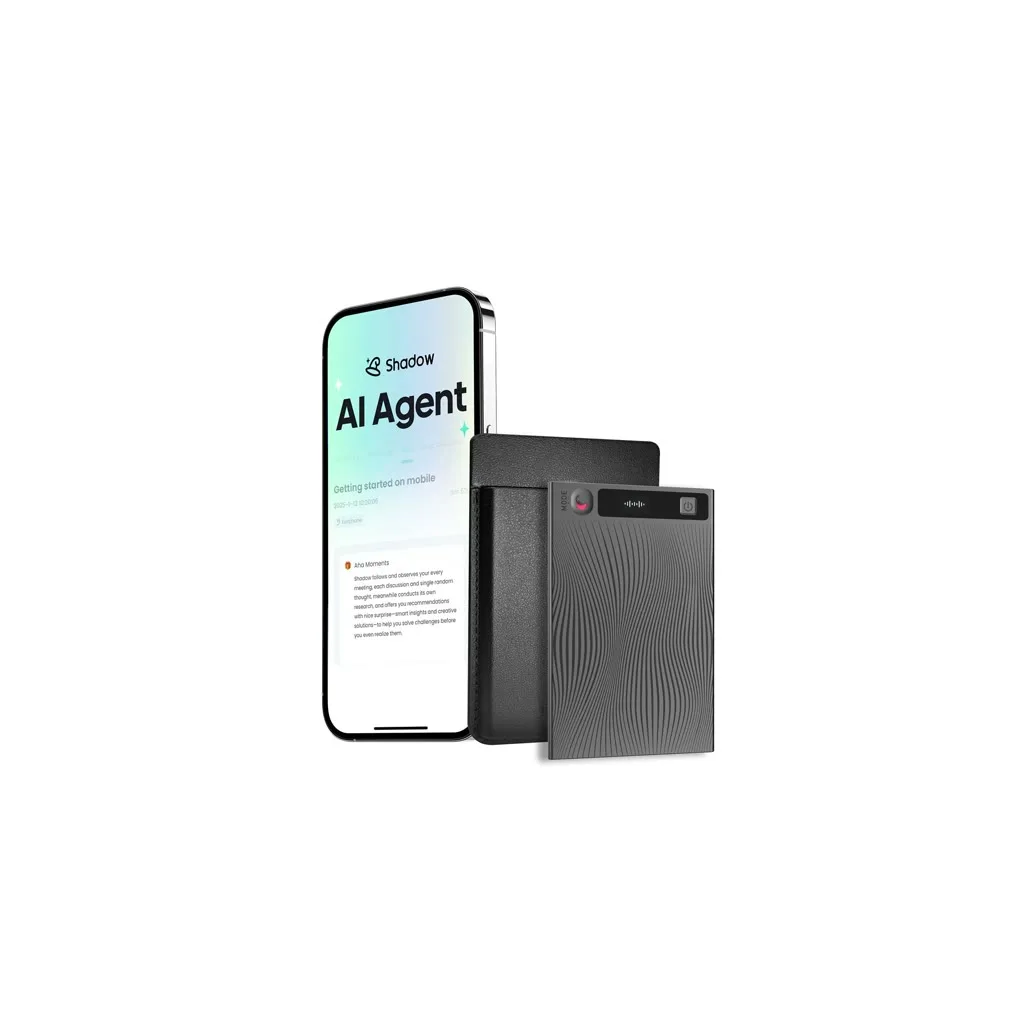
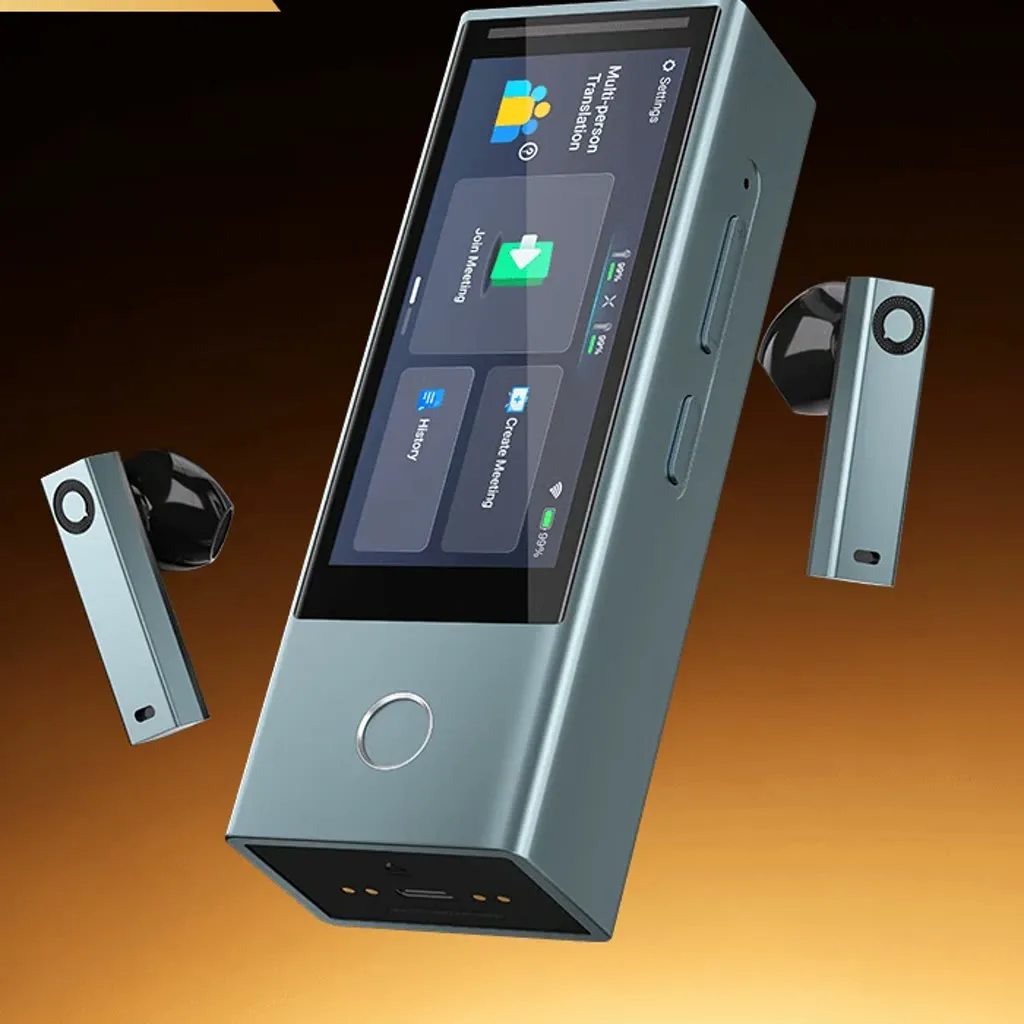
| Parameter | Magnetic Phone-Back Voice Badge | Lapel Clip AI Voice Pendant | Enterprise Conference Hub | Camera-Free Audio Smart Glasses |
|---|
| Target Use Case | Executive meetings, mobile calls | Field notes, healthcare, legal | Multi-speaker boardrooms | Hands-free translation, prompting |
| Microphone Array | Dual MEMS + Piezo sensor | Dual Knowles MEMS + DSP | 4 to 8 beamforming MEMS | Dual beamforming open-ear mics |
| Onboard Storage | 16GB to 64GB NAND flash | 8GB to 32GB NAND flash | 64GB to 128GB local storage | 4GB to 16GB integrated flash |
| Battery Runtime | 24 to 30 hours continuous | 10 to 14 hours continuous | AC powered / 8-hour backup | 6 to 8 hours audio streaming |
| Offline ASR Engine | Supported via host app | Edge transcription capable | Onboard offline transcription | Local wake-word + app engine |
| Privacy Controls | Physical toggle switch | Vibration indicator + LED | Hardware mute button + ring LED | Physical arm sensor / LED cutoff |
| Connectivity | BLE 5.3, MagSafe magnetic | BLE 5.2, USB Type-C high speed | Wi-Fi 6, Ethernet RJ45, BLE | BLE 5.3, directional audio |
| B2B Verification Gate | Dual-channel acoustic isolation | Lapel friction noise damping | 360-degree acoustic pick-up | Head SAR report, drop-ball impact |
Acoustic Engineering: MEMS Arrays, Bone Conduction & Offline Flash Buffers
High-intent commercial buyers must inspect acoustic hardware specifications to ensure clear transcription accuracy in real-world corporate environments:
- Dual MEMS and bone-conduction sensor fusion: Magnetic recording badges attaching to smartphone rear casings use a combination of air-conduction MEMS microphones and piezoelectric vibration sensors. When recording phone conversations, the piezoelectric pickup captures acoustic vibrations conducted through the phone chassis while rejecting ambient environmental chatter.
- Acoustic noise floor and dynamic range: Microphones must exhibit a signal-to-noise ratio (SNR) above 64 decibels and an acoustic overload point (AOP) exceeding 120 decibels sound pressure level (SPL) to prevent clipping during loud presentations.
- Onboard non-volatile NAND flash buffers: Mobile operating systems aggressively terminate background companion applications to preserve battery power. If Bluetooth connection drops during an executive briefing, the hardware recorder must record reliably to onboard non-volatile NAND storage, preventing dropped files.
OEM Golden Sample Testing & Factory Pre-Shipment Verification Checklist
When ordering production quantities of private-label voice recorders, translation earbuds, or audio frames, procurement managers must validate these pre-shipment quality gates:
- Frequency Response Testing: Test microphone pickup across the voice frequency band (100 Hz to 8 kHz) to verify balanced sensitivity within a plus-or-minus three decibel tolerance band.
- Bluetooth Reconnection Latency: Verify the recording badge reconnects to host applications in under three seconds following sleep state wake-up.
- Battery Durability: Run charge and discharge cycle testing on high-density lithium polymer pouch cells, confirming retention of at least 85 percent original capacity after 300 cycles.
- Laser Engraving Uniformity: For corporate gifting orders, inspect custom logo laser engraving and anodized aluminum shell finishing under colorimeter standards (Delta E under 1.5).
- Pre-PO Sourcing Verification Gate: Wholesale pricing for custom tooling and private-label firmware builds varies depending on production quantity tiers. Importers can review verified SKU specifications, sample availability, and custom OEM requests through the SmartLife100 commercial inquiry desk.