Why the Gulf Cooperation Council Requires Pre-Shipment Digital Port Clearances
High-value residential villa construction, luxury hospitality projects, and rapid smart-building retrofits across Riyadh, Jeddah, Dubai, and Abu Dhabi have made the Gulf Cooperation Council one of the highest average-order-value smart hardware regions worldwide. However, unlike markets that rely primarily on post-market retail audits, Saudi Arabia and the United Arab Emirates enforce strict digital pre-clearance portals linked directly to sea and air customs manifests.
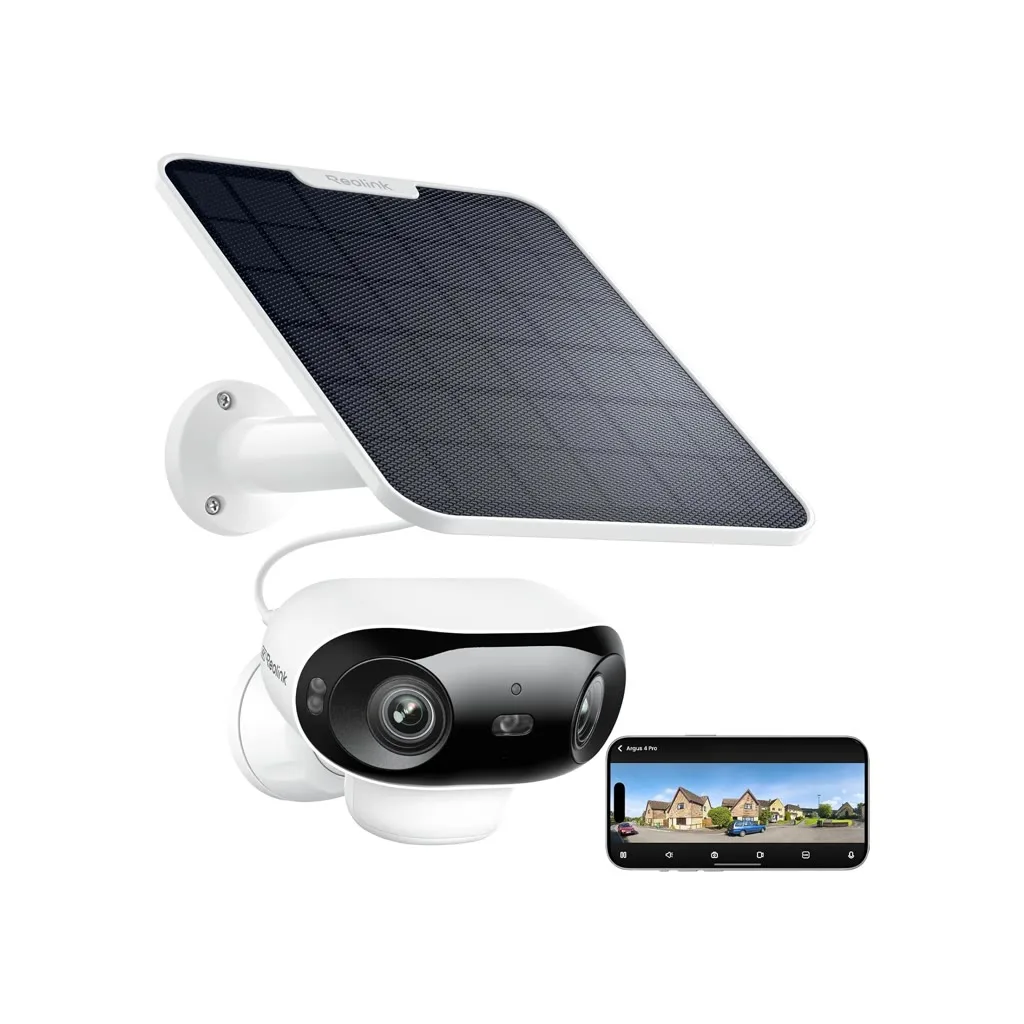
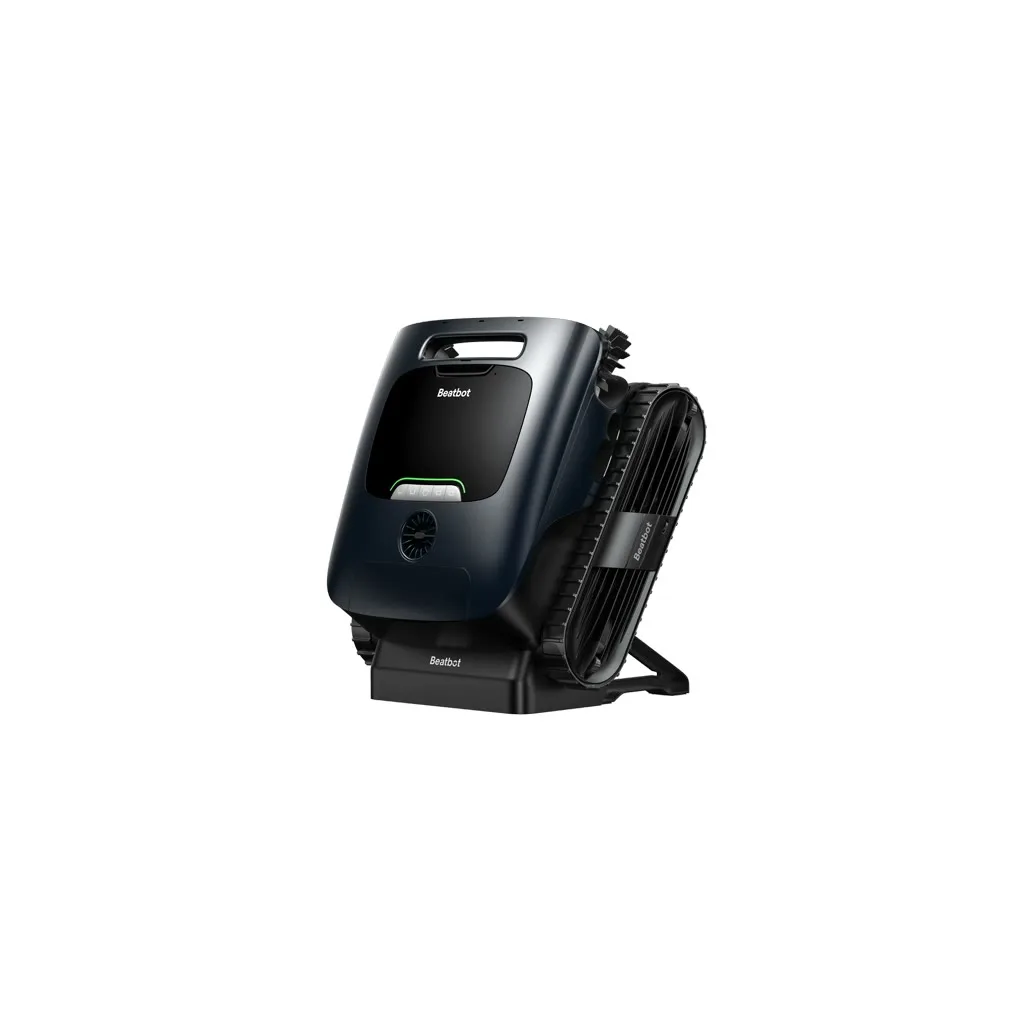
If a container of smart locks, DIN-rail relays, solar perimeter cameras, or cordless pool robots arrives at Jebel Ali, Dammam, or Jeddah Islamic Port without active electronic conformity certificates tied to exact Harmonized System tariff codes, shipments incur daily port demurrage, mandatory re-export orders, or destructive customs holds. B2B importers must sequence Conformity Assessment Body filings, radio type approvals, plug verification, and Arabic packaging localization weeks before vessel departure.
Saudi Arabia Import Architecture: SABER PCoC/SCoC, SASO IECEE, and CITC/CST RF
Importing regulated smart hardware into the Kingdom of Saudi Arabia is governed by the Saudi Standards, Metrology and Quality Organization (SASO) through the online SABER platform alongside the Communications, Space and Technology Commission (CST, formerly CITC):
- HS Code triage and SABER two-stage certification: The Saudi importer registers every SKU on SABER under its 12-digit HS code. Regulated products require an annual Product Certificate of Conformity (PCoC) issued by a SASO-approved Conformity Assessment Body, followed by a Shipment Certificate of Conformity (SCoC) generated against the commercial invoice and bill of lading for every individual consignment.
- SASO IECEE National Recognition Certificate: High-scrutiny categories—including AC power adapters, smart plugs, mobile chargers, lighting products, water pumps, and lithium battery chargers—require a valid CB Test Certificate and CB Test Report from an IECEE National Certification Body before SASO issues an IECEE Recognition Certificate.
- CST Radio Type Approval and RoHS: Connected devices utilizing Wi-Fi, Bluetooth LE, Thread, Zigbee, or 4G/5G cellular modules must obtain CST Equipment Licensing conformity, demonstrating compliance with Saudi radio spectrum allocations alongside SASO Technical Regulation for Restriction of Hazardous Substances (SASO RoHS).
United Arab Emirates Import Architecture: TDRA Type Approval, MOIAT ECAS, and G-Mark
The United Arab Emirates serves both rich domestic villa developments and regional re-export distribution across neighboring Gulf states, governed by two primary federal authorities:
- UAE TDRA Type Approval: Every telecom and wireless transceiver—covering smart home hubs, Matter over Thread sensors, AI voice translators, and cellular outdoor cameras—must be registered by a licensed local UAE telecom equipment dealer in the Telecommunications and Digital Government Regulatory Authority (TDRA) portal prior to commercial import, displaying the TDRA conformity label in user documentation or packaging as specified.
- MOIAT ECAS and EQM electrical safety: The Ministry of Industry and Advanced Technology enforces the Emirates Conformity Assessment Scheme (ECAS) covering low-voltage electrical equipment (LVE), Restriction of Hazardous Substances, and energy efficiency labeling where applicable.
- Gulf G-Mark (GSO Low Voltage Technical Regulation BD-142004-01): Household electrical appliances, AC charging docks, and plug-in adapters falling under GSO List 2 must carry the Gulf Conformity Tracking Symbol (G-Mark) complete with a scannable QR code linking to the GSO conformity registry.
Grid Voltage, BS 1363 Type G Plugs, and Mandatory Bilingual Arabic Documentation
Physical electrical hardware and retail packaging shipped into Saudi Arabia, the UAE, Qatar, Bahrain, Kuwait, and Oman must match Gulf utility and consumer protection mandates:
- 220–240V AC grids and 60Hz Saudi / 50Hz UAE frequency alignment: The UAE, Qatar, Kuwait, Oman, and Bahrain operate on 220–240V at 50Hz, while Saudi Arabia operates predominantly on 220–230V at 60Hz (following national grid unification away from legacy 127V pockets). Specify universal 100–240V 50/60Hz switching power supplies and verify AC motor or relay timing circuits tolerate both 50Hz and 60Hz operation.
- Mandatory BS 1363 Type G fused plugs: Both SASO 2203 in Saudi Arabia and UAE.S BS 1363 in the Emirates strictly mandate grounded three-pin rectangular Type G plugs equipped with BS 1362 fuses and safety-shuttered socket compatibility. Two-pin continental Europlugs or North American NEMA blades are routinely rejected at SABER and ECAS photo inspection.
- Bilingual Arabic and English manuals and rating labels: Consumer manuals, safety warnings, and exterior retail box specifications must include clear, idiomatic Modern Standard Arabic alongside English, plus permanent country-of-origin marking engraved or printed on both device housing and master cartons.
Extreme 50C Desert Thermal Engineering, Solar UV, and Dust Ingress Realities
Passing paperwork checks is only half the battle in the Middle East; summer ambient shade temperatures across Riyadh, Dubai, Kuwait City, and Doha regularly reach 48 to 52 degrees Celsius, pushing direct sun-exposed surfaces past 70 degrees Celsius:
- Lithium battery chemistry under high solar heat: Standard consumer lithium-Cobalt or high-energy pouch cells inside outdoor video doorbells and solar PTZ cameras swell, vent, or trigger permanent BMS thermal shutdowns when mounted on sun-baked masonry villa walls. Procurement specs for outdoor Gulf security SKUs should prioritize LiFePO4 (lithium iron phosphate) cells or wide-temperature industrial cells paired with white UV-reflective ASA/polycarbonate sunshields and NTC charging derating above 50 degrees Celsius.
- Fine silica dust and chlorinated pool salinity: Shamal sandstorms drive micron-scale abrasive dust into motorized camera gimbals and robotic mower wheel bearings unless protected by IP66 seals, while cordless robotic pool cleaners operating in heated Gulf villa pools require Viton or double-lip EPDM shaft seals resistant to elevated chlorine and salt-chlorinator corrosion.
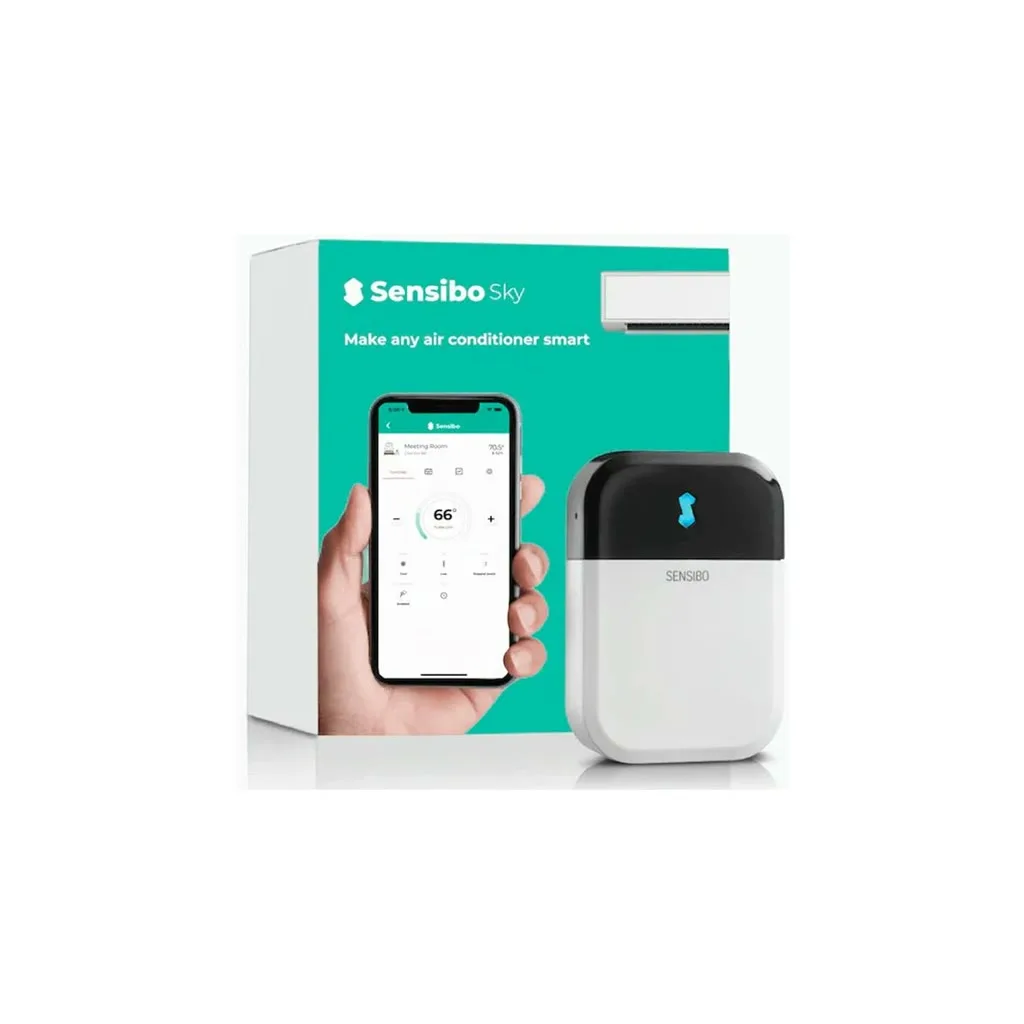
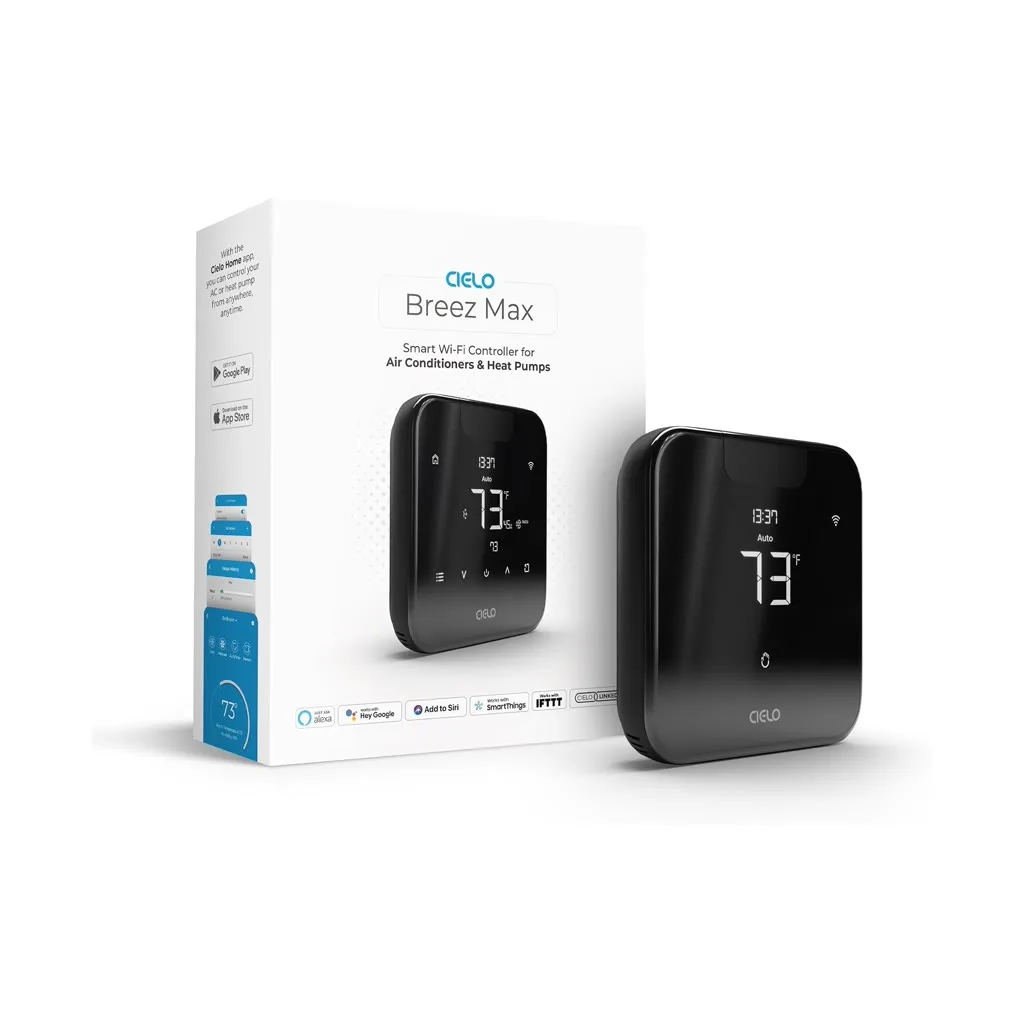
- Split-unit and ducted AC controller demand: Because villa air conditioning runs nine to ten months per year, smart IR/Wi-Fi/Matter AC controllers and multi-channel 16A–20A DIN-rail contactor relays deliver immediate energy ROI when rated for high continuous compressor inductive loads.
Pre-Shipment Inspection & SABER/TDRA Execution Checklist
Run five structured verification gates before booking sea or air cargo into GCC ports:
- Lock CB test reports before deposit: Confirm valid IEC 62368-1 or IEC 60335 CB certificates under three years old exist for both main units and external AC power bricks before initiating SABER or ECAS registration.
- Photograph production plugs and Arabic labels: SABER Conformity Assessment Bodies require time-stamped factory photographs of actual Type G fused plugs, rating plates, barcodes, and bilingual Arabic packaging before issuing PCoC approvals.
- High-temperature chamber burn-in: Test outdoor solar cameras and pool docks inside a 55-degree-Celsius thermal chamber for 24 hours under active load to verify zero lens focus drift, adhesive delamination, or thermal reboot loops.
- UN38.3 and MSDS dangerous-goods file: Confirm air-freighted samples into DXB or RUH ship at under 30 percent state of charge with complete IATA Class 9 lithium documentation.
- Commercial terms transparency: CAB registration fees, factory unit pricing, and minimum Arabic packaging print runs remain Unknown until scoped against exact SKU lists and order volume through the SmartLife100 inquiry portal.