Sourcing smart home hardware for multi-dwelling units (MDUs), hotels, student housing, or build-to-rent retrofits is an operational engineering decision rather than a retail box comparison. In single-family retail, one household buys a plug or sensor and pairs it to a home router. In a 50-unit or 200-unit property, protocol selection governs gateway hardware count, 2.4 GHz radio congestion, tenant-turnover reset labor, local automation survival during WAN outages, and spare-parts continuity across multi-year build phases. This guide provides a B2B procurement framework and does not constitute legal advice or a guarantee of third-party ecosystem interoperability.
Selection criteria by project and operating model
- Centrally managed hospitality, student housing, and serviced apartments: Zigbee 3.0 paired with a dedicated per-unit wired gateway remains the more mature, lower-BOM-cost option when the property operator controls the gateway account and needs specialized commercial endpoints such as 20A water heater switches, motorized shutoff valves, or curtain motor modules.
- Build-to-rent, condominiums, and resident-handoff units: Native Matter devices (over Wi-Fi or Thread) or Zigbee endpoints exposed through a certified Matter Bridge fit projects where incoming tenants expect local control from their own Apple Home, Google Home, Amazon Alexa, or Samsung SmartThings apps via Multi-Admin without sharing personal cloud credentials with building management.
- Retrofit contractor channels: Before comparing wireless protocols, filter in-wall switches and relays by physical wall-box standard (US 120 x 72 mm vs EU/CN 86 x 86 mm), neutral-wire availability, and continuous load rating.
Protocol, transport, gateway, and ecosystem layers
A protocol badge on a supplier quote or carton never guarantees full compatibility across every ecosystem. Buyers must separate four distinct technical layers before sampling.
- Zigbee 3.0 standard vs vendor-specific datapoints: Maintained by the Connectivity Standards Alliance (CSA), Zigbee 3.0 combines an IEEE 802.15.4 2.4 GHz radio and mesh layer (one Zigbee Coordinator, mains-powered Zigbee Routers, and battery-powered Zigbee End Devices) with the application-layer Zigbee Cluster Library (ZCL). However, many export factories use ecosystem modules (such as Tuya Zigbee modules) that rely on manufacturer-specific clusters or custom datapoints (for example, cluster 0xEF00) for energy metering, curtain travel calibration, or multi-gang states. These endpoints work as specified on the matching vendor Zigbee gateway, but may expose incomplete attributes on third-party Zigbee 3.0 coordinators.
- Matter is an IPv6 application layer, not a radio physical layer: Also standardized by the CSA, Matter runs over IPv6 atop Wi-Fi, Ethernet, or Thread (an IEEE 802.15.4 low-power IPv6 mesh protocol defined by the Thread Group). Matter-over-Wi-Fi devices join the unit WLAN directly, whereas Matter-over-Thread devices require a Thread Border Router to route IPv6 packets between the Thread mesh and the local IP network.
- Native Matter End Device vs Matter Bridge: Many suppliers marketing Matter solutions actually pair standard Zigbee switches, valves, and sensors to a Zigbee-to-Matter Bridge hub. Under the CSA Matter specification, bridged devices appear as Bridged Node endpoints behind an Aggregator. Bridging lowers endpoint cost, but only device types and attributes mapped by both the bridge firmware and the target ecosystem controller will cross into the Matter fabric.
- Ecosystem feature lag and Multi-Admin limits: Holding a valid CSA Matter Certificate ID proves conformance to a specific Matter specification version and device type at test time. It does not guarantee that Apple Home, Google Home, Alexa, and SmartThings support every cluster attribute (such as real-time kWh/W metering, valve alarms, or power-on relay behavior) on the same OS release schedule. Even with Multi-Admin enabled, hardware calibration (curtain travel limits or over-current thresholds) often still requires the vendor native app.
Physical and network deployment conditions in multi-unit buildings
- 2.4 GHz channel planning: Wi-Fi (2.4 GHz), Zigbee (IEEE 802.15.4 channels 11 to 26), and Thread all share the 2.4 GHz band. Where tenant Wi-Fi routers saturate channels 1, 6, and 11, project gateways must support fixed Zigbee channel selection (typically channels 15, 20, or 25) and per-unit coordinator isolation.
- Mesh router density and wall-box attenuation: Concrete shear walls, fire doors, and metal junction boxes attenuate low-power 2.4 GHz signals. Battery-powered sensors are sleepy end devices that never route traffic. Every unit requires a backbone of mains-powered Zigbee Routers or Thread router-eligible devices, and buyers must confirm in writing that the chosen mains-powered SKU enables mesh routing in firmware.
- VLANs, multicast, and tenant turnover: Matter relies on Bluetooth LE for commissioning and IPv6 multicast (mDNS) on the local LAN. Managed building Wi-Fi with client isolation or blocked multicast across VLANs breaks Matter commissioning unless each unit has an isolated local VLAN or wired gateway. Buyers should also define how staff factory-reset gateways or revoke fabrics at tenant move-out without the departing tenant phone.
Documents to request and sample testing protocol
- Pre-sample document package: Request exact model numbers, wireless module part numbers, and shipping firmware versions; the official CSA Certificate ID (verifiable at csa-iot.org/csa-iot_products/) showing whether a Matter claim is a certified End Device, a Bridge, or a Certification Transfer; Thread Group certification status where applicable; ZCL cluster or Tuya PID tables; and US compliance records (FCC Part 15 Subpart C FCC ID grants for wireless transmitters and NRTL or accredited electrical safety test reports for 100-240V AC relays and switches).
- Sample bench verification: Mount samples inside target wall boxes (metal vs PVC, US vs 86-box) with real motor and resistive loads. Commission devices across current iOS and Android builds of Apple Home, Google Home, Alexa, and SmartThings, recording which attributes drop out. Disconnect WAN internet to confirm local schedules, leak-shutoff linkages, and physical switches still work offline, and cycle AC power to verify relay default states.
Pre-order risks, catalog references, and sourcing-desk CTA
Wholesale listings frequently mix Wi-Fi, Bluetooth LE, and Zigbee variants under one page with ambiguous SKU tables or unverified Matter roadmap claims. Freeze the exact protocol, current rating, wall-box standard, gateway dependency, and firmware build in the purchase contract, and prohibit unapproved module swaps after sample sign-off.
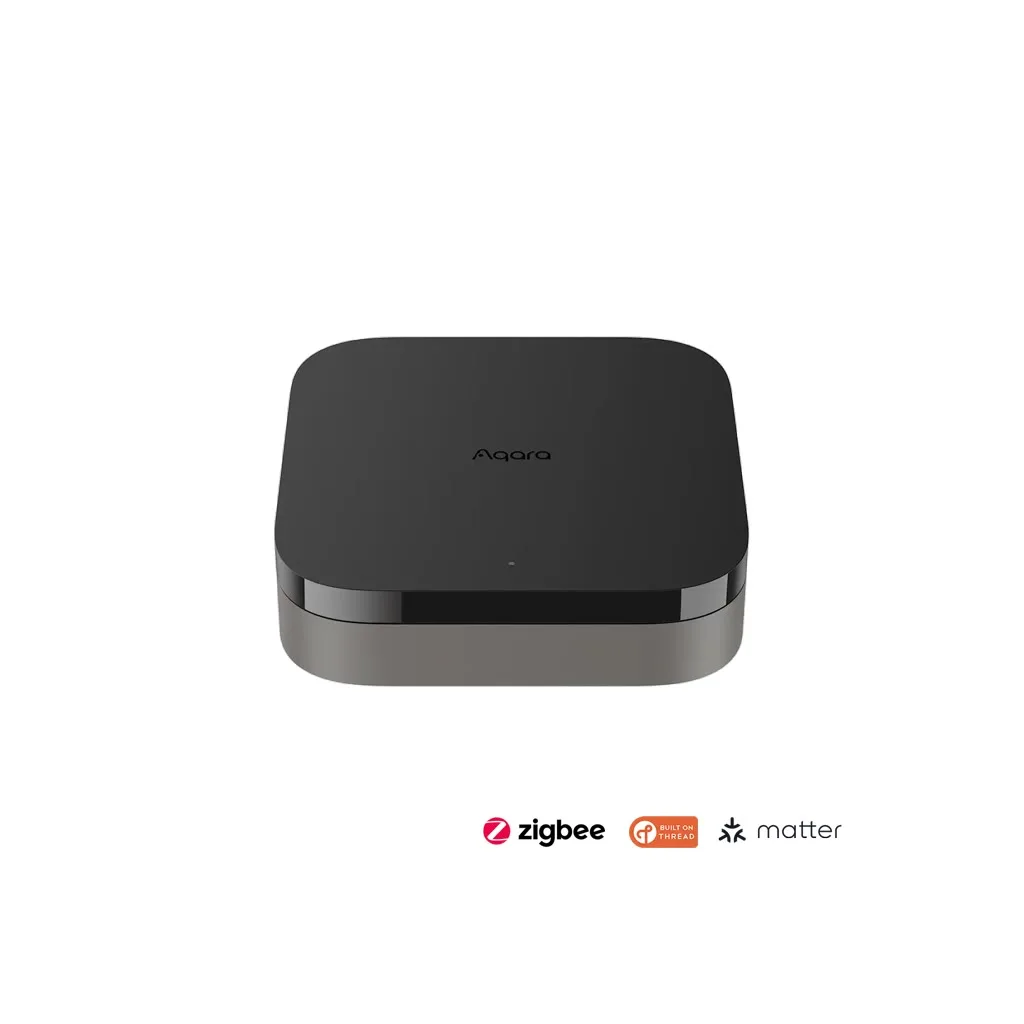
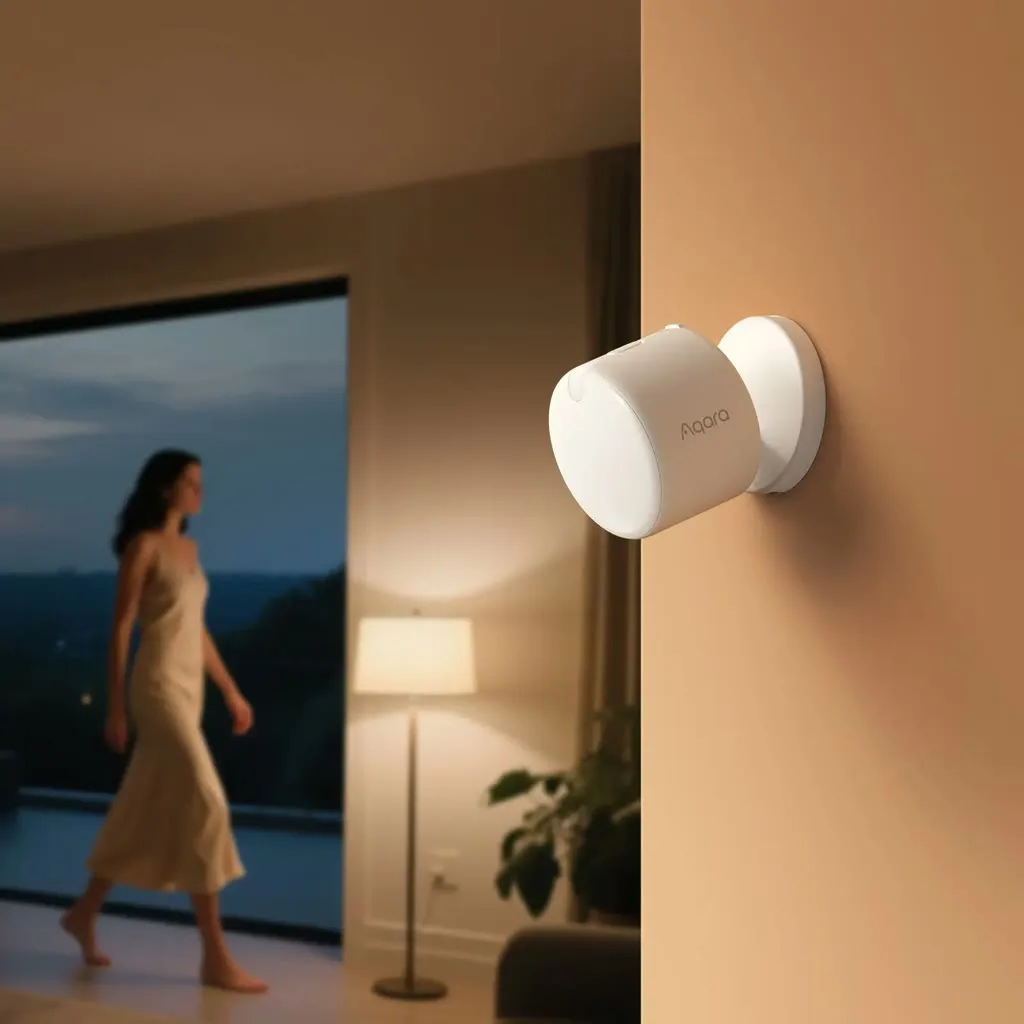
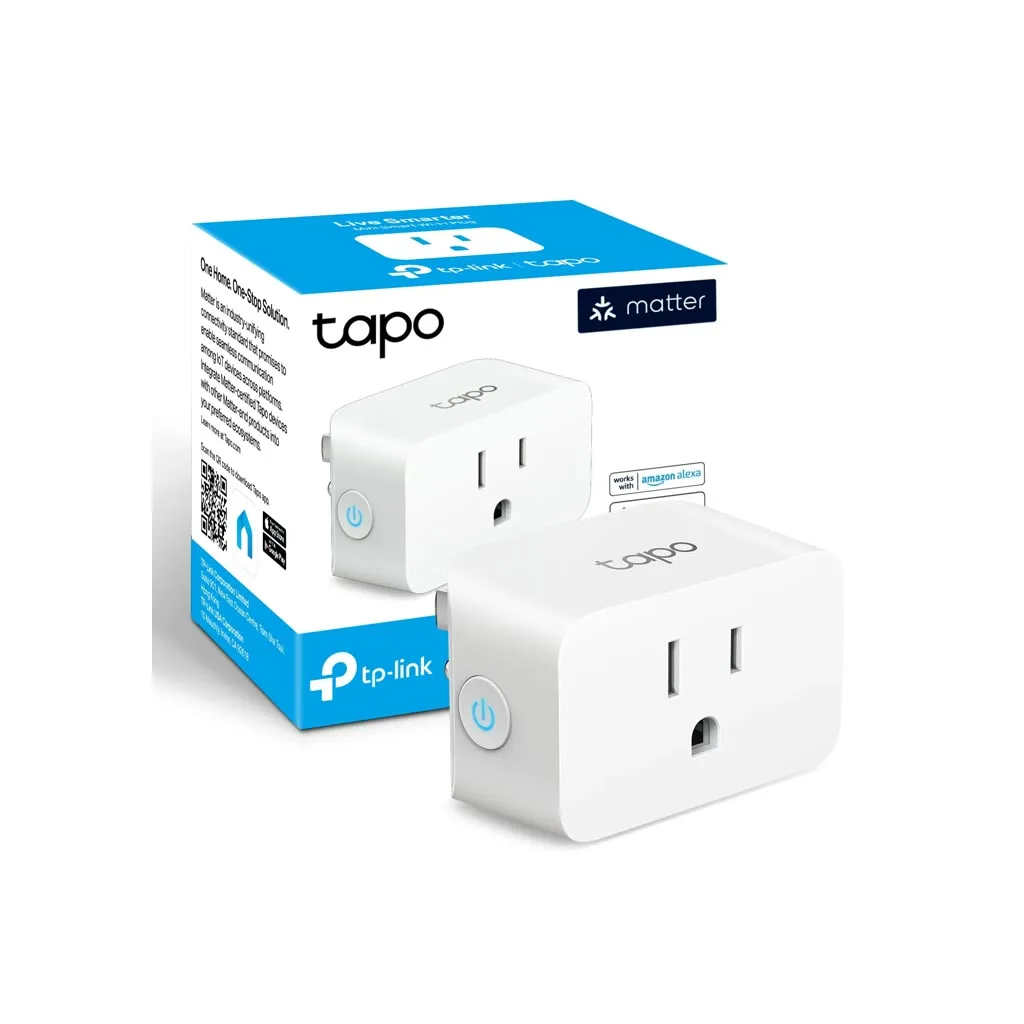
For a sample apartment, use the Aqara Hub M3 to test the handoff between a Zigbee installation and a Matter controller. Its Zigbee radio supports Aqara devices. Pair the Aqara FP300 presence sensor in Zigbee mode, then repeat the commissioning exercise in Matter over Thread mode and record which controls the operator can access. On the same floor, commission a Tapo P125M plug over 2.4 GHz Wi-Fi to test Matter control of a switched load. The P125M has no energy monitoring, so use a separate meter if energy reporting is part of acceptance.
Need help shortlisting multi-unit switches, plugs, valves, and compatible gateways? Use the AI product advisor or submit your unit count, target country, wall-box standard, and ecosystem requirements through the sourcing desk inquiry form to request a verified bulk quote and sample plan.