The Commercial Imperative for Matter-over-Thread in Multi-Unit Properties
Commercial property managers, multi-family portfolio operators, and hospitality hosts across the Americas manage hundreds of access points requiring reliable electronic locking, rapid tenant turnover, and low operational overhead. Historically, smart locks in multi-unit properties relied on proprietary sub-gigahertz hubs, expensive cellular bridges, or power-hungry direct Wi-Fi connections that exhausted batteries in four to six months. In dense developments with 50 to 200 units per building, direct Wi-Fi locks saturate 2.4 GHz channels, creating packet collisions, latency spikes, and intermittent offline alerts.
The transition to Matter-over-Thread resolves this infrastructure bottleneck. Thread is a low-power, self-healing IPv6 wireless mesh protocol operating on IEEE 802.15.4 radio standards. Unlike Wi-Fi accessories that connect directly to a central router, Thread devices communicate through local peer routers, extending wireless coverage across interior corridors without radio strain on primary networks. Because Matter establishes an open application layer over Thread, property management systems can provision digital keys across Apple Home, Google Home, Amazon Alexa, or Home Assistant ecosystems without vendor lock-in.
Thread Border Router Topology: Eliminating Wi-Fi Congestion in Dense Buildings
When designing multi-family hardware retrofits, network topology determines field stability. A robust Matter-over-Thread deployment relies on two distinct device classes: Full Thread Devices (FTDs) that route network packets and remain continuously powered, and Minimal Thread Devices (MTDs) such as battery-powered smart locks and door sensors that sleep between events to conserve energy:
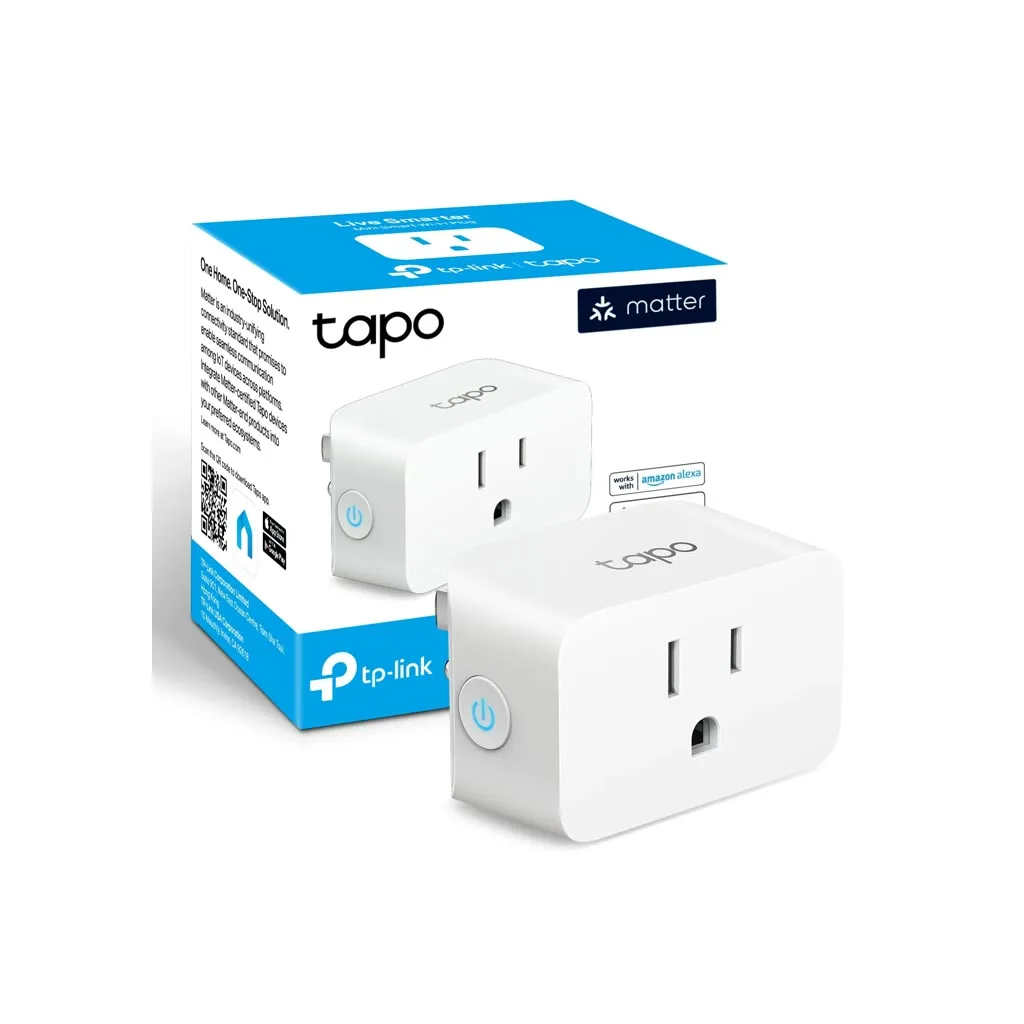
- Thread Border Routers: Dedicated smart hubs or smart displays act as bridges between the property's local IP subnet and the Thread mesh. In multi-family corridor retrofits, placing mains-powered smart plugs or wall relays every ten to twelve meters ensures redundant routing paths so if a tenant unplugs an accessory, the mesh reconfigures in milliseconds.
- End-device power conservation: Because battery-operated smart locks and magnetic contact sensors do not maintain high-throughput Wi-Fi connections, standby current drops below 15 microamperes. This architecture delivers 12 to 18 months of runtime on standard replaceable AA cells.
- Zero internet dependency for local access: If broadband service drops, credential authentication between local Border Routers, keypads, and motorized deadbolts continues executing locally over IPv6 link-local addressing.
Door Prep Differences Across the Americas: Cylindrical Deadbolt vs Mortise Locks
Sourcing commercial smart locks for the Americas requires verification of regional door mechanical preparation:
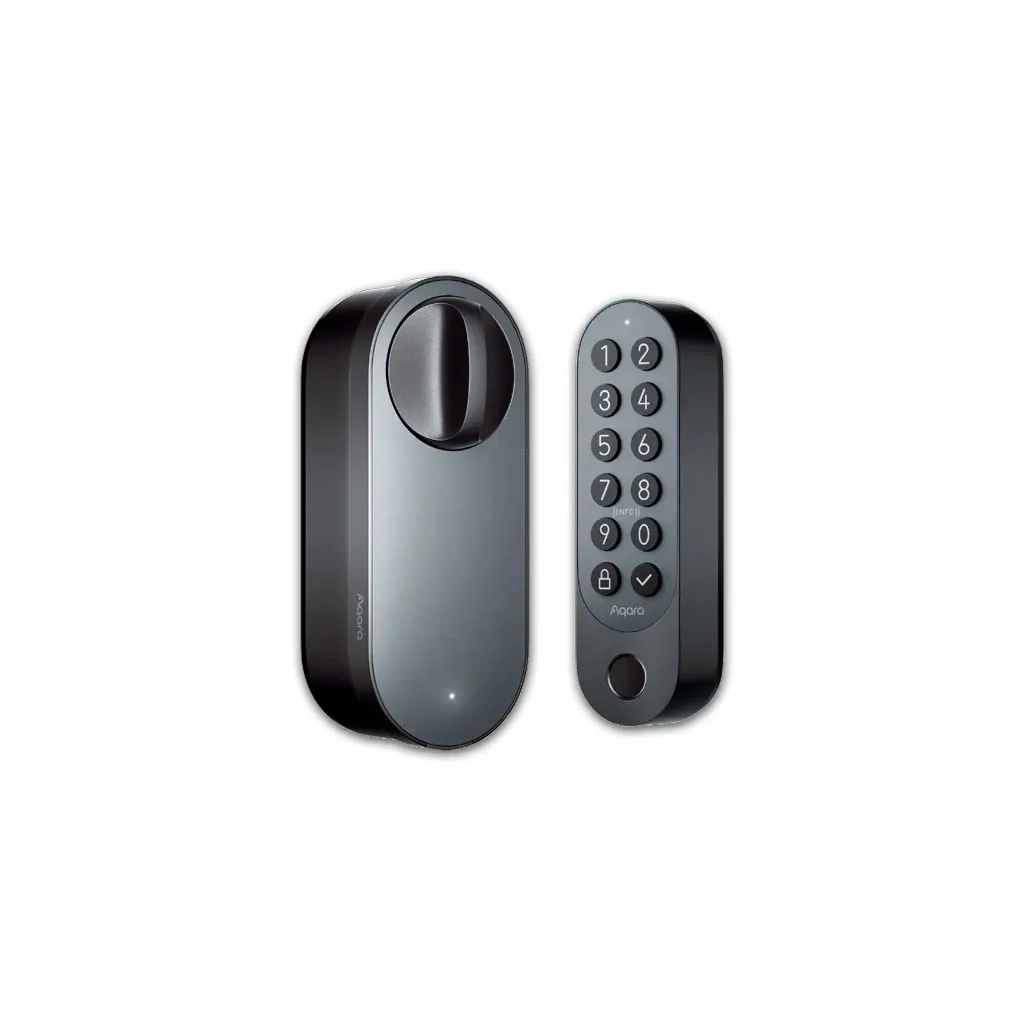
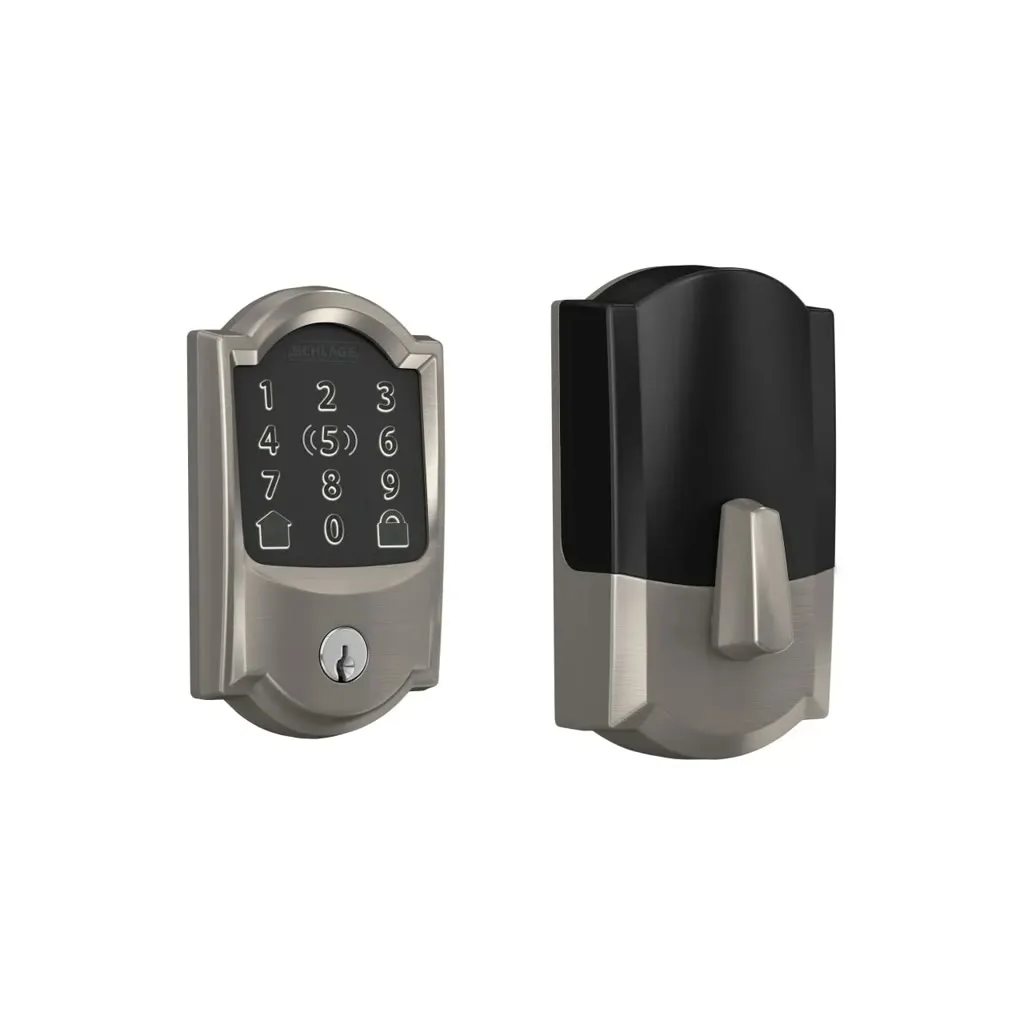
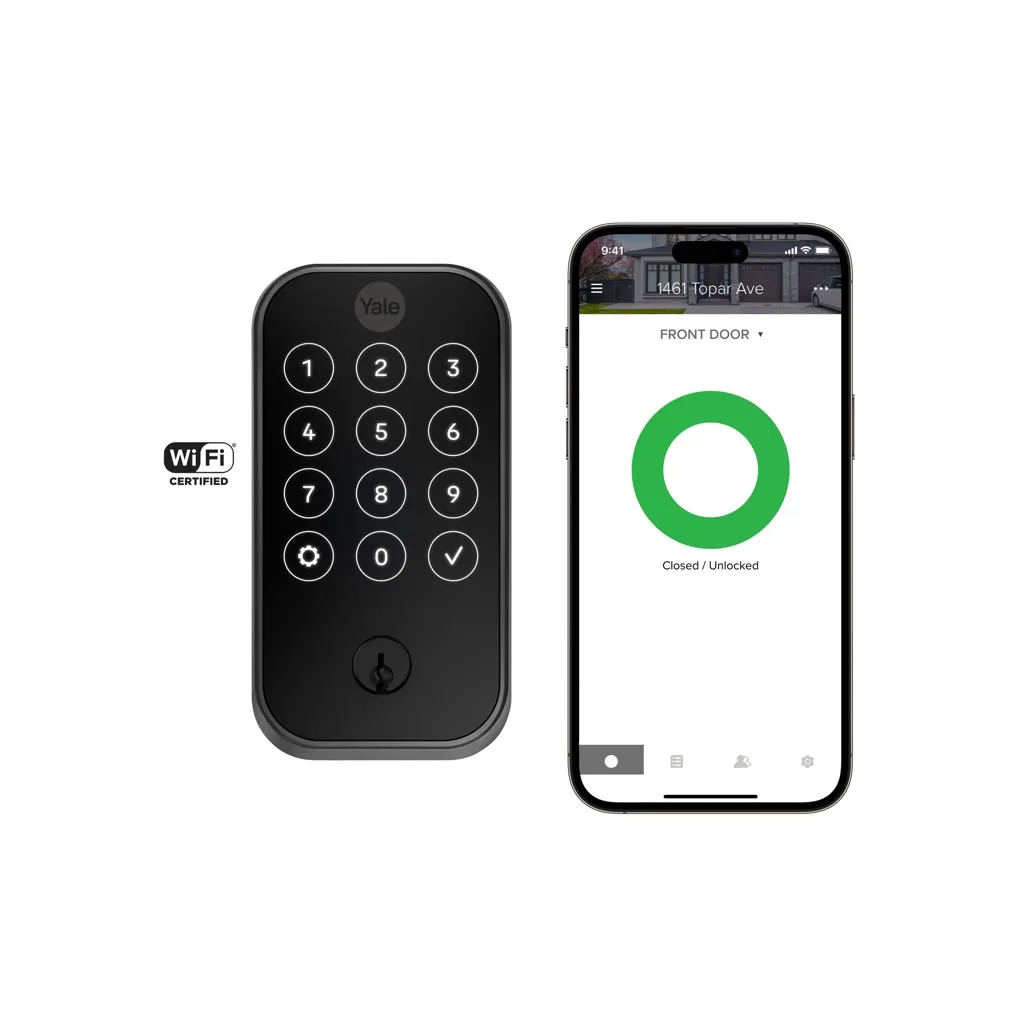
- United States and Canada: Standard residential exterior doors use ANSI A115 tubular cylindrical deadbolt prep with a 54mm (2-1/8 inch) cross-bore hole, 25mm edge-bore hole, and backset of 60mm or 70mm. Retrofit smart locks replace the interior thumb-turn while retaining or replacing the exterior cylinder.
- Mexico and Northern Latin America: New multi-family residential construction increasingly adopts standard ANSI cylindrical deadbolts. However, older residential complexes and commercial towers frequently feature narrow-profile European mortise lock bodies requiring custom backsets between 35mm and 45mm.
- Brazil and Southern Cone: Doors commonly utilize ABNT NBR 14913 or DIN mortise standards with backsets between 40mm and 55mm. Standard American deadbolts cannot install into these narrow stile doors without destructive routing. Sourcing teams must specify mortise-compatible smart lock bodies or modular lock cylinders engineered for Euro-profile cutouts.
Hardware Architecture & Multi-Family Deployment Matrix
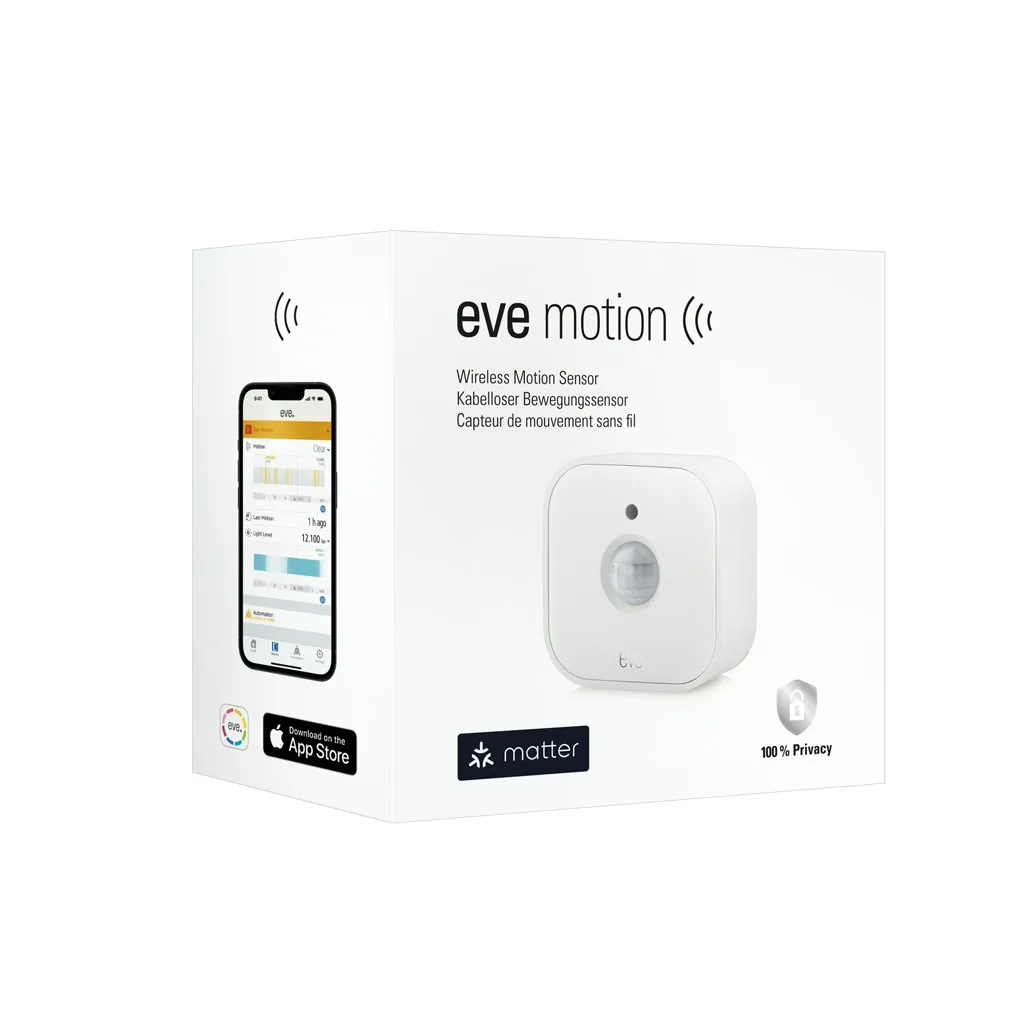
| Parameter | ANSI Cylindrical Deadbolt | Euro-Profile Mortise Smart Lock | Corridor Mesh Presence Sensor | In-Wall Smart Relay / Plug |
|---|
| Target Regions | United States, Canada, Mexico | Brazil, Chile, Argentina, Mexico | North & Latin America | Americas Wide (120V / 220V) |
| Radio Protocol | Matter-over-Thread, BLE 5.3 | Matter-over-Thread, BLE 5.2 | Thread (End Device) / Zigbee | Thread Border Router / Wi-Fi |
| Power Source | 4x AA Alkaline / Li-Po Pack | Rechargeable Li-Ion Pouch / 8x AA | CR2450 / 5V Type-C | AC Mains 100V-240V 50/60Hz |
| Battery Life Cycle | 10 to 14 months (10 ops/day) | 6 to 10 months (motorized latch) | 18 to 24 months (sleep mode) | Continuous mains powered |
| Mechanical Cutout | 54mm cross-bore, 60/70mm backset | DIN 18251 / ABNT mortise cavity | Surface mount / Magnetic bracket | Standard single-gang electrical box |
| Emergency Egress | Single-motion interior exit | Split-spindle emergency lever | Non-egress accessory | Non-egress accessory |
| B2B Verification Gate | Cycle test, ANSI Grade 2/3 | Latch torque, DIN 18251 audit | Millimeter-wave clutter test | UL 60730 / NOM / Inmetro cert |
Battery Architecture, Power Consumption & Cold Weather Fail-Safe Codes
Power engineering and life safety compliance represent critical evaluation criteria for multi-family retrofits:
- Alkaline versus lithium chemistry: Standard AA alkaline batteries experience rapid voltage sag when ambient temperatures drop below freezing, triggering false low-battery alerts. For exterior doors in northern climates, procurement contracts should mandate 1.5V lithium iron disulfide cells or custom rechargeable lithium pouch packs with low-temperature cutoffs.
- Life safety single-action egress: Under International Building Code (IBC) and NFPA 101 standards enforced across North America and modern Latin American urban jurisdictions, residential unit egress doors must unlock and unlatch with a single releasing motion. Mortise locks must incorporate split-spindle mechanics that retract both latch-bolt and deadbolt when the interior handle is depressed.
- Exterior emergency jump-start ports: Keyless smart locks installed on rental units must incorporate a concealed USB-C emergency power terminal or external battery jump contacts on the exterior escutcheon to prevent lockouts during complete battery depletion.
Pre-Shipment Inspection Checklist & Deployment Verification Gates
Before approving mass-production release on smart locks, presence sensors, or Thread routing plugs, commercial procurement teams must execute the following structured verification steps:
- Thread Commissioning Audit: Confirm pairing time via standard QR code into native Apple Home and Google Home Thread fabrics averages under thirty seconds on pre-production samples.
- Motorized Latch Stall Current Test: Verify the drive motor safely detects door-jamb misalignments and reverses motion within two seconds without stripping internal gears or drawing peak currents above 800 milliamperes.
- High-Temperature and Salt Spray Chamber Testing: For coastal hospitality installations in Florida, Mexico, or Brazil, verify exterior zinc alloy and stainless steel escutcheons withstand 96 hours of ASTM B117 neutral salt spray without surface pitting or finish blistering.
- Factory Firmware Hash Validation: Ensure the manufacturer provides verified SHA-256 build hashes for production firmware releases, confirming debug ports like JTAG are permanently disabled in shipping hardware.
- Pre-PO Regulatory Validation Gate: Formal supplier test reports for FCC Part 15C, NOM-001/019-SCFI, or Anatel Resolution 715 must be reviewed and archived prior to commercial purchase order execution. Commercial buyers can request consolidated multi-family pilot kits and laboratory compliance verification via the SmartLife100 inquiry portal.