Matter is printed on more boxes than it is properly implemented in. For a buyer, the word on the packaging tells you almost nothing; what matters is which of three very different situations the product is actually in.
The three situations behind a Matter claim
- Certified: the product has passed official certification and appears in the public certified-products database. This is the only version that deserves the logo.
- Bridge or roadmap: the device itself speaks Zigbee or a proprietary protocol, and a gateway bridges it into Matter — or certification is planned but not done. Functionally this can be fine, but it is not the same product you think you are buying.
- Marketing: the word appears on the listing with no certificate, no database entry and no roadmap document. Treat it as absent.
How to verify in ten minutes
Ask for the certificate ID and look the product up in the public Matter certified-products database yourself. Check that the certified firmware version matches the version the supplier intends to ship you — certification applies to specific hardware and firmware combinations, not to a product family forever.
Why this matters commercially
Retailers and marketplaces increasingly ask for certification evidence before listing Matter products. A shipment of roadmap devices sold as certified is a returns and delisting risk that lands on you, not the factory.
A pragmatic buying position
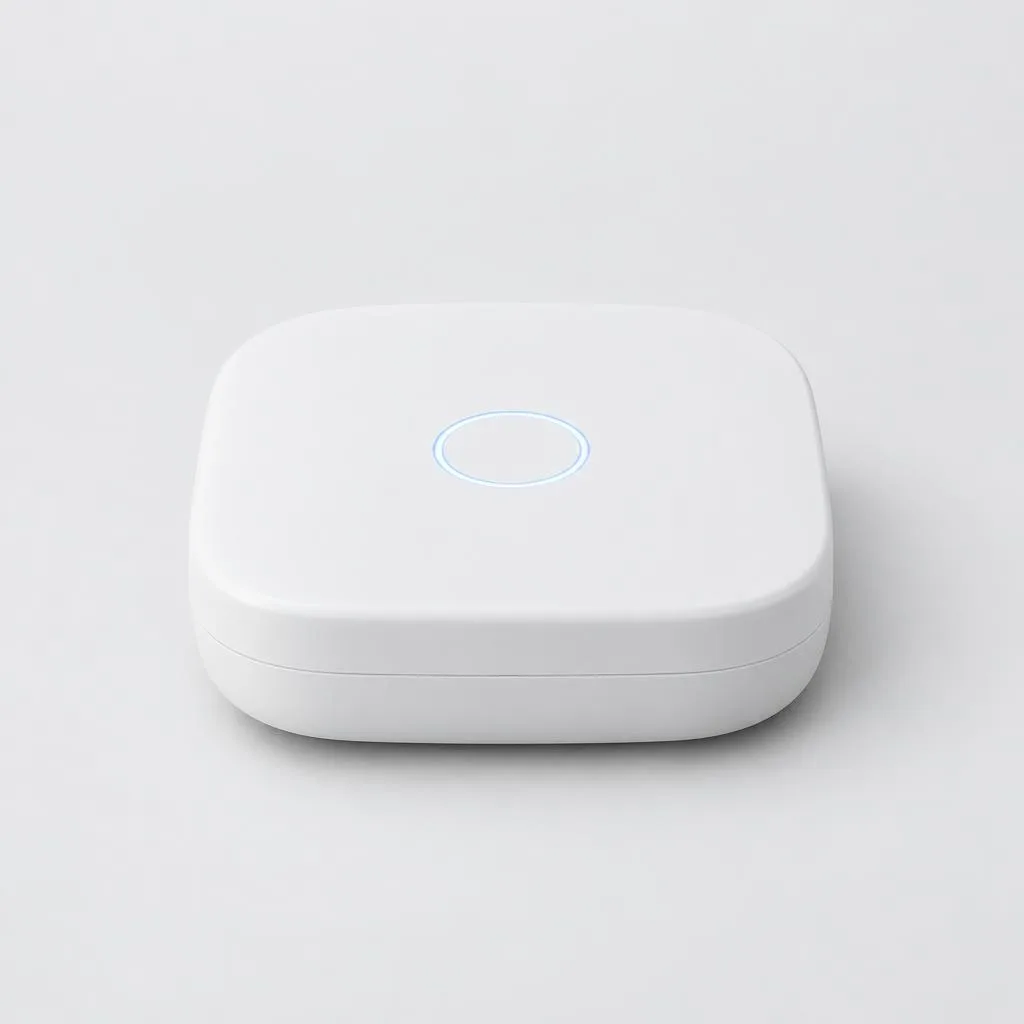
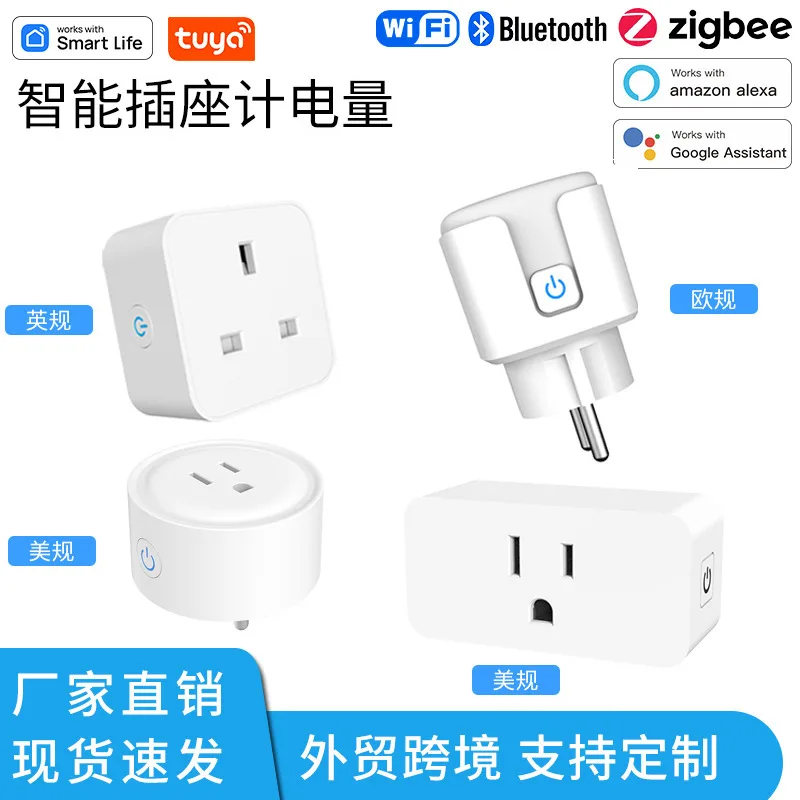
Do not pay a Matter premium until the certificate checks out. For products where Matter is roadmap, negotiate the price of the current product and treat future certification as upside. The hubs, plugs and panels below show how we record protocol claims: where certification is unverified, the listing says so rather than asserting it.