Why Latin America Rewards Compliance-Moated Regional Distributors
Brazil and Mexico account for the two largest smart home, perimeter security, and power-accessory import markets in Latin America, driven by surging urban apartment security needs, distributed rooftop solar adoption, and thriving e-commerce channels such as Mercado Libre and Amazon Mexico/Brazil. Yet cross-border sellers attempting to ship North American FCC/UL inventory directly into Sao Paulo or Mexico City routinely encounter customs seizures and marketplace takedowns.
Unlike jurisdictions that accept foreign CE or FCC test reports via simple paper declarations, both Brazil and Mexico mandate local laboratory testing, local certificate ownership or extension agreements, Spanish or Portuguese consumer labeling, and strict electrical plug conformity. For legitimate B2B importers and regional distributors, those homologation barriers create a durable commercial moat: once an SKU holds active Anatel/Inmetro or NOM/IFETEL credentials, grey-market competitors cannot undercut authorized channel pricing.
Brazil Regulatory Gateways: Anatel Resolution 715 RF Homologation & Inmetro Safety
Every wireless or telecom-enabled smart device entering Brazil is regulated by Agencia Nacional de Telecomunicacoes (Anatel), while plugs, cords, adapters, and designated appliances fall under Instituto Nacional de Metrologia, Qualidade e Tecnologia (Inmetro):
- Anatel Resolution 715 & Act 14448 (Restricted Radiation RF): Wi-Fi, Bluetooth LE, Thread, Zigbee, millimeter-wave radar, and 4G LTE devices must be processed through an Anatel Designated Certification Body (OCD) backed by in-country testing at an accredited Brazilian laboratory (covering RF spectrum, EMC under Act 1120, electrical safety under Act 950, and SAR where body-worn). Approved hardware must display the official Anatel logo and 12-digit homologation code HHHHH-AA-FFFFF (note: printed with hyphens on product labels and user manuals).
- Non-transferability without Commercial Representation: Every Anatel filing requires a local Brazilian company (CNPJ) acting as legal representative; importers must ensure their OCD structure authorizes their specific importing CNPJ before goods ship.
- Brazil's unique 127V / 220V 60Hz municipal split grid: Brazil does not have a single national household voltage. Sao Paulo, Rio de Janeiro, Minas Gerais, and Bahia operate predominantly on 127V 60Hz, whereas Brasilia, Santa Catarina, Pernambuco, and Ceara operate on 220V 60Hz. Single-voltage 110V imports burn out instantly in 220V states. Specify universal 100–240V 50/60Hz switching power supplies (or auto-ranging DIN-rail relays) across 100 percent of Brazilian orders.
- Mandatory ABNT NBR 14136 Type N recessed hexagonal plugs: Brazil enforces recessed hexagonal three-pin (and two-pin Class II) sockets in two strict amperage pin diameters—4.0mm pins for loads up to 10A and thicker 4.8mm pins for high-draw 20A appliances. Supply cords and wall plugs require Inmetro compulsory certification.
Mexico Regulatory Gateways: NOM Electrical Safety, NYCE/ANCE Labs & IFETEL Homologation
Despite geographic proximity and USMCA trade ties with the United States, Mexico enforces sovereign Normas Oficiales Mexicanas (NOM) at customs entry points (Manzanillo, Lazaro Cardenas, Veracruz, Laredo, and Mexico City AICM) with zero automatic exemption for UL or ETL marks unless processed through formal Mutual Recognition Agreements:
- NOM-001-SCFI-2018, NOM-019, and NOM-003-SCFI safety standards: Audio/video and smart hub electronics fall under NOM-001-SCFI, data-processing peripherals under NOM-019, and household electrical switches, smart plugs, and actuators under NOM-003-SCFI, issued via accredited bodies such as NYCE or ANCE following local sample testing. NOM certificates are issued to a specific Mexican RFC tax-ID importer; sharing a supplier's NOM across multiple distributors requires formal certificate extension or commercialization agreements.
- IFETEL (IFT-008) wireless homologation: Devices operating in 2.4 GHz (Bluetooth, Zigbee, Thread, Wi-Fi) and 5725–5850 MHz bands require Instituto Federal de Telecomunicaciones (IFETEL) Type A (in-country lab testing under NOM-208-SCFI / IFT-008) or Type B homologation, plus permanent IFT homologation ID marking on the product or packaging.
- NOM-024-SCFI commercial Spanish labeling: Requires Spanish-language importer name, Mexican fiscal address, electrical input/output ratings (127V 60Hz or 100-240V 50/60Hz), country of origin, and Spanish warranty policy inside every retail unit.
- 127V 60Hz surge resilience: Mexican distribution feeders operate nominally at 127V 60Hz (NEMA 1-15 / 5-15 Type A/B plugs) with frequent utility sags down to 105V and spikes above 140V; specify Metal Oxide Varistor (MOV) surge protection and wide-input AC/DC stages.
UN38.3 Lithium Cargo Packs, LTE Band 28, and Tariff / Tax Cash-Flow Realities
Logistics and cellular engineering mistakes frequently erode Latin American distributor margins if ignored during RFQ scoping:
- UN38.3, MSDS, and DG sea/air consolidation: Standalone battery cameras, robotic pool cleaners, and smart locks containing lithium-ion or LiFePO4 packs require UN38.3 test summaries (Revision 7/8), 16-section Spanish/Portuguese Safety Data Sheets, and Class 9 UN3480/UN3481 ocean dangerous-goods booking approvals.
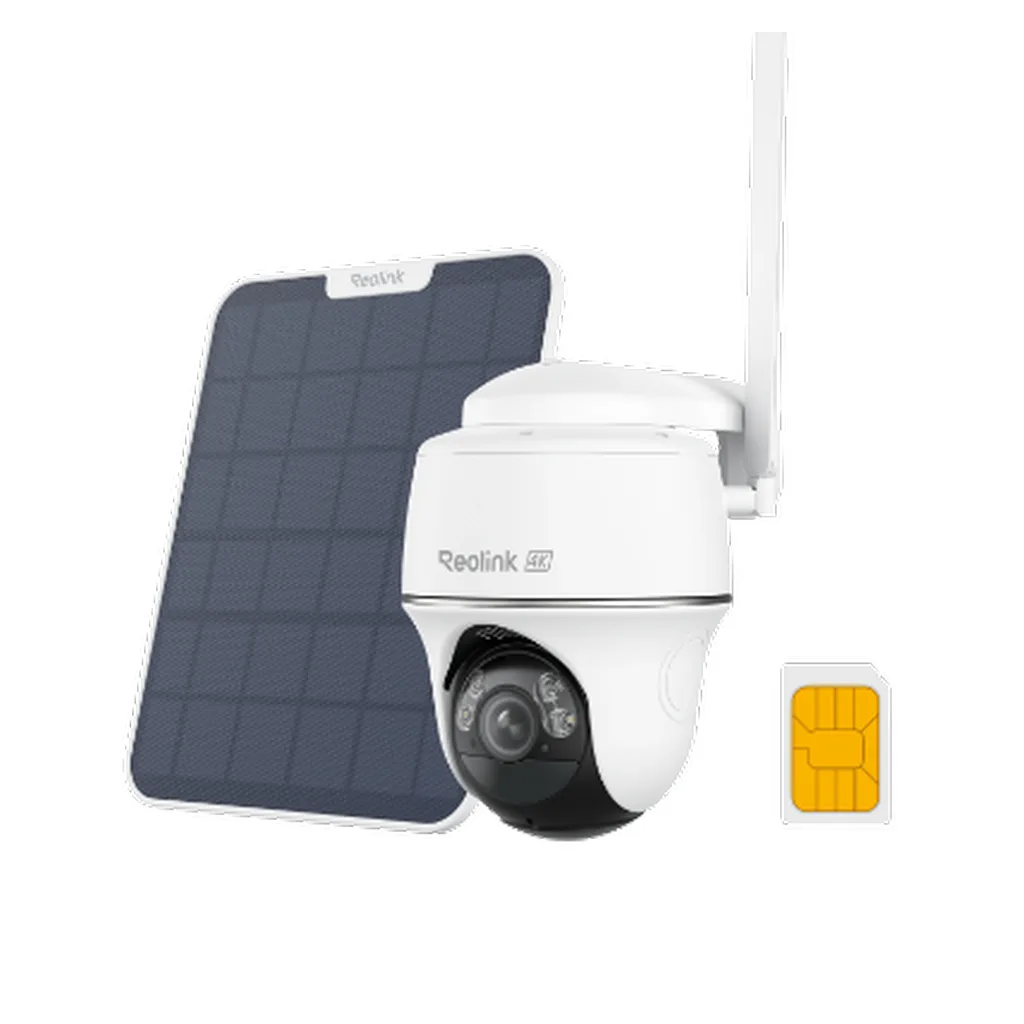
- Critical LTE Band 28 (700 MHz APT) cellular requirement: Both Mexico (Altan Redes / Telcel / AT&T Mexico) and Brazil (Vivo / Claro / TIM) rely heavily on LTE FDD Band 28 (700 MHz) plus Bands B2/B3/B4/B7 for suburban and agricultural coverage; North-America-only cellular cameras built for Bands B12/B13/B66 drop offline across rural Latin America.
- Cascading Brazilian tax vs Mexican IVA cash-flow: Brazilian landed cost calculations must model cascading Import Duty (II), IPI, PIS/COFINS, and state ICMS cleared by a licensed despachante aduaneiro, whereas Mexican importers budget HS tariff duties plus 16 percent import IVA at pedimento clearance.
Five-Step Pre-Shipment Checklist for Brazil & Mexico Distributors
Before releasing production deposits on LATAM smart hardware assortments, verify five non-negotiable gates:
- Ship 3 to 5 sealed test samples ahead of mass production: Brazilian OCD labs and Mexican NYCE/ANCE labs require physical samples with finalized firmware and RF continuous-transmission test utilities 6 to 10 weeks before ocean vessel arrival.
- Audit Type N 10A vs 20A vs NEMA Type A/B plug molds: Never mix NBR 14136 Brazilian plugs and Mexican NEMA plugs in shared master cartons.
- Verify 100–240V 60Hz rating plate strings and NOM-024 / Anatel label artwork before box printing.
- Test brownout recovery and offline mesh continuity: Cycle AC mains power 50 times between 95V and 240V to confirm smart relays and hubs reconnect automatically without factory-resetting.
- Commercial terms transparency: In-country OCD/NOM lab budgets, minimum private-label localization quantities, and factory unit quotes remain Unknown until scoped against exact NCM/HS codes via the SmartLife100 inquiry portal.