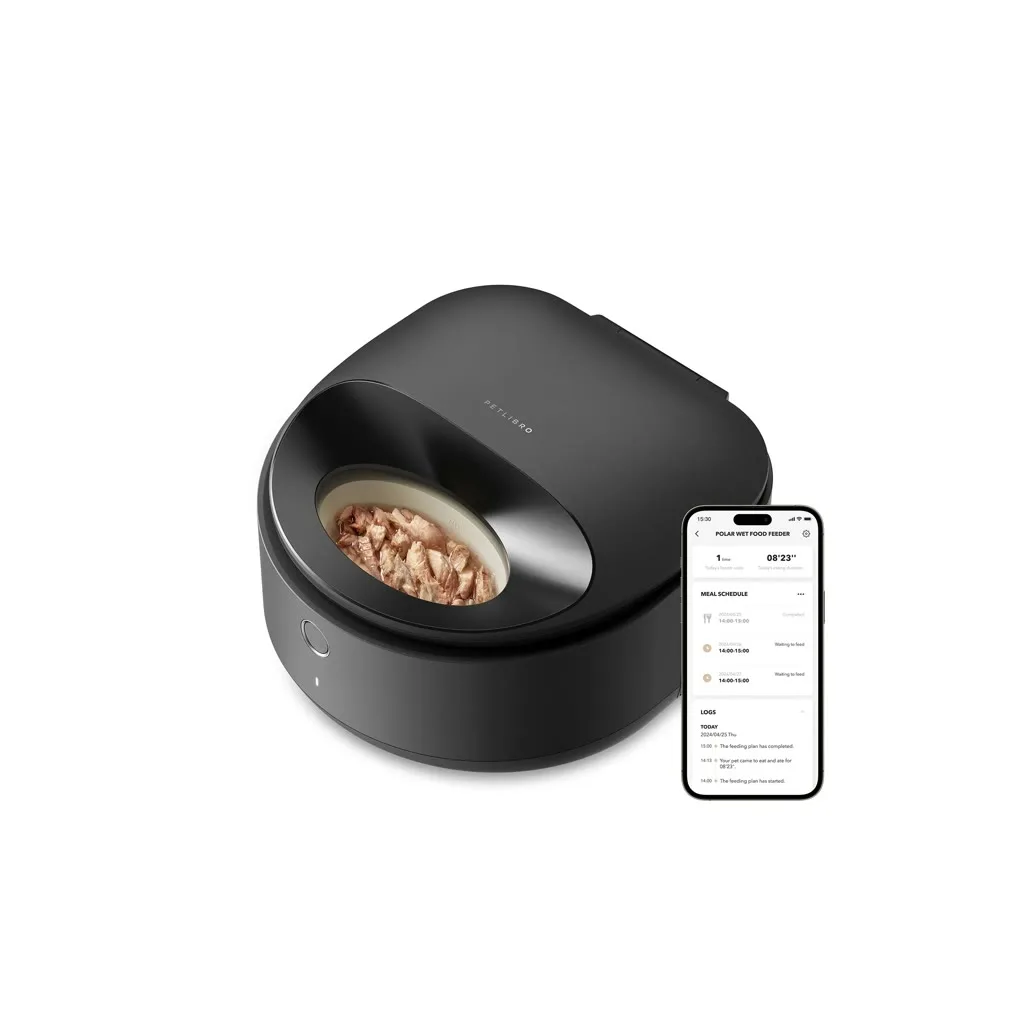
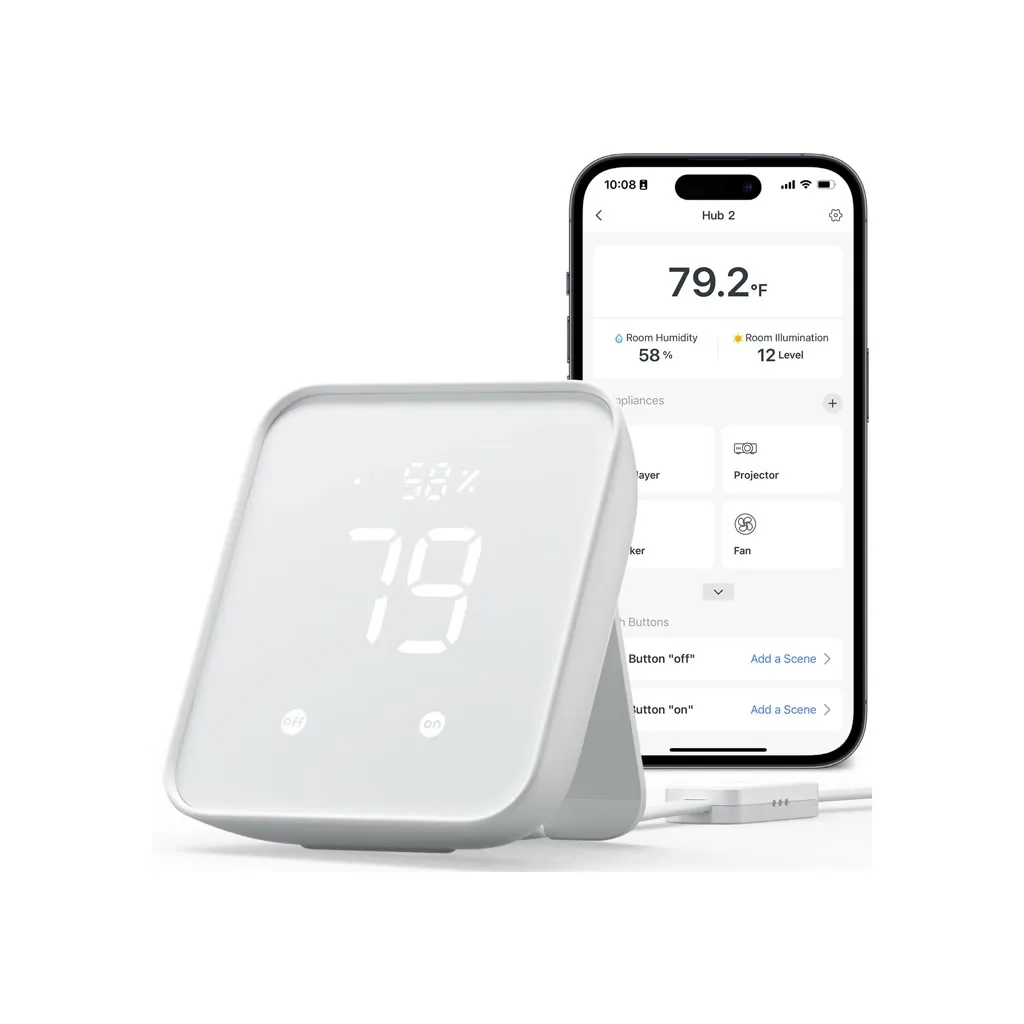
Identify the Japanese business responsible for the kit
Start with the retail package as the customer receives it. A connected feeder may contain a low-voltage appliance, an external AC adapter, a detachable cord and a wireless module. Japanese electrical safety law classifies designated articles by their technical characteristics. The symbol on the adapter answers a question about that adapter. It cannot establish the legal status of everything sharing its carton. Have the Japanese importer list each article, its electrical ratings, intended use and the corresponding entry in the Electrical Appliances and Materials Safety Act schedules. Keep the rationale for parts judged outside scope.
Under DENAN, a Japanese business starting the import of designated electrical appliances generally must notify the competent authority within thirty days of commencing that business. Work out the appropriate product categories and authority with the business that will make the notification. Agree who will hold test records, control the marking and respond to an inquiry after distribution. An overseas seller supplying Japanese consumers directly needs to check the rules for specified importers and domestic administrators. Changing the sales channel can change the person who must act. METI business operator procedures
Decide which PSE mark belongs on which article
An in-scope external AC to DC power supply commonly falls in the specified electrical appliance category and carries Diamond PSE. Check output, construction and the definition applicable to the model. For a specified article, obtain the applicable conformity assessment certificate from a registered body and verify its coverage. Match the certificate holder, type classification, manufacturing site and model family to the purchase specification. Check the precise suffix on the Japanese plug variant. A similar housing sold with another output rating can sit outside the supporting evidence. METI electrical appliance safety overview
A designated non-specified article follows the Circle PSE route. The notifying business must establish compliance with the applicable technical requirements, carry out prescribed inspections and retain the records. For either route, require the importer to approve the mark, responsible business identification and relevant ratings before printing. Ask for the inspection method used for production lots and a completed example with serial or lot identification. A decorative reproduction of a symbol in a sales presentation provides none of the information necessary to decide which units the importer can release.
Test the adapter at 100 V and both frequencies
Specify operation on Japan's nominal 100 V mains at 50 Hz in eastern areas and 60 Hz in western areas. Give the laboratory the complete system with the production cable, adapter and firmware. Ask it to exercise motor start, heater or cooling load where fitted, radio transmission and restart after a brief interruption. If the product uses an internal clock to schedule feeding, verify the schedule at both frequencies and after power returns. Define acceptance in terms the customer can observe, including whether a missed cycle is reported and whether a duplicate cycle can occur.
Inspect temperature rise in the intended orientation and verify connector retention when the appliance moves on a smooth floor. Record peak current at startup as well as average power during typical use. A broadband adapter rating may cover the input voltage while a downstream control circuit still behaves differently at low input. Where the supplier wants to change the adapter, require a fresh comparison of plug dimensions, cable length, output tolerance, safety coverage and acoustic performance. Store one production reference set with the domestic service partner for comparison with returned units.
Verify the Giteki identity inside the finished host
Wireless equipment needs the appropriate Radio Act conformity route. Giteki refers to the technical conformity mark, while TELEC is one registered certification body. Obtain the certification number, approved construction details and permitted modes for the module being integrated. Match those details to the installed antenna, gain, feed arrangement and radio firmware. Have the holder or registered body evaluate any changes in shielding, antenna placement or regional channel settings. If the design moves outside its approved construction, budget assessment of the changed configuration before ordering volume. TELEC certification and marking procedures
Specify how the production module carries its identification and what the end user can inspect on the host. Where an external or electronic indication is proposed, have the certification specialist confirm the permitted method and wording for equipment containing the certified module. Keep photographs of the internal mark, the final external artwork and the settings screen when relevant. Inspect a boxed sample with Japanese instructions. Verify that a firmware reset cannot select a foreign regulatory profile and that a field replacement radio has the same approved identity as the production unit.
Price a domestic return before promising quiet operation
Preserve DENAN inspection records for three years from inspection. The domestic business should be able to connect a returned unit to the inspection date and location, the person responsible, the quantity inspected, the methods and the results. Have the factory supply the supporting type and construction information for the same lot. Ask service staff to retrieve that record for an exchanged adapter before signing off the domestic warranty arrangement. METI inspection record instructions
For an appliance intended to run overnight, define the sound measurement with the distributor. State the background level, microphone distance and position, floor surface, operating mode and load. Record normal cycling, the brief start sound and any tonal component separately. An average number can hide a short mechanical click that matters in a bedroom. Repeat with the production adapter because coil noise can travel through furniture. Let the distributor compare samples under the same conditions and translate its acceptance decision into a repeatable incoming inspection.
Build a returns worksheet from the domestic partner's actual quotation. Include pickup, inspection, cleaning where appropriate, replacement accessories, repacking, local delivery and disposition of an opened appliance. Compare a local adapter exchange with a complete unit replacement. Track confirmed electrical faults separately from installation noise and expectation-related returns so that purchasing can measure the benefit of a different foot design or clearer instructions. Use pilot observations and dated service invoices when revising the budget.
At release, reconcile the marked adapter with the inspected lot, archive the radio identification and obtain the importer's sign-off on the Japanese manual. Record which spare parts the domestic team may replace and which changes must return to engineering. Give support staff a way to trace a complaint to the relevant frequency region, power supply and firmware version. That information lets the importer isolate a regional problem without withdrawing unaffected stock from every retailer.