How to Verify Smart Hardware Lab Test Reports (FCC, CE-RED, UL, SABER): Spotting Scope Mismatches & Invalid Certificates
An exhaustive technical audit guide for B2B buyers to verify FCC ID grants, CE Radio Equipment Directive reports, UL safety marks, and Middle East SABER certificates against fraudulent testing and unauthorized component modifications.
Common Certificate Vulnerabilities in Global Hardware Sourcing
In the procurement of smart home hubs, IoT gateways, and wireless automation controllers, compliance documentation represents the legal gateway to distribution. However, test documentation provided by overseas vendors is frequently compromised by scope omissions, expired test standards, or unauthorized component modifications.
A primary pitfall is "certificate drift." A manufacturer tests a golden prototype, secures a certificate, and subsequently alters the internal bill-of-materials during mass production. Critical components—such as Wi-Fi/Bluetooth SoCs, PCB antenna layouts, power transformers, or flame-retardant resins—are swapped for uncertified alternatives without repeating laboratory testing.
When customs or enterprise clients audit shipments, discrepancies between physical units and lab reports cause immediate seizures. Gateways and controllers—such as the SONOFF NSPanel Pro Gen2, the Hubitat Elevation C-8 Pro, the SwitchBot Hub 2, the Home Assistant Green, and the Aeotec Smart Home Hub 2—integrate multiple radios, AC power, and complex microcontrollers, demanding rigorous verification across four regulatory systems:
FCC Equipment Authorization in North America.
CE-RED Technical Files in Europe.
NRTL electrical safety listings (UL, ETL, CSA).
Regional portals such as SASO SABER in Saudi Arabia and TDRA in the UAE.
Auditing FCC Equipment Grants: Modules vs Enclosure Certifications
Under Title 47 CFR Part 15, intentional wireless transmitters must hold a valid Grant of Equipment Authorization issued by an FCC-recognized Telecommunication Certification Body (TCB).
Gate / Standard
Scope
Common Failure Mode
Pre-Order Check
FCC Equipment Authorization
Intentional RF transmitters (Wi-Fi, BLE, Zigbee)
Modular grant used in finished enclosure without required co-location testing
Check FCC OET database for Grantee Code, Product Code, and test report photos
CE Radio Equipment Directive
European RF, EMC, safety, and spectrum efficiency
Self-declaration citing obsolete standards or omitting LVD electrical safety
Cross-reference harmonized standards in Official Journal and test report scopes
UL / ETL Safety Listing
AC-mains powered switches, chargers, and hubs
Forged mark or cancelled file number due to unpaid factory follow-up fees
Search UL Product iQ or Intertek Directory for valid manufacturer directory listings
SASO SABER Registration
Saudi Arabia electrical and wireless customs entry
Product Certificate (PCoC) scope mismatch against shipment invoice line items
Validate SABER portal approval and verify SASO IECEE recognition certificates
Laboratory Accreditation
Third-party testing facility competence
Testing performed by non-accredited lab lacking ISO/IEC 17025 radio scope
Check ILAC MRA signatory accreditation directory for testing lab certificate
Buyers must verify FCC reports by searching the FCC OET Equipment Authorization database using the Grantee Code and Product Code:
Equipment Class and Frequencies: Verify that listed frequency bands match advertised specs. If a hub supports dual-band 2.4/5 GHz Wi-Fi and Bluetooth 5.3, the grant must cover DTS, NII, and DSS classes. A 2.4 GHz-only grant means 5 GHz operation is illegal.
Modular Approval Misuse: Many assemblers mount a pre-certified RF module onto a motherboard and market the device with "Contains FCC ID." Modular grants are valid only if host integration matches original grant conditions. Altering antenna gain, placing antennas within 20 cm of the body (triggering SAR rules), or adding uncertified co-transmitters voids the modular grant, requiring Class II Permissive Change filings.
Photographs Comparison: Compare confidential-cleared internal photos from the FCC database directly against production PCBs to catch unapproved board revisions.
Cross-Examining CE-RED Technical Construction Files and DoC Accuracy
Under the European Radio Equipment Directive (2014/53/EU), compliance relies primarily on manufacturer self-declaration backed by a Technical Construction File.
Buyers must check Declaration of Conformity (DoC) standards against the Official Journal of the European Union:
Radio Spectrum (Article 3.2): Must cite active ETSI standards, such as EN 300 328 (2.4 GHz), EN 301 893 (5 GHz), and EN 300 220 (868 MHz sub-GHz). Ensure standards have not reached expiration dates.
EMC (Article 3.1b): Must include EN 301 489-1 and radio-specific EMC standards (such as EN 301 489-17).
Electrical Safety (Article 3.1a): Applies without lower voltage thresholds. Both mains and low-voltage devices must hold EN IEC 62368-1 safety reports and EN 62479 / EN 50663 human RF exposure assessments.
Verify that the entity issuing the DoC is an EU-established operator or verified EU Authorized Representative under Regulation 2019/1020.
Verifying UL Safety Listings and Middle East SABER Conformity
For mains-powered electronics, safety certification is critical. In the United States, commercial building inspectors and national retailers require certification by an OSHA-accredited Nationally Recognized Testing Laboratory (NRTL) such as UL Solutions or Intertek (ETL).
To verify safety claims:
Directory Verification: Independently search the UL Product iQ or Intertek Directory using the manufacturer corporate legal name and Category Control Number.
Surveillance Standing: Confirm the file status is active. Factories failing to pay quarterly surveillance fees will have listings suspended, making subsequent mark printing counterfeit.
In Saudi Arabia, importing electronics requires registration on the SASO SABER platform:
Product Certificate (PCoC): Issued by a notified Conformity Assessment Body, verifying SASO technical regulation alignment.
Shipment Certificate (SCoC): Required for each commercial consignment. Importers must confirm invoice line items match the PCoC scope and verify SASO IECEE recognition certificates.
Buyers seeking laboratory document audits, test scope verification, or technical construction files can consult the Sourcing Desk for expert assistance.
Frequently Asked Questions
How can a buyer verify whether a testing laboratory is genuinely accredited to issue compliance reports?
Check the laboratory formal accreditation status through an International Laboratory Accreditation Cooperation (ILAC) Mutual Recognition Arrangement (MRA) signatory accreditation body (such as NVLAP, A2LA, or UKAS) and verify the specific testing standards are included in its published scope.
Can an importer rely on a modular FCC approval if the product includes multiple internal transmitters?
Only if the integration satisfies strict co-location evaluation rules; combining multiple wireless modules inside a single enclosure typically requires Class II Permissive Change filings or full host testing.
What is the primary risk of an outdated harmonized standard cited on an EU Declaration of Conformity?
If the European Commission withdraws the standard presumption of conformity, the DoC becomes legally invalid, exposing the importer to market surveillance sales bans and customs impoundment.
Why do some factories display a UL or ETL mark on hardware even when their certification has been cancelled?
Factories sometimes continue printing certification marks from previous production runs without paying required quarterly surveillance fees, exposing downstream importers to counterfeit trademark liability.
What is the relationship between SASO SABER and SASO IECEE recognition in Saudi Arabia?
SABER is the centralized customs clearance registration portal, while SASO IECEE is the mandatory national electrical safety certification prerequisite that must be approved before a SABER certificate can be issued.
Export a structured pre-PO procurement checklist extracted from this playbook's verification sections, buyer diligence questions, and referenced catalog SKUs.
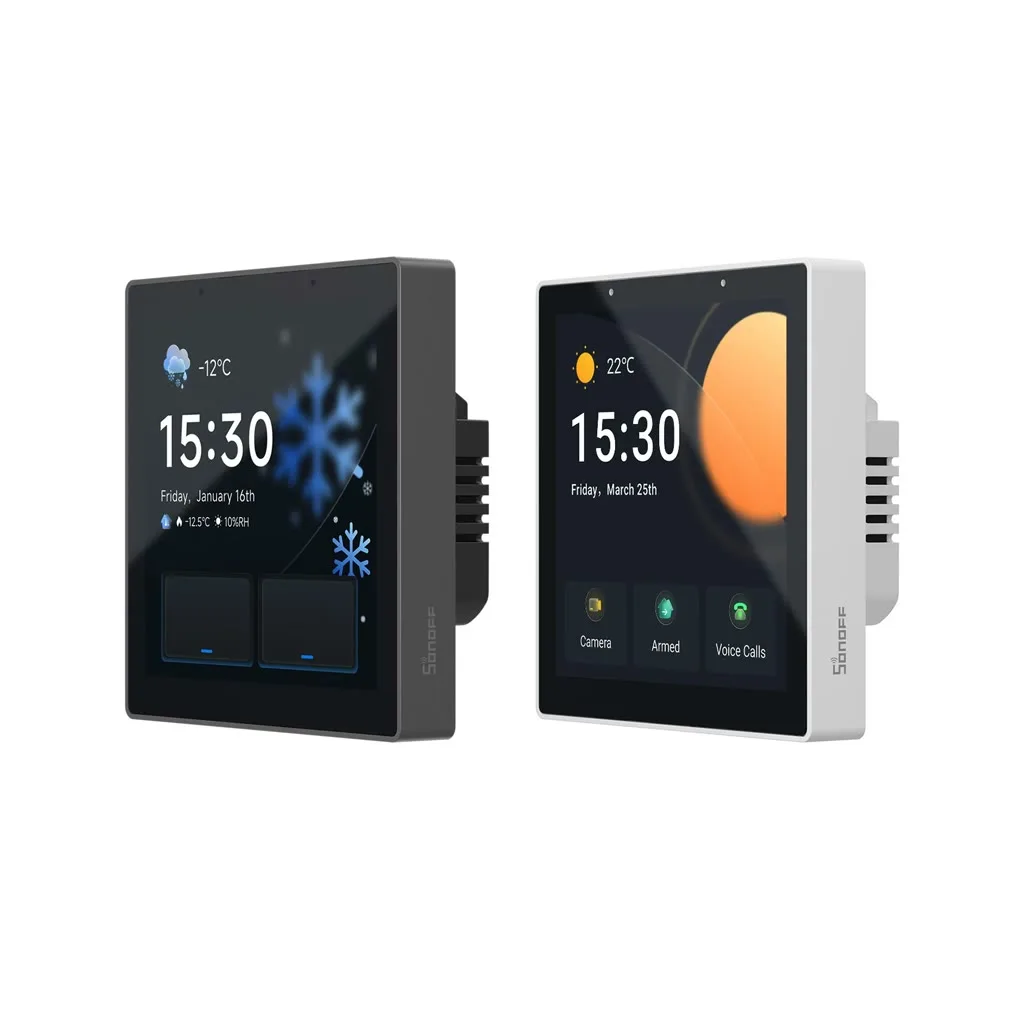
86-type in-wall smart home control panel with a 3.95-inch touchscreen, dual-channel relay, built-in Zigbee 3.0 and Matter hub, dual-band Wi-Fi, Bluetooth LE, 2 GB RAM and 32 GB storage, 1.5 W speaker and microphones, eWeLink app control and Home Assistant support.
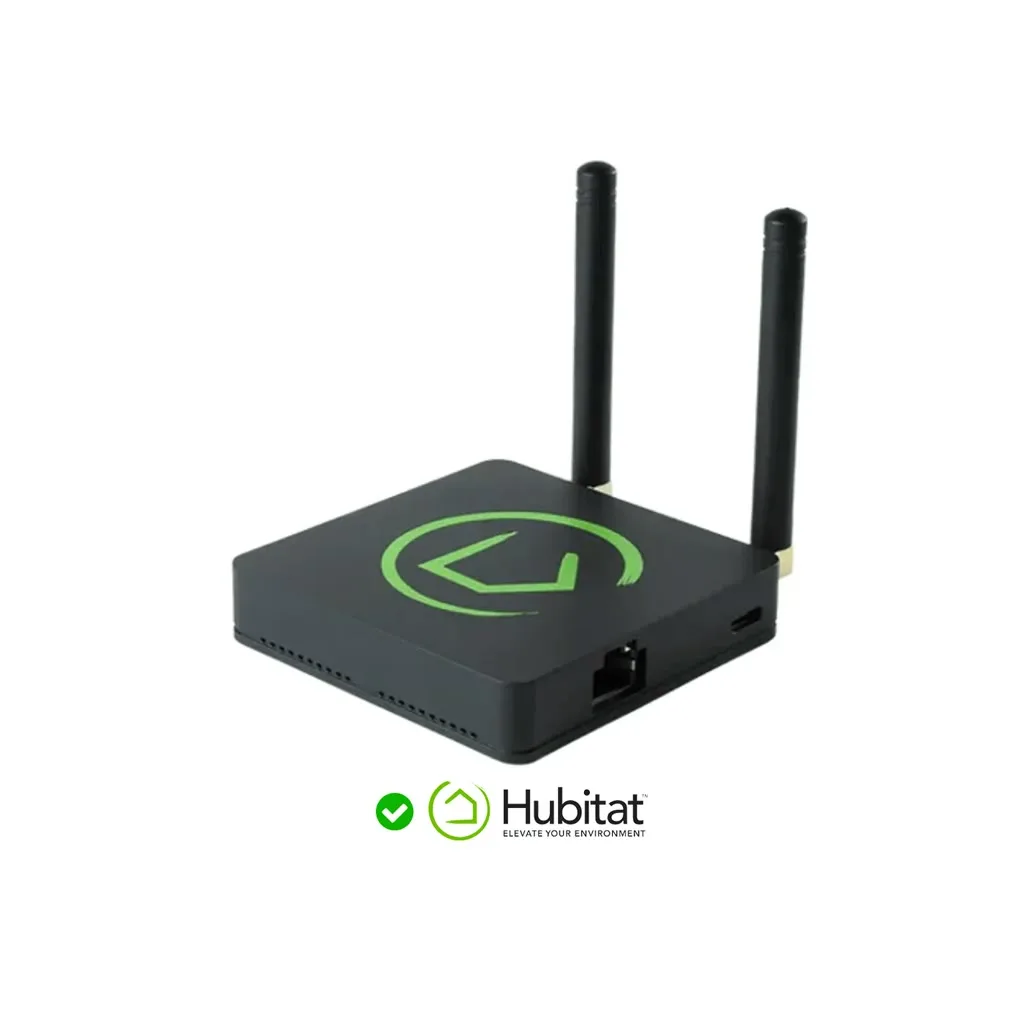
Local-first smart home hub with Matter 1.5, Z-Wave 800 Long Range, Zigbee 3.0, Bluetooth, Wi-Fi, and Ethernet. A 2.0 GHz processor with 2 GB RAM runs automations on the hub with no subscription, working with more than 1000 devices across more than 100 brands. Two external antennas cover Z-Wave and Zigbee, and the hub works with Alexa, Google Home, and Apple HomeKit. The standard model has no Thread radio.
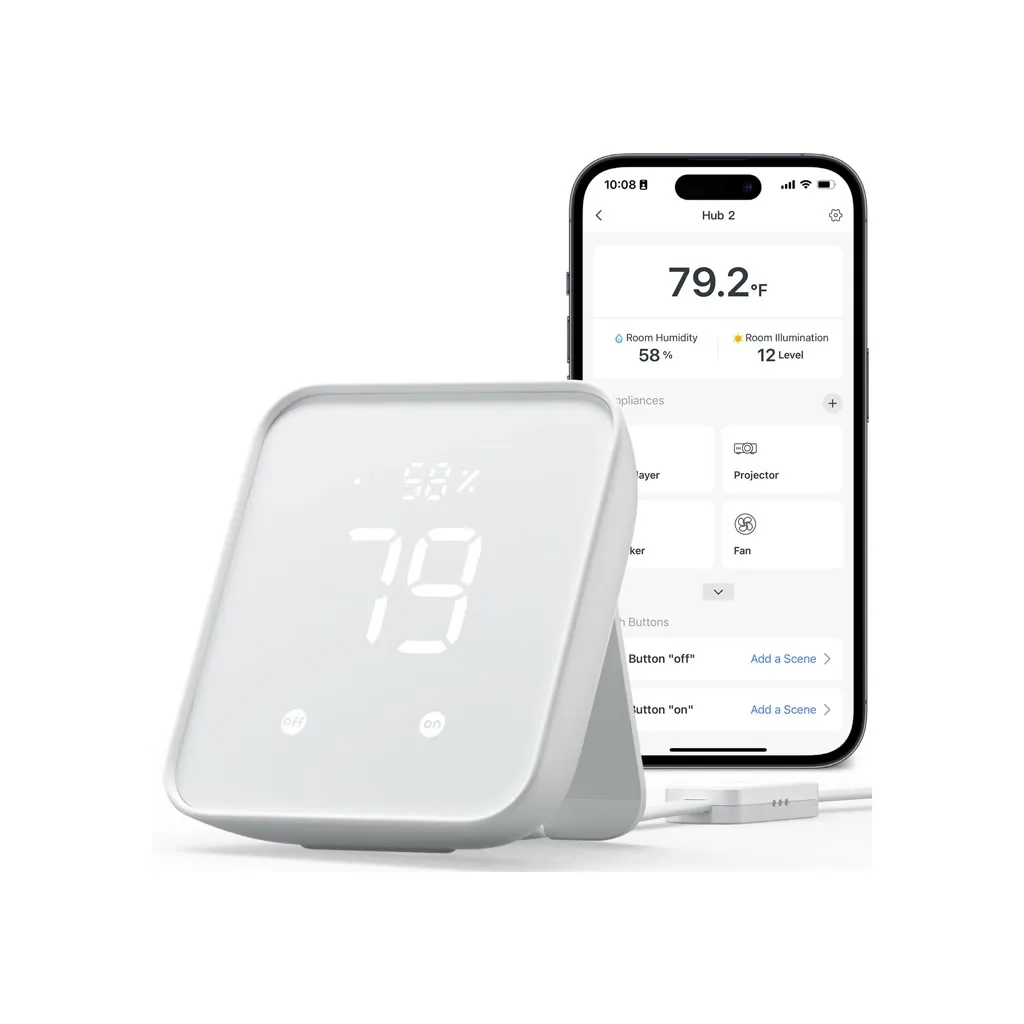
Compact 4-in-1 hub that links SwitchBot Bluetooth devices and IR appliances to Wi-Fi and Matter. Built-in temperature, humidity, and light sensors with an on-device display, two programmable scene buttons, and an IR blaster for TVs and air conditioners. Works over 2.4 GHz Wi-Fi with Bluetooth pairing, and exposes SwitchBot devices to Alexa, Google Home, and Apple Home through Matter.
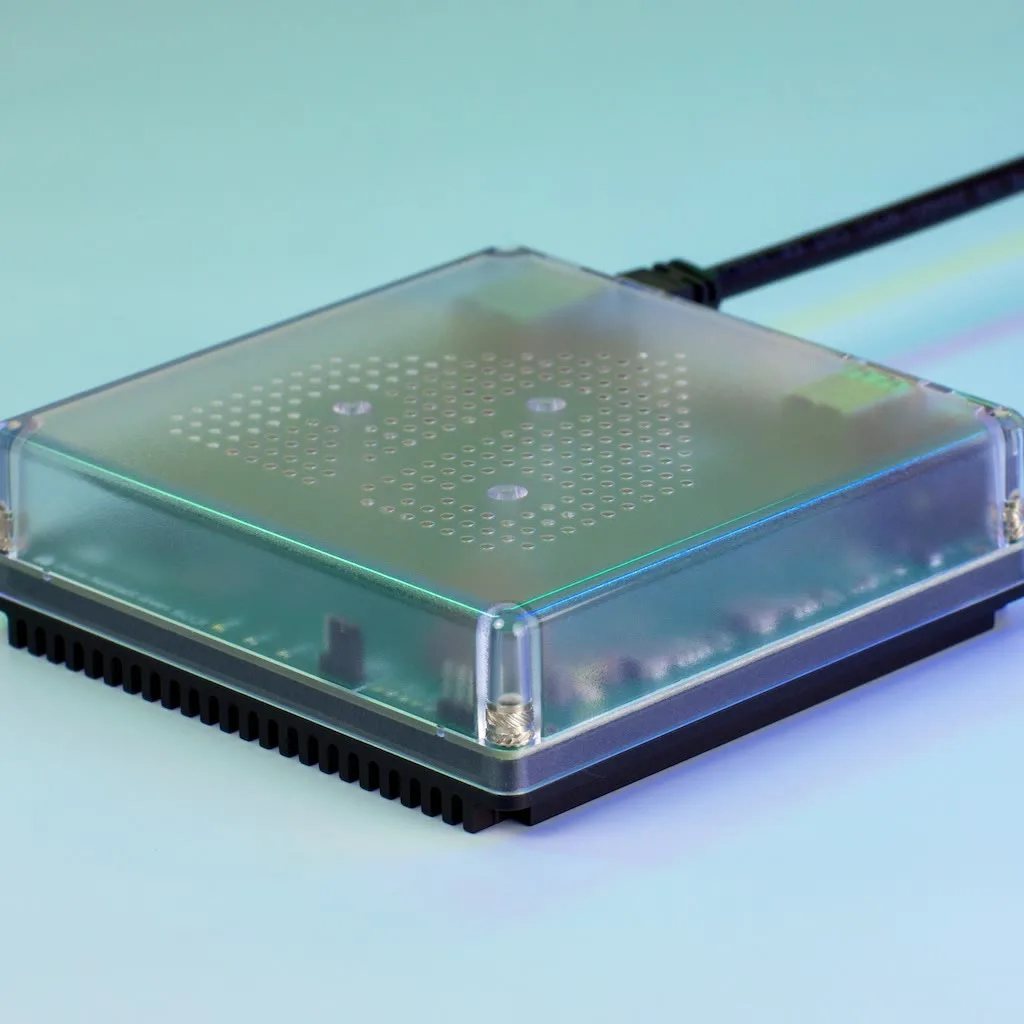
Official plug-and-play Home Assistant hub with Home Assistant OS preinstalled. Rockchip RK3566 quad-core processor, 4 GB RAM, and 32 GB eMMC storage in a small fanless case, with Gigabit Ethernet and two USB 2.0 ports. Automations run locally with no subscription. It has no built-in Wi-Fi, Bluetooth, Zigbee, Thread, or Z-Wave radio, so a USB adapter such as Connect ZBT-2 is needed for Zigbee or Thread devices.
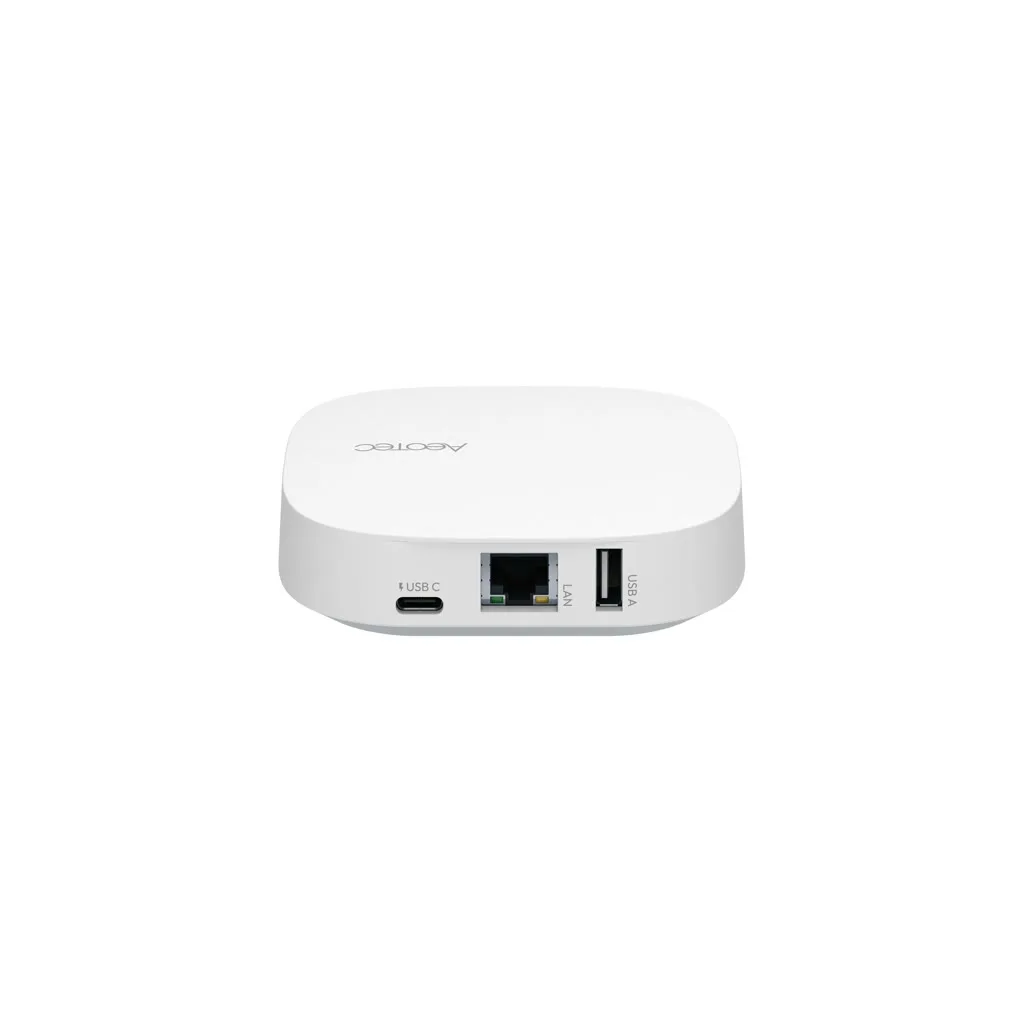
SmartThings hub with Matter 1.5, Thread 1.4, Zigbee 3.0, Wi-Fi, and Bluetooth, acting as a Zigbee coordinator, Thread border router, and Matter bridge. Connects up to 150 Zigbee devices and more than 1000 Matter devices over Wi-Fi or Ethernet, with local automations through the SmartThings app. Powered by USB-C with an adapter and Ethernet cable included.