Why Boutique Hotels and Rental Portfolios Are Abandoning Cloud-Only Wi-Fi Retrofits
Independent boutique hotels (15 to 120 keys), aparthotel operators, student housing portfolios, and multi-family property managers across Europe, North America, the Middle East, and Asia-Pacific face three compounding operational costs: front-desk staffing for late guest check-ins, empty-room HVAC electricity waste when guests leave air conditioning or heating running all day, and catastrophic multi-floor water damage from burst toilet supply lines or washing machine hoses.
First-generation consumer smart-home retrofits attempted to solve these problems with direct 2.4 GHz Wi-Fi locks, passive infrared (PIR) motion sensors, and cloud-dependent IFTTT webhooks. At commercial scale, that architecture fails predictably: Wi-Fi locks drain AA batteries every 90 to 120 days, PIR sensors turn off air conditioning while a guest is reading quietly in bed (triggering 1-star hospitality reviews), and ISP fiber outages lock housekeepers out of rooms when cloud APIs go unreachable. A modern commercial retrofit assortment solves all three failure modes through local-first Matter-over-Thread, Zigbee 3.0, and clamp-on mechanical actuators.
Pillar 1: Offline-First Euro-Cylinder & ANSI Deadbolt Smart Locks
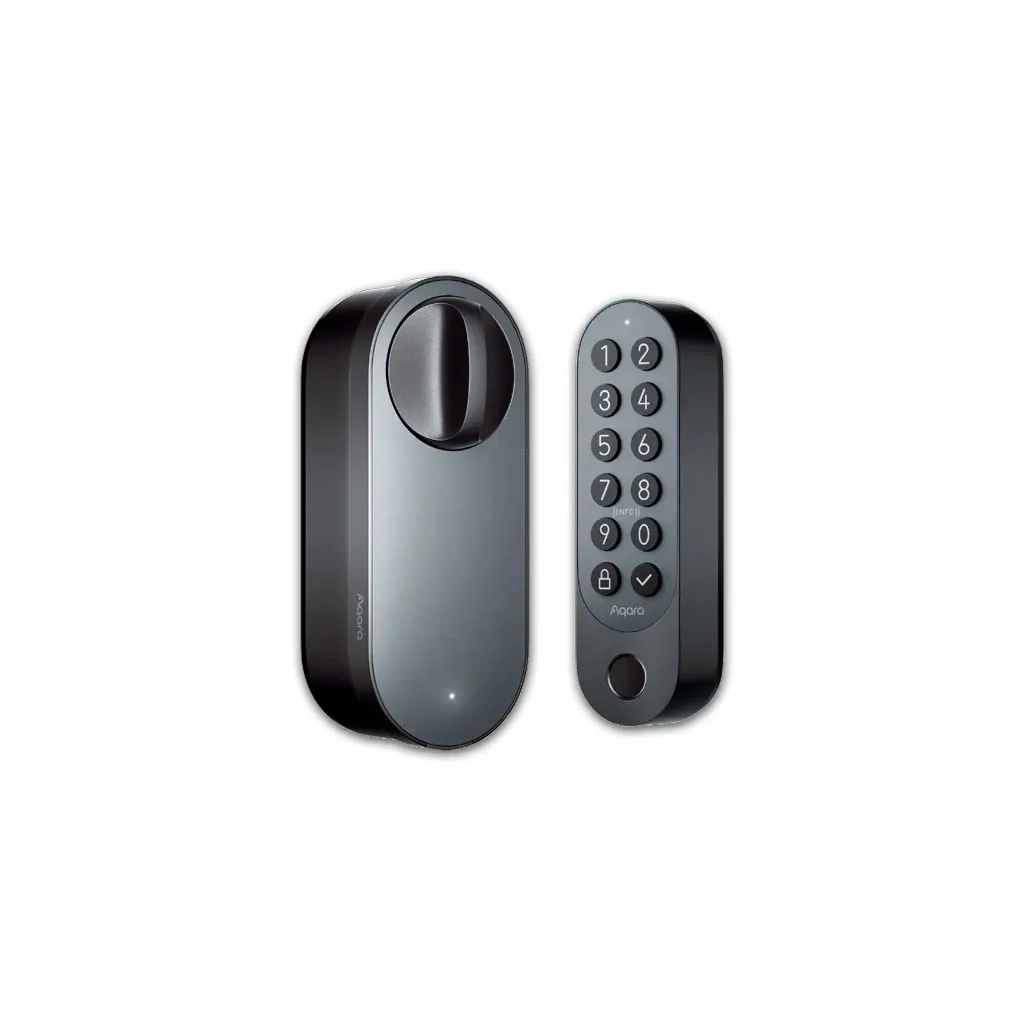
Selecting commercial retrofit access hardware starts with matching regional door mechanics while enforcing 100 percent offline PIN and NFC credential execution:
- European, UK, and GCC Euro-profile cylinder doors (EN 1303 / DIN 18252): Boutique hotels and apartments across EU-27, Great Britain, and Dubai predominantly use Euro-profile cylinders with emergency double-clutch (panic/priority) functionality—allowing an exterior master key to rotate even when a thumb-turn motor is mounted on the interior side. Retrofit smart locks clamp directly onto the interior tailpiece in under ten minutes with zero door drilling, preserving historic wooden doors and fire-door integrity ratings where permitted by local fire codes.
- North American and Mexican ANSI A115 tubular deadbolts (54mm cross-bore, 60mm/70mm backset) & Japanese MIWA/GOAL thumb-turns: Match exterior IP65 weatherproof tactile PIN keypads (supporting time-bound offline algorithmic or locally cached Matter PIN codes) with low-quiescent-current Matter-over-Thread or BLE motors achieving 9 to 14 months per battery cycle.
- Mandatory emergency egress and power backup: Specify single-motion mechanical interior thumb-turn/lever egress (compliant with EN 179 or NFPA 101 life-safety principles) plus exterior USB-C emergency jump-power contacts on any key-free exterior escutcheon so a depleted battery never requires destructive locksmith entry.
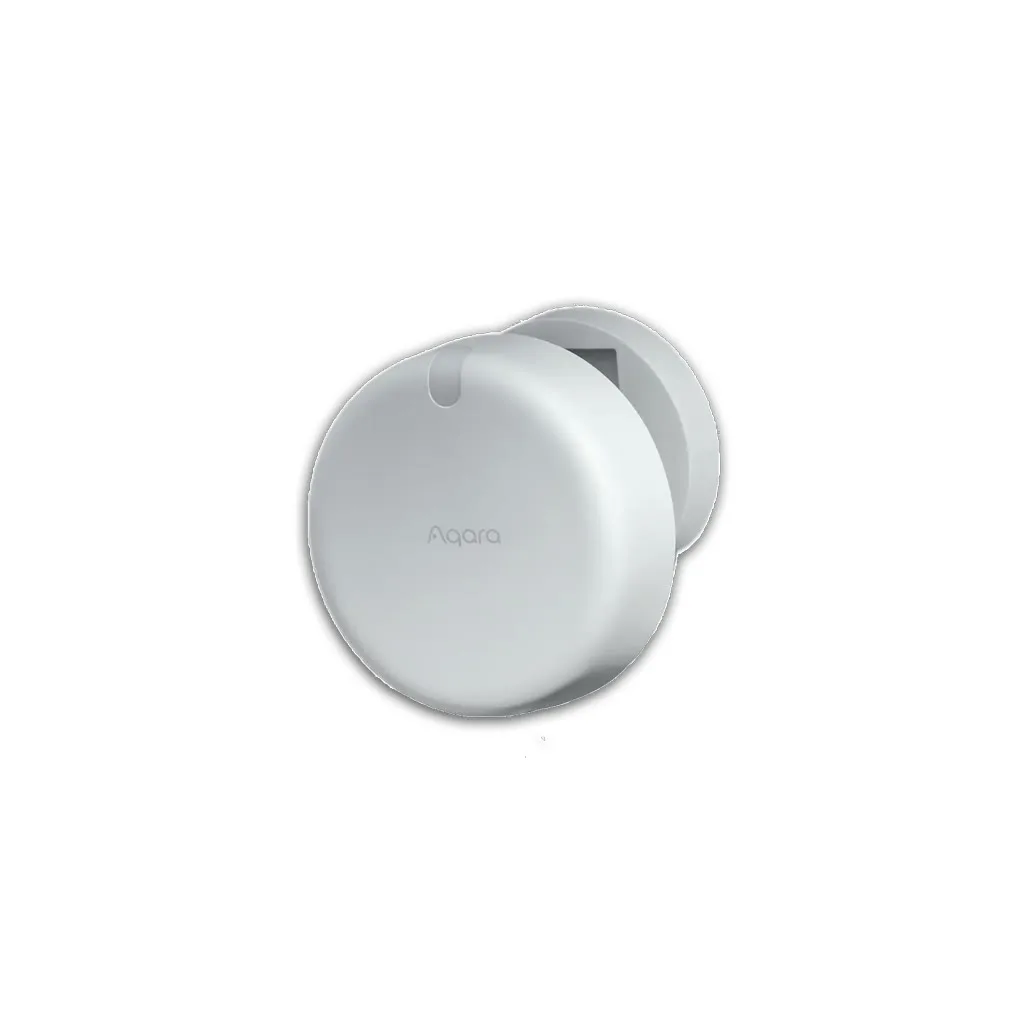
Pillar 2: Camera-Free 60GHz mmWave Presence Sensors Replace Hotel Keycard Energy Slots
Legacy hotel wall keycard power slots stopped saving energy the moment travelers realized any spare business card or gym membership card keeps room air conditioning running 24/7. Replacing mechanical keycard slots with camera-free millimeter-wave radar presence sensors paired with smart radiator valves, thermostats, or mini-split AC controllers typically cuts unoccupied room HVAC runtime by 25 to 40 percent without harming guest comfort:
- Why 24GHz/60GHz micro-Doppler radar beats PIR in guest bedrooms: Unlike passive infrared sensors that require large cross-beam walking movement, millimeter-wave radar detects sub-millimeter thoracic breathing movements while a guest sleeps under a duvet or works silently at a desk—preventing false 'unoccupied' HVAC shutoffs.
- Strict camera-free hospitality trust requirement: Guests and privacy regulators strictly prohibit optical cameras inside hotel bedrooms or suites. Hardware packaging and room tent-cards should explicitly state 'Camera-free radar presence sensor—zero optical lens, zero microphone.'
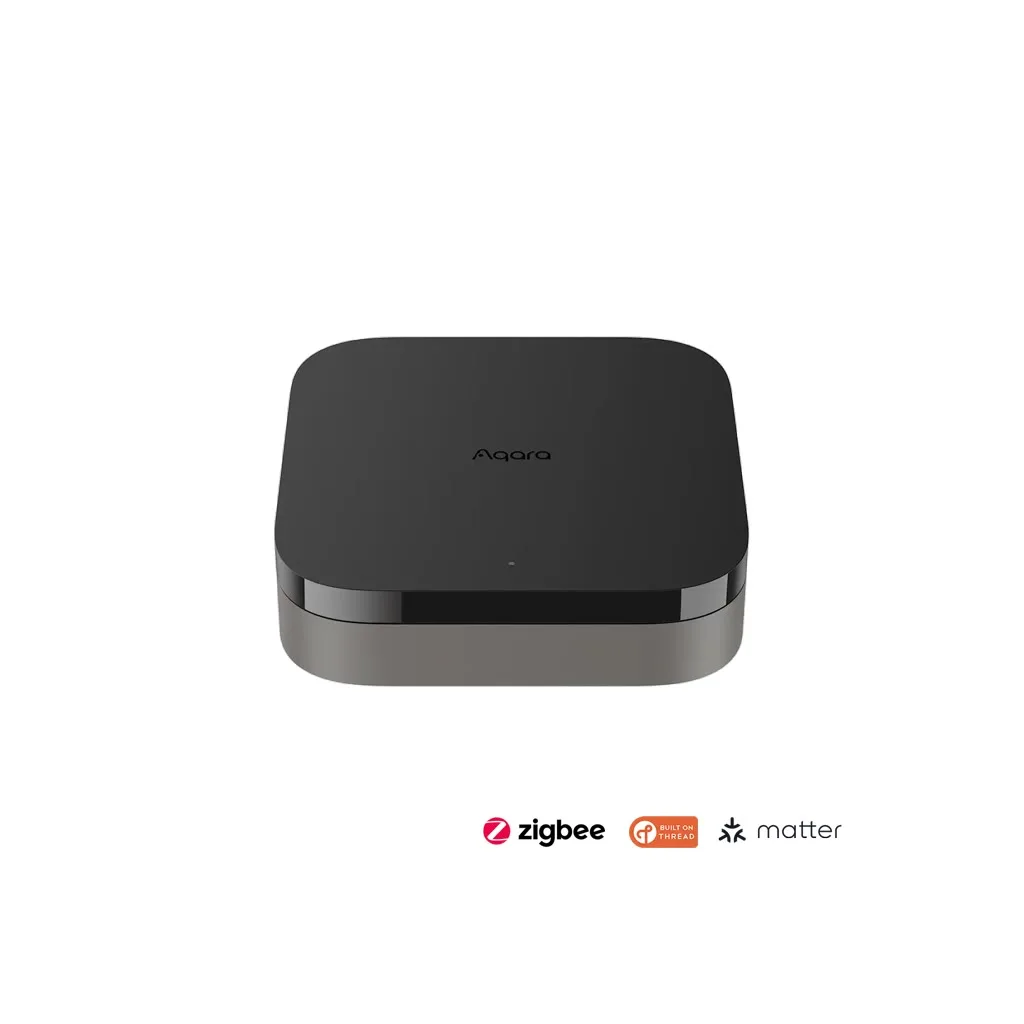
- Local automation logic via Thread Border Router / PoE Hub: Configure a 15-to-20-minute 'door-closed + zero-presence' setback rule directly on the room or floor hub (such as PoE-powered Matter/Zigbee hubs) so thermostats shift gently by 3 to 4 degrees Celsius during daytime excursions and restore comfort within seconds of door unlock.
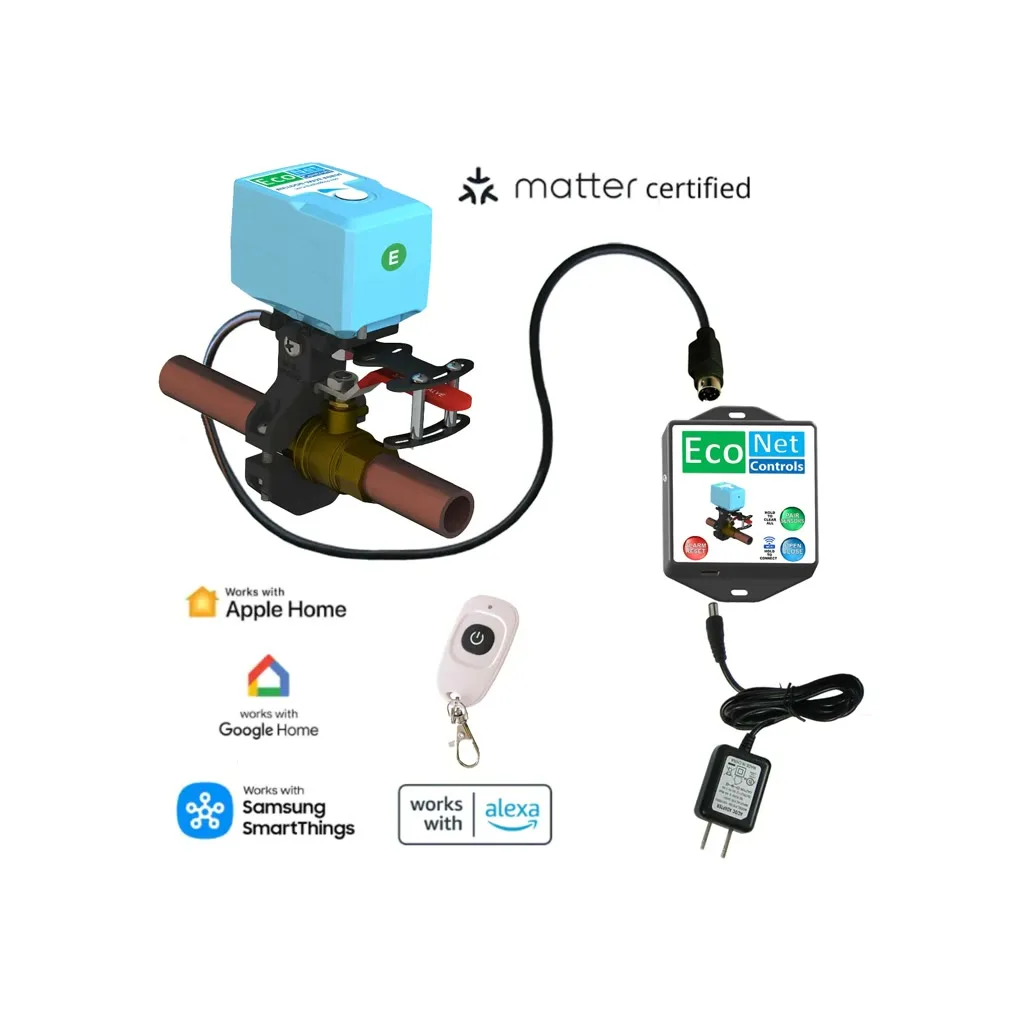
Pillar 3: Non-Invasive Clamp-On Quarter-Turn Water Shutoff Valves & Flood Puck Pairs
A single burst braided supply hose on a fourth-floor serviced apartment can take six stacked rental units offline for months and trigger massive commercial insurance deductibles:
- Plumber-free clamp-on quarter-turn ball-valve actuators: Rather than cutting copper or PEX risers—which requires municipal water shutdowns and licensed plumbing permits—high-torque motorized actuators clamp directly over existing 1/2-inch, 3/4-inch, or 1-inch quarter-turn lever ball valves, delivering 4 to 8 Newton-meters of stall torque.
- Direct local binding to under-sink and water-heater leak pucks: Pair wireless flood sensors beneath bathroom vanities, kitchen dishwashers, and laundry closets directly to the valve actuator via local Zigbee binding, Matter local fabric, or sub-GHz LoRa link so water shuts off within 3 seconds even if building Wi-Fi and AC mains fail (using battery backup packs).
Pre-Deployment Pilot & Multi-SKU Consolidation Checklist for Integrators
Commercial hospitality operators should validate a 3-to-5 room physical pilot for 14 days before ordering portfolio-wide container or air-pallet quantities:
- Corridor RF attenuation walk-test: Measure Thread and Zigbee link quality index through reinforced concrete fire walls and steel elevator cores; budget one PoE or Ethernet corridor hub per 4 to 8 guest suites rather than trying to span three floors on one hub.
- Ceiling-fan and curtain radar exclusion tuning: Test mmWave sensors while split-unit AC louvers oscillate and sheer curtains move in drafts, confirming spatial exclusion zones eliminate ghost occupancy triggers.
- Seized-valve monthly auto-exercise routine: Schedule automated 10-percent valve partial-exercise or off-peak open/close cycles every 30 days to prevent mineral limescale seizure on brass ball valves.
- Battery replacement SOP for housekeeping: Standardize battery SKUs across locks and leak sensors (such as AA lithium iron disulfide and CR123A/CR2450) with automated 20-percent battery alerts routed to maintenance dashboards.
- Spare actuator and cylinder reserve: Stock a 5-percent on-site maintenance buffer of replacement lock cylinders, wireless entry keypads, and leak sensor pucks so housekeeping resolves room hardware faults in under fifteen minutes between guest turnovers.
- Commercial terms transparency: Multi-SKU turnkey kitting quotes, regional CE-RED/FCC/UKCA/SABER documentation bundles, and factory lead times remain Unknown until scoped against room count and door/valve photos via the SmartLife100 inquiry portal.