Enterprise AI Voice Recorder Procurement Guide: GDPR, Two-Party Consent Laws, Physical Mute Switches & Offline ASR
An enterprise legal, security, and hardware procurement guide for deploying AI meeting recorders and voice badges across healthcare, legal, and financial organizations under strict privacy regulations.
Architecture / Option
Pros
Failure Risk
Best B2B Fit
Physical Mute Switch + On-Device Encryption
Hardware-level privacy guarantee; zero accidental microphone activation
Requires manual user switch management during impromptu discussions
Field journalism, media interviews, corporate marketing teams
Statutory Recording Governance: Two-Party Consent and Visual Indicator Standards
While wearable AI audio recorders enhance executive productivity, unannounced recording risks wiretapping violations. In the United States, states like California, Florida, and Massachusetts require two-party consent. In the European Union, GDPR classifies voice recordings as personal data and biometric vocal characteristics as Article 9 special category data.
To mitigate legal liability, corporate hardware deployments must incorporate standardized notice mechanisms:
Conspicuous physical form factors: Wearable badge recorders must be visibly displayed on lapels or lanyards rather than concealed inside pockets. Pinhole microphone devices lacking clear visual branding invite severe workplace surveillance grievances from employee councils.
Mandatory recording indicator lights: Enterprise-grade recording hardware must feature prominent LED tally lights that illuminate steadily whenever the analog-to-digital converter actively samples acoustic input. Firmware must prevent software deactivation of this LED tally lamp, ensuring participants remain aware of active recording.
Audible chime notifications: For meeting hubs and multi-directional recording discs, devices should emit an audible acoustic tone or spoken chime upon initiating and terminating audio capture, providing clear notice to all persons present.
Devices such as the PLAUD NOTE AI Voice Recorder and the lapel-mounted PLAUD NotePin S AI Voice Recorder feature dedicated visual LED status indicators to maintain operational transparency. Organizations structuring enterprise hardware rollouts can Request Quote through our compliance consultation team.
Data Sovereignty, HIPAA BAA Contracts, and Biometric Voiceprint Privacy
In regulated industries such as healthcare, wealth management, and legal advisory, the transmission and storage of spoken audio files are governed by rigorous data privacy frameworks:
HIPAA compliance and Business Associate Agreements: Healthcare organizations deploying AI dictation devices for clinical encounters must ensure the solution meets the Health Insurance Portability and Accountability Act (HIPAA) Security Rule. If recordings contain Protected Health Information (PHI), the hardware vendor and cloud transcription provider must execute a binding Business Associate Agreement (BAA). The pipeline must enforce AES-256 encryption at rest on internal device flash memory and TLS 1.3 cryptographic transport across cellular and Wi-Fi networks.
Zero-data-retention cloud architectures: Enterprise CISOs must audit the downstream large language model (LLM) infrastructure utilized for audio transcription and automated summarization. Corporate agreements must guarantee zero data retention, meaning raw audio recordings, transcript tokens, and generated executive action items are deleted from server memory immediately after processing.
GDPR data minimization: Under GDPR Article 25, systems must enforce privacy by design. When acoustic diarization algorithms generate vocal embeddings to distinguish between speaker voices, these mathematical embeddings constitute biometric templates. Enterprises must ensure biometric templates are stored locally on client hardware or wiped immediately following meeting completion.
Hardware-Level Microphone Isolation vs. Software-Gated Controls
Cybersecurity architects distrust software-controlled microphone muting, where software flags leave microphone hardware continuously energized and vulnerable to kernel exploits.
For high-security corporate environments—such as executive boardroom strategy sessions and defense engineering labs—hardware-level microphone isolation is mandatory:
Physical hardware cutoff switches: True privacy hardware features a physical mechanical slide switch that breaks the electrical analog bias circuit supplying voltage to the micro-electro-mechanical systems (MEMS) microphone capsule. When toggled to mute, the microphone is completely unpowered, preventing audio capture.
Dedicated offline edge ASR processing: The most secure recording architecture executes automated speech recognition (ASR) completely on-device using dedicated neural processing units. By running compact speech models locally, spoken words are converted into plain text without transmitting audio across external networks.
Cryptographic firmware attestation: Enterprise devices must employ hardware secure elements with cryptographic root-of-trust verification. When the device boots, the bootloader verifies digital firmware signatures, blocking modified or unauthorized firmware builds from running.
Specialized communication systems like the Timekettle W4 Pro AI Interpreter Earbuds implement advanced acoustic filtering while providing clear user control over active microphone channels. Enterprise security teams evaluating compliant voice processing hardware can review detailed technical specifications and Request Quote through our specialist desk.
Frequently Asked Questions
How do enterprise buyers satisfy two-party consent laws when deploying AI voice badges?
Enterprise buyers satisfy two-party consent statutes by establishing transparent recording protocols. This includes utilizing wearable hardware with non-deactivable LED recording tally lights, training staff to request verbal consent prior to recording, and implementing audible entry chimes or visible table-top signage in meeting environments.
Can AI voice recorders achieve HIPAA compliance for clinical medical transcription?
Yes, AI voice recorders can be utilized in clinical environments provided the vendor signs a formal HIPAA Business Associate Agreement (BAA), enforces AES-256 encryption on on-device storage, secures all network data transit using TLS 1.3, and guarantees zero data retention on cloud processing servers.
Why is a physical hardware mute switch required by corporate security officers?
A physical mechanical mute switch breaks the actual electrical circuit powering the microphone transducer. Unlike software-based mute toggles that can be circumvented by operating system exploits or malicious firmware modifications, a physical disconnect renders audio eavesdropping physically impossible.
What is the difference between local offline ASR and cloud-based AI transcription?
Local offline automated speech recognition processes audio entirely on the device processor or edge neural engine without transmitting acoustic data over the internet, offering complete data privacy and zero air-gap leakage. Cloud transcription offloads audio to remote data centers, delivering higher vocabulary accuracy and complex multi-speaker diarization but requiring strict cloud data governance.
How do organizations ensure recorded audio is not used to train AI foundation models?
Organizations must obtain contractual enterprise data processing agreements (DPAs) with hardware and AI API vendors that explicitly prohibit the use of customer audio data, transcripts, or metadata for model training, accompanied by third-party SOC 2 Type II compliance audit reports confirming zero data retention.
Export a structured pre-PO procurement checklist extracted from this playbook's verification sections, buyer diligence questions, and referenced catalog SKUs.
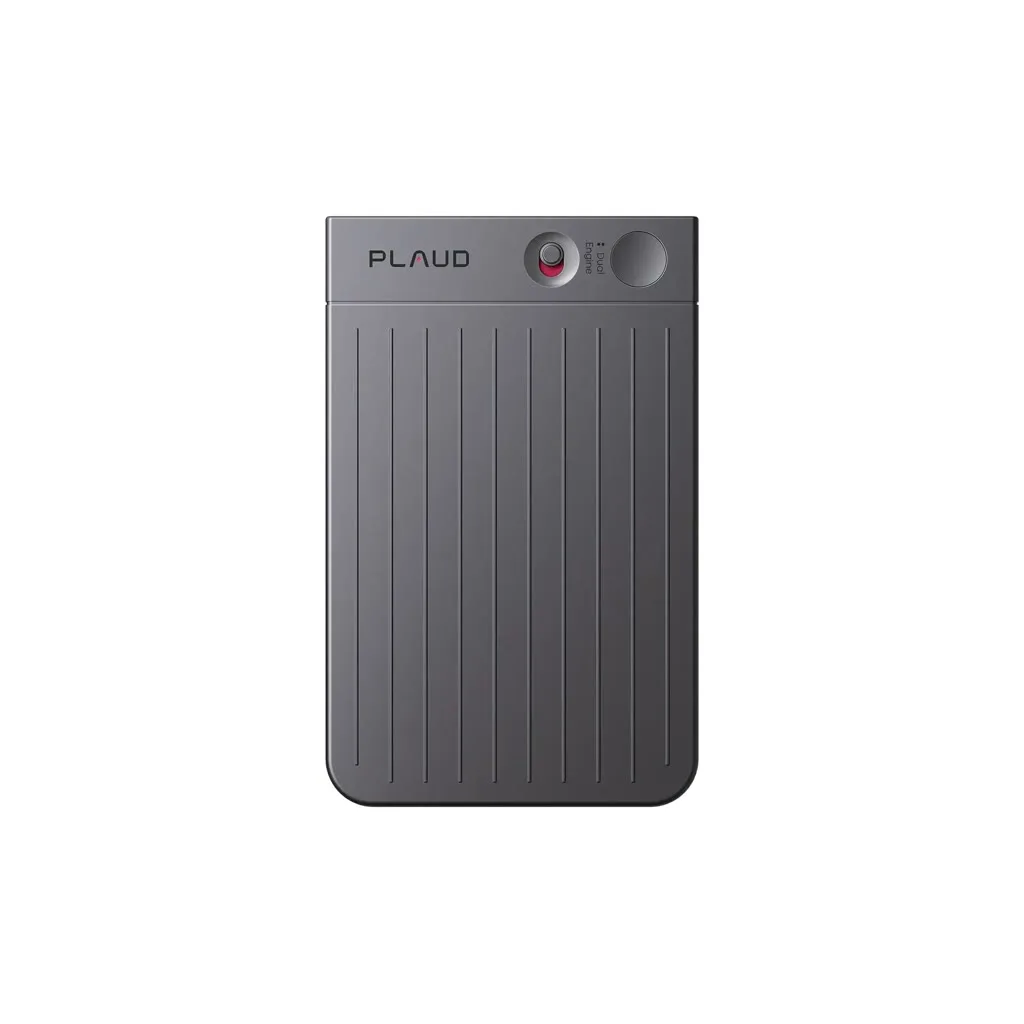
Credit-card-sized dual-mode voice recorder for meetings and phone calls, with 64 GB local storage, 400 mAh battery, up to 30 hours continuous recording, and companion app transcription in 112 languages.
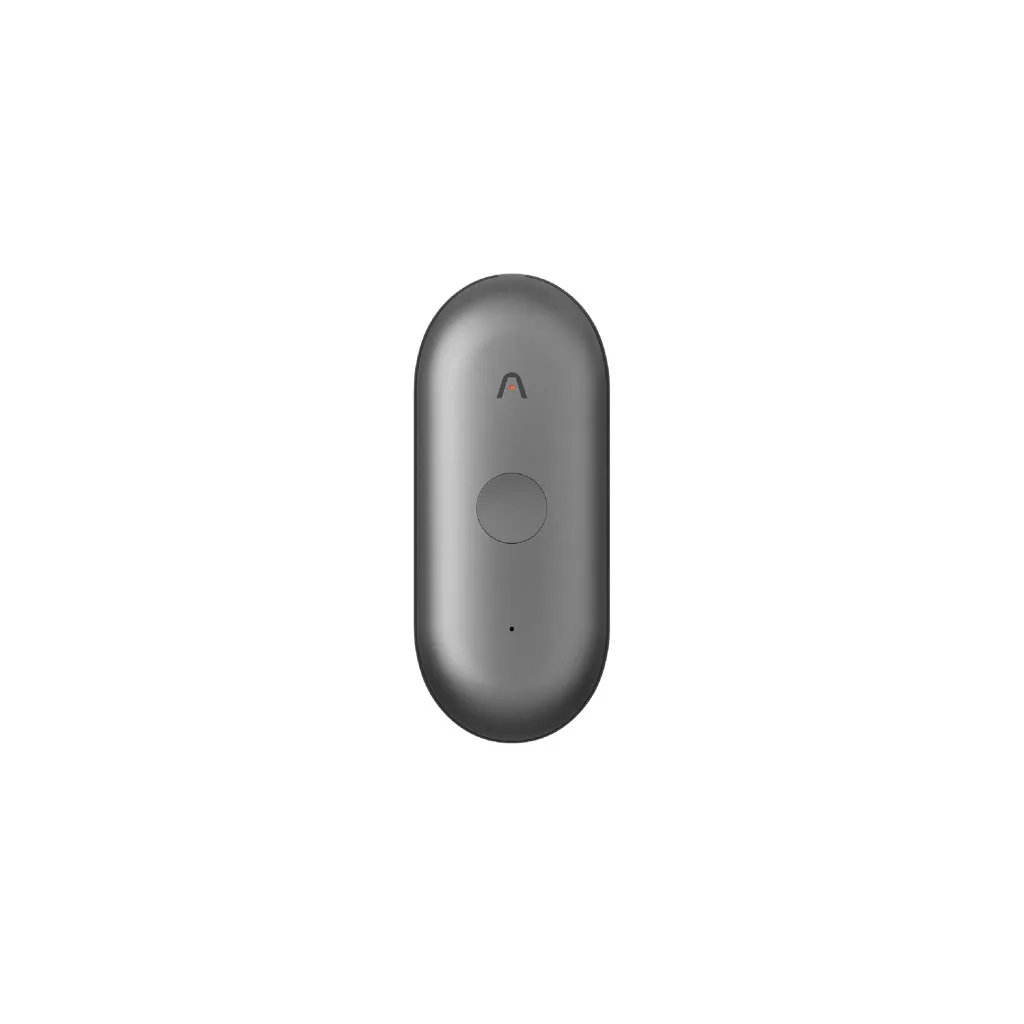
Wearable AI note taker worn as a clip, pin, necklace, or wristband for hands-free in-person conversations, with 64 GB storage, 320 mAh battery, up to 20 hours recording, and companion app transcription in 112 languages.
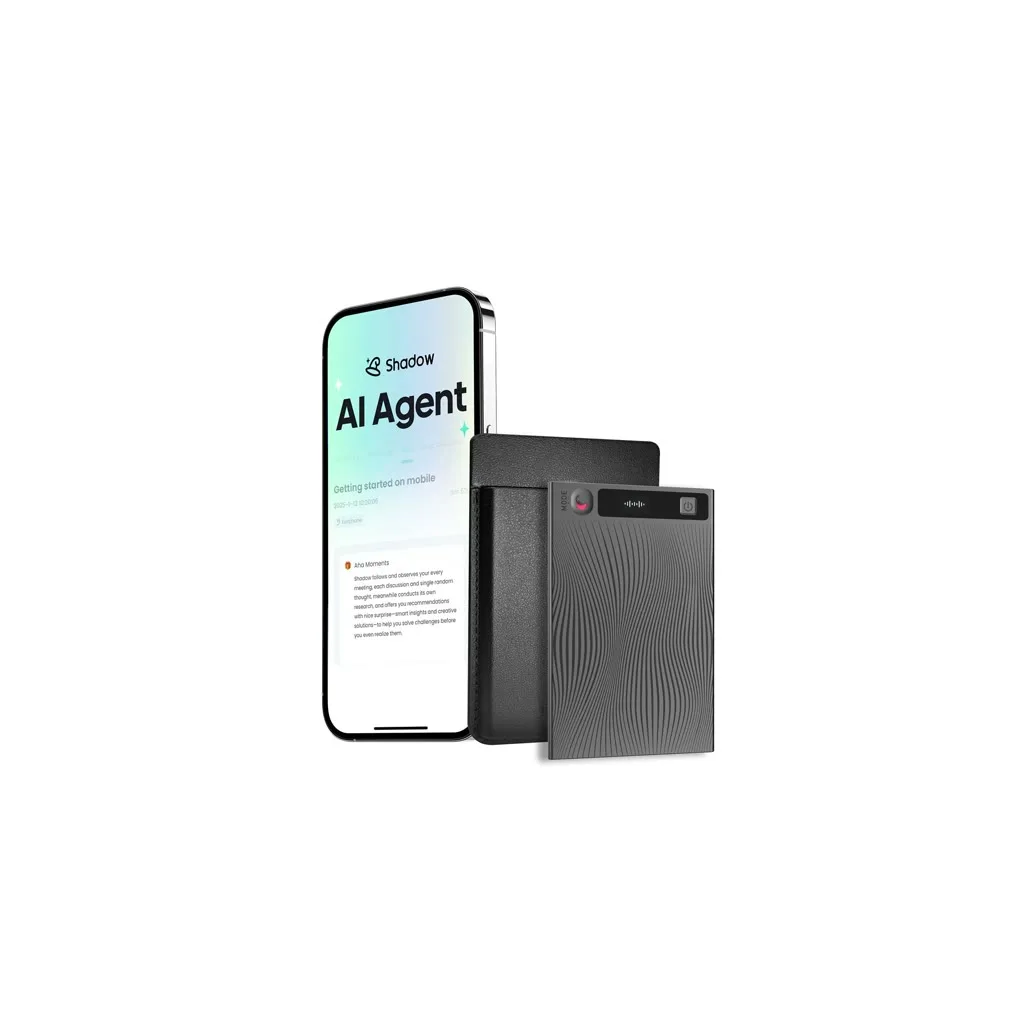
Credit-card-sized dual-mode AI voice recorder for meetings, lectures, and phone calls, with an air conduction microphone and a vibration sensor for call capture, 64 GB local storage, 470 mAh battery, up to 25 hours recording, and Shadow AI transcription in 120 or more languages.
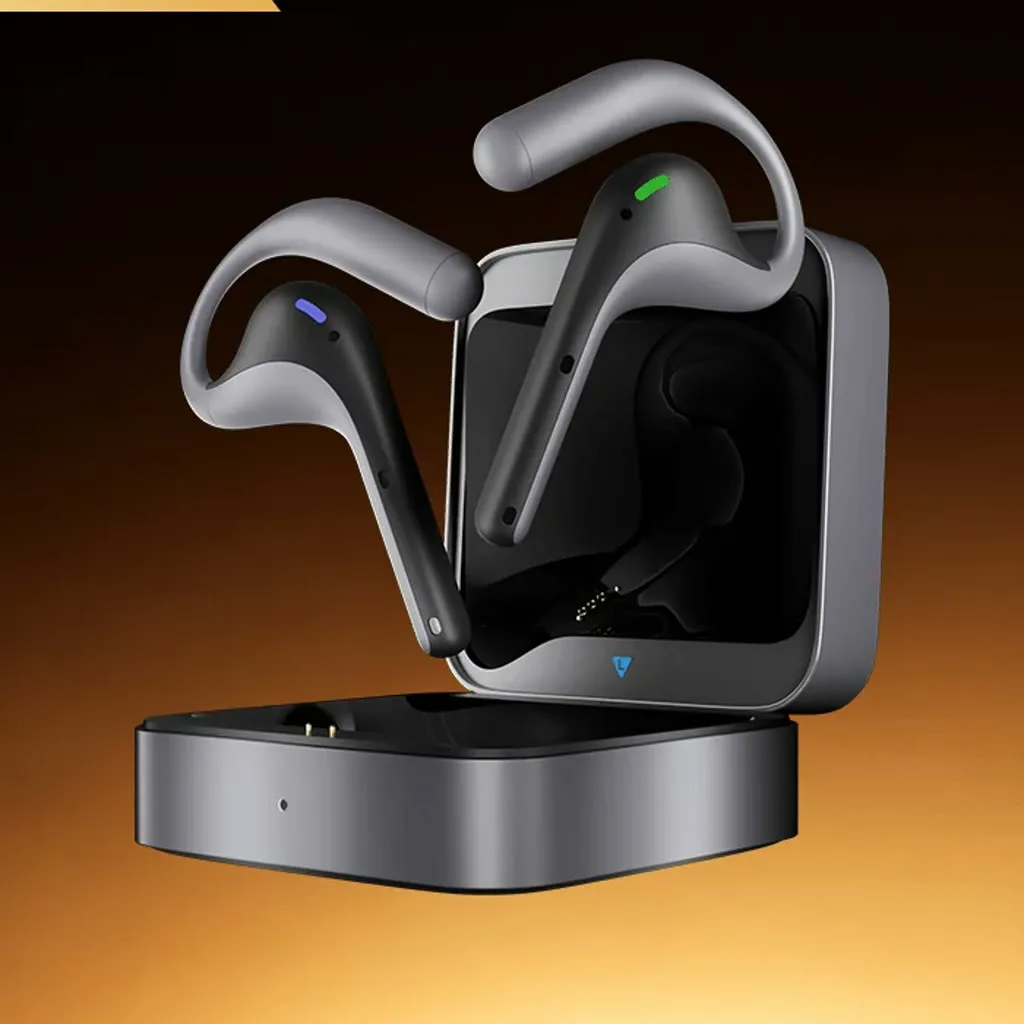
Open-ear AI interpreter earbuds for phone calls, video calls, and remote meetings, with two-way simultaneous interpreting, real-time subtitles, and AI-generated meeting memos. Supports 54 languages with 108 accents and a 25-pair offline package.
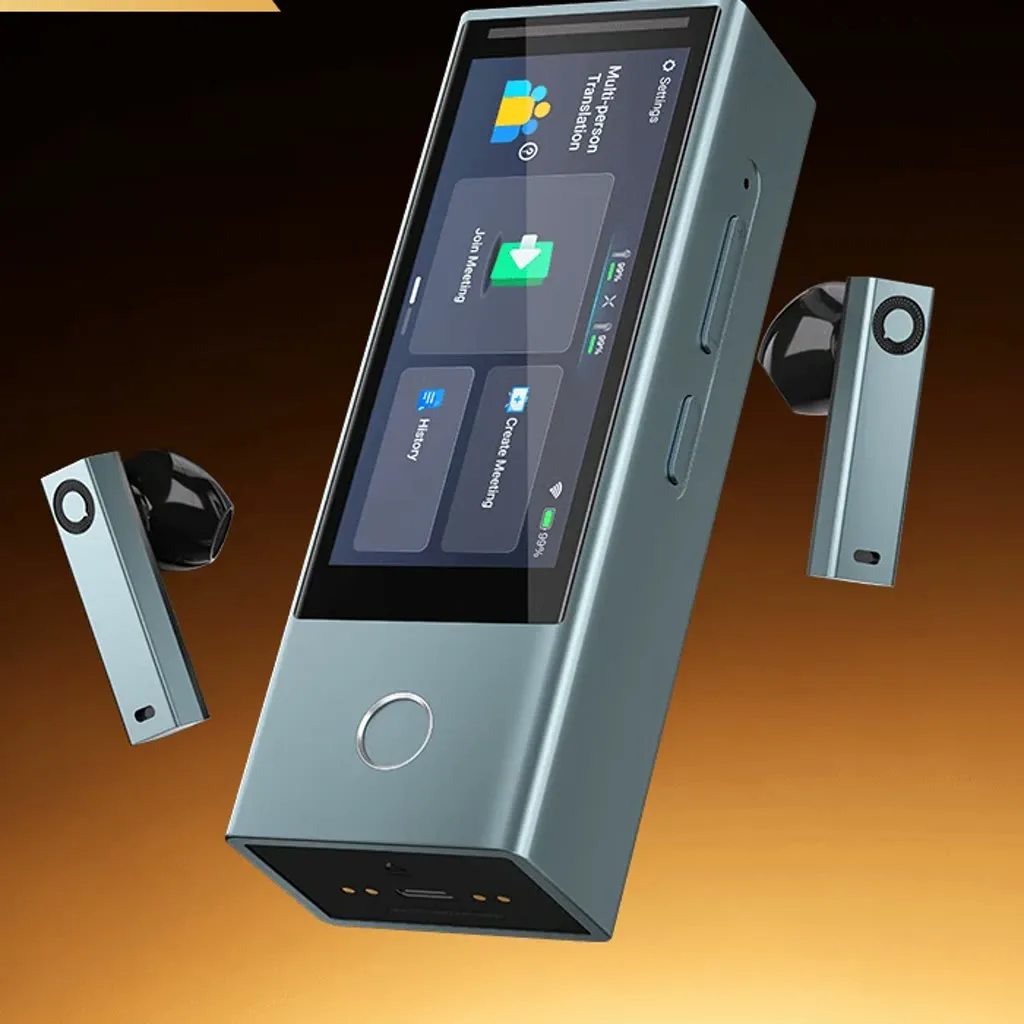
Standalone AI interpreter hub with built-in earbuds for multi-person meetings, translating 5 languages at once for up to 10 speakers and up to 50 participants, with 54 languages, 108 accents, 13 offline pairs, smart meeting minutes, bone conduction pickup, and no subscription.