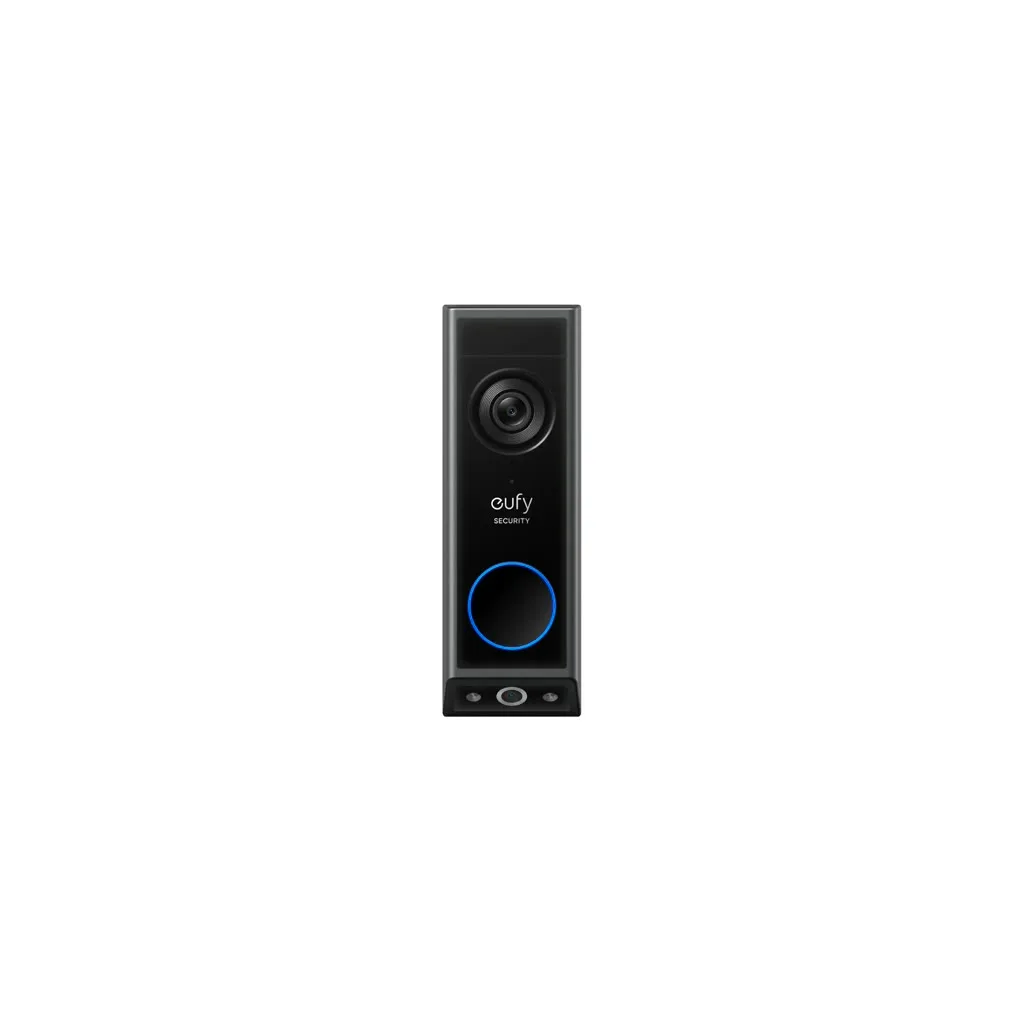
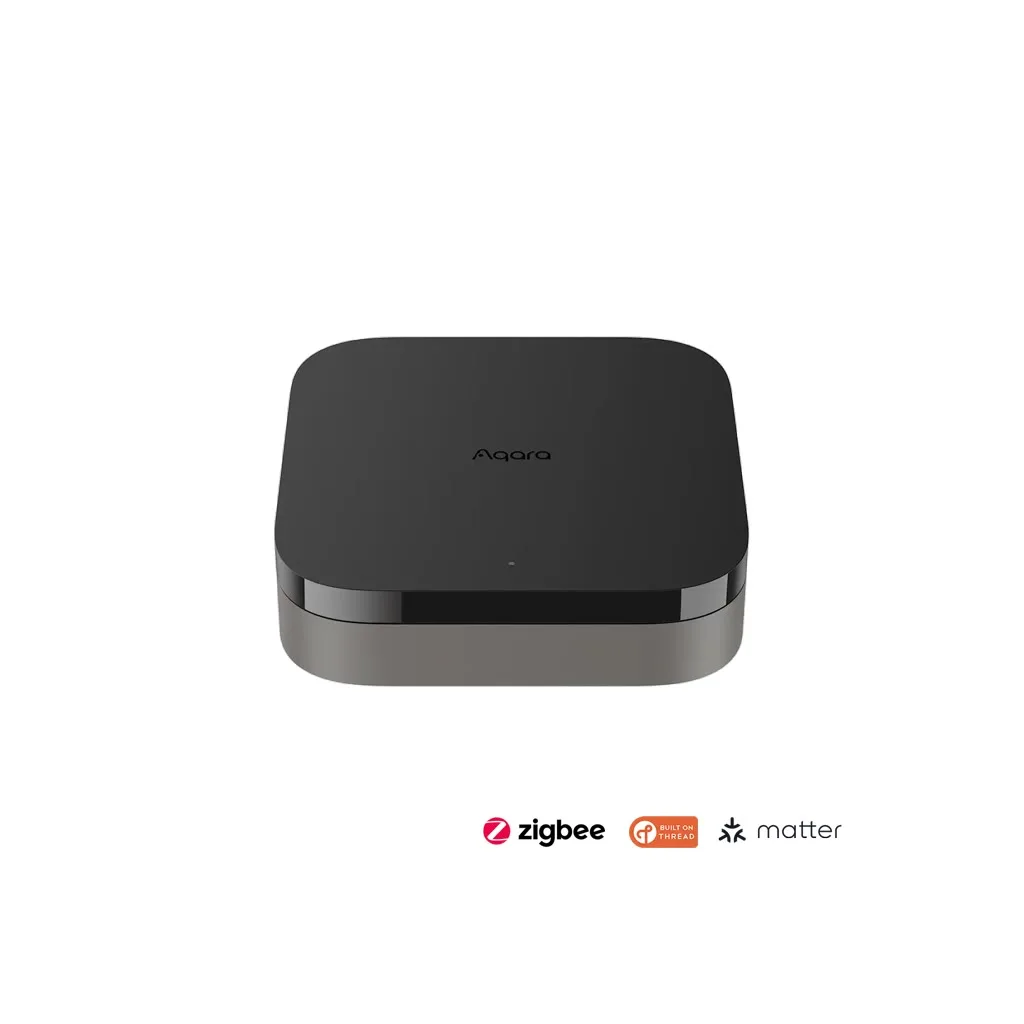
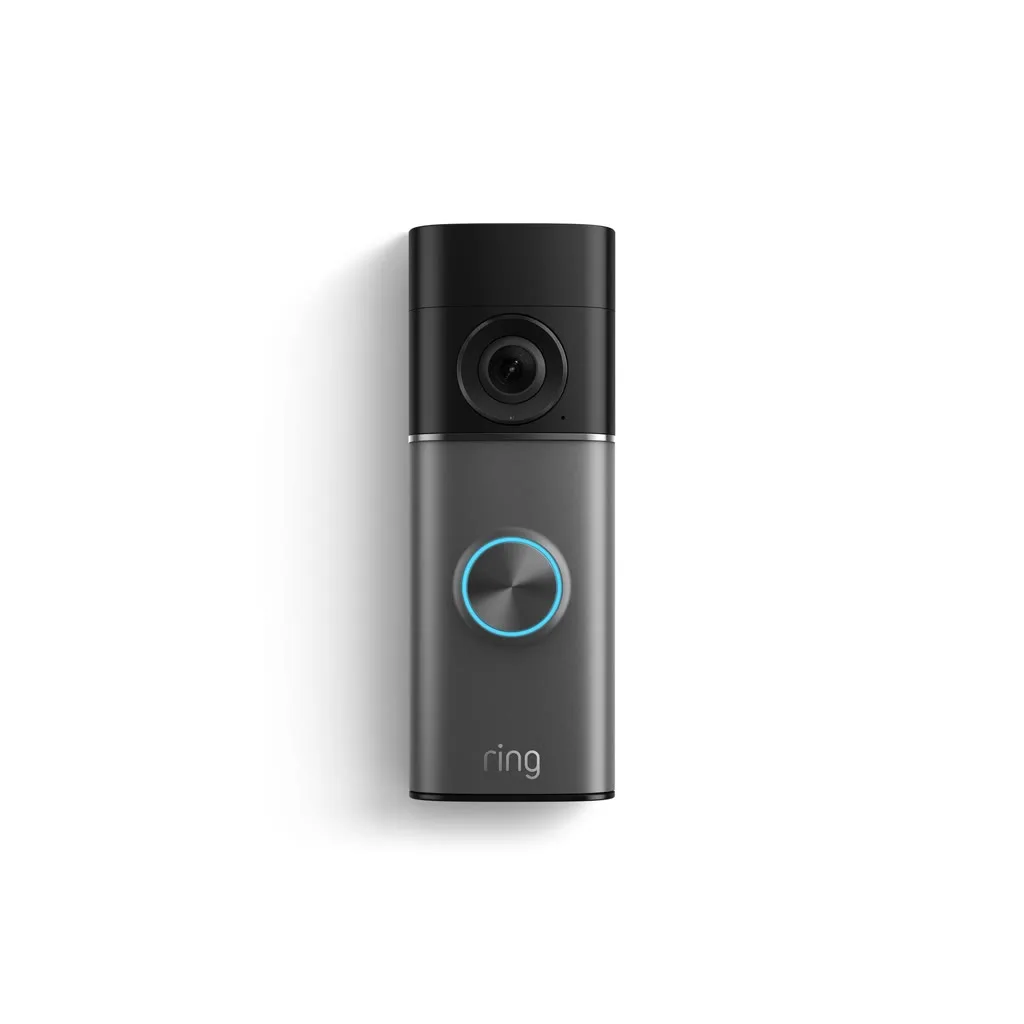
Split the order by importer and destination
A camera quoted for Gulf distribution can arrive with the correct plug and still miss customs release. Start with the Saudi importer of record and the UAE dealer as separate applicants. Give each a photograph of the final nameplate, the radio specification, the power supply model and a packing list showing spare batteries and optional accessories. Have the local operator return a list of applicable regulations and the evidence it will submit for each line. The answer can differ for a replacement charger shipped alone and the same charger packed with a camera.
Record the tariff heading proposed by the broker alongside the technical description used by the conformity body. A solar panel, a cellular modem and a recording hub can change both the commercial description and the questions an authority asks. Resolve disagreements before ordering printed cartons. For a distributor supplying other GCC states, request a separate decision for each destination. A Gulf conformity mark where applicable can support the dossier, but the Saudi shipment record and the UAE telecommunications release still belong to their respective national processes.
Build the Saudi SABER file in shipment order
Register the product in SABER and identify the technical regulation attached to its classification. For regulated goods obtain the applicable Product Certificate of Conformity, commonly abbreviated PCoC, through the accepted conformity assessment route. Where the platform instead calls for a supplier self-declaration, retain the classification supporting that route. The Shipment Certificate of Conformity, or SCoC, is tied to the consignment. The importer should reconcile invoice lines, quantities, models and certificate references before requesting it. Splitting an order between sailings changes the shipment paperwork even when the product design stays identical. SASO shipment certificate service
Check the current categories requiring Saudi national IECEE recognition. For an affected item, obtain the CB test certificate and underlying report, identify national differences and verify the applicant and factory details accepted by SASO. Ask the assessment body to highlight any component or plug evidence missing from the submission. A CB report for an adapter may help evaluate the adapter while leaving open the status of the finished camera. Budget the review and any additional testing as a distinct line in the order. SASO recognition service
Run the CST wireless equipment review alongside SABER registration. Match the exact commercial model to the approved device record and check regional channels, output power, antenna configuration and any licensing conditions for the proposed use. A cellular backhaul option changes the specification compared with a local wireless model. Require the importer to identify any additional clearance before allocating stock to that option. CST approved devices directory
Establish the UAE dealer and power configuration
Have the registered UAE dealer confirm TDRA type approval for the finished telecommunications equipment and arrange the applicable customs release permit. Ask for the approved model identifier, the dealer's authority to import it and the artwork required for that model. Independently check whether the electrical product falls under a regulated category requiring a UAE conformity certificate through MoIAT, often referred to as ECAS. Record the scope decision for the charger as well as the host. TDRA customs release and MoIAT regulated products service
Specify the nominal supply at the intended site. Use 230 V at 50 Hz for the UAE configuration and 230 V at 60 Hz for the Saudi configuration, checking the actual installation before tender. Specify the applicable local requirements for the BS 1363 style Type G fused plug. Verify fuse rating, cord construction, earth continuity where required and the actual plug supplied in the carton. Have the lab exercise the power supply under simultaneous recording, night illumination and battery charging at both frequencies. Keep close photographs of the rating plate and plug for receiving inspection.
Qualify the rooftop installation and lithium shipment
An ambient temperature above 50 °C is an engineering design condition for some sites. Establish the customer's required duty cycle and installation geometry before promising it. A south-facing enclosure under direct sun can run hotter than the nearest weather station. Ask the supplier for separate curves for sustained recording, radio transmission and charging as temperature rises. Record where the camera reduces output, pauses charging or shuts down. Verify recovery with the production enclosure closed and the selected mounting plate fitted. A single maximum storage temperature on the data sheet says little about live operation.
Write an acceptance sequence for a hot afternoon followed by a power interruption. Have the lab log internal temperature, current, battery state and the time when recording resumes. Check the customer can tell a protective charging pause from a broken camera. At freight booking identify each lithium cell and pack design, obtain its UN 38.3 test summary and match the model and watt-hour rating to the carton. Distinguish batteries installed in equipment, batteries packed alongside it and loose replacement packs. Have the dangerous goods specialist confirm the packing instruction and carrier acceptance for the actual route.
Set the clearance budget and dispatch gate
Ask finance to price two consignments using the broker's destination-specific classification, customs value, duty, taxes, conformity fees and local handling. Show recoverable tax separately from permanent cost. Allocate design evaluation over the expected sellable units and shipment certification over each consignment. Model a split sailing and a delayed battery booking. Both can add documentation and storage costs without any change in factory price. Obtain written estimates for port storage and inland delivery before signing a commitment to deliver installed systems by a fixed date.
Work backwards from the date the installer needs the cameras. Reserve time for the conformity body to query the model family, for the lab to issue a corrected report and for the broker to reconcile the commercial invoice with the shipment application. Request the Saudi manual in the required language early enough for the recognition review. A translation that arrives after the vessel cut-off can shift the entire order to a later sailing.
For dispatch, the Saudi buyer should sign the invoice-to-SCoC reconciliation and confirm CST scope. The UAE buyer should sign the dealer, type approval and regulated product checks. The engineering lead should attach the thermal results and operating limits used in the tender. Give the warehouse a sample label and photographs for each destination so it can catch a mixed pallet before loading. For repeat orders, ask the factory to disclose substitutions in cells, chargers, antennas and enclosure materials. Route each change to the local file owner before releasing the revised stock.