Sourcing Smart Locks & Outdoor Cameras for Extreme Climates (-25C Winter to 50C GCC Heat): Battery Chemistry & IP65 Guide
An engineering guide for property managers and systems integrators deploying exterior electronic locks and security cameras across Nordic sub-zero winters and Arabian Gulf extreme solar heat.
Architecture / Option
Pros
Failure Risk
Best B2B Fit
Lithium Iron Phosphate (LiFePO4) Battery Pack
Stable discharge from -20C to +60C; 2,000+ charge cycles; non-combustible
Lower energy density requires slightly larger internal battery cavity
Exterior security cameras, perimeter gates, extreme-climate door locks
1.5V Primary Lithium Cylindrical Cells (Li-FeS2)
Outstanding cold performance down to -40C; 10-year shelf life
Sub-Zero Nordic Winters (-25C): Internal Resistance, Solenoid Torque, and Grease
Operating outdoor security hardware in sub-zero environments like northern Scandinavia and Canada imposes severe electrochemical and mechanical stress. Below minus 15 degrees Celsius, standard electronics suffer rapid failures:
Electrochemical internal resistance spike: In standard alkaline batteries, chemical reaction kinetics slow dramatically in freezing temperatures. Internal electrical resistance spikes exponentially. When a smart lock gear motor activates to throw a heavy mechanical deadbolt, the motor draws a momentary current surge between 500 milliamperes and 1.5 amperes. Under this heavy load, the battery output voltage collapses instantaneously below the microcontroller low-voltage cutoff threshold. The lock reports an erroneous low-battery warning and shuts down, stranding property owners outside in freezing blizzards.
Primary lithium chemistry (Li-FeS2): Sourcing teams deploying smart locks in cold climates must mandate 1.5V primary lithium cylindrical cells. Li-FeS2 cells utilize an organic liquid electrolyte that maintains low internal impedance and high discharge voltage at temperatures down to minus 40 degrees Celsius, providing consistent motor actuation torque through harsh arctic winters.
Low-temperature synthetic lubrication: Standard commercial lock mechanisms are lubricated with petroleum-based mineral grease. At minus 15 degrees Celsius, mineral grease hardens into a viscous paste that increases mechanical friction inside planetary gearboxes. Hardware procurement engineers must mandate synthetic aerospace-grade lubricants formulated with synthetic polyalphaolefin (PAO) base oils and PTFE micro-additives rated for continuous operation from minus 50 to plus 120 degrees Celsius.
GCC Desert Heat (+50C): Direct Solar Radiative Heating, UV Degradation, and Lens Haze
In arid desert regions like Saudi Arabia and the United Arab Emirates, ambient temperatures reach 50 degrees Celsius, while direct solar radiation drives lock surface temperatures past 75 degrees Celsius:
Capacitive touch sensor drift: Capacitive touchscreen keypads measure tiny fluctuations in electrical capacitance caused by human finger contact. In severe desert heat, high ambient temperature drifts cause sensor baseline capacitance to shift dramatically. Uncalibrated touch controllers experience false phantom touches or become completely unresponsive to dry fingers. Industrial-grade locks utilize temperature-compensated capacitive controllers or ruggedized optical biometric sensors.
OLED and LCD display failure: Inexpensive liquid crystal displays (LCD) suffer from isotropic liquid clearing under solar heating, turning black and unreadable. Organic light-emitting diode (OLED) screens degrade rapidly above 60 degrees Celsius if optical bonding adhesives delaminate. Hardware specified for desert environments must utilize high-temperature transreflective displays or durable backlit physical keypads.
Optical camera barrel warping: Outdoor security cameras exposed to unrelenting desert sunlight suffer severe optical degradation. Low-cost cameras constructed with plastic optical lens elements experience thermal expansion warping, resulting in permanent optical focus blur. Furthermore, outgassing from cheap internal silicone thermal pads condenses onto the inside of the optical front glass element, creating a permanent milky haze that blinds infrared night vision. Procurement specifications must require multi-element all-glass (6G) optical assemblies, metal lens barrels, and automotive-grade UV-stabilized housing polymers.
Ingress Protection Standards: IP65 Dust Resistance and Gasket Lifecycle
Blowing desert sand and coastal salt fog present severe contamination risks. Sourcing teams must evaluate Ingress Protection (IP) ratings carefully:
IP54 vs. IP65 distinctions: An IP54 rating provides only partial protection against dust ingress and protects solely against splashing water. In arid desert environments, fine windborne silica dust particles (often smaller than 10 microns) easily penetrate IP54 seals, coating internal printed circuit boards and jamming motor reduction gears. An IP65 rating signifies total dust-tight protection (zero particle ingress under vacuum test conditions) plus resistance to high-pressure water jets from any direction.
Gasket elastomeric materials: Standard polyurethane foam gaskets crack within twelve months under UV exposure. Exterior hardware must specify fluorosilicone or EPDM gaskets that maintain elasticity across thermal swings from 15C to 55C.
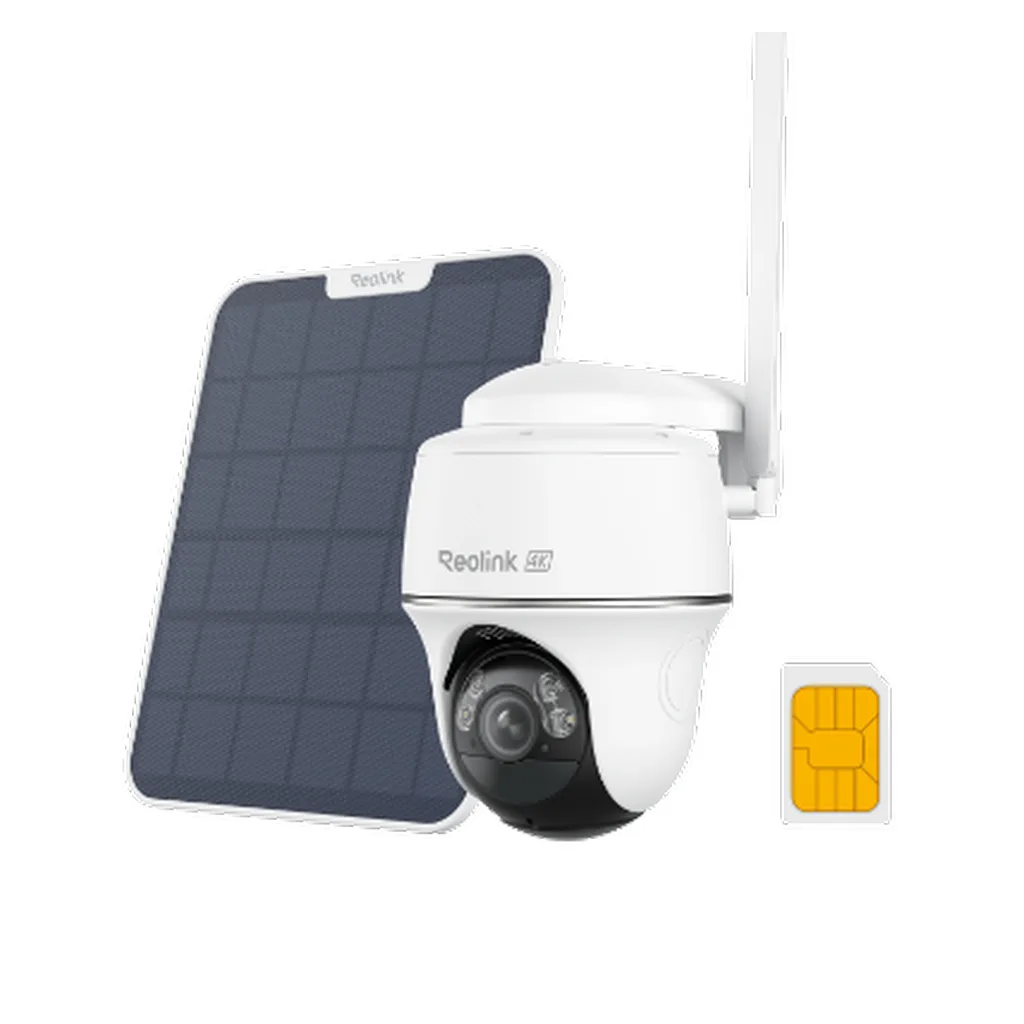
Off-grid surveillance units like the Reolink Go PT Ultra provide robust IP66 environmental sealing. Property management firms and commercial integrators can structure volume delivery schedules and Request Quote today.
Frequently Asked Questions
Why do smart lock batteries drain drastically faster during sub-zero winters?
Sub-zero temperatures dramatically slow electrochemical reactions inside standard alkaline batteries, spiking internal cell resistance. When the lock motor activates to throw the deadbolt, the sudden current draw causes a sharp voltage collapse below the low-voltage cutoff threshold, falsely indicating a dead battery.
What battery chemistry is recommended for exterior smart locks in cold climates?
Primary lithium cylindrical cells (1.5V Li-FeS2) or specialized cold-weather lithium iron phosphate (LiFePO4) battery packs are strongly recommended. Primary lithium batteries maintain low internal impedance and stable discharge voltage down to minus 40 degrees Celsius.
How do extreme desert temperatures above 50C affect smart lock touchscreens?
Direct solar exposure can heat exterior metallic lock faces past 75C, causing capacitive touch controllers to experience baseline electrical drift. This results in phantom keypresses or completely unresponsive touchpads. Specifying temperature-compensated touch controllers or physical backlit keys prevents this failure.
What mechanical lubrication is required for outdoor smart locks operating below freezing?
Locks deployed in freezing climates require synthetic aerospace-grade lubricants formulated with synthetic polyalphaolefin (PAO) base oils and PTFE micro-additives rated down to minus 50 degrees Celsius. Standard mineral grease stiffens into a sticky paste below freezing, stalling deadbolt drive motors.
What is the difference between IP65 and IP54 ratings for outdoor security hardware?
IP54 offers only limited dust resistance and protects against splashing water, making it vulnerable to fine blowing desert sand and driving rain. IP65 provides complete dust-tight sealing (zero dust ingress) and protects against direct high-pressure water jets, ensuring reliable multi-year outdoor operation.
Export a structured pre-PO procurement checklist extracted from this playbook's verification sections, buyer diligence questions, and referenced catalog SKUs.
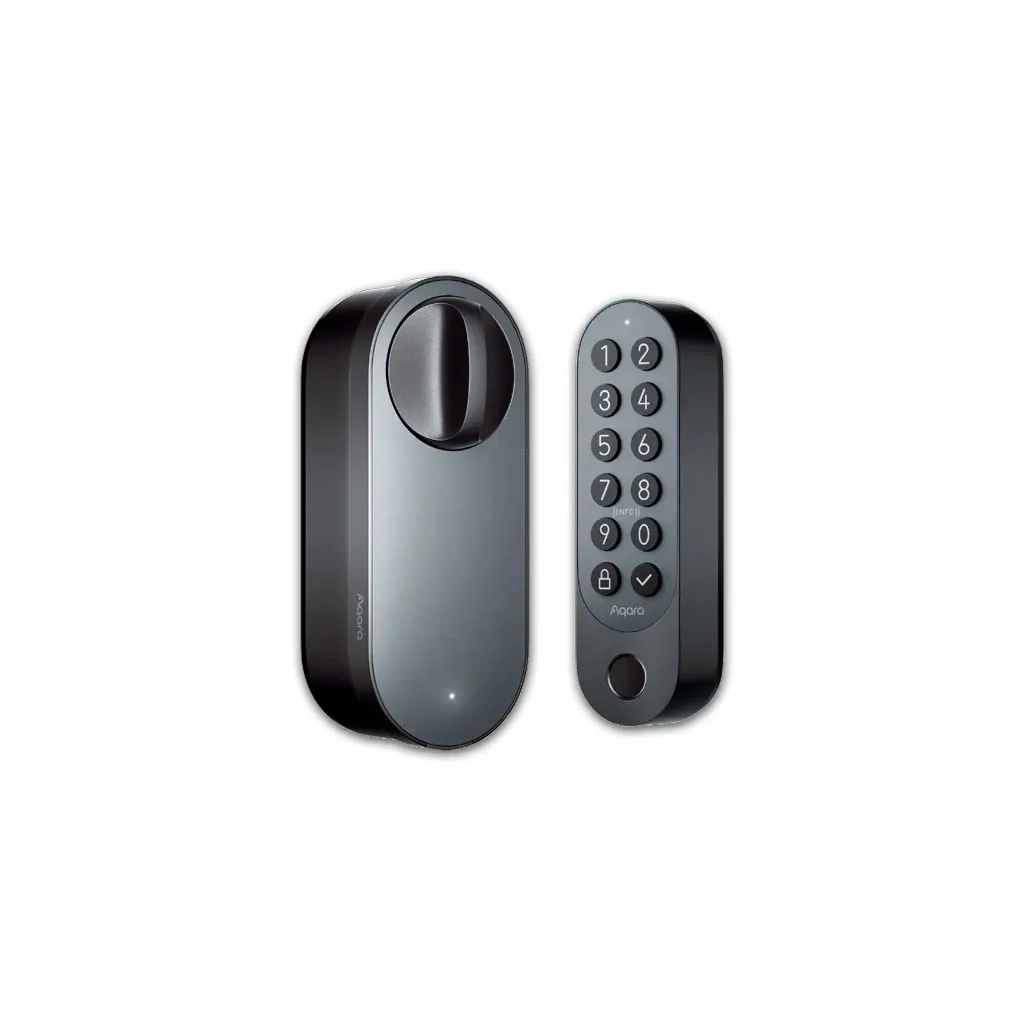
Retrofit smart lock that fits over an existing cylinder without drilling, with fingerprint, Apple Home Key, NFC, keypad, and app unlocking, Matter over Thread, a rechargeable Li-ion battery lasting up to 6 months, and an IPX5-rated keypad for outdoor use.
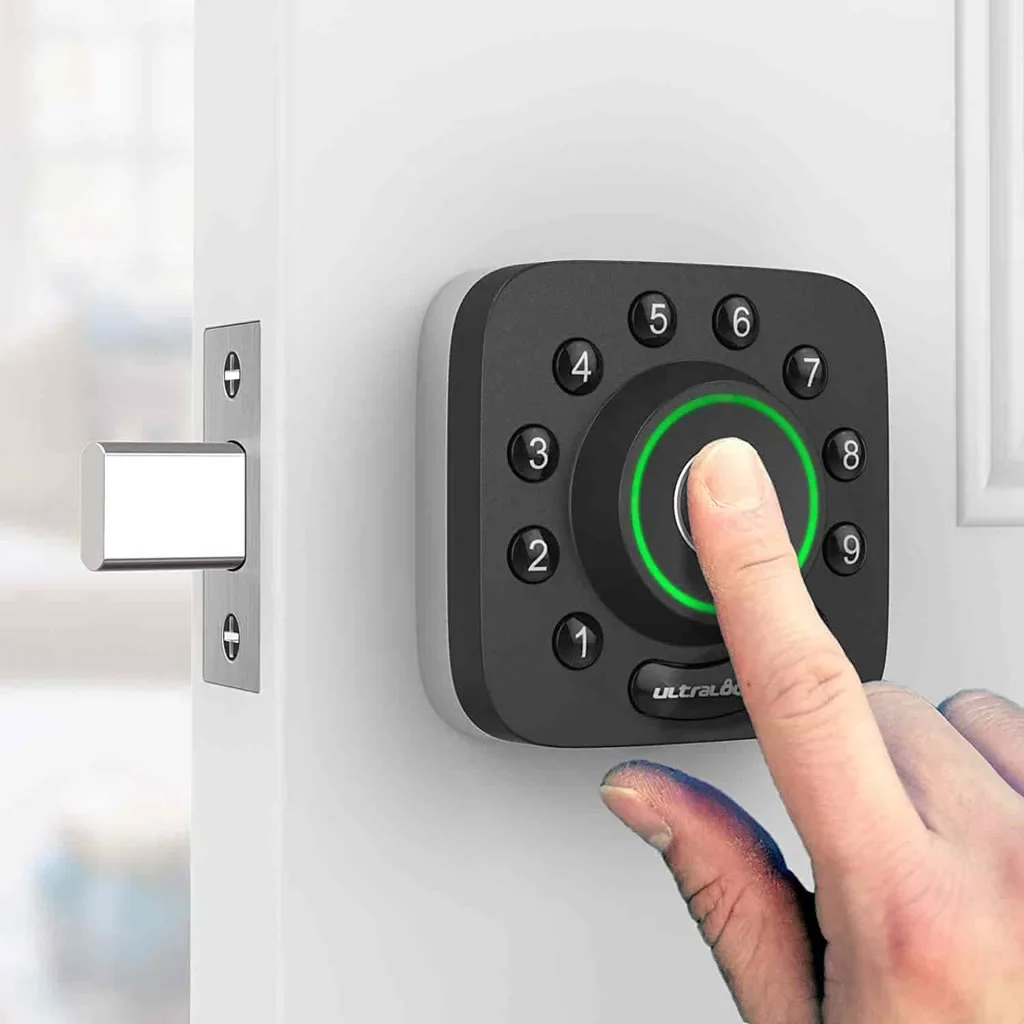
Built-in Wi-Fi fingerprint deadbolt with 8 unlocking methods including 360-degree AI fingerprint ID, anti-peep keypad, smartphone app, auto lock and unlock with a door sensor, and ANSI Grade 1 commercial security with an IP65 weatherproof body; no hub required.
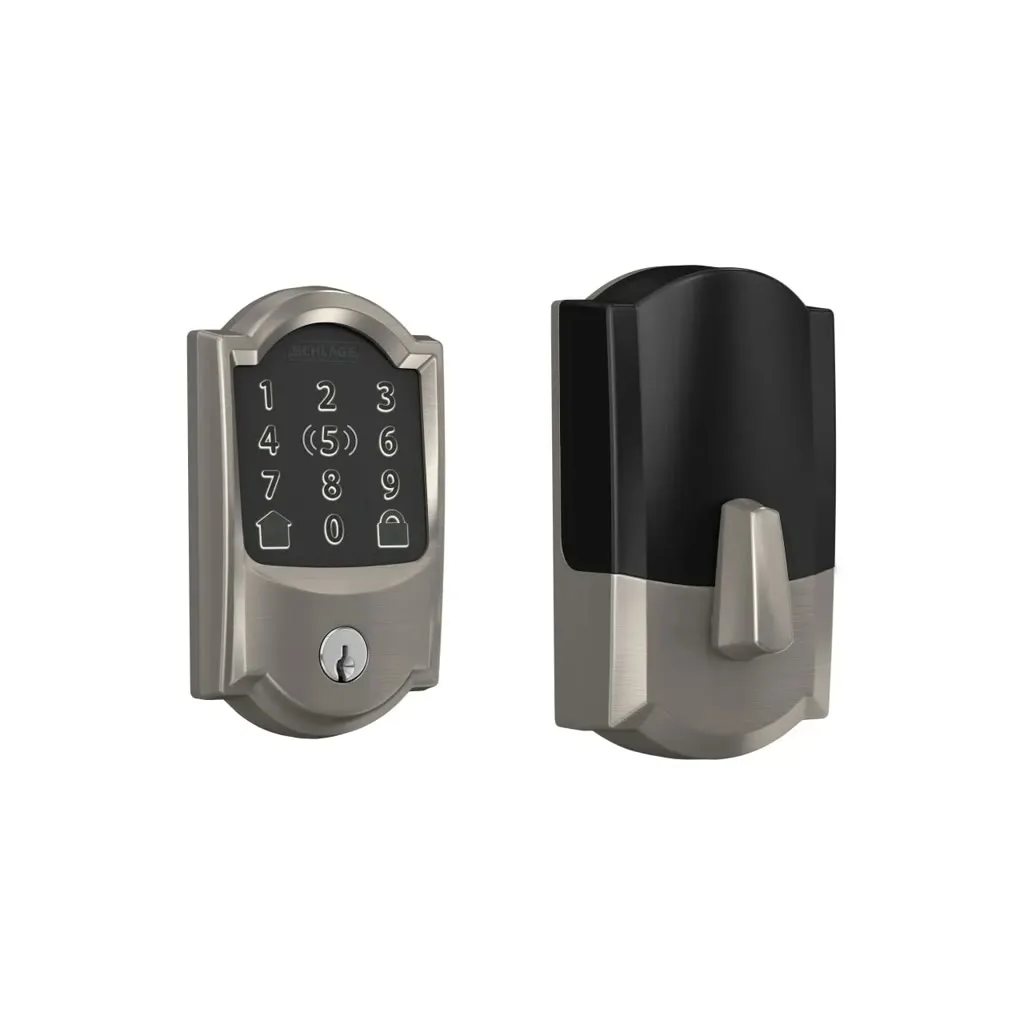
Built-in Wi-Fi touchscreen deadbolt with Apple Home Key tap-to-unlock from iPhone or Apple Watch, up to 100 access codes, a built-in alarm, and BHMA Grade AAA security, durability, and finish ratings; connects directly to 2.4 GHz Wi-Fi with no hub and joins Apple Home over Thread.
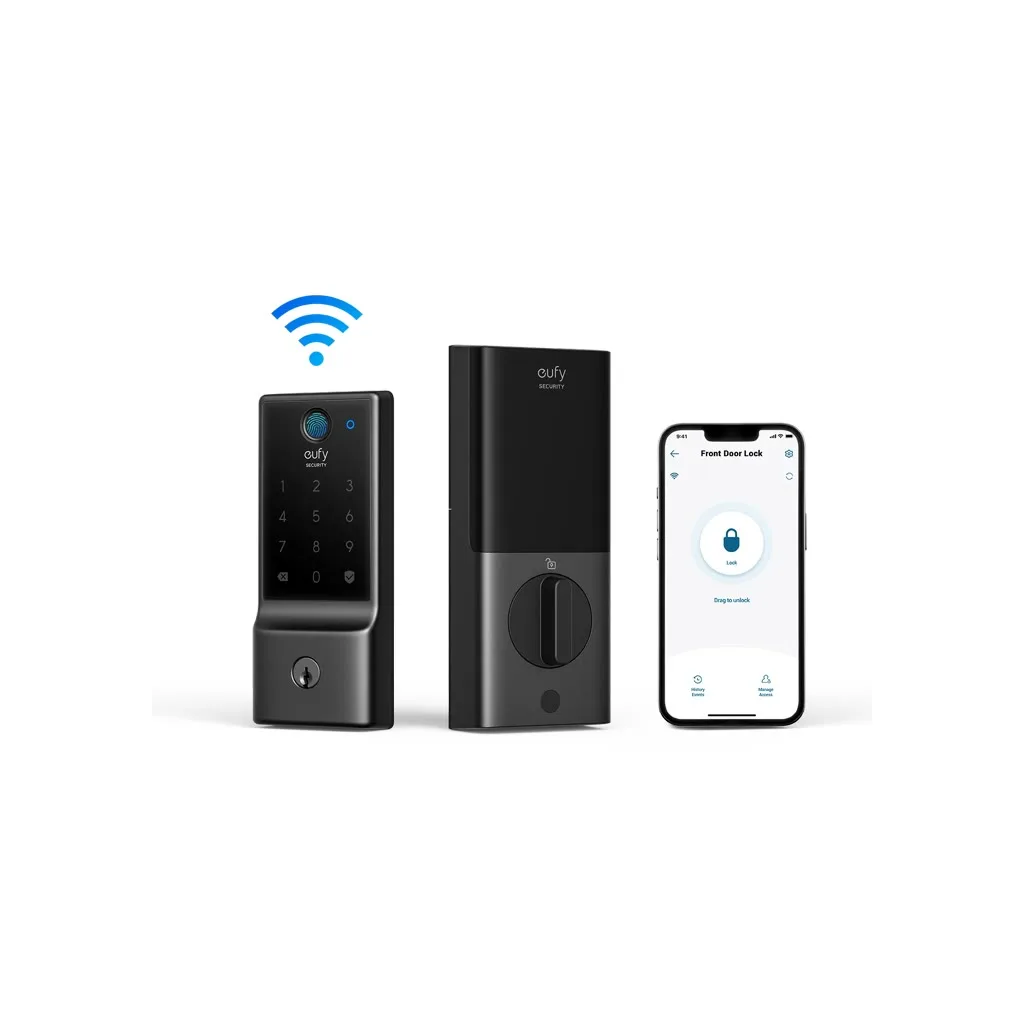
Fingerprint keyless deadbolt with matching door lever, built-in Wi-Fi for remote control without a bridge, self-learning AI fingerprint recognition in under 0.3 seconds, keypad, physical key, and voice control, with up to 8 months of battery life and an IP53 weatherproof body.
4K 8MP pan-tilt camera (355-degree pan, 140-degree tilt) on 4G LTE with PIR plus person/vehicle/animal detection, built for fully off-grid sites such as farms, construction and remote properties, with a 21.6 Wh battery and optional solar panel. Connectivity & power: 4G LTE (includes activated SIM with 100 MB free data); 21.6 Wh non-removable battery; Solar Panel 2 (6 W) sold separately USD 29.99-39.99; microSD local storage Traction: securitycamlab Best cellular security camera 2026 overall pick; homegearlab 2026-10-19 lists camera+SIM at USD 199.99