EU WEEE, RoHS 3, REACH & EPR Packaging Compliance Guide for Private-Label Electronics Brands
Complete regulatory guide for European environmental and chemical compliance: RoHS 3 XRF screening, REACH SVHC declarations, SCIP database registration, and national WEEE and packaging Extended Producer Responsibility mandates.
The Four Pillars of European Environmental Hardware Compliance
Distributing private-label smart electronics, power monitoring plugs, and IoT automation hardware into the European Union and the United Kingdom requires rigorous environmental compliance. While distributors often prioritize radio homologation under CE-RED, European market surveillance authorities enforce equally severe penalties for chemical non-compliance and waste recovery defaults.
Under EU Regulation 2019/1020, importers act as Economic Operators with direct statutory liability. Non-compliant products face customs impoundment, administrative fines, mandatory product recalls, and automated marketplace blacklisting.
Environmental hardware compliance rests on four statutory pillars:
RoHS 3 Directive (2011/65/EU as amended by 2015/863): Restricts ten hazardous substances in electrical and electronic equipment.
REACH Regulation (EC No 1907/2006): Mandates disclosure and notification of Substances of Very High Concern (SVHC) in articles.
WEEE Directive (2012/19/EU): Imposes Extended Producer Responsibility (EPR) for the recovery and recycling of electronic waste.
Packaging Directive (94/62/EC as amended): Enforces recycling registrations, material markings, and annual fee reporting for commercial packaging.
RoHS 3 and REACH Chemical Screening Protocols: Beyond Self-Declarations
RoHS 3 sets strict concentration limits across every homogeneous material in a device:
Lead (Pb), Mercury (Hg), Hexavalent Chromium (Cr VI), PBB, PBDE, and four phthalates (DEHP, BBP, DBP, DIBP): capped at 0.1% (1,000 ppm).
Cadmium (Cd): capped at 0.01% (100 ppm).
Gate / Standard
Scope
Common Failure Mode
Pre-Order Check
RoHS 3 Directive (2011/65/EU)
Ten restricted substances in homogeneous materials
Lead in solder joints and phthalates (DEHP, DBP) in flexible PVC cable jackets
Mandate IEC 62321 XRF screening and GC-MS phthalate laboratory test reports
REACH Regulation (EC 1907/2006)
Substances of Very High Concern (SVHC)
Exceeding 0.1 percent weight by weight threshold without buyer notification
Require full bill-of-materials chemical declaration and SCIP notification filing
National WEEE Producer Schemes
End-of-life electronic waste recovery
Selling in Germany or France without active Stiftung EAR or ADEME WEEE ID
Register national producer numbers prior to commercial import and retail listing
Packaging EPR Framework
Cardboard, plastic film, and retail boxes
Missing Triman logo in France or failure to submit LUCID tonnage reports
Standardize packaging recycling icons and declare annual tare packaging weights
Battery Directive (2006/66/EC)
Primary coin cells and rechargeable lithium packs
Failure to register battery producer status and pay national eco-fees
Secure battery EPR registration and display crossed-out wheelie bin symbol
Importers must never rely on basic factory self-declarations. European surveillance authorities routinely test retail electronics using XRF spectrometry and GC-MS chemical analysis under IEC 62321. Frequent failure points include leaded touch-up solders, cadmium colorants in plastics, and banned phthalate plasticizers in flexible power cords.
Under REACH, importers must determine whether components contain SVHC candidates exceeding 0.1% weight by weight (w/w). If an SVHC is identified—such as lead alloyed in brass terminals under RoHS exemption 6c—the importer must file a formal dossier with the ECHA SCIP database under the Waste Framework Directive.
National EPR Fragmentations: WEEE, Batteries, and Packaging Schemes
Extended Producer Responsibility is not unified across the EU; compliance is enforced at the national member state level:
WEEE Systems: Importers must register with national registries prior to import, such as Stiftung EAR (WEEE-Reg.-Nr. DE) in Germany, ADEME (Identifiant Unique IDU) in France, and the Environment Agency in the UK.
Packaging Registrations: Distributors must register packaging materials in national systems. In Germany, the Packaging Act (VerpackG) mandates registration in the central LUCID register and dual-system recycling contracts. In France, the AGEC law requires the official Triman sorting logo and Info-Tri instructions on all consumer packaging.
Battery Schemes: If a device—such as an Aqara Presence Sensor FP2—contains a primary coin cell or rechargeable lithium cell, the importer must obtain a separate national Battery EPR producer registration.
The Technical File Mandate and Market Surveillance Enforcement
Under standard EN IEC 63000:2018, compiling a complete Technical Construction File is an absolute prerequisite before signing an EU Declaration of Conformity (DoC).
The technical dossier must contain:
Detailed hardware descriptions, schematics, and external/internal photographs.
Comprehensive bill-of-materials identifying all parts and suppliers.
Chemical test reports (IEC 62321) and supplier material declarations for every homogeneous component.
Risk assessments evaluating hazardous substance risks across manufacturing lines.
European marketplaces (such as Amazon, Allegro, and Otto) and trade wholesalers automatically cross-check EPR numbers against official registries. Missing numbers trigger immediate listing deactivations and inventory freezes across EU fulfillment centers.
Importers establishing European distribution channels, appointing Authorized Representatives, or conducting chemical testing audits can engage the Sourcing Desk for end-to-end guidance.
Frequently Asked Questions
Does a CE Declaration of Conformity issued by a factory protect an importer from RoHS non-compliance penalties?
No. Under EU Regulation 2019/1020, the EU Importer of Record bears direct statutory liability for the accuracy of the DoC and must independently maintain the full underlying chemical test reports.
Does a single WEEE registration in Germany allow an importer to distribute across all EU-27 member states?
No. WEEE, battery, and packaging registrations are strictly national; an importer must register with the national statutory registry in each separate country where products are sold.
What is the purpose of the ECHA SCIP database notification under REACH?
The SCIP database tracks articles containing Substances of Very High Concern (SVHC) exceeding 0.1% weight by weight to ensure waste operators have access to chemical information during recycling.
What penalties do European customs and market surveillance authorities enforce for RoHS violations?
Penalties include immediate customs seizure and destruction of cargo, mandatory retail recalls across all EU member states, administrative fines exceeding one hundred thousand euros, and public product safety alerts on the EU Safety Gate portal.
Is the French Triman logo mandatory on all consumer smart home packaging sold in France?
Yes. Under the French AGEC law, all household packaging and recyclable electronics sold to consumers in France must display the Triman logo alongside standardized Info-Tri sorting instructions.
Export a structured pre-PO procurement checklist extracted from this playbook's verification sections, buyer diligence questions, and referenced catalog SKUs.
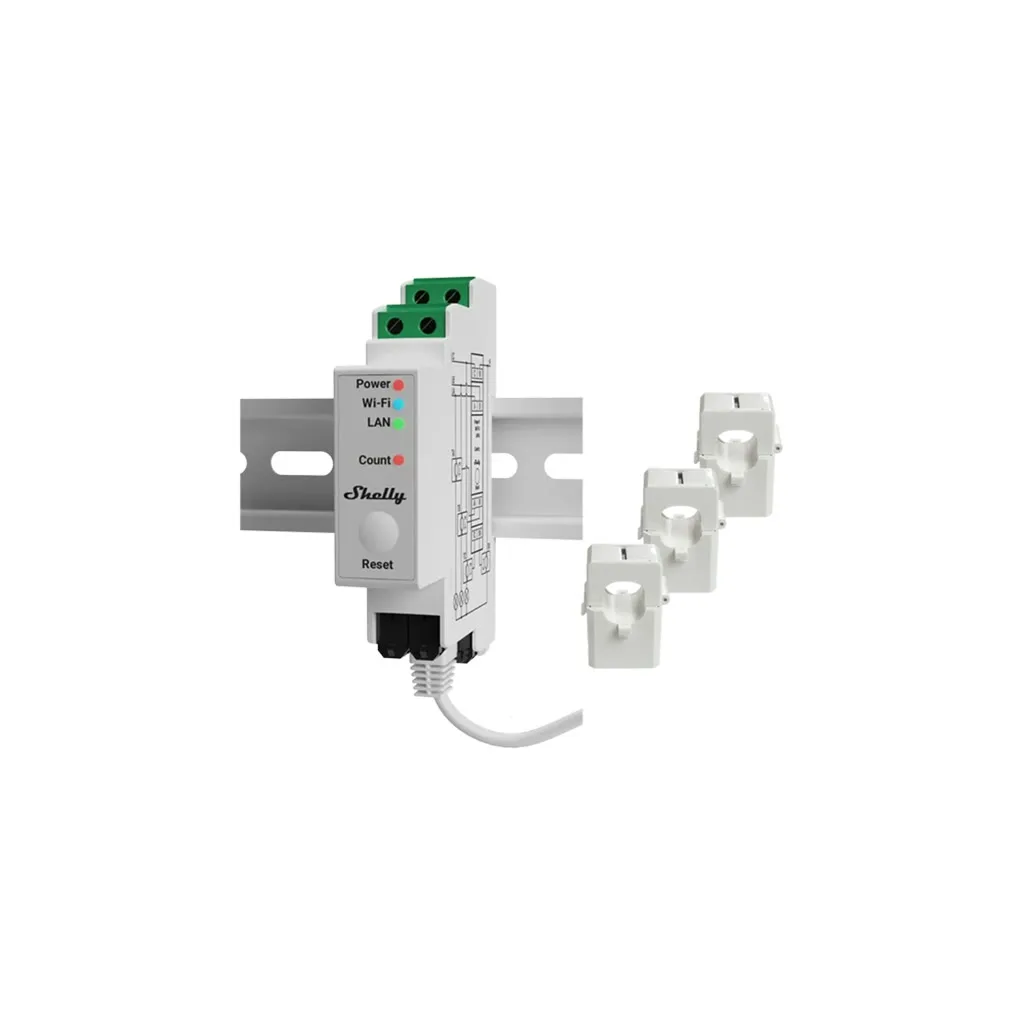
DIN-rail 3-phase energy meter that measures consumption, returned energy, voltage, current, and power factor for up to 3 phases, with 3 included 120 A current transformers. It connects over Wi-Fi and Bluetooth, supports local control and scripting, and stores 60 days of 1-minute data.
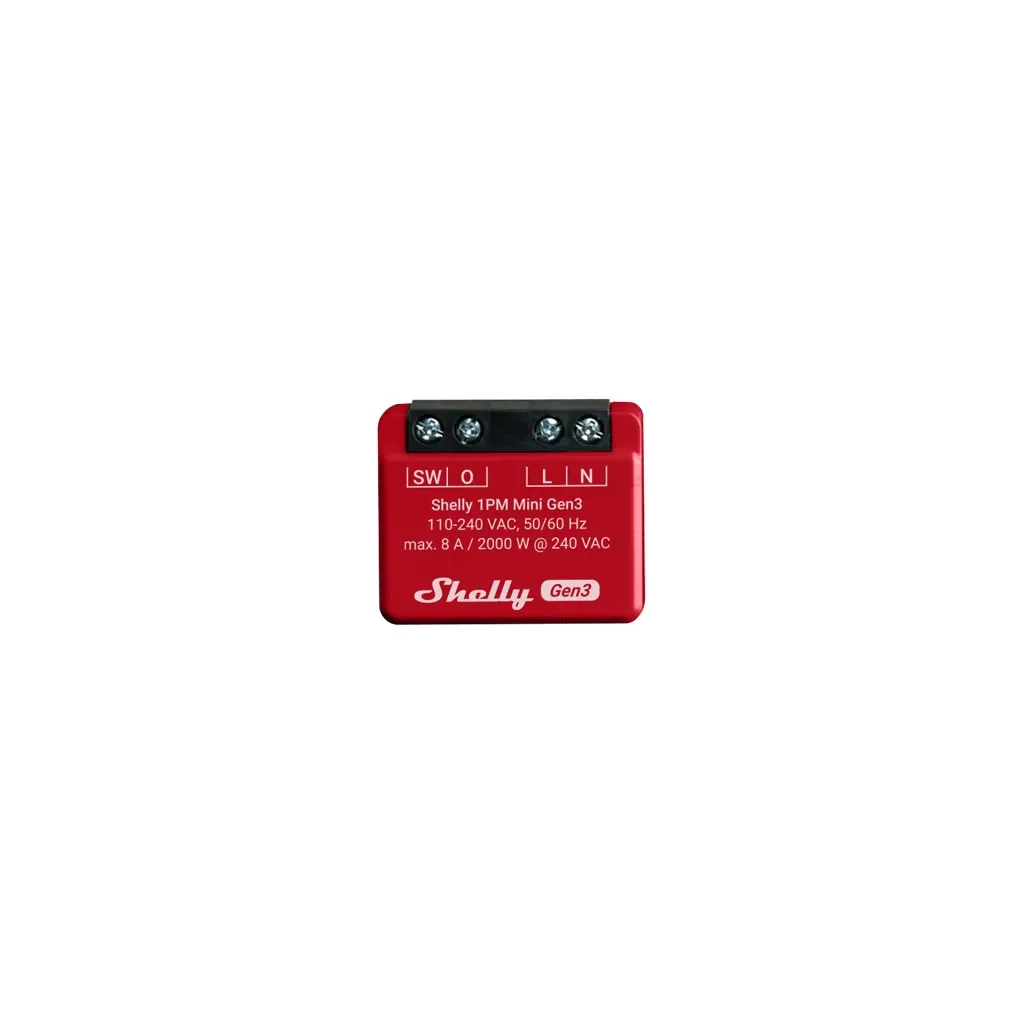
Ultra-compact in-wall Wi-Fi relay with power metering, sized 29 x 34 x 16 mm to fit behind an existing switch. Rated 110-240 V AC, up to 8 A and 2000 W switching, with Wi-Fi 802.11 b/g/n and Bluetooth 4.2. Includes overpower, overcurrent, overvoltage, and overtemperature protection, and works with the Shelly Smart Control app.
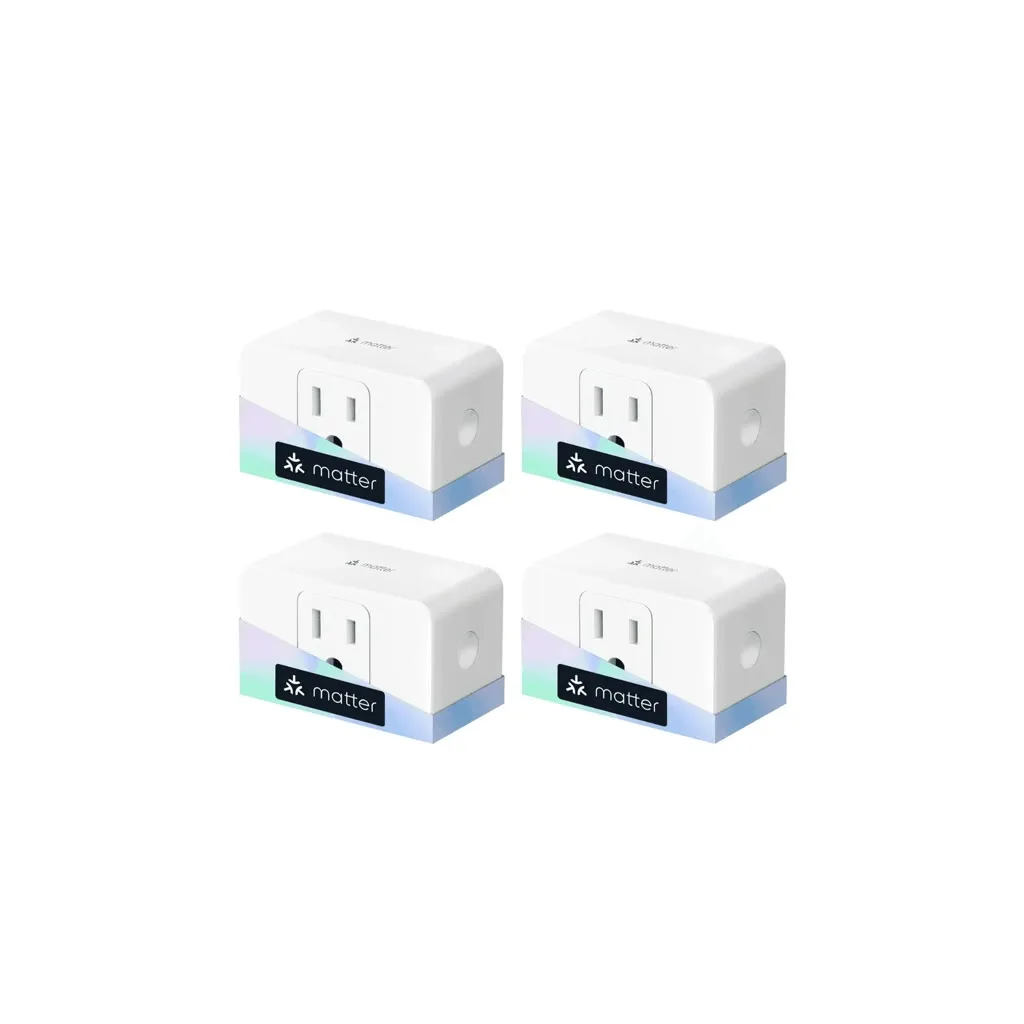
Matter-certified mini smart plug with built-in energy monitoring, rated 15 A and 1800 W max, reporting real-time and historical power use through the Meross app, with voice control through Apple Home, Alexa, Google Home, and SmartThings.
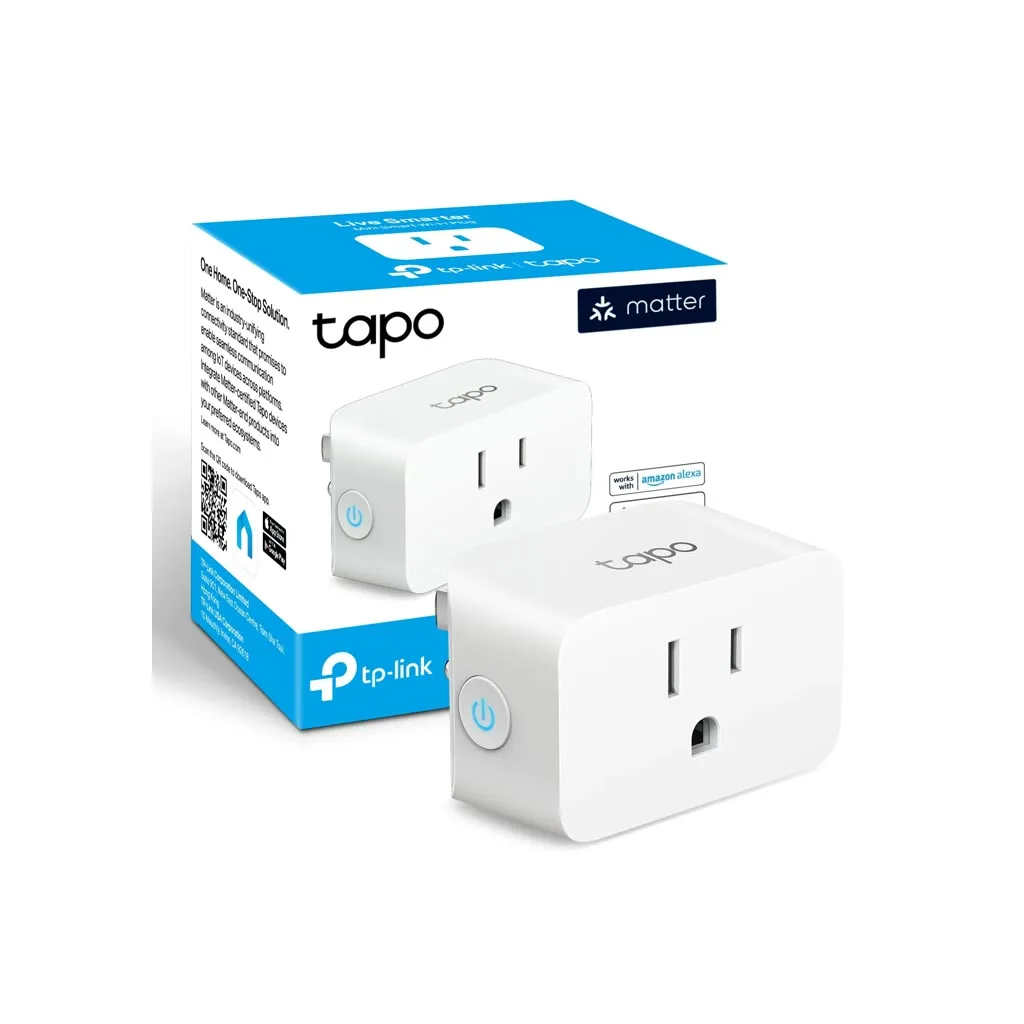
Compact Matter-certified mini smart plug for lamps, fans, and coffee makers, rated 15 A and 1800 W max, with Bluetooth onboarding, 2.4 GHz Wi-Fi, schedules, timers, and voice control through Apple Home, Alexa, Google Home, and SmartThings.
Millimeter-wave presence sensor with 60 GHz radar that detects moving and still people, with zone positioning for up to 30 zones, multi-person tracking for up to 5 targets, fall detection, and a built-in light sensor, connecting directly over 2.4 GHz Wi-Fi with no Aqara hub required.