Two dates govern a 2026 purchase order
A distributor buying connected locks in November 2026 faces two different deadlines. Since September 11, 2026 the manufacturer has had reporting duties for actively exploited vulnerabilities and severe incidents affecting product security. December 11, 2027 brings the main conformity obligations for products with digital elements. A purchase order signed before that date does not establish when each unit was first placed on the Union market. Record the transaction and the operator that first makes each lot available. Distinguish inventory already placed on the market from units still held outside the Union. Check substantial modifications separately when planning service replacements. Cyber Resilience Act, Articles 69 and 71
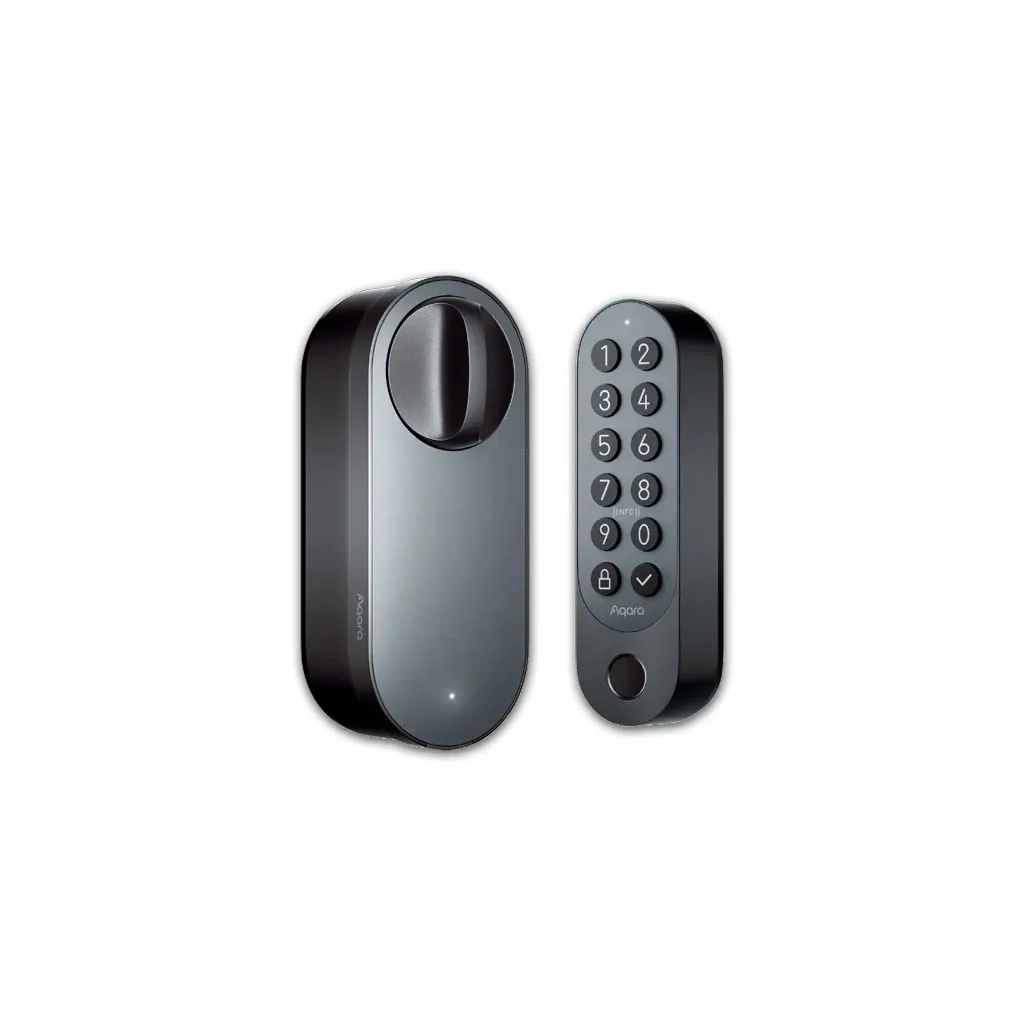
Name the legal manufacturer before negotiating firmware support. An importer that places equipment on the market under its own name or trademark can assume manufacturer obligations. A contract calling the overseas design house the manufacturer cannot settle that question. Map the branded lock, mobile application and remote processing needed to deliver the advertised functions. Identify who can sign a release, send an update and contact affected users if a building operator buys through an installer. Make that chain work for the last serviced unit as well as the first shipment.
Classify the core function before choosing a laboratory
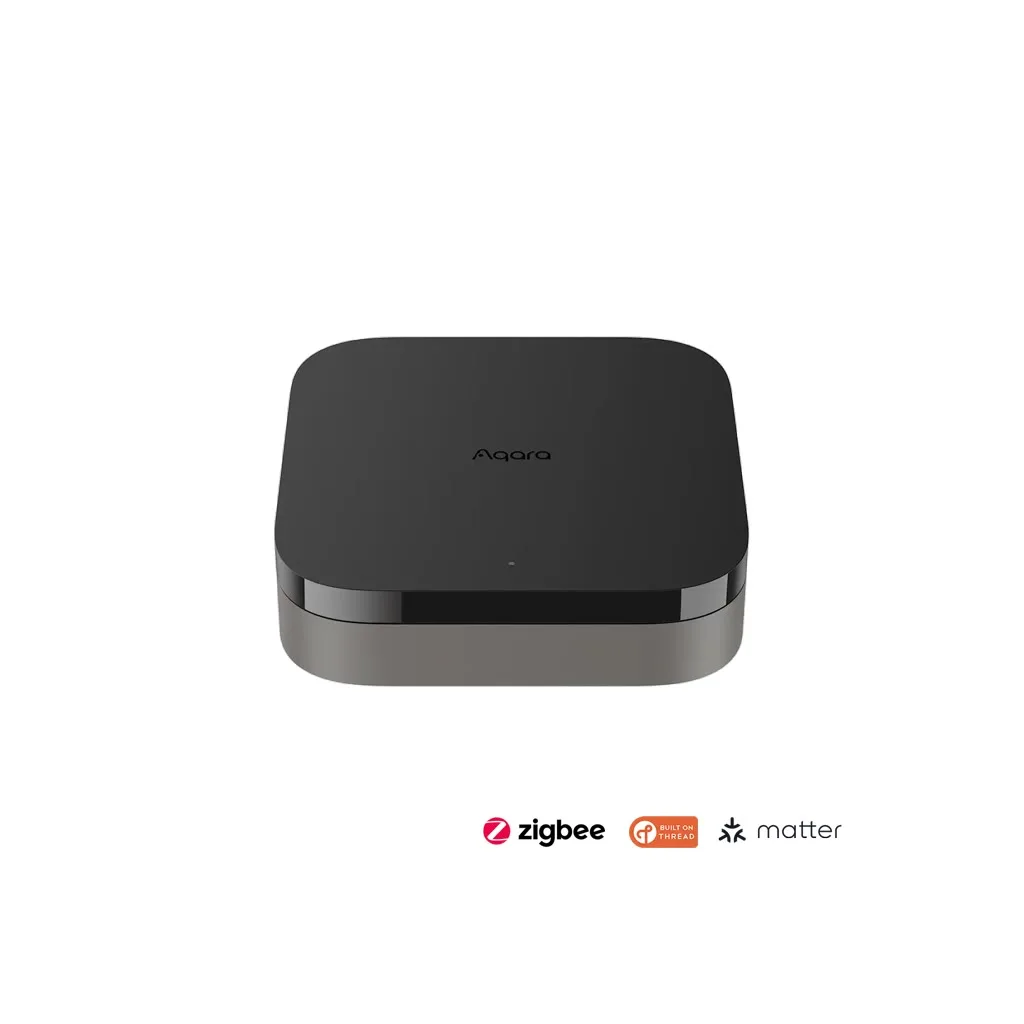
Annex III Class I includes smart home products with security functionality such as smart door locks, security cameras and alarm systems. Internet routers also have a listed category. A hub that translates between home automation protocols needs an individual assessment. Compare its core function with the implementing descriptions for networking, security and other listed categories. A hub bundled with a lock may have a different assessment route from the lock. Keep the decision and the product description together so that a subsequent marketing claim about firewall protection triggers a fresh review. Commission implementing descriptions
Class II includes firewalls and intrusion detection or prevention systems. The presence of ordinary traffic filtering in a consumer device alone does not establish that classification. For Class I, check whether the manufacturer fully applies the qualifying harmonised standards, common specifications or applicable certification scheme covering all relevant essential requirements before budgeting for internal control. Gaps change the assessment route. For Class II budget for an applicable third-party route under Article 32. Ask the assessment provider to identify its scope and the exact product category before reserving a slot. A general radio test quotation gives little information about the cost of evaluating vulnerability handling.
Define the reporting handoff in hours
Give the manufacturer's incident lead an escalation path from the importer's support desk, including cover during weekends. The Article 14 clock runs from manufacturer awareness. For a reportable event the early warning is due within 24 hours and the fuller notification within 72 hours, subject to the statutory details. The manufacturer reports via the single reporting platform to the designated coordinating CSIRT and ENISA. The final vulnerability report is due within 14 days after a corrective or mitigating measure becomes available. For a severe incident the final report is due within one month after the incident notification. CRA reporting provisions
Rehearse the handoff using a fictional service ticket. Give the duty officer a model number, the installed firmware version, a time of awareness and a list of potentially affected countries. Ask who decides whether the reporting criteria are met and who records the reason. Check whether property managers can identify affected doors without disclosing residents' access histories. Have the manufacturer prepare a user notice with a practical mitigation and a way to confirm installation of the correction. Retain timestamps and acknowledgements in the incident file.
Buy the technical file and support capacity
Attach a deliverables schedule to the ODM purchase order. Require a machine-readable software bill of materials covering at least top-level dependencies, tied to the exact firmware build and refreshed for each release. Require the component identifier and version, responsibility for monitoring disclosures, and a means of obtaining deeper dependency information when an investigation requires it. Define confidential access for the importer and authorities. Public distribution of the complete SBOM is a separate commercial decision. Ask for a sample export before placing the order so engineering can resolve a component in a shipped build.
Request an indexed technical file with the intended use, security risk assessment, test evidence, design decisions, support period rationale and signed declaration when applicable. Price the work to maintain it after the factory changes chipset or retires a cloud service. Align the promised support period with expected use and the CRA minimum period, generally five years unless expected use is shorter. Record the end date communicated to buyers. For a multi-year housing deployment, obtain a service price for the period the customer actually expects the locks to remain installed. Include key custody and update continuity in any agreement covering transfer of the product line.
Release EU and UK stock against separate evidence
For the 2027 conformity file, Article 19 requires the importer to retain a copy of the EU declaration for at least ten years after placement or for the support period if longer. Specify who can retrieve the underlying technical documentation throughout that interval. Test access using an older revision after a new firmware build replaces it in the supplier portal. CRA importer duties
For radio equipment assess Directive 2014/53/EU, including the applicable Article 3(3) cybersecurity requirements activated by Delegated Regulation 2022/30. Regulation 2026/339 repeals that delegated regulation from December 11, 2027. Keep the electrical safety, EMC and spectrum work under RED in the schedule across that transition. Record which rules apply to the units in each release. Map reusable tests to particular requirements and price any uncovered controls before accepting the factory's combined quotation. RED transition regulation
For UK consumer connectable products, check PSTI scope and exceptions. Verify the password design, published vulnerability contact and published minimum security update period. Obtain the manufacturer's statement of compliance and check that it accompanies the product. One disclosure intake process can support both markets if local duties and deadlines have named owners. UK government product security guidance
At release, have procurement reconcile the approved build, serial range and destination against the assessment record. Have support demonstrate that it can reach an installer after an ownership transfer. Require finance to distinguish one-time assessment costs from the continuing expense of monitoring components and delivering signed updates. If a support provider exits during the contracted period, identify the party that can still build, sign and distribute a correction. A technically compliant sample has little value to a property customer whose installed fleet can no longer receive maintenance.