Why EU-27 and UK Market Surveillance Demands Pre-Order Technical Files
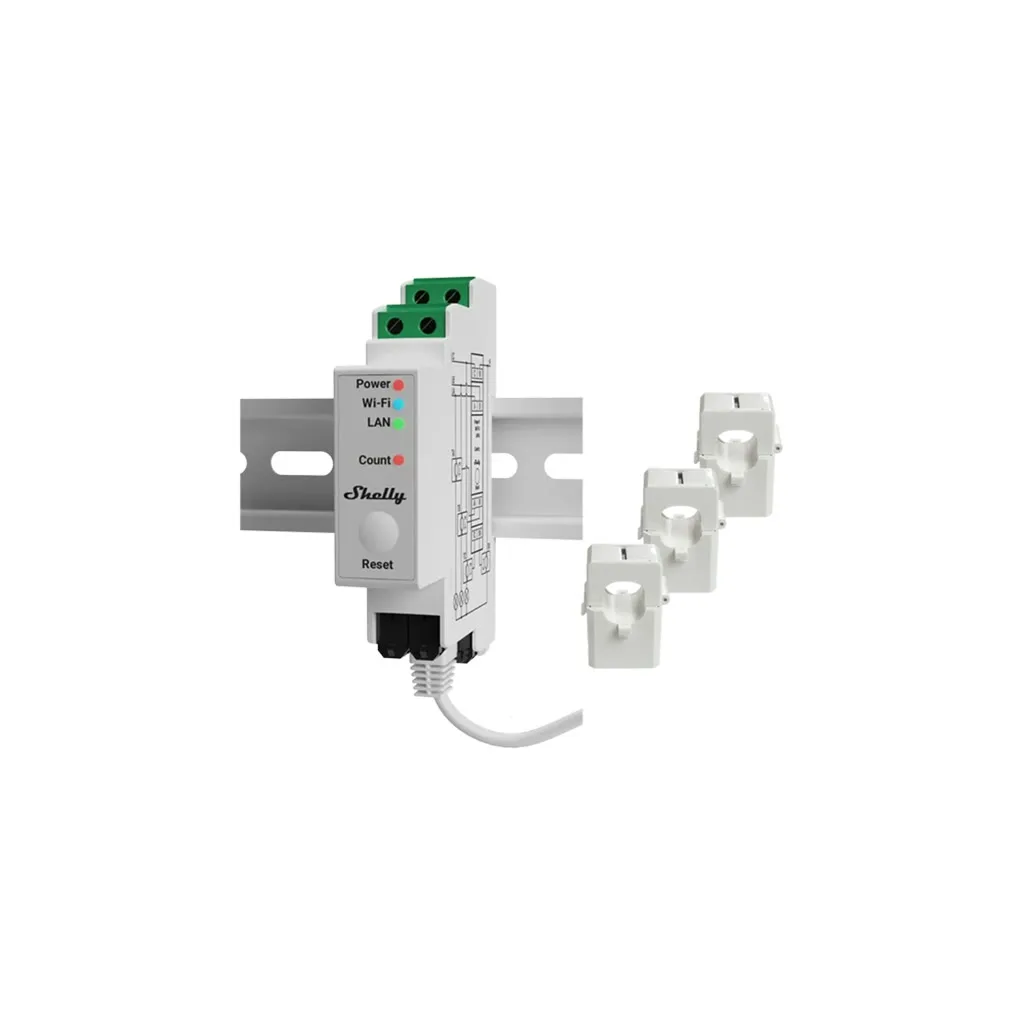
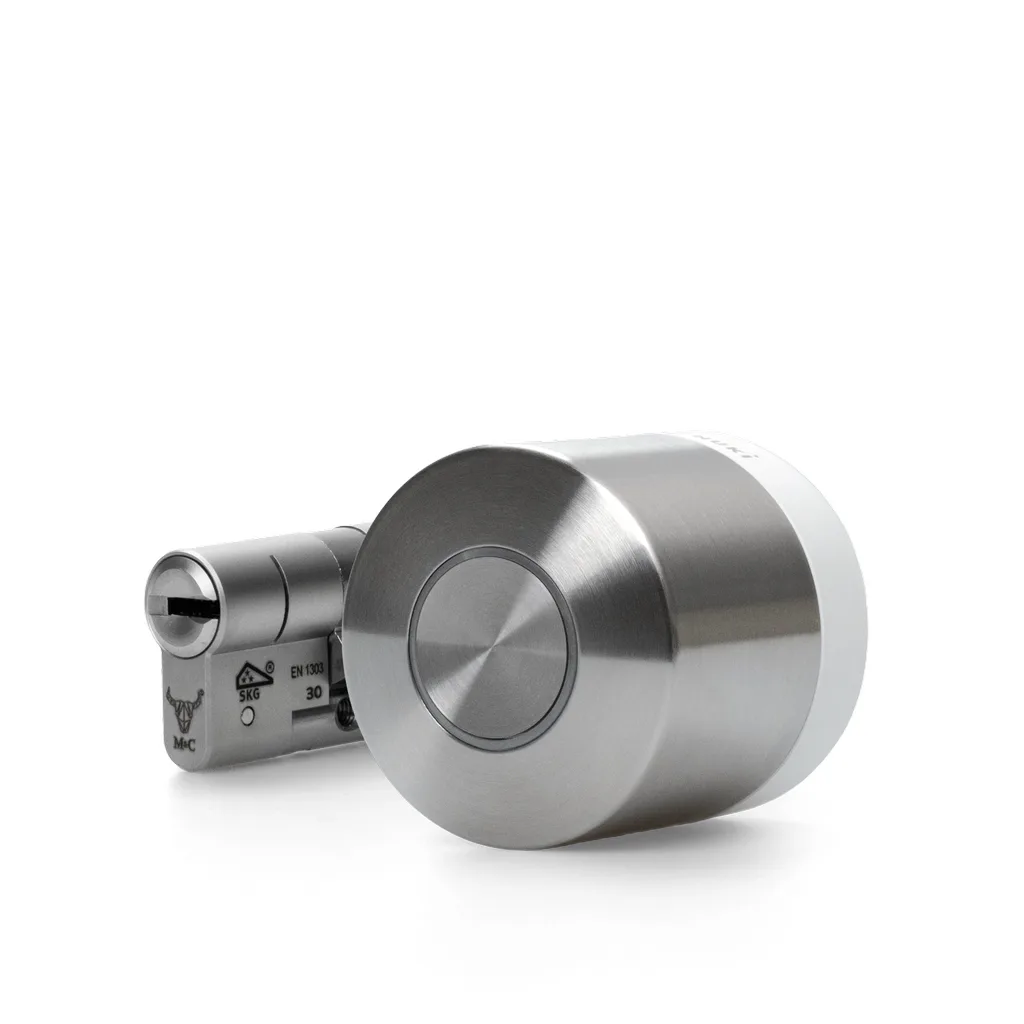
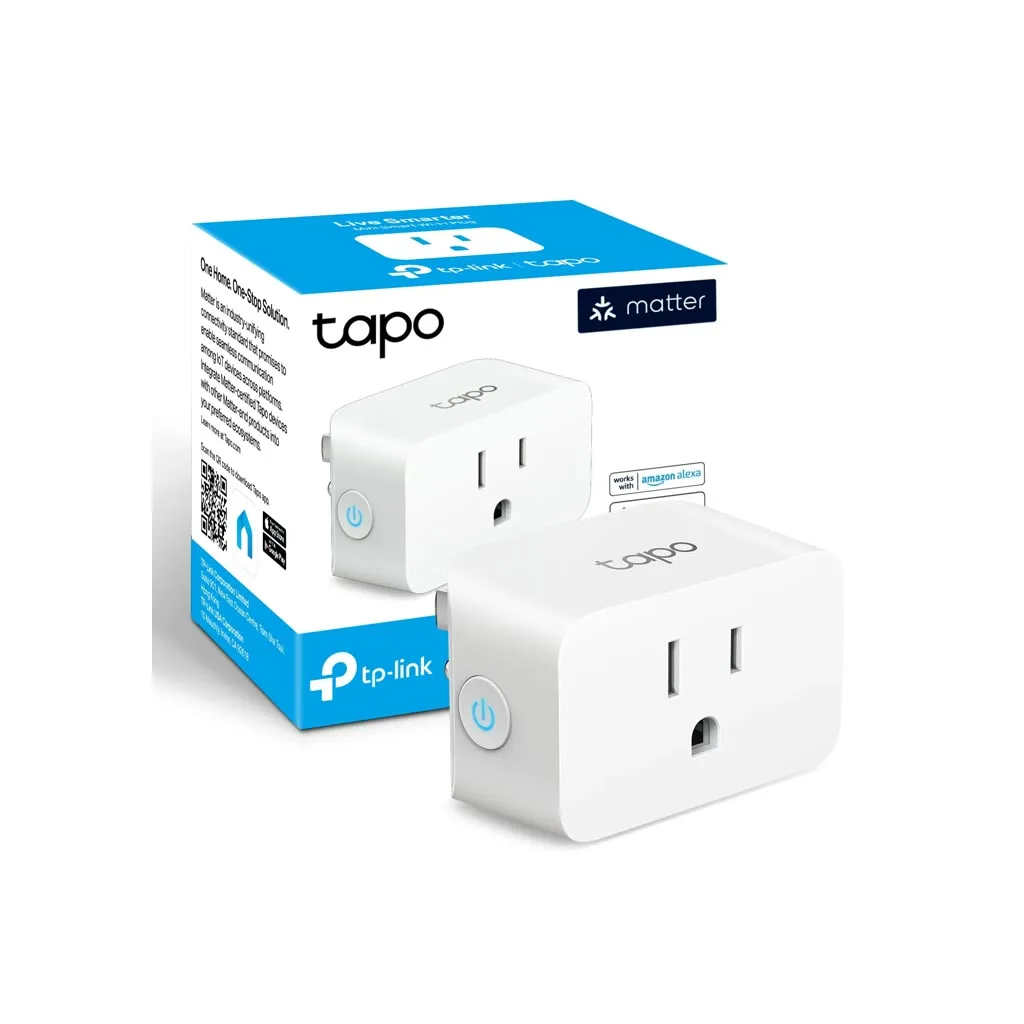
Importing connected smart hardware into the European Union and Great Britain requires rigorous technical file governance before a commercial purchase order is signed. Customs authorities across Rotterdam, Hamburg, Antwerp, and Felixstowe cross-examine radio test reports, substance declarations, and importer traceability markings before clearing containerized electronics. Unlike passive mechanical goods, smart plugs, DIN-rail relays, motorized cylinder locks, and connected sensors trigger simultaneous radio, low-voltage, hazardous substance, waste recovery, and cybersecurity statutes.
A frequent mistake among growing B2B distributors is accepting a generic one-page CE certificate PDF without inspecting the underlying harmonized standard test reports and the signed EU Declaration of Conformity. Under EU Regulation 2019/1020 on market surveillance, the European Union Importer of Record assumes statutory liability for verifying that the manufacturer compiled a complete technical file, affixed permanent postal traceability on the device or retail box, and archived test documentation for ten years.
CE Radio Equipment Directive (RED 2014/53/EU): RF Spectrum, EMC, and LVD Safety
Whenever a smart device incorporates Wi-Fi, Bluetooth Low Energy, Thread, Zigbee, Sub-GHz, or cellular transceivers, the Radio Equipment Directive supersedes standalone Low Voltage and Electromagnetic Compatibility directives by absorbing their safety and immunity standards into Article 3 of RED:
- Article 3.2 efficient spectrum use: 2.4 GHz Wi-Fi, Bluetooth LE, Zigbee, and Thread radios require accredited test reports against EN 300 328, verifying equivalent isotropically radiated power below 20 dBm, power spectral density limits, and receiver blocking performance. Devices on 5 GHz Wi-Fi require EN 301 893 dynamic frequency selection checks, while 868 MHz European sub-gigahertz sensors require EN 300 220 duty-cycle verification.
- Article 3.1(b) electromagnetic compatibility: Connected devices must pass EN 301 489-1 alongside EN 301 489-17 for broadband data transmission systems, plus EN 55032 emissions and EN 61000-3-2 harmonic current checks on AC power supplies.
- Article 3.1(a) electrical and thermal safety without voltage lower bounds: Under standalone LVD, safety rules apply above 50V AC or 75V DC. Under CE-RED Article 3.1(a), that lower voltage threshold disappears—meaning even a 5V USB-C hub or 3.7V lithium wearable requires EN IEC 62368-1 or EN 60335 safety reports plus EN 62479 or EN 50663 human RF exposure assessments.
- Mains-powered 230V 50Hz hardware specifics: European wall relays, DIN-rail energy meters, and smart plugs operating on 230V 50Hz grids require glow-wire flammability testing at 750 to 850 degrees Celsius on load-bearing housings, relay endurance cycling under EN 60669-2-1 or EN 60730-1, and physical gauge checks for CEE 7/7 Type E/F Schuko or Europlug geometries.
RoHS 3, REACH SVHC, and National WEEE / Packaging EPR Registrations
Chemical restriction and environmental recovery statutes operate independently of radio performance and routinely trigger European e-commerce suspensions when national registration numbers are missing:
- RoHS 3 Directive 2011/65/EU and Delegated Directive 2015/863: Restricts ten hazardous substances in homogeneous electronic materials, capping lead, mercury, hexavalent chromium, PBB, PBDE, DEHP, BBP, DBP, and DIBP at 0.1 percent by weight (1,000 ppm) and cadmium at 0.01 percent (100 ppm). Demand IEC 62321 XRF screening and phthalate reports covering solder joints, cable jackets, and plastics.
- REACH Regulation 1907/2006 Candidate List: Importers must verify whether any component contains Substances of Very High Concern above 0.1 percent weight by weight and submit SCIP notifications where triggered.
- National WEEE, Battery, and Packaging Extended Producer Responsibility: Producer registration remains strictly national across EU member states. Selling into Germany requires Stiftung EAR WEEE registration, BattG battery registration, and LUCID VerpackG packaging licensing; France requires Ecosystem or Ecologic unique identification numbers. Crossed-out wheeled-bin symbols under EN 50419 must appear cleanly on rating labels.
Great Britain Dual-Market Nuances: UKCA, CE Recognition, and BS 1363 Type G Plugs
Distributors serving both continental Europe and the United Kingdom must separate conformity marking rules from physical plug regulations:
- Regulatory marking in Great Britain: While Great Britain continues recognizing valid CE marking across most Radio Equipment and RoHS scopes, importers supplying UK retail chains frequently maintain dual CE and UKCA Declarations of Conformity referencing BS EN standards and a UK postal address. Northern Ireland requires CE marking under the Windsor Framework.
- Mandatory BS 1363 Type G plug and fuse engineering: Any mains-corded appliance or smart plug sold in the United Kingdom must ship with a three-pin rectangular BS 1363-1 plug fitted with an ASTA or BSI approved BS 1362 cartridge fuse (3A for hubs, 13A for heavy sockets) and insulated live and neutral pins under UK Plugs and Sockets Safety Regulations.
The 2027 EU Cyber Resilience Act (CRA) & RED Delegated Act Transition
European cybersecurity rules are moving connected hardware from voluntary guidelines to mandatory CE conformity gates through December 2027:
- RED Delegated Regulation 2022/30 (EN 18031 series): Enforces network protection, personal data privacy safeguards, and fraud prevention across internet-connected radio equipment, outlawing default universal passwords on cameras, locks, and hubs.
- EU Cyber Resilience Act (Regulation 2024/2847) 2026 and 2027 milestones: Vulnerability and incident reporting duties apply from September 2026, followed by full CE conformity enforcement in December 2027. Manufacturers and OEM partners must provide machine-readable Software Bills of Materials (SBOM), cryptographic Secure Boot, free signed over-the-air security updates across the declared support period, and Coordinated Vulnerability Disclosure contacts.
Five-Point Pre-Shipment Verification Gate for European & UK Buyers
Before releasing balance payments on EU and UK smart hardware batches, procurement engineers should audit five deliverables:
- Verify laboratory accreditation: Confirm EN 300 328, EN 301 489, and EN 62368-1 reports come from ISO/IEC 17025 accredited laboratories matching the exact PCB revision, antenna gain, and model SKU.
- Inspect physical rating plate artwork: Confirm nominal voltage (230V 50Hz), 5mm minimum CE mark height, EN 50419 wheeled-bin icon, batch serial code, and EU/UK importer postal address.
- Validate firmware security baseline: Confirm production firmware disables UART/JTAG debug shells, enforces unique per-device Matter/commissioning codes, and states a written security update window.
- Audit BS 1363 and Schuko mechanical tolerances: Measure pin sleeve insulation, shuttered socket actuation, and BS 1362 fuse ratings on UK SKUs separately from Type E/F variants.
- Commercial terms transparency: Factory unit quotes, national EPR fee allocations, and private-label DoC transfer agreements remain Unknown until scoped against order volume and destination countries via the SmartLife100 commercial inquiry desk.