Privacy, consent and token economics for enterprise AI meeting recorders, E Ink tablets and AR glasses
Compare eight capture and display workflows by recording consent, data retention, metered processing costs and the records staff can recover when a subscription ends.
Decide what leaves the room
Ask the team for one real deliverable, such as an approved action list from a multilingual project meeting or an annotated engineering drawing. These have different information flows. An audio file, a time-linked note, a voiceprint and a photograph of a whiteboard each need an owner and an authorized audience. For the sample review use a fictional meeting and drawings cleared for testing so realistic procurement evidence can circulate among bidders.
Candidate
Documented workflow
Procurement test
Plaud Note Pro
Switches between call and in-person capture and shows recording status
Compare stored recording hours with cloud transcription allowance
HiDock P1
Routes call audio between a USB-C host and Bluetooth earphones
Check both sides of the call, then test the HiNotes upload
viaim RecDot
Earbuds and charging case can start capture before the app opens
Check the notice given to people outside the call
AnkerWork S600
Local voiceprint processing selects a speaker for pickup
Check the handover to a second speaker
iFLYTEK AINOTE Air 2
Pen notes link to recorded audio. Live voice-to-text requires internet
Retrieve the passage corresponding to a handwritten action
BOOX Note Air4 C and reMarkable Paper Pro
BOOX supports Android document apps. Paper Pro converts handwriting via a paired cloud account
Compare markup, export and account dependencies
RayNeo X3 Pro
A forward camera and binocular display support visual questions and prompts
Demonstrate use in a camera-restricted workspace
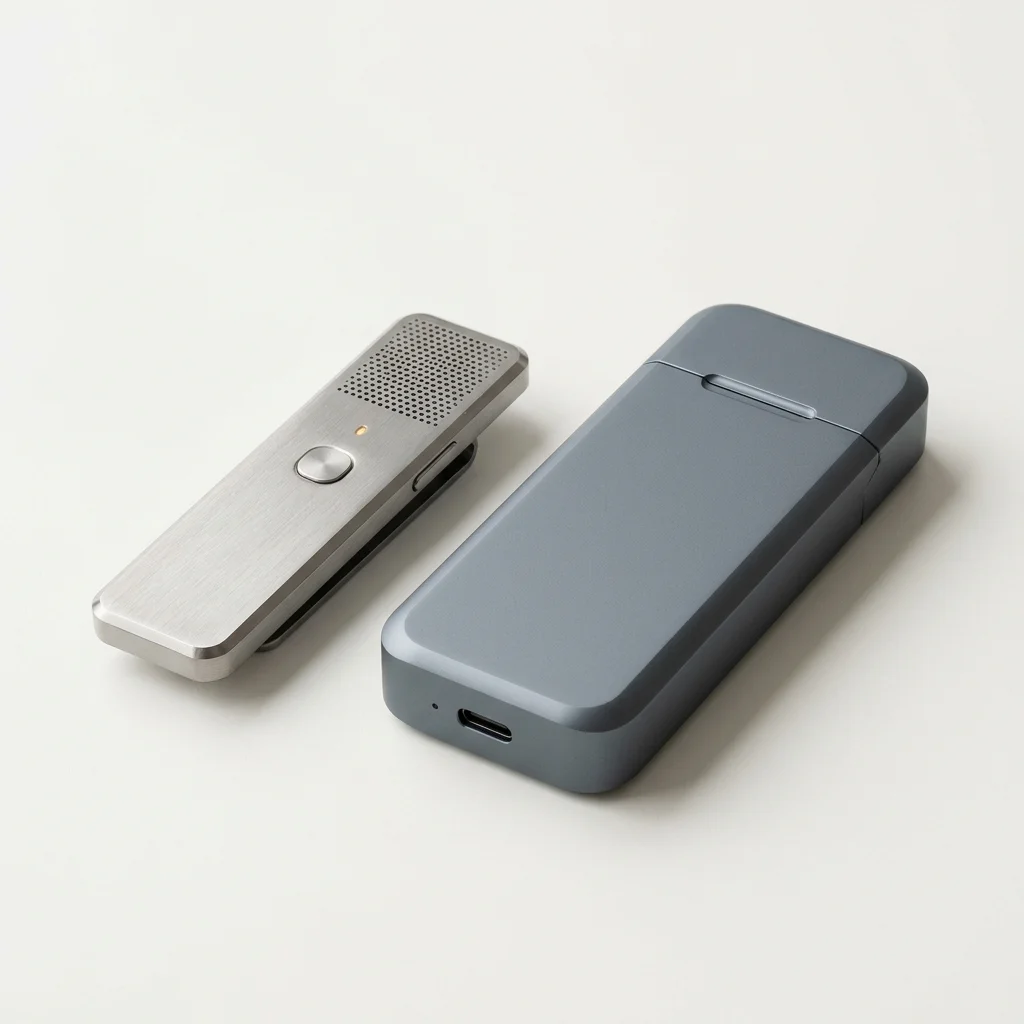
Run a second trial with the network disconnected. On the AINOTE Air 2, distinguish the recording retained on the tablet from a live transcript. On the P1, check where the untranscribed file resides until a user submits it. For the S600, ask IT which conferencing service receives the selected audio. Local processing in the speakerphone tells you little about what a host application might subsequently store. HiDock P1AINOTE Air 2
Obtain permission before capture and control the resulting copies
For US calls, have counsel determine the rule for the participants' locations and the kind of conversation. California's two-party consent rules can require agreement from all parties for covered calls. Give the organizer a procedure to announce recording, obtain the required agreement, pause for late arrivals and switch to written notes if someone declines. Test the procedure with a participant joining by telephone who cannot see an indicator on the device. California Supreme Court on consent for covered calls
For EU deployment, the employer or other controller must establish a GDPR lawful basis and identify the purposes of capture, transcription and sharing. Employment relationships can make freely given consent difficult. Review processor terms, subprocessors, hosting locations and international transfers. Assess whether a data protection impact assessment is required for likely high-risk processing. Check any use of a voiceprint for unique identification separately from ordinary sound capture. Record how staff can exercise their rights and which administrator answers requests. General Data Protection Regulation
Run a deletion drill against the organization's proposed retention period. Request removal of a test session and trace the original, transcript, summary, shared link, exported document and backup policy. Have an ordinary colleague try an old link after access has been revoked. Document what deletion the administrator can verify directly and what relies on a contracted retention schedule. For AR glasses, specify locations where the camera may operate and provide a practical alternative for visitors or staff in restricted areas.
Compare minute plans, token charges and human review
Build a usage sheet by seat and month. Multiply recorded meeting duration by the fraction actually submitted for transcription. As an illustrative workload, eight researchers each submitting ten half-hour sessions generate 2,400 minutes in a month. Now keep the total at 2,400 minutes but assign 1,200 to one researcher. Compare pooled and per-seat quotes against this uneven month. Ask each bidder how rounding, retries, unused minutes and translation affect the invoice. Compare the same workload in a quiet month and a peak month.
A minute plan and an API billed in tokens are different commercial units. For a custom summarizer, measure input and output tokens on the same approved transcript, including instructions, revisions and repeated context. Multiply each measured quantity by its quoted contractual rate. Keep that calculation separate from transcription unless the supplier explicitly bundles both services. Add review time for correcting names, amounts, speakers and action owners. Divide total monthly expense by the number of summaries the responsible manager actually accepts.
Have a reviewer grade the sample without seeing the device brand. Give credit for decisions, owners and deadlines that match the test script. Record deletions as well as omissions, especially where a summary turns a tentative suggestion into an assigned task. Require access to the original evidence for the approved retention window. Count the minutes spent checking an ambiguous passage when comparing the convenience of time-linked notes with a standalone transcript.
Check continuity and destination readiness
Limitless ended new Pendant sales in December 2025. Treat it as an installed-base migration case. Ask existing customers to confirm regional service availability and export access before planning any transfer. For new purchases, make the replacement supplier demonstrate account closure, a readable bulk export and reassignment when a staff member leaves. Test whether a document remains useful without the vendor viewer. Limitless service notice
For an EU shipment, identify the radio variant, its declaration under RED and the input rating of each charger. For the US and Canada, request the relevant FCC and ISED records and electrical evidence for the supplied power accessory. Confirm the actual battery configuration and matching UN 38.3 test summary with the freight provider. Obtain volume FOB and MOQ by written RFQ with the named port, region, seat plan, overage terms, warranty replacement and any enterprise administration charges listed separately.
Frequently Asked Questions
Which tablet works for a meeting where recording is prohibited?
Start with the permitted task, such as handwriting or PDF markup. Evaluate BOOX Note Air4 C or reMarkable Paper Pro against that task, including export. Have IT confirm device and app policies for the room and provide a paper option where electronics are restricted.
Does an offline recording imply offline transcription?
The AINOTE Air 2 can record offline but needs internet for live transcription. With the HiDock P1, HiNotes needs an upload to create the transcript. Document who can authorize that transfer when the network returns and where the resulting text is stored.
Does every vendor charge per token?
Use the unit in the signed plan. A recorder may meter transcription minutes while a separately commissioned language model charges for input and output tokens. Collect sample usage records from both stages to reconcile the first invoice.
Can visible recording status establish consent?
A screen or indicator can help an organizer give notice. It cannot record what a remote caller understood or agreed to. Follow the approved consent procedure, include late joiners and give participants a functioning route to continue the meeting without capture.
How should teams handle a device returned by a departing employee?
Export authorized records to the managed repository, revoke shared links and account access, and perform the supported device reset. Verify a new user cannot retrieve the prior session. Record any remaining backups and their deletion date under the service agreement.
Export a structured pre-PO procurement checklist extracted from this playbook's verification sections, buyer diligence questions, and referenced catalog SKUs.
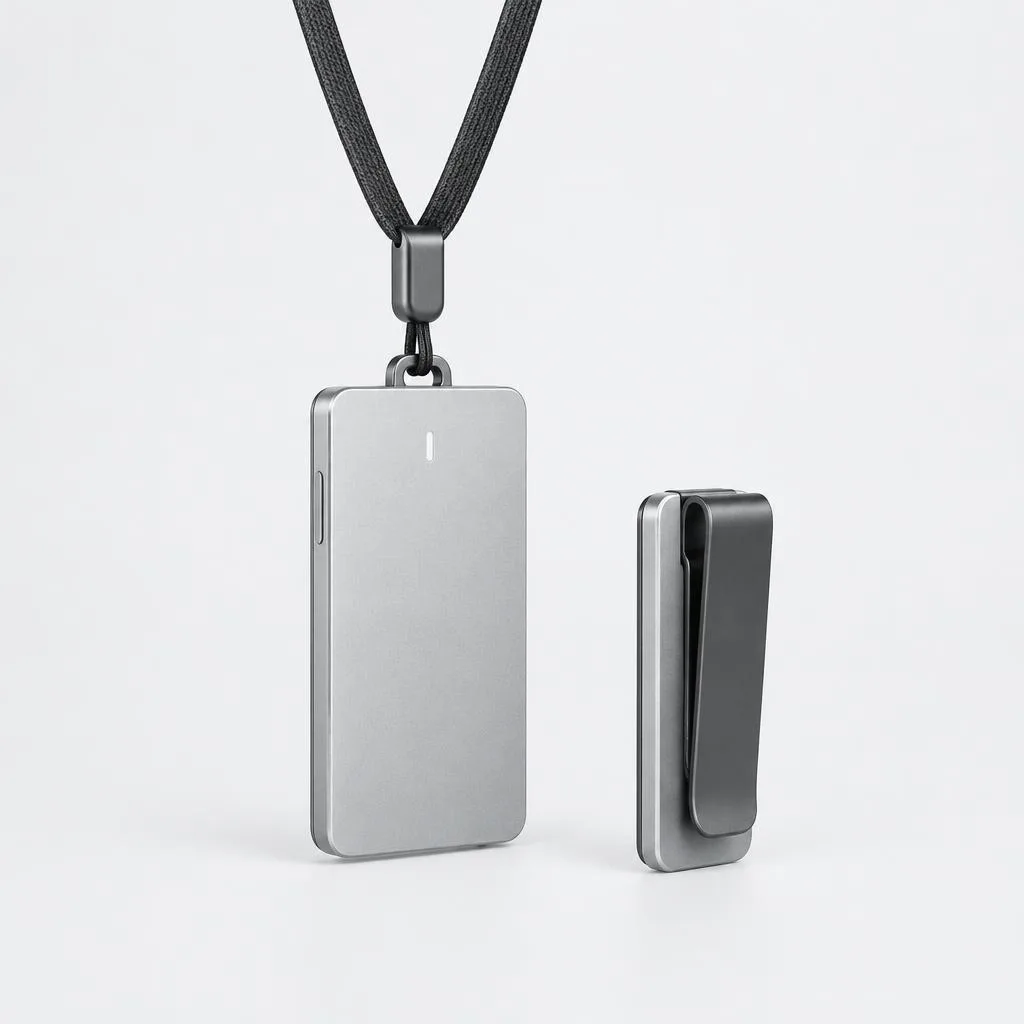
A card-format recorder automatically switches between phone-call and in-person pickup. The display shows recording status and the wearer can mark a moment for later review in Plaud.
The P1 sits between a USB-C host and Bluetooth earphones to record both sides of a call. Its room mode uses the built-in microphones to record in person without a laptop.
RecDot captures calls and in-person conversations from the earbuds. The charging case has a recording button, so an interviewer can start a session before opening the phone app.
The S600 uses an enrolled voiceprint and a local processor to foreground one speaker during calls. A physical voiceprint button switches pickup mode when another person needs the floor.
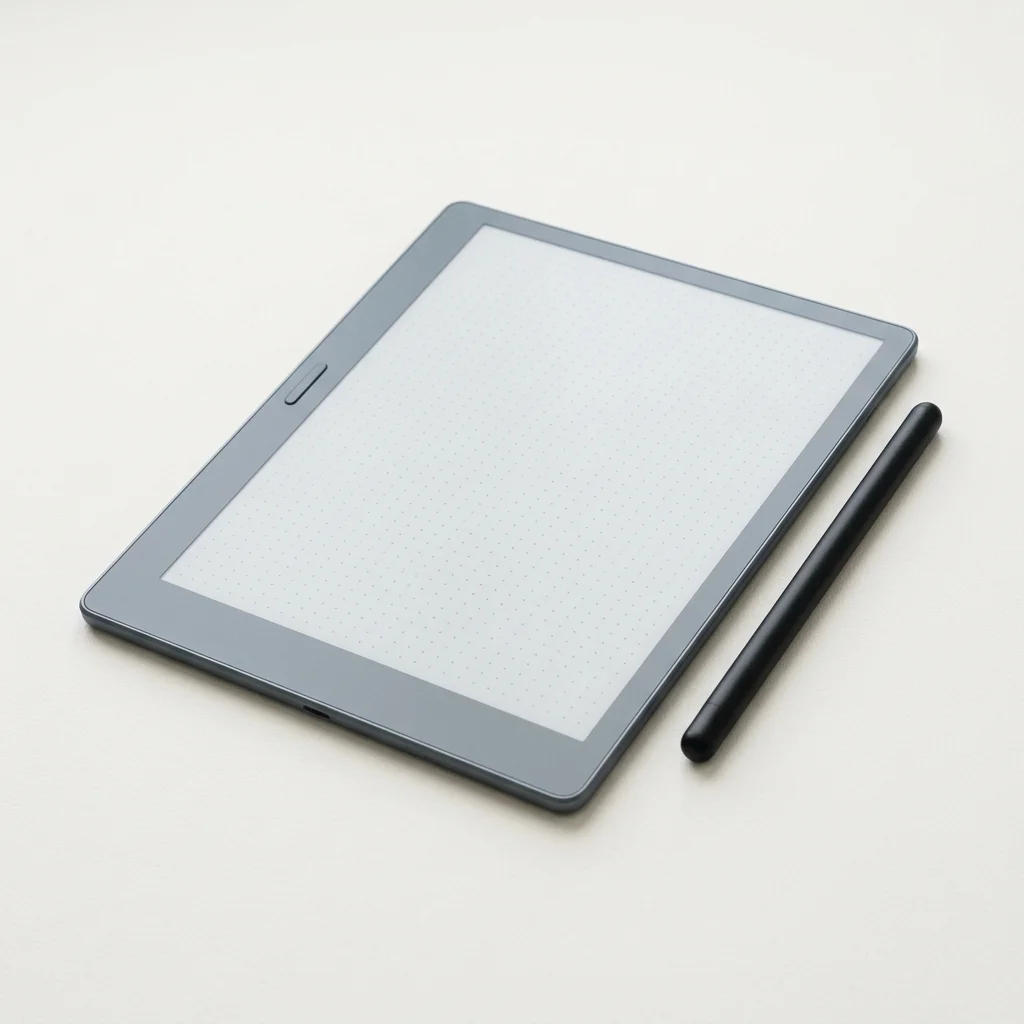
The 8.2-inch monochrome E Ink tablet pairs pen notes with meeting audio. A reviewer can revisit the recording from the corresponding point in their handwritten notes.
A 10.3-inch Kaleido 3 display combines color PDF annotation, pen notes and Smart Scribe tools. Android 13 lets a team install its document apps on the same tablet.
The Paper Pro gives reviewers an 11.8-inch color Canvas display for handwritten notes and document markup. Handwriting conversion turns selected notes into editable text.
Binocular full-color MicroLED waveguides put translations and prompts in the wearer's line of sight. A forward camera lets the wearer ask Gemini about a visible object.