RoboticsDocs under review
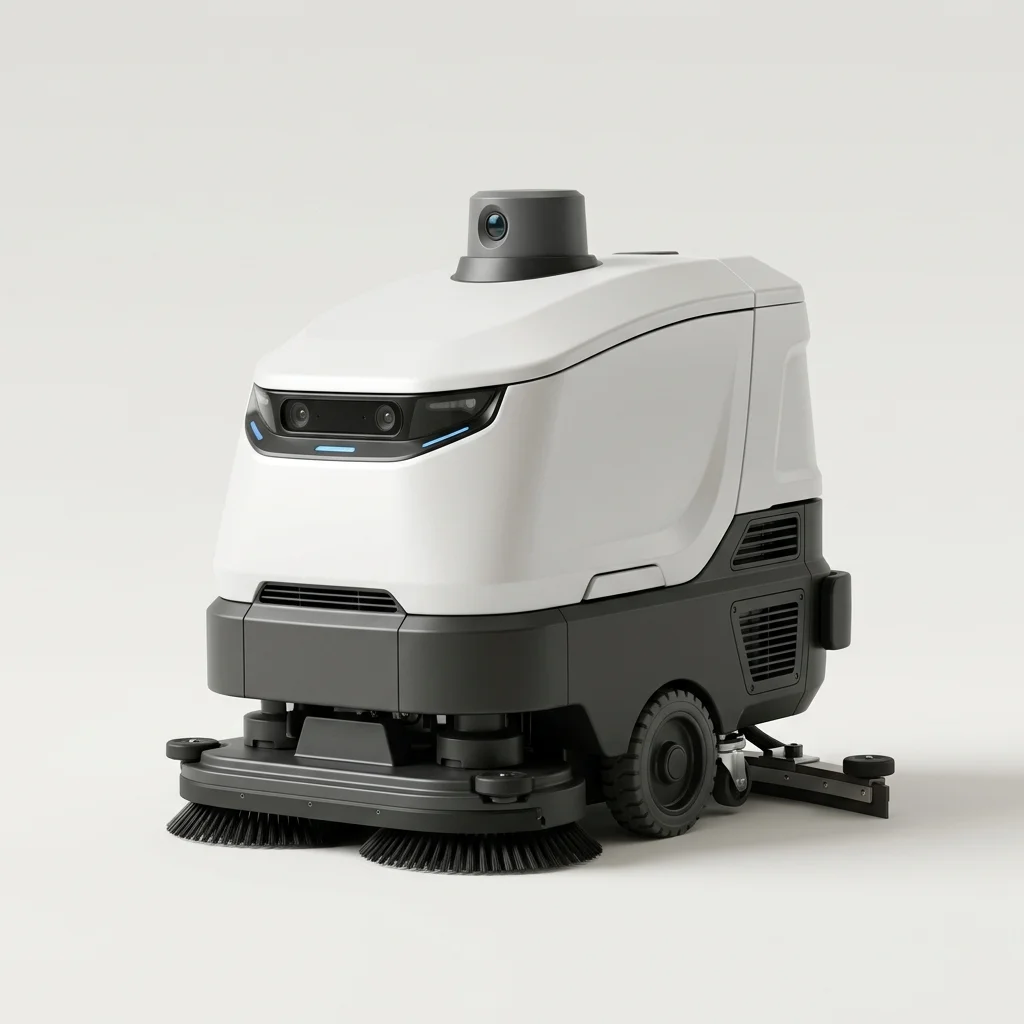
Karcher KIRA B 50
KIRA B 50
A roller head pre-sweeps and scrubs hard floors. The optional service dock fills fresh water, drains recovered water and charges the machine.
- Commercial floor care
Buying guide · 5 min · Updated 2026-11-25
Walk the property with housekeeping before drawing a route. Mark lift thresholds, floor transitions, mats that curl after rain, guest luggage areas and places where a cart must be able to turn. Measure the narrowest opening with its door in the operating position. A machine can fit through an empty corridor and still block the only practical path for the night porter. Record where staff can pull it clear.
Give each zone a cleaning outcome and a deadline. For a breakfast room, inspect crumbs under chairs and the time the last wet patch dries before opening. For a carpeted guest floor, agree where the crew will examine fibers for remaining grit. Count minutes for moving furniture, emptying bins and doing missed edges by hand. Divide accepted area by total elapsed shift time to estimate useful capacity.
The PUDU MT1 collects loose debris into a bin. A depot with long dry aisles can weigh its collected debris and time the emptying trip. The Karcher KIRA B 50 scrubs hard floors and can use an optional dock to fill fresh water and drain recovered water. Have the site engineer review supply pressure, backflow protection, drainage, isolation valves and access for leak cleanup before pricing that option.
For carpet, the Makita DRC300Z uses removable LXT packs. Put charging space, pack identification and the walk to the battery cabinet on the route sheet. Trial the LionsBot R3 Vac between actual furnishings and inspect the strip left beside the skirting. Include a service cart on the test floor so the crew can show how it changes filters or brushes without taking a guest lift during peak arrivals.
Ask both bidders to draw the full return journey. A machine may finish the last room within the window yet miss the next assignment while charging or waiting for a dock occupied by another unit. Stagger two departures during the pilot. Record which machine gets the service point and who moves it if a blocked drain takes the dock out of use.
LiDAR mapping helps a robot locate itself. The safety review needs separate evidence for detection, stopping and controlled restart on the supplied configuration. Ask the manufacturer for its approved demonstration procedure. In a closed test area have a trained operator use the specified test objects at a junction, beside a reflective panel and near a mapped exclusion zone. Keep guests outside the test route.
Log the map version, load, speed setting and floor condition for each run. Have the operator demonstrate the emergency stop, isolation before clearing a jam and release back into service. Include a lost-position event using the supported test method. If the unit needs staff assistance, time the call from first alert to a person reaching the machine. That interval belongs in the operating estimate for an unattended wing.
Specify who answers an alarm overnight, who can change a map and where the nearest replacement unit is held. Write separate service level agreement (SLA) targets for acknowledgement, diagnosis, arrival and restoration. A help desk can answer immediately while the property still loses a weekend of cleaning. Give the duty manager authority to call a manual crew and document how the cost is handled.
Ask for a parts list by wear interval and replacement time. Include squeegee blades, side brushes, filters, charger leads and any dock seals maintained on site. Compare bids over the same operating hours with labor, consumables, utilities and downtime visible. Obtain a written RFQ for the intended destination and use a trial shift to check its assumptions before expanding the order.
Only qualify the functions demonstrated on each finish. Give the sample a route through both zones, inspect the transition and include any manual change of tool in the shift total. Separate machines may finish overlapping assignments earlier.
Time a complete operating cycle including the walk to the charger or service point, queueing and the return to work. Compare accepted floor area per staffed shift and account for the site work each option requires.
Hold the affected lot under the agreed release rule. Ask for the serial range, cause, corrective action and documented reinspection. Release authority should sit with the buyer's named quality lead.
Free B2B Procurement Export · Playbook Checklist
Export a structured pre-PO procurement checklist extracted from this playbook's verification sections, buyer diligence questions, and referenced catalog SKUs.
KIRA B 50
A roller head pre-sweeps and scrubs hard floors. The optional service dock fills fresh water, drains recovered water and charges the machine.
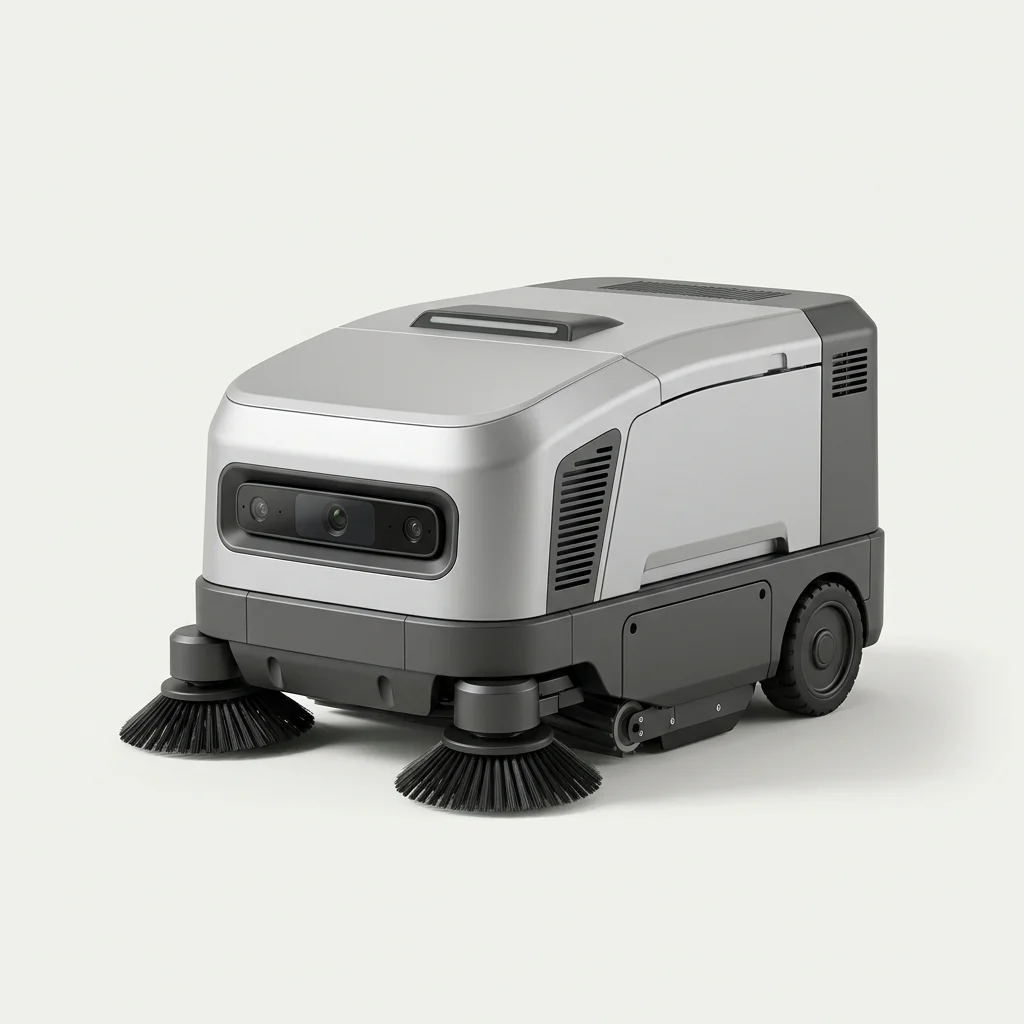
MT1
Vision-guided debris detection directs a pair of sweeping brushes toward litter. The 35 L bin suits long dry aisles.
DRC300Z
This tool-only LiDAR mapping vacuum accepts one or two 18 V LXT packs. It can return to its starting point after a dry route.
R3 Vac
A 350 mm main cleaning path reaches between furnishings on carpet and hard floor. A side brush extends coverage along walls.