Perimeter-Free Outdoor Robotics: The Commercial Opportunity for Regional Dealers
Regional outdoor power equipment dealerships, landscaping distributors, and commercial pool retail networks across the Americas face a major technological shift. For years, robotic mowers required burying fragile perimeter wire around customer lawns that snapped during aeration and imposed high installation costs. Similarly, corded pool cleaners relied on bulky floating cables that tangled and leaked.
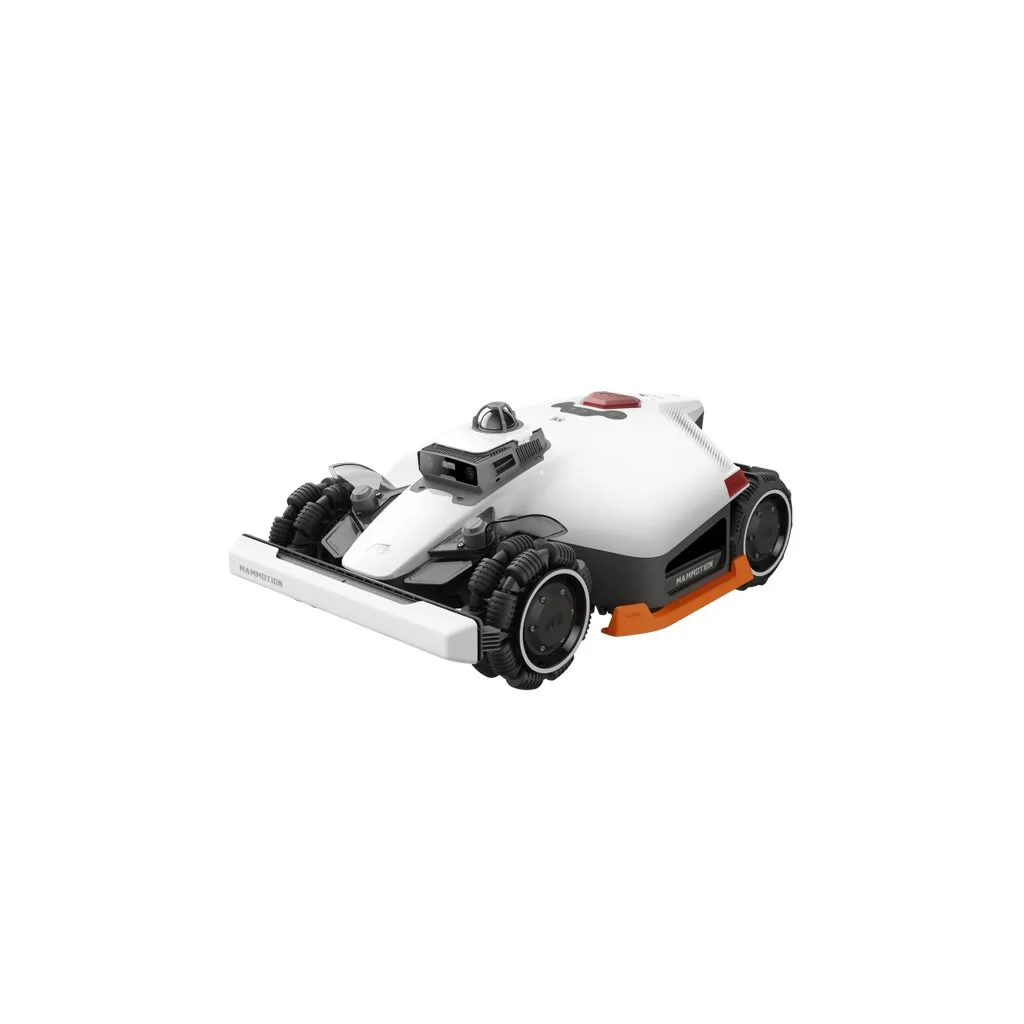
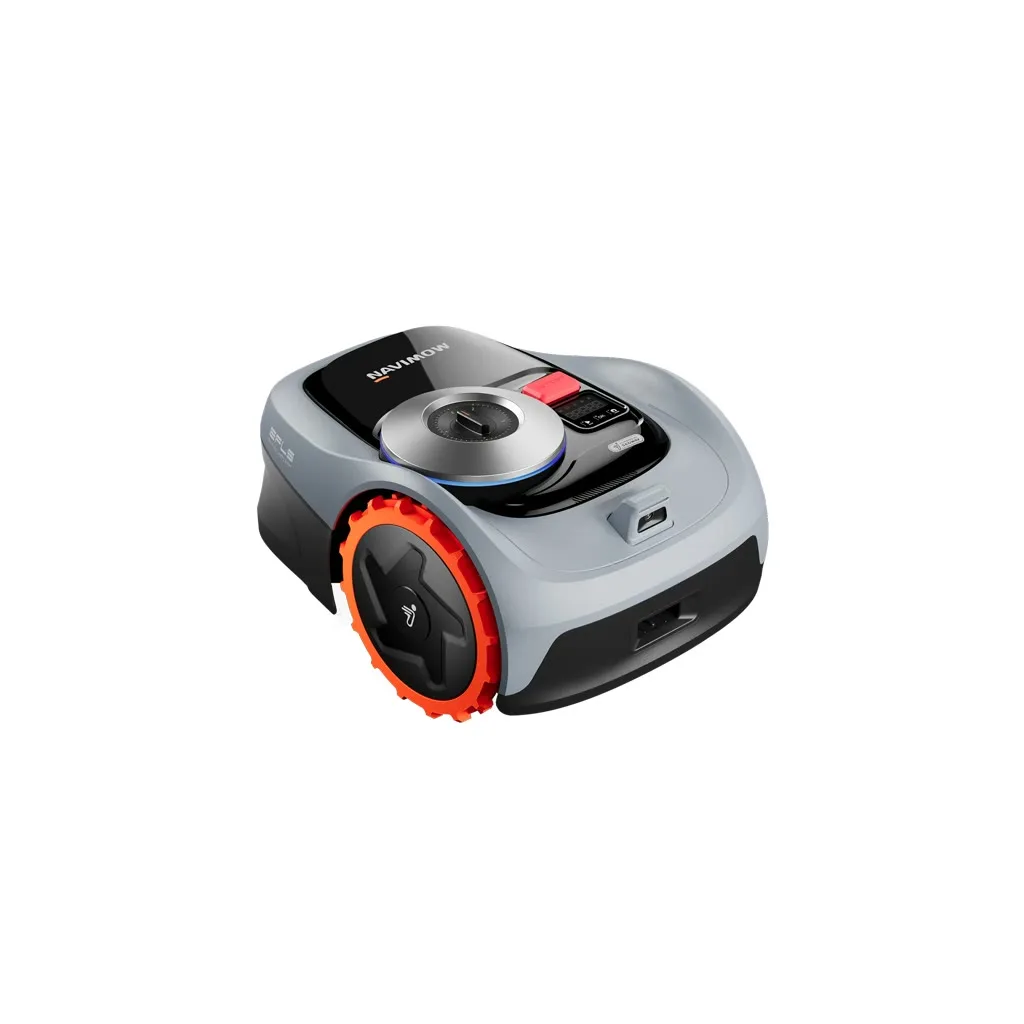
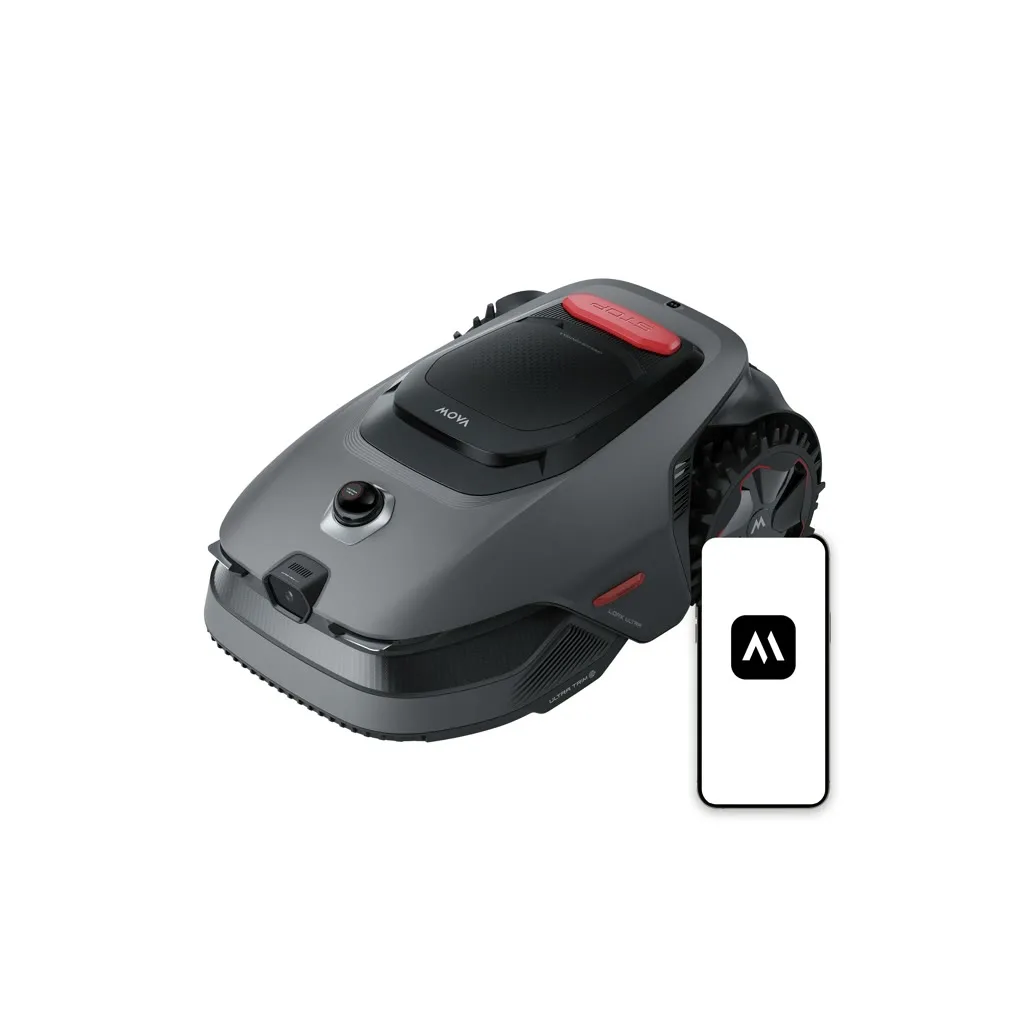
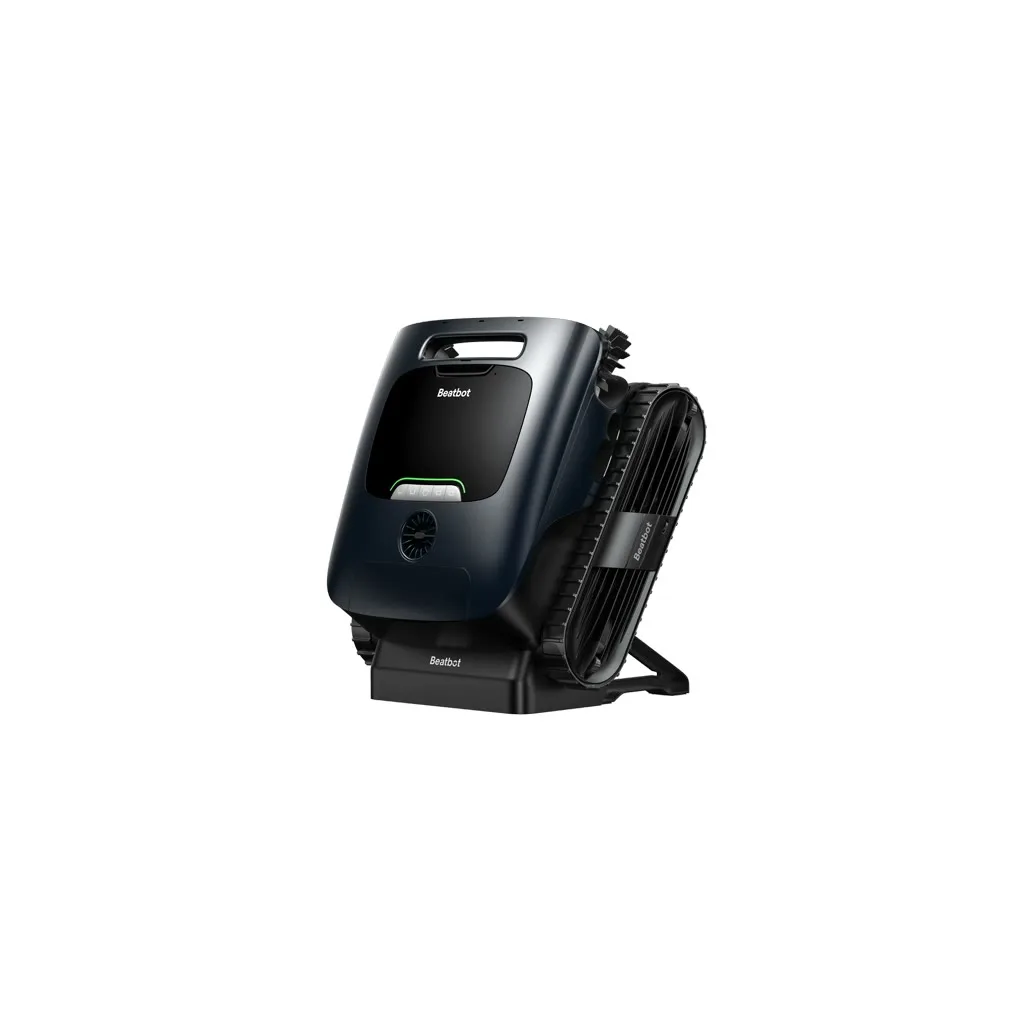
The commercial emergence of wire-free, perimeter-free robotic mowers and cordless pool cleaners changes the economics of dealership programs. Modern robot mowers utilize satellite Real-Time Kinematic Global Navigation Satellite Systems (RTK-GNSS), solid-state LiDAR sensors, and multi-camera artificial intelligence vision fusion to map and trim complex lawns with centimeter-level precision. In the pool category, untethered lithium-powered cleaners scrub floor, wall, and waterline surfaces without floating cords. For equipment dealers, these high-ticket categories offer compelling margins—provided distributors implement robust after-sales parts pipelines and pre-import compliance protocols.
Navigation Topologies: RTK-GNSS, Solid-State LiDAR, and Vision Fusion
Commercial buyers evaluating robotic mower lines must understand the tradeoffs between navigation sensor architectures:
- RTK-GNSS Satellite Positioning: RTK systems utilize a stationary base station receiver paired with a rover receiver inside the mower. By calculating differential phase corrections across satellite constellations, the system achieves accuracy within two to three centimeters. However, RTK signals degrade under dense tree canopies or near tall buildings where satellite line-of-sight is obstructed.
- Solid-State LiDAR and 3D Time-of-Flight: Commercial mowers integrate solid-state LiDAR sensors emitting thousands of infrared laser pulses per second, generating dense 3D point clouds of surrounding terrain. LiDAR navigation operates independently of satellite coverage and ambient light, enabling precise night mowing under thick forest canopies.
- AI Stereo Vision and Obstacle Avoidance: Dual binocular cameras process visual frames through neural networks to classify real-world lawn obstacles—such as hedgehogs, hoses, pet waste, roots, and patio furniture. In residential models, vision fusion supplements RTK signals during satellite dropouts.
The Dealer After-Sales Buffer: DOA Ratios and Spare Parts Stocking Models
Unlike small consumer accessories that can be discarded if defective, outdoor robotics platforms represent substantial investments ($1,000 to $3,500 public US retail reference MSRP). When a customer's mower or pool robot stops functioning during peak summer maintenance, dealers must provide immediate turnaround. Establishing a structured spare-parts model inside initial container purchase orders safeguards dealer profitability:
- Defective On Arrival (DOA) unit reserve: Dealers should mandate a 3% to 5% complete spare unit buffer funded by the supplier or held in regional escrow to provide instant customer exchanges during the initial 30-day warranty window.
- Mandatory replacement parts inventory: Initial container purchase orders must include an 8% to 12% allocation of fast-moving replacement parts. Essential stock includes cutting blade discs, drive tread wheels, brushless drive motors, RTK antenna extension assemblies, and replacement lithium battery packs.
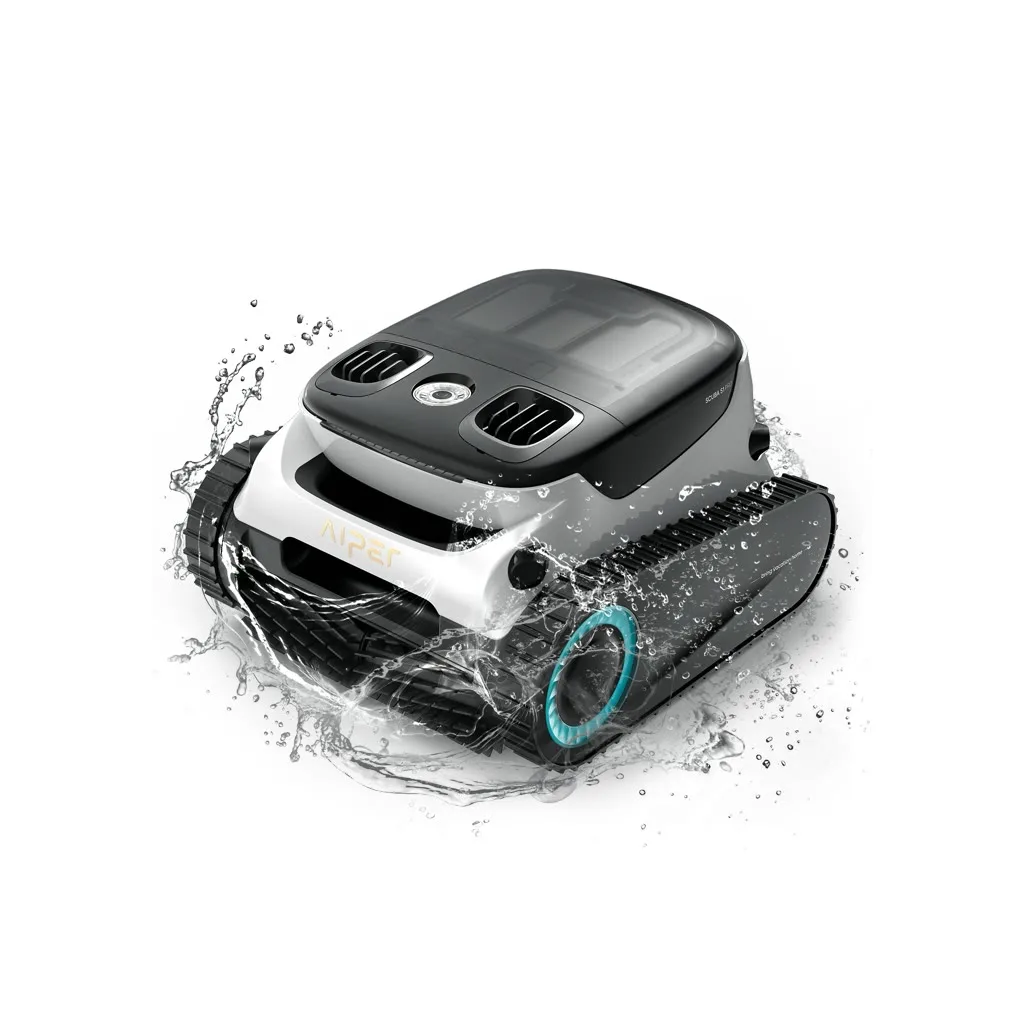
- Pool cleaner wear components: For cordless pool cleaners, mandatory spare parts include silicone caterpillar tracks, roller scrub brushes, fine micron filter cartridges, replacement charging port caps, and impeller motor seals.
Commercial Outdoor Robotics Technology & Spare-Parts Matrix
| Parameter | High-End RTK / LiDAR Robotic Mower | Residential Vision / RTK Mower | Dual-Track Cordless Pool Cleaner | Surface-Skimming Solar Pool Robot |
|---|
| Navigation Engine | RTK-GNSS + Solid-State 3D LiDAR | Dual AI Vision + RTK-GNSS | Ultrasonic Sonar + Infrared Gyro | Optical surface sensors + Gyro |
| Working Capacity | 3,000 to 5,000 square meters | 1,000 to 1,500 square meters | Up to 250 square meter pool | Up to 150 square meter pool |
| Ingress Protection | IPX6 high-pressure washdown | IPX5 water resistance rating | IPX8 continuous underwater | IP67 floating water resistant |
| Battery Chemistry | 21.6V / 10Ah Lithium-Ion Pack | 18V / 5Ah Lithium-Ion Pack | 25.2V / 9Ah Lithium-Ion Pack | 7.4V / 5Ah Lithium + Solar Cell |
| Charging Hardware | Outdoor docking station (UL 2595) | Fast-charge ground dock (ETL) | Magnetic induction / Dry DC plug | Solar charged + Type-C backup |
| Slope Gradeability | Up to 70% (35 degree) incline | Up to 45% (24 degree) incline | Vertical 90-degree wall climb | Flat pool water surface |
| Recommended Spares | 5% units, 10% blades, motors, tires | 3% units, 8% blades, batteries | 5% tracks, brushes, filter baskets | 3% paddle wheels, solar panels |
| B2B Verification Gate | Obstacle crash stop, RTK canopy test | Lawn boundary mapping audit | Submersion vacuum test, IPX8 | Saltwater corrosion, UV chamber |
Ingress Protection, Docking Station Electrical Safety & Seasonal Lead Times
Outdoor robotics operate in severe environments exposed to rain, chlorine, UV radiation, and temperature extremes:
- Ingress Protection Standards (IPX6 and IPX8): Robotic mowers must carry verified IPX6 ratings under IEC 60529, allowing crews to hose down grass buildup under the cutting deck without moisture penetrating motor housings. Robotic pool cleaners require certified IPX8 continuous submersion ratings, with double-sealed silicone O-rings protecting motor and battery chambers against chlorinated water ingress.
- Docking station electrical safety compliance: Outdoor charging docks must comply with UL 2595 / UL 1310 safety standards in the United States and Canada, featuring Class 2 low-voltage power supplies, ground-fault circuit interrupter (GFCI) compatibility, and UV-stabilized plastic enclosures (UL 746C outdoor suitability).
- Seasonal container lead-time planning: Equipment sales in North America concentrate between March and July, whereas South America peaks from October to February. Factoring 60-day manufacturing, 35-day ocean transit, and 15-day customs clearance, North American dealers must finalize container orders by November.
Dealer Pre-Shipment Inspection Protocol & Golden Sample Validation Checklist
Before releasing final container balance payments to manufacturing partners, dealer procurement specialists should require proof of the following factory quality gates:
- RTK Satellite Canopy Stress Testing: Test mower navigation under tree cover, confirming the vehicle switches smoothly between RTK differential positioning and optical vision dead reckoning without straying across property boundaries.
- Pool Cleaner Wall-Climbing Audit: Submerge sample pool cleaners in residential plaster and vinyl pools, verifying the machine climbs vertical 90-degree walls and scrubs the waterline tile band for at least fifteen seconds per pass without slipping.
- Blade Motor Automatic Braking and Safety Cutoff: Confirm cutting disc motors halt blade rotation in less than 0.5 seconds when the mower is lifted off the ground or tilted beyond twenty-five degrees.
- Pre-PO Sourcing Verification Gate: Commercial wholesale pricing, distributor territory exclusivity, and warranty spare-parts packages vary based on annual dealer commitment tiers. Dealership networks can request formal dealer quotation packages and sample evaluation units through the SmartLife100 commercial inquiry platform.