AQL 2.5 / 4.0 Pre-Shipment QC Inspection Checklist for Smart Hardware: RF Pairing, Burn-In, Firmware & Drop Tests
An operational ISO 2859-1 (AQL 2.5 / 4.0) pre-shipment quality control inspection framework for smart hardware: radio pairing reliability, thermal burn-in protocols, firmware checksum freezes, and packaging stress testing.
Setting Realistic Defect Tolerances: ISO 2859-1 Sampling and AQL Levels
In the international procurement of connected electronics and IoT devices, discovering manufacturing defects after ocean transit destroys profitability. Warranty replacements, reverse freight, and damaged retail relationships quickly erase margins. The primary operational defense is a standardized Pre-Shipment Inspection (PSI) executed at the manufacturing facility prior to releasing final payments.
Pre-shipment quality control is governed by ISO 2859-1 (Sampling procedures for inspection by attributes), defining the Acceptance Quality Limit (AQL):
General Inspection Level II (Normal Single Sampling): Sets the statistical sample size drawn randomly from finished production lots. For a batch of 3,200 units, Level II mandates an inspection sample of 125 units.
Critical Defects (AQL 0.0): Zero defect tolerance for safety hazards or regulatory violations (such as exposed AC mains, pinched lithium batteries, sharp metal edges, or missing FCC/CE labels). A single critical defect mandates lot rejection.
Major Defects (AQL 2.5): Failures that impair core functionality or prompt customer returns (such as Bluetooth pairing dropouts, unresponsive buttons, jammed latches, or corrupted memory).
Minor Defects (AQL 4.0): Minor cosmetic or workmanship deviations that do not impact operational use (such as faint casing scuffs, slight label misalignment, or carton scratches).
Critical Physical Inspections: Cosmetics, Fasteners, Gaskets, and Barcodes
Physical inspection compares random production samples directly against approved physical Golden Samples:
Gate / Standard
Scope
Common Failure Mode
Pre-Order Check
AQL Critical Defects (0.0 Max)
Fire hazard, exposed mains, sharp burrs, safety failure
Loose high-voltage wiring or pinching lithium pouch battery during assembly
100 percent hi-pot insulation testing and zero-tolerance safety inspection
AQL Major Defects (2.5 Threshold)
Core function failure, radio drop-out, bricked firmware
Intermittent Wi-Fi/BLE pairing or dead Bluetooth antenna solder joints
Test RF RSSI threshold at 5 meters and execute automated pairing test cycle
AQL Minor Defects (4.0 Threshold)
Cosmetic scratches, misaligned labels, box scuffs
Off-color pad printing or crooked rating label on bottom enclosure surface
Compare production units against approved physical Golden Sample standards
Thermal Burn-In Screening
4-to-24 hour powered elevated temperature aging
Early component infant mortality in power supplies and motor drivers
Require factory to provide timestamped batch burn-in logs with serial numbers
ISTA-1A Transit Simulation
Packaged product drop and vibration resistance
Internal battery bracket cracking or display popping out upon transit impact
Execute 10-point package drop test from 76cm onto concrete floor on master carton
The physical audit checklist covers four core areas:
Enclosure Finish and Gaps: Inspect aluminum and molded plastics for sink marks, flash burrs, and color consistency under 1,000-lux D65 daylight inspection lighting. Measure seam gaps with feeler gauges.
Fasteners and Assembly Torque: Confirm assembly screws and threaded inserts were driven with calibrated torque screwdrivers. Stripped threads or loose internal standoffs represent major defects.
Environmental Gaskets and Ingress Seals: For outdoor or water-resistant devices (such as smart locks and outdoor sensors), verify silicone seals and O-rings are correctly seated without pinching.
Barcode and Rating Plate Permanence: Scan serial numbers, UPC barcodes, and MAC addresses to confirm Grade B or higher readability under ISO/IEC 15416. Execute 15-second alcohol and water rub tests on printed rating labels.
Electronics and RF Testing: RSSI Bounds, Pairing, and Firmware Verification
Electrical and radio frequency (RF) validation is the most critical phase of smart hardware inspection:
RF RSSI Benchmarks: Measure Wi-Fi and Bluetooth Low Energy transmission power inside a standardized test fixture at five meters. If a sample demonstrates signal attenuation greater than 6 dB compared to the Golden Sample, flag it for antenna solder defect or impedance mismatch.
Pairing and State-Machine Cycles: Execute three pairing and unpairing cycles with iOS and Android test smartphones, confirming rapid advertising, clean authentication, and smooth Thread/Matter commissioning.
Operating and Sleep Current: Measure power draw with a precision digital multimeter. Confirm that deep-sleep quiescent current stays within specification (e.g., under 15 microamps for battery sensors), preventing premature battery depletion.
Firmware Checksum Freeze: Confirm production firmware matches the approved release build down to the SHA-256 cryptographic hash. Verify that factory debug ports (JTAG/SWD) are permanently locked and unique security keys are burned into secure elements.
Packaging, Transit Simulation, and Final Release Sign-Off
Physical packaging must protect electronics throughout rough intermodal transit:
ISTA-1A Drop Testing: Perform a standardized 10-drop sequence from 76 cm onto solid concrete: 1 drop on the most vulnerable corner, 3 on radiating edges, and 6 on flat carton faces.
Functional Unboxing Check: Following drops, unbox each retail unit, inspect molded pulp or EVA foam trays for tearing, power up the hardware, and verify 100% operational functionality.
Palletization Integrity: Ensure pallets match destination requirements (40x48 inch GMA in North America, 800x1200 mm Euro-pallets in Europe) with corner edge-boards and heavy stretch wrapping.
Inspectors compile a formal Pre-Shipment Inspection Report with measurement logs, high-resolution photographs, and a definitive PENDING, REJECTED, or APPROVED determination. Balance payments should be released only upon an APPROVED determination.
Importers requiring customized AQL inspection checklists, on-site quality engineering, or factory audits can consult the Sourcing Desk for operational support.
Frequently Asked Questions
What happens if a production batch fails pre-shipment inspection under AQL 2.5 criteria?
The entire production lot is officially rejected; the manufacturer is contractually required to sort 100% of the inventory at its own expense, rework or replace defective units, and pay for a full re-inspection.
Why is AQL General Inspection Level II standard for consumer smart hardware?
Level II provides the optimal statistical balance between inspection sample size and risk confidence, ensuring an accurate evaluation without incurring excessive on-site inspection labor costs.
What is the purpose of measuring quiescent sleep current during pre-shipment quality control?
Excessive sleep current indicates firmware sleep-state failure or PCB component leakage, which will drain battery-operated devices within weeks instead of their advertised multi-year battery life.
How does an inspector verify that factory firmware has not been altered before packaging?
Inspectors verify firmware version strings in the software UI and compute the SHA-256 hash of the compiled firmware binary dumped via secure interface, comparing it to the approved release build.
Can an importer waive the ISTA-1A drop test if retail boxes show no external damage?
No. Packaging drop tests evaluate internal cushioning and component mounting; a device can suffer internal battery bracket failure or dislodged ribbon cables even when the outer retail box appears intact.
Export a structured pre-PO procurement checklist extracted from this playbook's verification sections, buyer diligence questions, and referenced catalog SKUs.
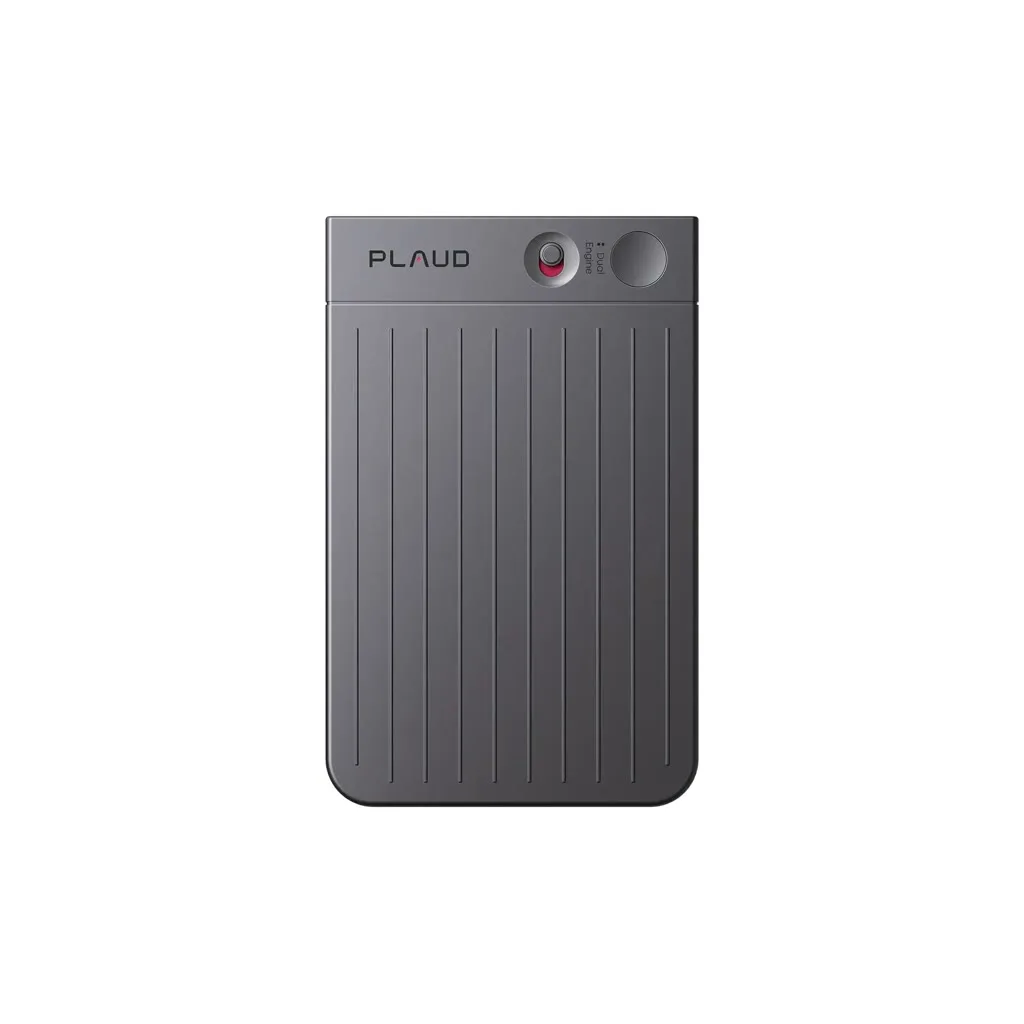
Credit-card-sized dual-mode voice recorder for meetings and phone calls, with 64 GB local storage, 400 mAh battery, up to 30 hours continuous recording, and companion app transcription in 112 languages.
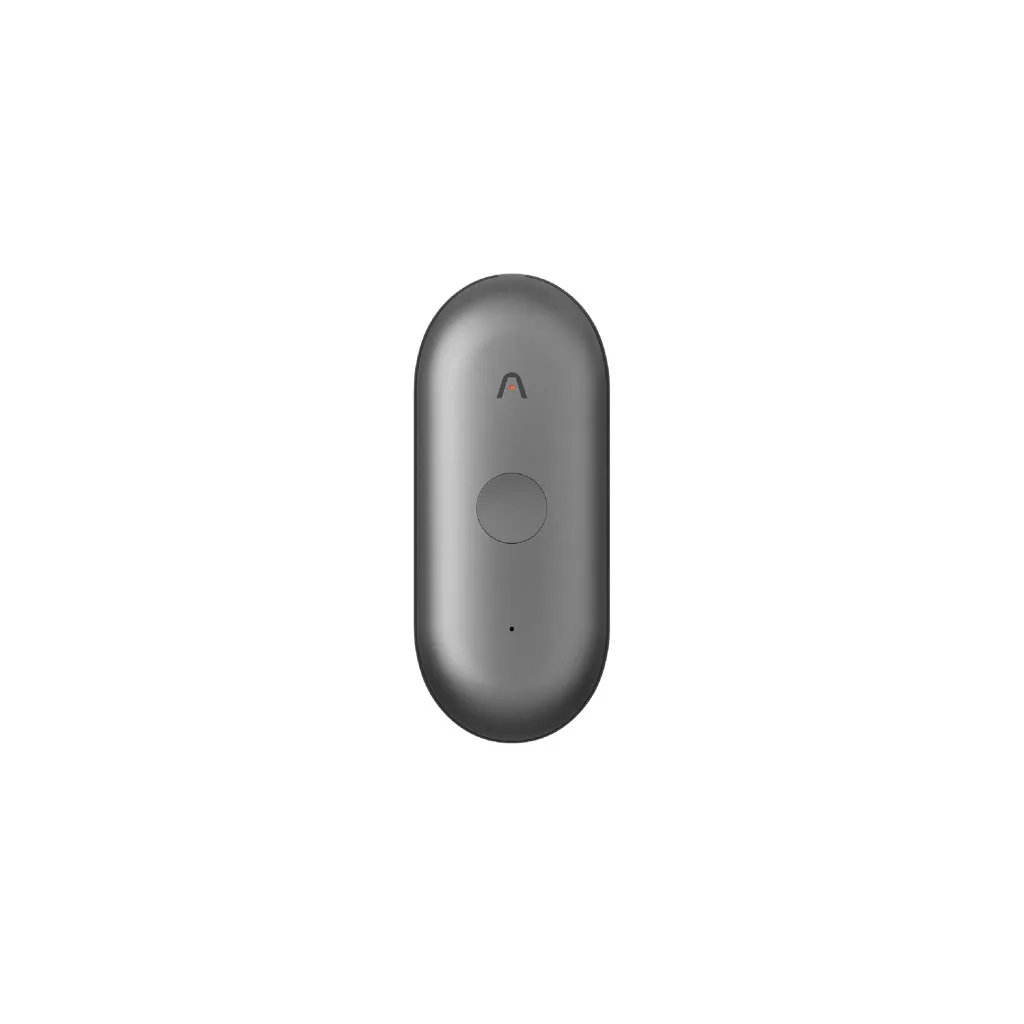
Wearable AI note taker worn as a clip, pin, necklace, or wristband for hands-free in-person conversations, with 64 GB storage, 320 mAh battery, up to 20 hours recording, and companion app transcription in 112 languages.
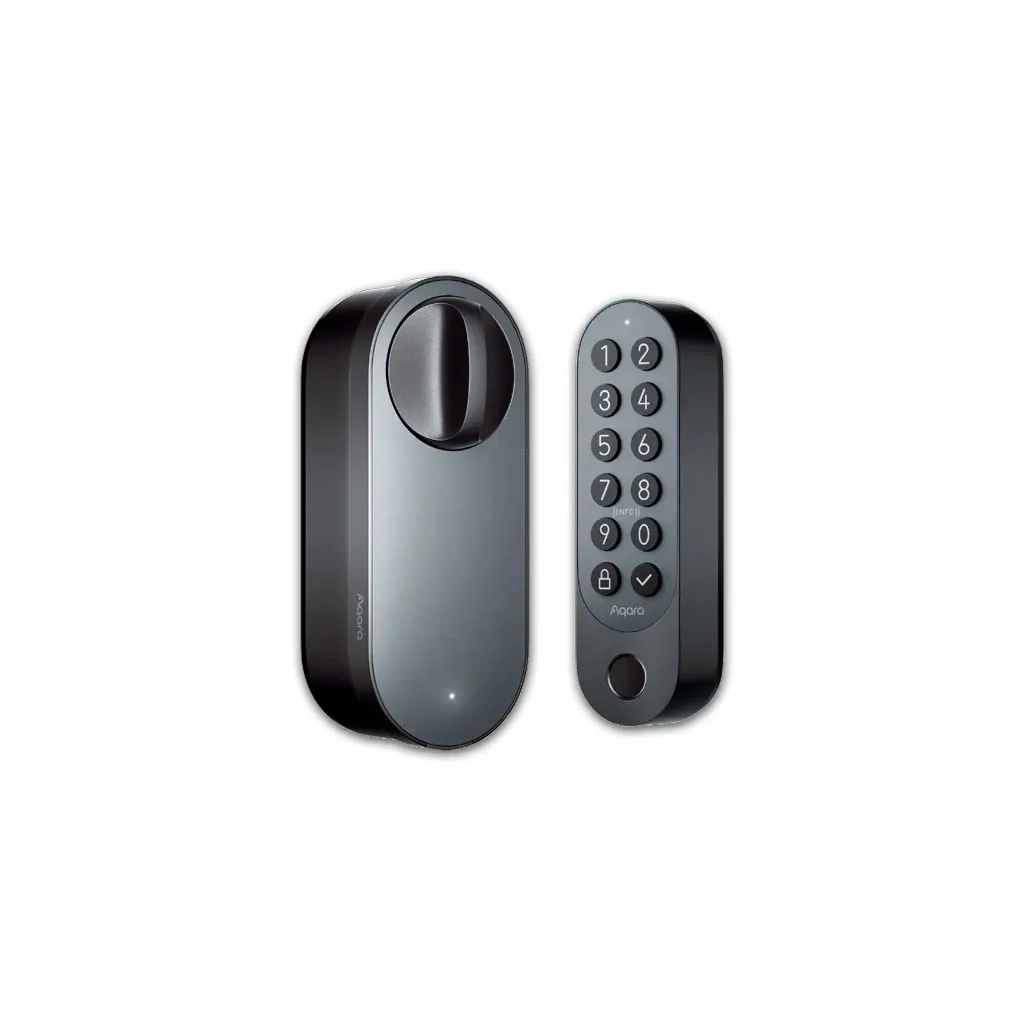
Retrofit smart lock that fits over an existing cylinder without drilling, with fingerprint, Apple Home Key, NFC, keypad, and app unlocking, Matter over Thread, a rechargeable Li-ion battery lasting up to 6 months, and an IPX5-rated keypad for outdoor use.
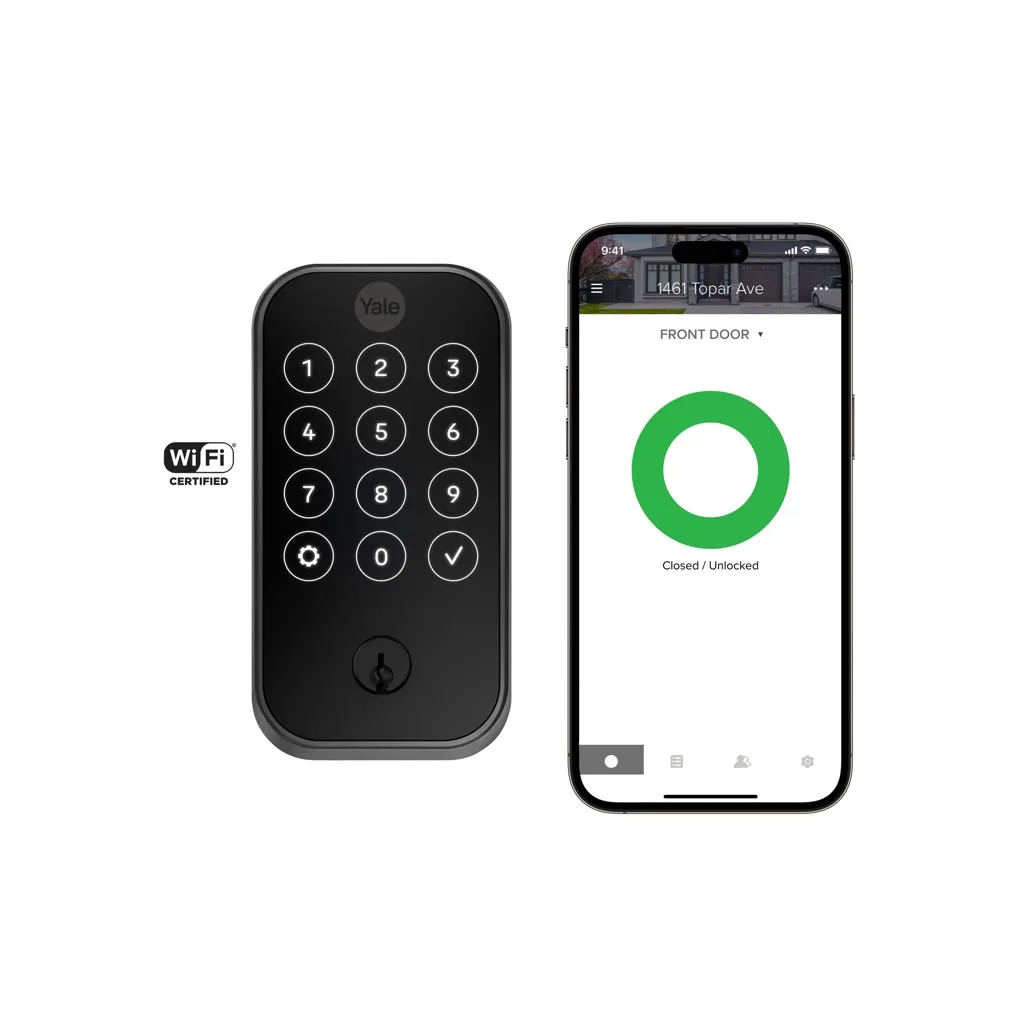
Key-free touchscreen Wi-Fi deadbolt with unlimited shareable entry codes, Auto-Lock with DoorSense, Auto-Unlock, and remote lock control through the Yale Access app; built-in Wi-Fi with Bluetooth, works with Apple Home, Alexa, and Google Assistant, and replaces standard US deadbolts with a screwdriver.
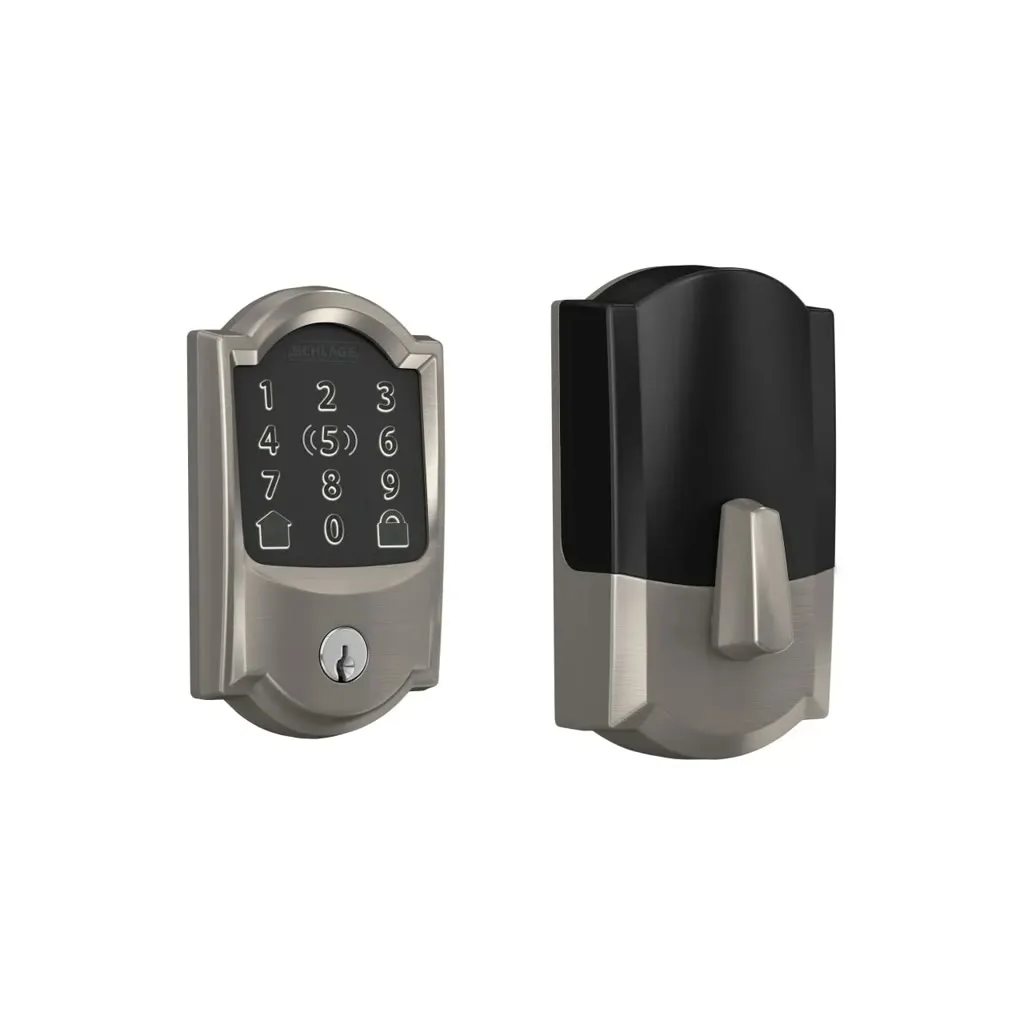
Built-in Wi-Fi touchscreen deadbolt with Apple Home Key tap-to-unlock from iPhone or Apple Watch, up to 100 access codes, a built-in alarm, and BHMA Grade AAA security, durability, and finish ratings; connects directly to 2.4 GHz Wi-Fi with no hub and joins Apple Home over Thread.