Why Multi-SKU Hardware Consolidation Protects Commercial Importer Margins
Electronics distributors and commercial integrators across the Americas frequently struggle with high minimum order quantities (MOQs) and freight overhead when importing smart hardware. When an importer places separate small orders across multiple factories—such as 50 deadbolts, 100 sensors, and 200 GaN chargers—each small lot incurs separate export declaration fees, less-than-container-load (LCL) charges, duplicate customs broker entries, and fragmented document fees.
Consolidating three to eight complementary smart hardware SKUs into a single container or consolidated air pallet dramatically improves unit economics. Multi-SKU consolidation lowers customs charges per SKU, reduces shipping damage through standardized export crating, and allows distributors to launch complete smart home bundles simultaneously. However, successful multi-SKU consolidation requires operational control over voltage standards, packaging dimensions, golden-sample approvals, and standardized pre-shipment quality inspections.
Americas Electrical Standards: Voltage Grids, Plug Geometries & Neutral Requirements
The Americas region does not share a single electrical standard. Procuring electrical accessories across North, Central, and South America requires attention to regional voltage, frequency, and physical plug geometries:
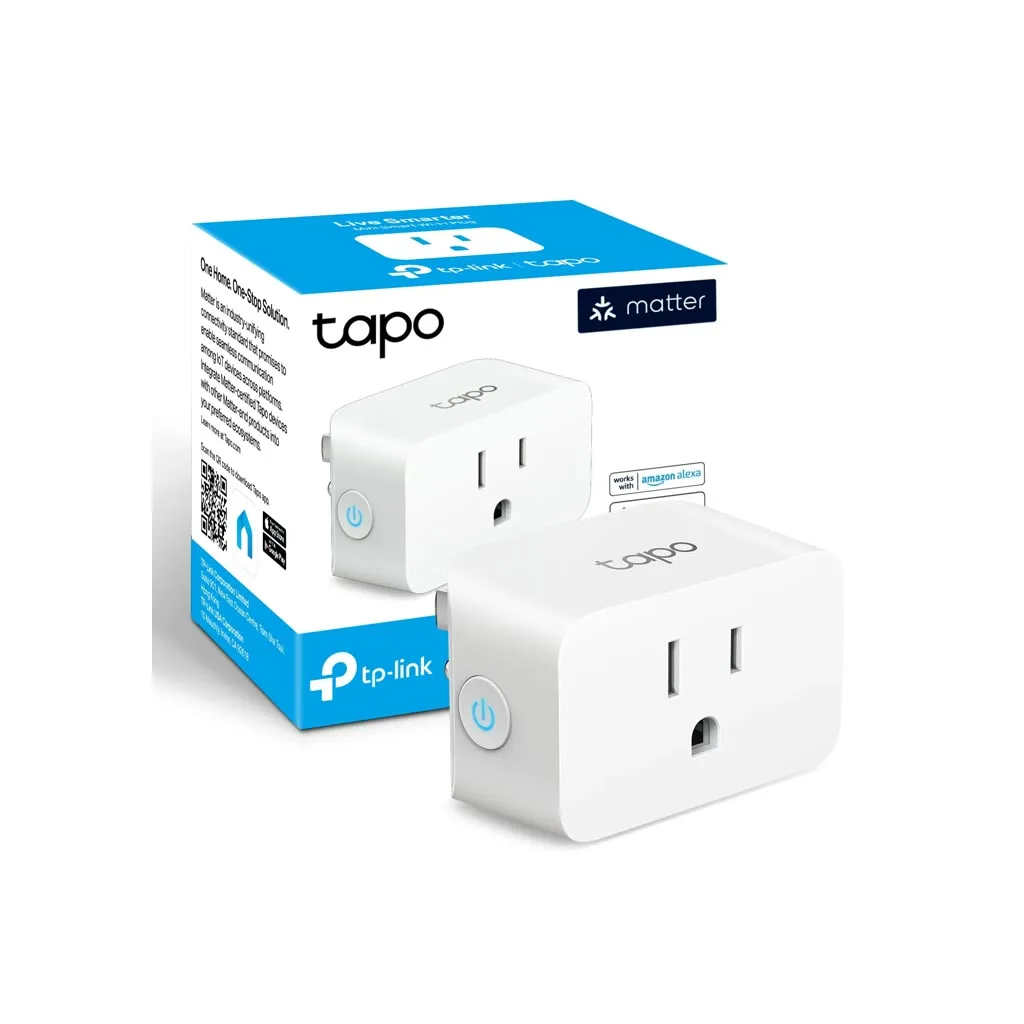
- United States and Canada: Operates on 120V AC at 60 Hz. Power plugs utilize NEMA 1-15 ungrounded two-prong or NEMA 5-15 grounded three-prong configurations. In-wall smart switches and dimmers must support neutral-wire configurations or incorporate bypass capacitors for older electrical panels lacking neutral conductors inside switch boxes.
- Mexico: Operates on 127V AC at 60 Hz using NEMA 1-15 and NEMA 5-15 plugs. Devices engineered strictly for 110V components suffer thermal degradation under Mexican grid over-voltage surges up to 135V. Sourcing contracts must specify wide-input power supplies rated for 100V to 240V at 50/60 Hz.
- Brazil: Represents a split-voltage market. Depending on municipal utility, residential power operates at either 127V 60 Hz (Sao Paulo and Rio de Janeiro) or 220V 60 Hz (Brasilia and northeastern states). Brazilian power plugs must strictly comply with ABNT NBR 14136 three-pin hexagonal standards. Sourcing American or European plugs into Brazil results in customs holds and distributor returns.
- Southern Cone (Argentina, Chile, Uruguay): Argentina operates on 220V AC at 50 Hz utilizing IRAM 2073 Type I plugs. Chile operates on 220V AC at 50 Hz using Italian CEI 23-50 Type L sockets.
Golden Sample Sign-Off and Pre-Production Specification Freezes
When consolidating diverse hardware products produced across multiple facilities, commercial importers must establish a formal Golden Sample Sign-Off protocol prior to mass manufacturing:
- Golden sample benchmark definition: Two identical production samples are prepared by each factory. One remains preserved at the manufacturer QA lab as benchmark, while the second is shipped to the importer for destructive teardown, RF checks, and physical sign-off.
- Firmware hash and bootloader freezing: Software modifications made by factory engineers between sample approval and mass assembly represent a common source of field failures. Importers must document the exact firmware build number, cryptographic SHA-256 hash, and bootloader version in the formal purchase agreement.
- Packaging and barcode approval: Master carton dimensions, pallet stacking patterns, retail gift box barcodes (UPC-A for North America, EAN-13 for Latin America), and bilingual instruction manuals (English/Spanish for Mexico, English/Portuguese for Brazil) must receive written importer sign-off before printing.
Americas Electrical Standards, Packaging Specifications & AQL Sample Sizes
| Hardware SKU Type | Target Americas Markets | Electrical & Plug Standard | Master Carton Dimensions | AQL 2.5 Sample Size (Lot 1,200) | Mandatory Quality Inspection Gate |
|---|
| GaN Fast Wall Chargers | US, MX, BR (multi-plug) | 100V-240V, NEMA / NBR 14136 | 45 x 35 x 28 cm (40 pcs) | 80 units (Max 5 Major defects) | 4-hour full-load thermal burn-in |
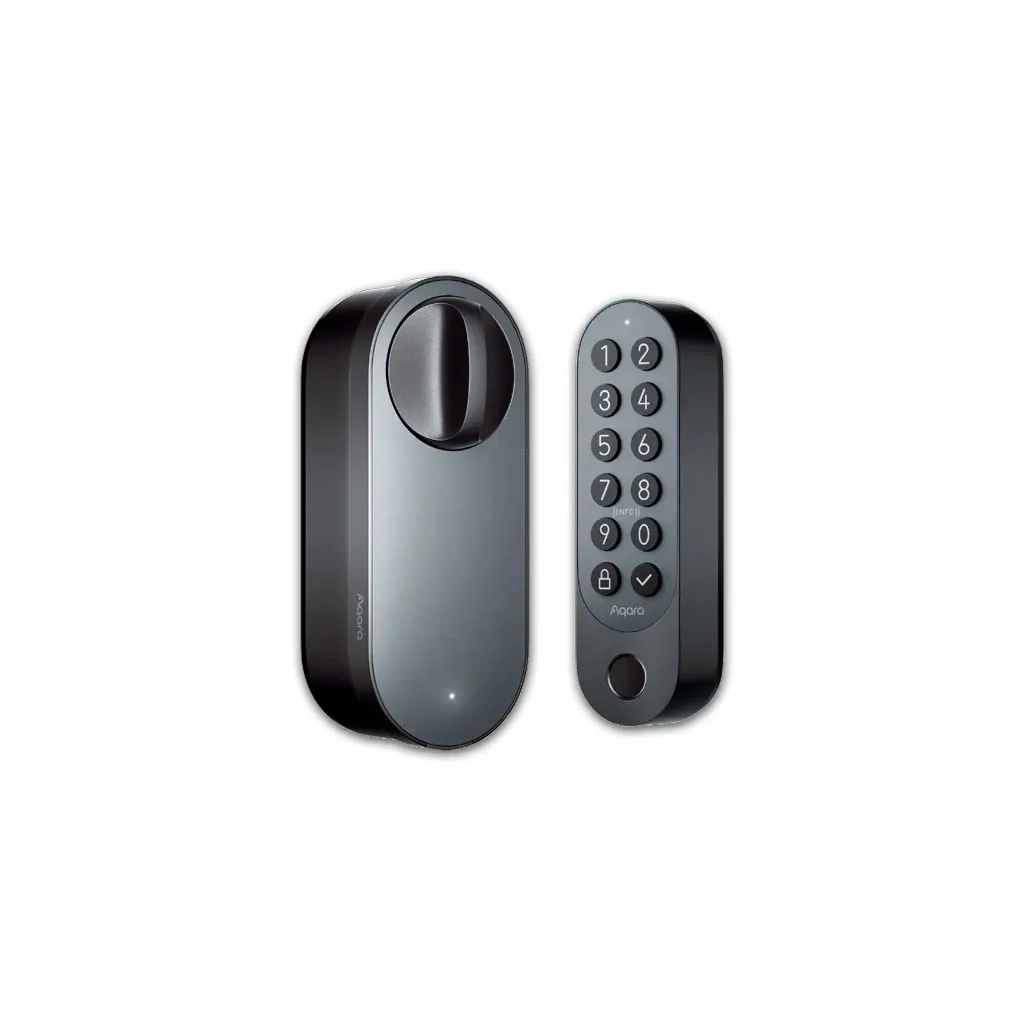
| Smart Door Deadbolts | US, MX (ANSI prep) | 6V DC (4x AA Alkaline) | 52 x 40 x 30 cm (10 pcs) | 80 units (Max 5 Major defects) | Motor stall torque & keypad audit |
| Millimeter-Wave Sensors | Americas Wide | 5V Type-C or CR2450 Cell | 38 x 28 x 22 cm (100 pcs) | 80 units (Max 5 Major defects) | RF pairing & detection range test |
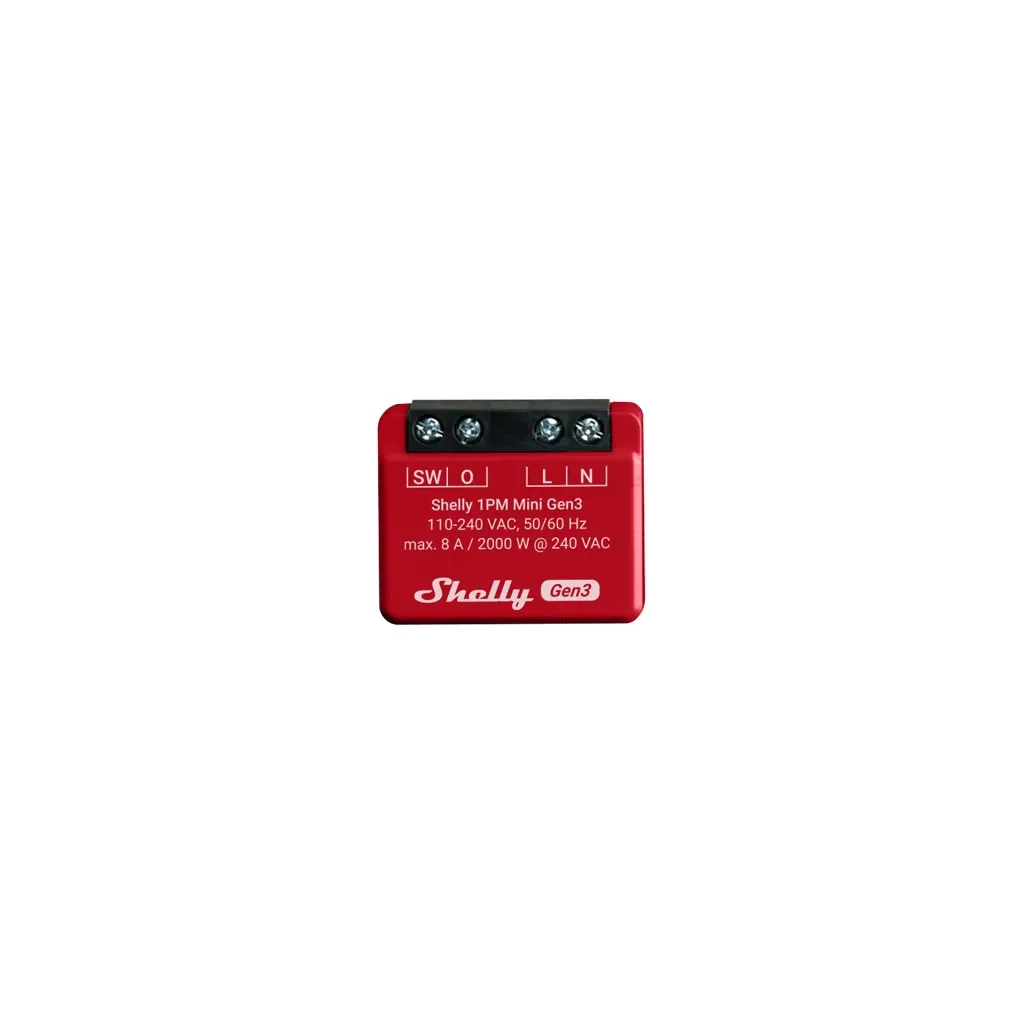
| In-Wall Smart Relays | US 120V / BR 220V | 100V-250V AC, 50/60Hz | 40 x 30 x 25 cm (120 pcs) | 80 units (Max 5 Major defects) | Dielectric withstand / hi-pot test |
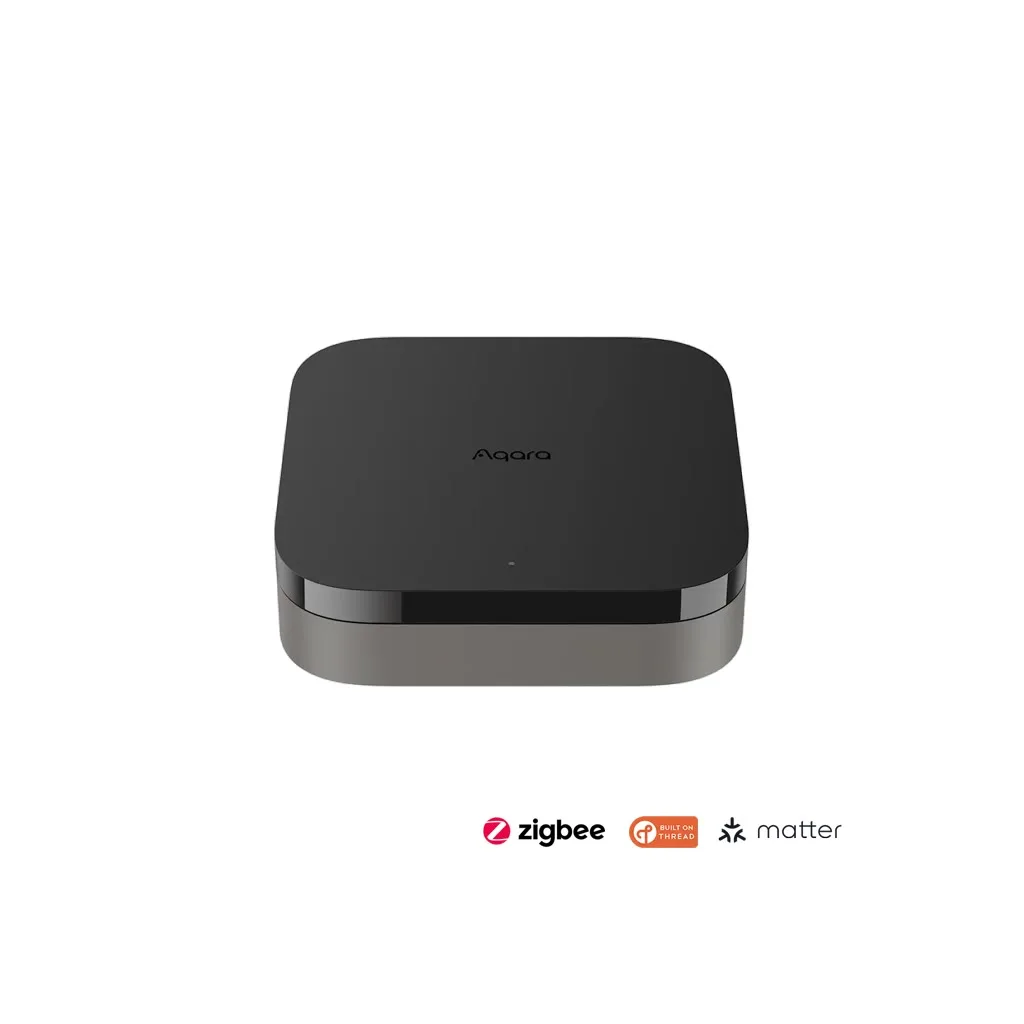
| Matter Gateway Hubs | Americas Wide | 5V 2A USB-C / Ethernet RJ45 | 48 x 36 x 32 cm (24 pcs) | 80 units (Max 5 Major defects) | Thread mesh routing & reboot test |
Pre-Shipment Quality Control Under ANSI/ASQ Z1.4 (ISO 2859-1)
Pre-shipment inspection (PSI) conducted at the consolidation warehouse ensures defective hardware is intercepted before overseas container loading. Importers should enforce ANSI/ASQ Z1.4 (ISO 2859-1) Single Sampling Plan, Normal Inspection Level II, with Acceptance Quality Limit (AQL) standards set at:
- Critical Defects (AQL 0): Zero tolerance. Any safety violation—such as electric shock hazard, missing earth ground pin, swollen lithium pouch cell, or exposed live high-voltage trace—results in immediate batch rejection.
- Major Defects (AQL 2.5): Functional defects like pairing failures, dead display pixels, or motor stalls. For a lot of 1,200 units, the inspector tests 80 samples, rejecting the lot if 6 or more major defects are found.
- Minor Defects (AQL 4.0): Cosmetic flaws like paint blemishes or packaging misprints. For the 80-unit sample, the lot is rejected if 8 or more minor defects are found.
Carton Packaging Integrity, Drop Testing & Master Carton Container Stuffing
Consolidated shipments face significant mechanical vibration, ocean humidity, and rough container handling during transit across Pacific and Atlantic sea lanes:
- Master Carton Bursting Strength: Export cartons must utilize double-wall corrugated cardboard (5-ply kraft paper, minimum 200 lb per square inch bursting test / 44 ECT edge crush test) with moisture-barrier liners to withstand tropical sea humidity.
- ISTA 1A Carton Drop Testing: Master cartons packed with retail units must undergo standard ten-drop drop tests under International Safe Transit Association (ISTA) 1A guidelines from heights between 76cm and 91cm onto concrete. Retail products must remain undamaged and functional.
- Container stuffing: Place heavy items on bottom pallet layers and strap with composite strapping. Require photographic logs documenting pallet bracing, desiccant placement, and container seal locking.
- Pre-PO Consolidation Planning Gate: Consolidation timelines and logistics fees depend on supplier readiness and warehouse location. Commercial importers can request consolidated multi-category quotations, warehouse inspection services, and sample bundling through the SmartLife100 inquiry portal.