Why Institutional Restrictions Are Reshaping Smart Eyewear Assortments
Consumer excitement around AI-enabled eyewear accelerated rapidly across 2025 and 2026, yet institutional backlash against covert optical and audio recording is moving just as fast. For B2B importers, regional distributors, and specialty electronics retailers, regulatory and venue-level bans directly determine whether an eyewear SKU becomes a repeat commercial winner or a high-return compliance liability.
Unlike handheld smartphones, eyeglasses sit at eye level and blend into ordinary corrective frames. That form factor triggers immediate scrutiny from education ministries, examination boards, corporate security teams, healthcare facilities, and government buildings whenever a frame integrates a forward-facing camera or always-listening microphone array.
Verified Policy Signals vs Unverified Headlines (As of 2026-11-11)
Procurement teams should separate enacted rules from active policy debates rather than treating viral social headlines as uniform national law:
- High-stakes examination bans in East Asia: South Korea's national university entrance exam (CSAT) explicitly prohibits smart glasses and electronic wearables inside testing rooms, treating possession during exams as academic misconduct.
- School and classroom restrictions in Australia and the United Kingdom: Australian state education rules (including Victoria's mobile and wearable device policies) restrict student classroom use, while UK ministerial statements and parliamentary security discussions reported in November 2026 highlighted growing pressure to bar covert-recording smart glasses from schools and sensitive government estates after parliamentary screening equipment failed to flag camera eyewear.
- European Union GDPR and workplace surveillance boundaries: in EU member states, non-consensual public or workplace video/audio capture implicates GDPR household-exemption limits, transparency duties, and works-council rules, leading European enterprise buyers to reject covert camera frames.
- United States two-party wiretap states: twelve US states (including California, Florida, Illinois, Pennsylvania, and Massachusetts) enforce all-party consent laws for confidential audio recordings, creating legal exposure for enterprise teams deploying subtle voice-recording eyewear without conspicuous notice.
Note on evidence scope: summarized UK education and parliamentary security items reflect public ministerial/media reporting reviewed on 2026-11-11; buyers supplying UK public-sector tenders must verify final statutory guidance directly with contracting authorities.
Mandatory Hardware Privacy Safeguards for Camera-Equipped Frames
If your retail or enterprise channel specifically requests camera-enabled AI eyewear, treat the following hardware controls as non-negotiable sample rejection gates before placing an MOQ order:
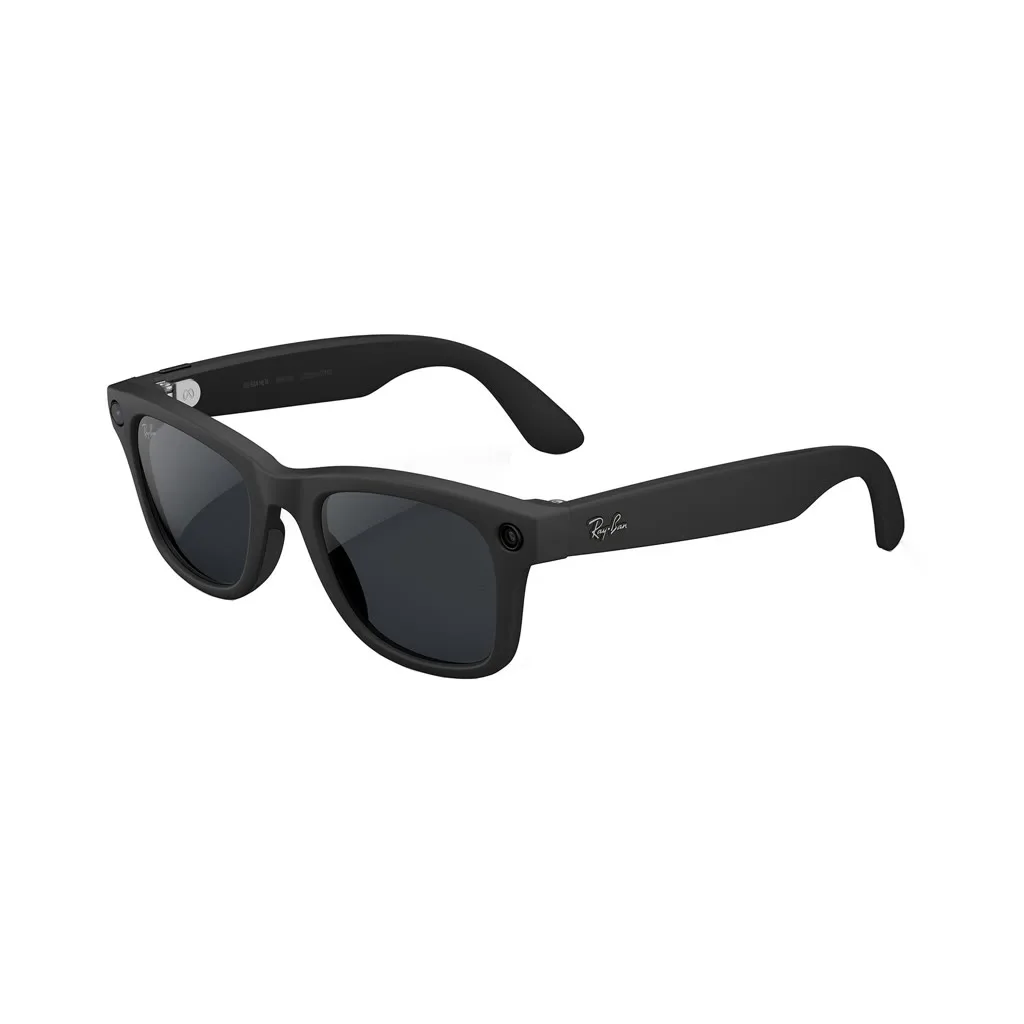
- Hardwired front-facing capture LED: the outward white privacy indicator LED must be electrically tied to the CMOS camera power rail or ISP clock so firmware modifications, root exploits, or third-party companion apps cannot disable illumination during photo or video capture.
- Tamper/occlusion detection: benchmark frames use an ambient light or proximity check around the privacy LED bezel so covering the LED with black tape or paint aborts recording immediately. Cheap public-mold frames that lack occlusion sensing draw severe retailer pushback.
- Audible shutter chime in regulated regions: units shipped into Japan or South Korea require non-mutable shutter and recording start chimes in regional firmware builds.
- Physical microphone mute switch: enterprise IT buyers strongly favor a physical slide switch on the temple arm that disconnects microphone bias voltage during confidential meetings.
Mandatory Radio, Thermal, and Optical Import Certifications
Smart glasses sit millimeters from cranial tissue and the human cornea, subjecting importers to stricter testing than desk accessories:
- Specific Absorption Rate (SAR) head exposure testing: FCC Part 15 / OET Bulletin 65 in the United States, ISED RSS-102 in Canada, CE RED (EN 50566 / EN 62209) in Europe, and Anatel SAR testing in Brazil require documented head-phantom RF absorption reports—standard modular Bluetooth grants calculated at a 20-centimeter separation distance are invalid for eyewear.
- Impact and optical lens compliance: non-prescription plano sunglass or clear lenses imported into the United States fall under FDA 21 CFR 801.410 drop-ball impact testing (plus ANSI Z80.3 / ISO 12312-1 UV and luminous transmittance checks), requiring importer registration and device listing.
- Lithium pouch cell safety in temple arms: verify IEC 62133-2 cell safety, UN38.3 transport test summaries, and skin-contact surface temperature limits below 42 degrees Celsius under continuous Bluetooth LE or Wi-Fi transfer.
Pre-Shipment Sample Audit Checklist for Importers
Before approving tooling deposits or container bookings on any AI eyewear SKU, run five concrete bench checks on production-intent samples:
- Cover the exterior privacy LED with opaque black vinyl tape and trigger video recording; reject any camera frame that continues capturing frames when the indicator window is blocked.
- Measure temple-arm skin-contact temperature after 15 minutes of continuous live translation or audio streaming in a 25-degree-Celsius room.
- Measure open-ear acoustic leakage at 1 meter in a quiet 40 dBA office environment at 50 percent volume to verify dipole phase cancellation.
- Flex both spring hinges through 5,000 open-close cycles to confirm the internal flexible printed circuit ribbon does not crack or drop speaker channels.
- Confirm standardized snap-in or optician-fillable prescription lens frames so end buyers do not return units over Rx compatibility.
Why Camera-Free AI Audio & Translation Eyewear Wins B2B Channels
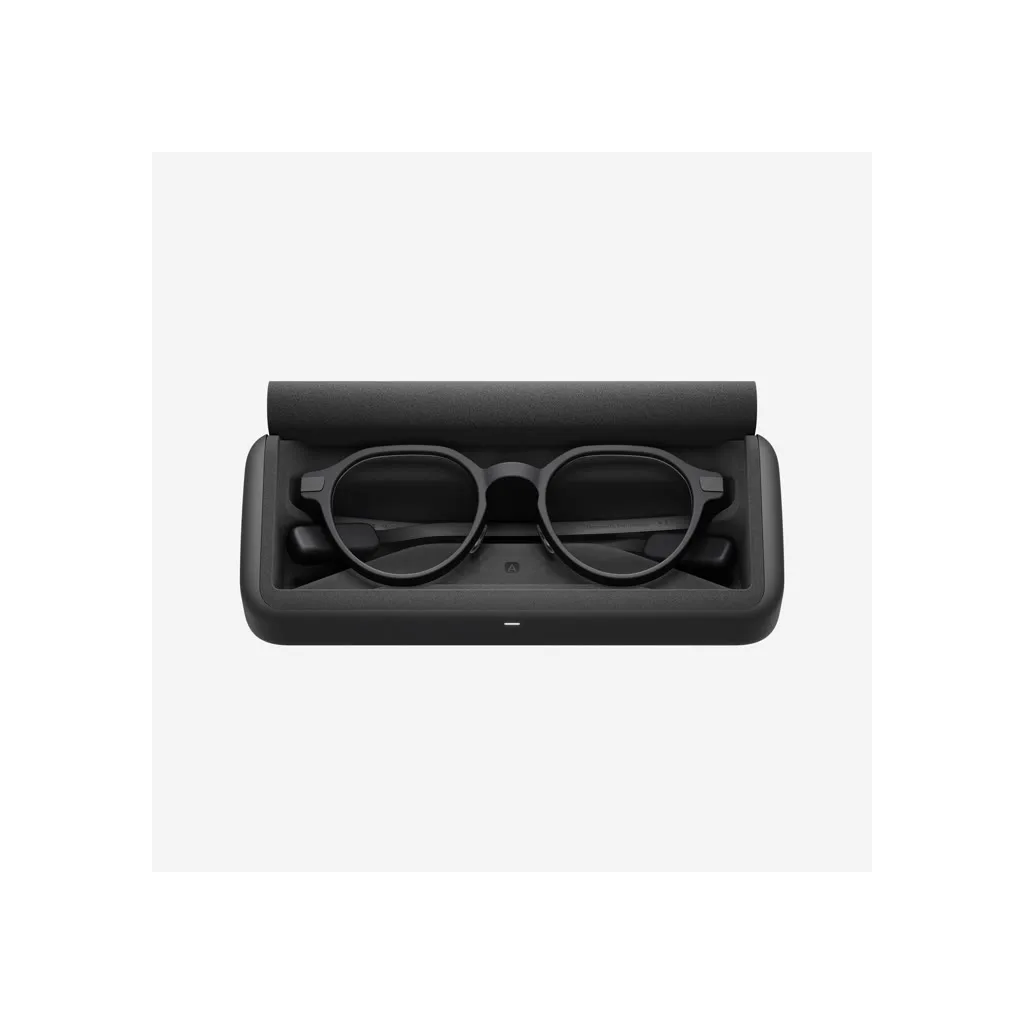
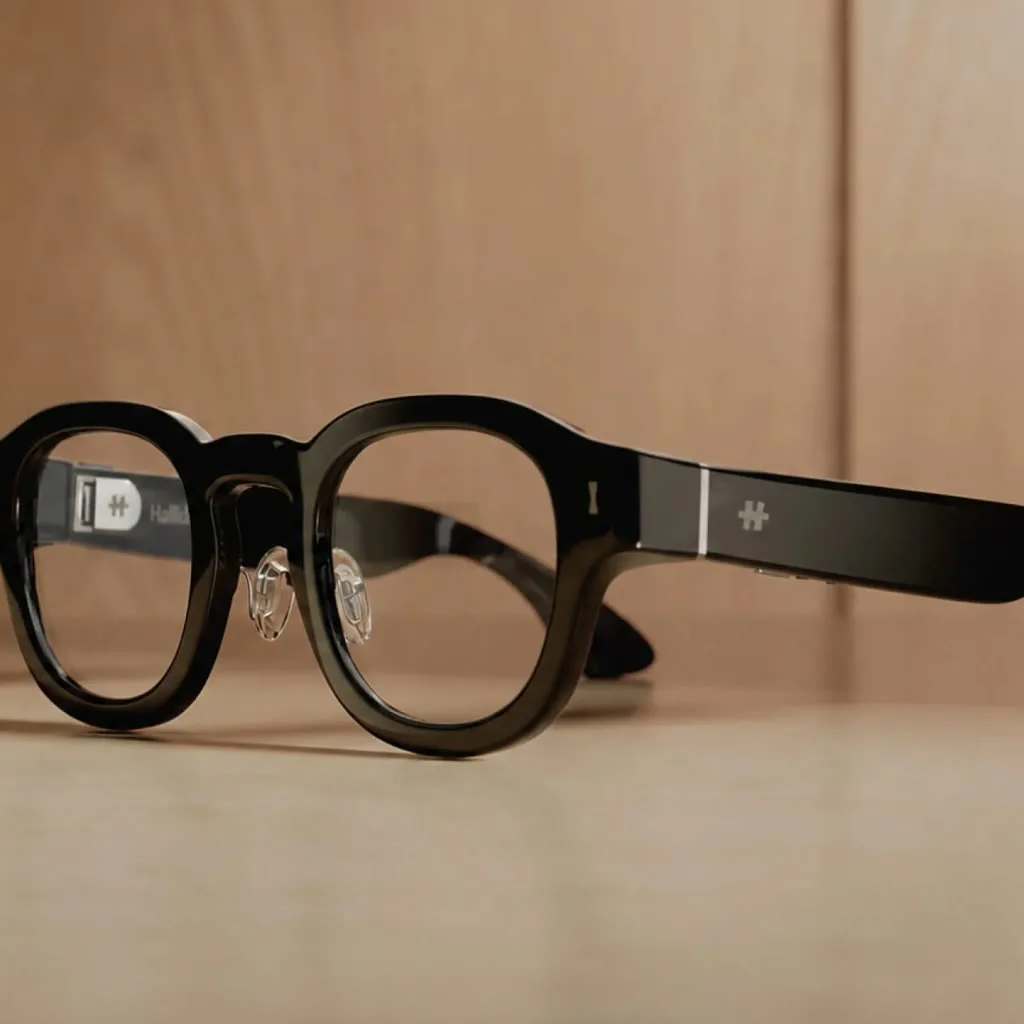
The cleanest commercial takeaway from tightening global camera bans is assortment segmentation. Camera-free smart glasses—combining directional open-ear dipole speakers, beamforming microphones for user-initiated translation, and optional monochrome near-eye teleprompter displays without any outward camera sensor—bypass nearly every school, hospital, factory-floor, and parliamentary visual-surveillance objection.
Before committing capital, B2B buyers should split their eyewear roadmap into two distinct tracks:
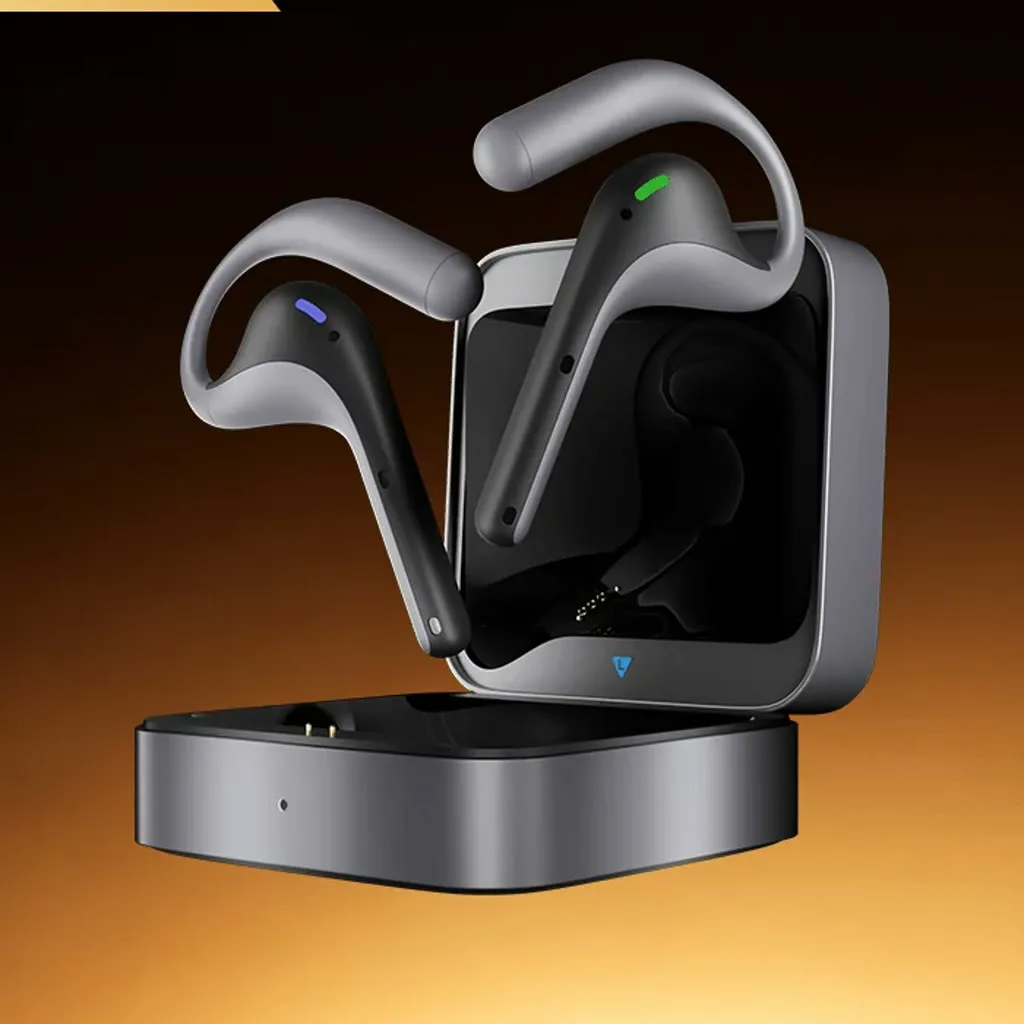
- Enterprise, education, and travel-retail safe track: source camera-free open-ear AI translation and voice-note frames (or clip-on open-ear audio temple kits) backed by documented head-SAR reports, magnetic prescription lens inserts, and explicit zero-camera packaging callouts.
- Prosumer creator track: keep camera-equipped eyewear strictly in adult consumer electronics channels, demand schematic proof of hardwired LED + occlusion cutoff, and budget higher customer-support reserves for Wi-Fi offloading and companion-app pairing.